
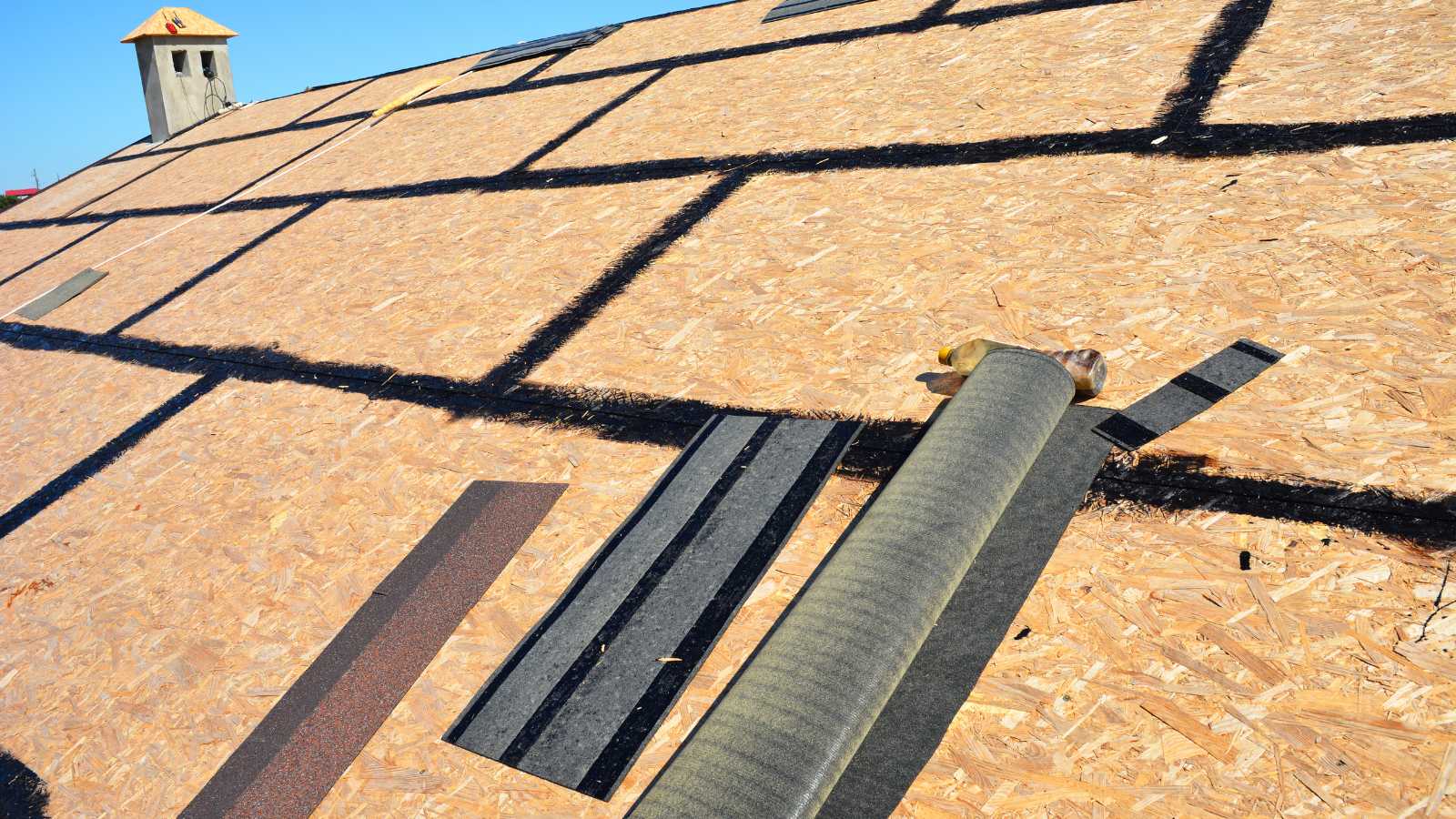
While most homeowners are familiar with shingles and tiles, the underlayment of a roof often goes unnoticed but plays a critical role in safeguarding your home. Synthetic underlayment is a modern innovation that offers numerous benefits over its traditional counterparts, and its impact on the longevity of a roof is significant. In this article, we’ll delve deeply into synthetic underlayment systems and highlight how they can augment the lifespan of your roof.
How Synthetic Underlayment Systems Can Increase Roof Lifespan
Synthetic underlayment systems are designed to enhance the performance and longevity of roofs by offering superior durability compared to traditional felt underlayment. For instance, synthetic materials, often made from polypropylene or similar polymers, can withstand harsh conditions, including heavy foot traffic, during installation and maintenance. Reports indicate that synthetic underlayment can last up to 50 years or more, significantly outpacing the typical 15- to 20-year lifespan of traditional felt paper.
In addition to durability, synthetic underlayment provides exceptional weather resistance. Many products are engineered to endure extensive UV exposure without degrading, with some rated for three to six months before shingles are installed. This feature is particularly beneficial in regions susceptible to prolonged construction timelines due to inclement weather, as it helps maintain the roof’s integrity during installation delays. these attributes contribute to a more resilient roofing system that effectively protects homes from moisture, mold, and other environmental challenges, ultimately leading to reduced maintenance costs and increased property value.
7 Key Benefits of Synthetic Roof Underlayments
1. Enhanced Durability
Synthetic roof underlayments are known for their remarkable durability, often outperforming traditional felt materials. Made from advanced polymers, these underlayments are resistant to tearing and puncturing, which can occur during installation or maintenance. This durability not only guarantees a longer lifespan for the underlayment itself but also contributes to the overall integrity of the roofing system. Homeowners should consider investing in high-quality synthetic underlayments to minimize the risk of future repairs and replacements.
2. Superior Weather Resistance
One of the standout features of synthetic roof underlayments is their strong weather resistance. Many synthetic products are designed to withstand extreme UV exposure for months before shingles are installed, making them ideal for regions with unpredictable weather patterns. This characteristic protects the roof deck from the elements during construction, which is often overlooked. Homeowners should always check the UV ratings of the underlayment they choose to ensure it meets their local climate challenges.
3. Lightweight and Easy to Handle
Synthetic underlayments are much lighter than traditional felt paper, allowing for easier handling during installation. This weight advantage not only reduces strain on roofing crews but also lowers the risk of accidents and injuries associated with lifting heavy materials. When hiring contractors from platforms like Big Home Projects, homeowners should inquire about their experience with synthetic materials to ensure efficient and safe installation practices.
4. Excellent Moisture Protection
Unlike traditional felt underlayments that can absorb water, synthetic options repel moisture effectively. This property significantly lowers the risk of mold growth and water damage, which can compromise the structural integrity of the roof over time. Homeowners should consider this aspect when evaluating their roofing needs, especially in areas prone to heavy rainfall or humidity. Regular inspections can further enhance moisture management and prolong roof life.
5. Longer life span
The lifespan of synthetic underlayments often exceeds that of felt paper, with many synthetic options lasting as long as the shingles themselves. This longevity leads to lower long-term maintenance costs and reduces the frequency of roof overhauls. Homeowners are encouraged to consult with roofing professionals about the specific lifespan of different synthetic products to make informed decisions that align with their budget and expectations.
6. Cost-Effective in the Long Run
While synthetic underlayments may have a higher upfront cost compared to traditional felt, their durability and longevity can lead to significant cost savings over time. Reduced maintenance needs and a longer lifespan mean fewer repairs and replacements, ultimately lowering overall roofing costs. Homeowners should carefully assess their long-term roofing budgets and consider investing in synthetic underlayments for better value in the future.
7. Environmentally Friendly Options Available
Many manufacturers are now producing synthetic roof underlayments using recycled materials or environmentally friendly processes. Choosing these options can contribute to sustainability efforts while still providing all the benefits of traditional synthetic products. Homeowners interested in eco-friendly solutions should research manufacturers that prioritize sustainable practices and consider them when updating their roofing systems. This choice not only benefits the environment but may also appeal to buyers concerned about green building practices if they decide to sell their homes in the future.
What Materials Are Used in Synthetic Underlayment and Why Are They Superior?
Synthetic underlayment is primarily constructed from advanced polymers, with polypropylene and polyethylene being the most common materials used. These polymers are engineered to provide exceptional strength, flexibility, and resistance to tearing, making them far superior to traditional felt paper. For instance, while felt can absorb moisture and become heavy and brittle over time, synthetic materials repel water, maintaining their integrity and effectiveness even in extreme conditions.
The superior performance of synthetic underlayment can be attributed to its manufacturing process, which often involves multiple layers that enhance durability and weather resistance. Many synthetic products feature a slip-resistant surface for safer installation and maintenance, along with UV-resistant coatings that prevent degradation from sunlight exposure. Statistics show that synthetic underlayment can last up to 50 years, significantly longer than the typical lifespan of felt paper, which generally ranges from 15 to 20 years. This longevity translates into long-term savings for homeowners, as fewer replacements and repairs are required over time.
How Does Synthetic Underlayment Enhance Roof Installation Safety?
Synthetic underlayment enhances roof installation safety primarily through its lightweight design and superior grip. Unlike traditional felt paper, which can be cumbersome and slippery, synthetic underlayment is much lighter, making it easier for roofing crews to handle and install. This reduced weight not only minimizes physical strain on workers but also decreases the likelihood of accidents related to lifting heavy materials. According to the Occupational Safety and Health Administration (OSHA), reducing the weight of materials used in construction can significantly lower the risk of workplace injuries.
Many synthetic underlayments are designed with a slip-resistant surface that provides better traction for workers during installation. This feature is particularly beneficial when working on steep roofs or in wet conditions, where slipping can lead to serious injuries. A study conducted by the National Institute for Occupational Safety and Health (NIOSH) found that slip-resistant surfaces can reduce falls by as much as 50%.
Can Synthetic Underlayment Withstand Extreme Weather Conditions?
Synthetic underlayment is specifically engineered to withstand extreme weather conditions, making it a reliable choice for roofing in challenging environments. Many synthetic products are rated to endure prolonged exposure to ultraviolet (UV) rays, with some capable of withstanding up to six months of direct sunlight without significant degradation. This durability is crucial in regions that experience harsh sun, as traditional felt underlayment can quickly deteriorate under similar conditions, leading to potential roof damage before shingles are even installed.
In addition to UV resistance, synthetic underlayments also excel in moisture management and wind resistance. They are designed to repel water, preventing absorption, that can lead to mold growth and structural damage. many synthetic options have enhanced wind uplift ratings, often exceeding 90 mph. In areas prone to hurricanes or severe storms, this feature is essential. For example, during Hurricane Harvey in 2017, roofs equipped with synthetic underlayments demonstrated superior performance in extreme weather, with fewer instances of blow-off or water intrusion reported compared to those using traditional materials. This exceptional resilience directly contributes to the longevity and reliability of the roofing system as a whole.
Incorporating Synthetic Underlayment in Big Home Projects’ Directory of Roofing Experts
Incorporating synthetic underlayment into the roofing services listed in Big Home Projects’ directory of roofing experts can significantly enhance the quality and durability of the roofing solutions provided. Contractors can set themselves apart from competitors who may still use traditional felt underlayment by encouraging the use of synthetic materials. This focus on modern materials not only shows how committed they are to quality, but it also appeals to homeowners who want a roof that will last. A survey by the National Roofing Contractors Association found that 70% of homeowners put durability first when choosing roofing materials. This shows how important it is to offer advanced options like synthetic underlayment.
Contractors in the Big Home Projects directory can use the benefits of synthetic underlayment to help potential clients learn more about their services and schedule consultations. Contractors can gain homeowners’ trust and show they are experts in the field by telling them about the benefits of synthetic materials, such as how they last longer in bad weather and require less upkeep. For instance, adding case studies or testimonials from satisfied customers that show how synthetic underlayment has been used in successful projects can boost credibility and bring in new business. This focused approach not only makes the contractor’s reputation better, but it also makes customers happier overall as they see the long-term benefits of their investment.
How Do Warranties for Synthetic Underlayment Translate to Long-Term Savings?
Warranties for synthetic underlayment often extend well beyond those offered for traditional felt products, reflecting the confidence manufacturers have in the durability and longevity of their materials. Many synthetic underlayments come with warranties ranging from 20 to 50 years, which can provide significant peace of mind for homeowners. This extended coverage means that if any issues arise due to manufacturing defects or material failures, homeowners can receive repairs or replacements at little to no cost, translating to long-term savings on maintenance and unexpected repair expenses.
The longevity associated with synthetic underlayment can lead to reduced overall roofing costs over time. With a lifespan that often matches or exceeds that of the shingles themselves, homeowners can avoid the frequent roof replacements typically required when using traditional materials. A study by the National Association of Home Builders found that using high-quality materials, including synthetic underlayment, can save homeowners an average of 25% in long-term roofing costs, as fewer repairs and replacements are needed. This financial benefit, combined with the security of a robust warranty, makes synthetic underlayment an attractive investment for those looking to protect their homes efficiently and economically.
Is Investing in Premium Roofing Materials Worth the Cost?
Investing in premium roofing materials is often worth the initial cost, primarily due to their enhanced durability and longevity. High-quality materials such as synthetic underlayment, metal roofing, or architectural shingles can significantly outlast cheaper alternatives. For instance, while traditional asphalt shingles may last around 20 years, premium materials can provide lifespans of 40 years or more, translating into fewer replacements and lower long-term costs. According to a study by the National Roofing Contractors Association, homeowners can save an average of 30% on maintenance and replacement costs over the life of a premium roofing system.
Premium roofing materials typically offer better performance in terms of energy efficiency and weather resistance. Materials with superior insulation properties can reduce heating and cooling costs, resulting in savings on utility bills. A report from the U.S. Department of Energy indicates that energy-efficient roofing can reduce energy costs by up to 15%, which adds to the overall value of the investment. homeowners who invest in high-quality roofing materials may see an increase in property value, as potential buyers often prioritize durability and low maintenance when evaluating homes for purchase. This combination of long-term savings and increased property value makes investing in premium roofing materials a financially sound decision.