
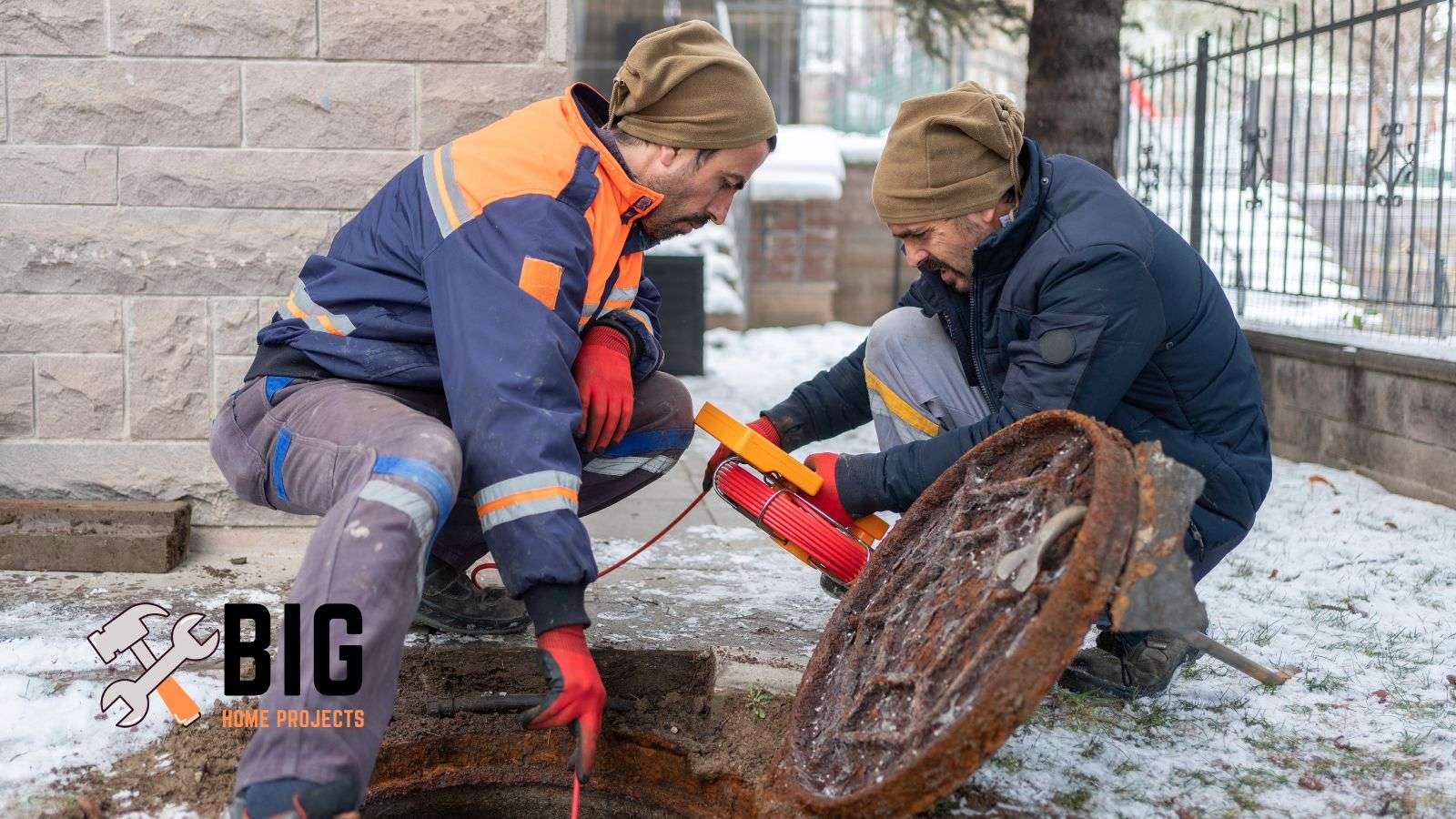
Sewer clogs can be a nightmare for homeowners, leading to serious plumbing issues and potential damage. Understanding the causes of these dreaded clogs and learning how to prevent them can save you time, money, and stress.
In this article, we present a comprehensive guide on how to avoid sewer clogs, detailing causes, prevention measures, and essential maintenance tips for a clog-free home.
7 Essential maintenance tips to avoid sewer clogs
1. Regularly inspect and clean your drains
Regular inspection and cleaning of your drains is crucial to prevent sewer clogs. Over time, debris, hair, grease, and other substances can accumulate and cause blockages. By inspecting and cleaning your drains on a regular basis, you can identify any potential issues early on and take appropriate action to keep them clear.
2. Dispose of grease properly
One common cause of sewer clogs is the improper disposal of grease. Cooking oil, grease, and fat should never be poured down the drain as they can solidify and create blockages. Instead, allow grease to cool and dispose of it in a sealed container or wipe it off with a paper towel before washing dishes or utensils.
3. Use drain screens or strainers
Using drain screens or strainers is an effective way to prevent debris from entering your drains and causing clogs. These simple devices can catch hair, food particles, and other small objects, allowing you to easily remove them and keep your drains clear. Clean screens or strainers regularly to prevent poor performance.
4. Avoid flushing non-biodegradable items
To avoid sewer clogs, remember that toilets are not trash cans. Only flush toilet paper and human waste down the toilet. Non-biodegradable items such as cotton swabs, sanitary products, wipes, and dental floss should never be flushed as they can easily cause blockages in your sewer system.
5. Be mindful of tree root intrusion
Tree roots can infiltrate sewer lines and cause significant damage over time. To prevent this, be mindful of planting trees near sewer lines or underground pipes. If you already have trees in close proximity to your sewer lines, consider regular inspections and root maintenance to prevent root intrusion.
6. Maintain proper slope in drainage system
Proper slope in your drainage system is essential for efficient flow and to avoid sewer clogs. Ensure that your pipes have the correct slope to allow wastewater to flow freely towards the main sewer line or septic tank. If you notice any signs of slow drainage, seek professional assistance to address the issue promptly.
7. Schedule professional sewer line inspections
Regular professional inspections of your sewer lines are highly recommended to identify any potential problems before they become major issues. A professional plumber can use specialized tools and techniques to inspect the condition of your sewer lines and provide necessary maintenance or repairs.
What causes sewer clogs?
- Accumulation of debris: Over time, debris such as hair, soap scum, food particles, and grease can build up in the sewer pipes, causing clogs.
- Tree root intrusion: Tree roots can infiltrate sewer lines and grow inside the pipes, causing blockages and potential damage.
- Flushing non-biodegradable items: Flushing items like cotton swabs, wipes, dental floss, and sanitary products can lead to sewer clogs as these items do not break down easily.
- Improper disposal of grease and fat: Pouring grease or fat down the drain allows it to solidify and stick to the pipe walls, leading to clogs.
- Collapsed or damaged pipes: Pipes that are cracked, collapsed, or damaged can cause blockages by restricting the flow of wastewater.
- Sediment buildup: Sediment, minerals, and scale can accumulate inside the pipes, narrowing the diameter and causing clogs.
- Foreign objects: Accidentally dropping objects like toys, jewelry, or small items into the toilet or drain can cause clogs if they get lodged in the pipes.
Can all sewer clogs be prevented?
While it is not possible to prevent all sewer clogs completely, many of them can be avoided with proper maintenance and mindful habits. Regularly inspecting and cleaning drains, disposing of grease properly, using drain screens or strainers, and avoiding the flushing of non-biodegradable items are effective preventive measures.
Being mindful of tree root intrusion, maintaining proper slope in the drainage system, and scheduling professional sewer line inspections can also help identify potential issues before they escalate.
However, despite taking all precautions, unforeseen circumstances like collapsed pipes or accidental foreign object entry can still lead to clogs.
What role does maintenance play in preventing sewer clogs?
- Regular maintenance helps identify potential issues: By regularly inspecting and cleaning drains, homeowners or professionals can detect and address any signs of blockages or buildup before they become major problems.
- Proper maintenance reduces debris accumulation: Regular drain cleaning and maintenance remove accumulated debris, such as hair, soap scum, and grease, that can contribute to clogs over time.
- Maintenance prevents tree root intrusion: By being proactive in maintaining sewer lines, homeowners can take measures to prevent tree root intrusion, such as regular inspections and root maintenance.
- Preventive maintenance minimizes the risk of collapsed or damaged pipes: Regular maintenance can help identify any signs of pipe damage, such as cracks or collapses, which can then be repaired promptly to prevent clogs.
- Maintaining proper slope ensures smooth flow: Regular maintenance allows for monitoring and adjustment of the proper slope in the drainage system, ensuring efficient flow of wastewater and minimizing the risk of clogs.
- Scheduled professional inspections provide expert assessment: Regular professional sewer line inspections can catch potential issues that may not be easily detectable by homeowners, allowing for timely maintenance or repairs to prevent clogs.
- Maintenance promotes good habits: By consistently practicing good habits such as proper disposal of grease and avoiding flushing non-biodegradable items, regular maintenance reinforces these behaviors and helps prevent sewer clogs.
What are the warning signs of a sewer clog?
- Slow drainage: If you notice that water is draining slowly from sinks, showers, or toilets, it could indicate a sewer clog.
- Gurgling sounds: Unusual gurgling or bubbling sounds coming from drains or toilets when they are being used may suggest a sewer clog.
- Foul odors: Persistent foul or sewage-like smells coming from drains, toilets, or the outdoors near your property could indicate a sewer clog.
- Backups or overflows: Sewer backups, where wastewater comes up from drains or toilets, or overflows in your plumbing fixtures are strong indicators of a sewer clog.
- Multiple drain issues: If you are experiencing problems with multiple drains in your home simultaneously, it is likely that there is a common sewer line clog causing the issue.
- Water pooling: If you notice water pooling around floor drains in your basement or other low-lying areas, it may indicate a sewer clog preventing proper drainage.
- Fluctuating toilet water levels: If the water level in your toilet bowl rises and falls inconsistently or does not return to its normal level after flushing, it could be a sign of a sewer clog.
Are there professional services to help avoid sewer clogs?
Yes, there are professional services available to help avoid sewer clogs. Hiring a professional plumber or drain cleaning service can provide expert assistance in maintaining your sewer system and preventing clogs. These professionals have the knowledge, experience, and specialized tools to inspect, clean, and repair sewer lines as needed.
They can perform regular maintenance tasks such as drain cleaning, sewer line inspections, and root maintenance to keep your sewer system in optimal condition. They can provide valuable advice and recommendations on preventive measures that you can take to avoid sewer clogs in the future.
If you are looking for professional services, you can explore the directory website Big Home Projects, which offers a wide range of home improvement and maintenance services, including plumbing and sewer-related services.
Is there a best time to check for sewer clogs?
While sewer clogs can occur at any time, it is beneficial to check for them regularly as part of routine maintenance. Implementing a regular inspection schedule, such as annually or semi-annually, can help detect any early signs of clogs and prevent them from escalating into more significant issues.
It’s best to check for sewer clogs after heavy rainfall or storms, as excessive water flow can potentially exacerbate existing blockages or cause new ones. If you notice any warning signs of a sewer clog, such as slow drainage, gurgling sounds, or foul odors, it is important to check for clogs promptly.
By being proactive and conducting regular checks, you can address any potential sewer clogs in a timely manner, minimizing the risk of damage and ensuring the smooth operation of your sewer system.
Do home remedies work in sewer clog prevention?
- Regular maintenance: Implementing home remedies as part of regular maintenance can help prevent sewer clogs by keeping drains clean and clear.
- DIY drain cleaning: Using natural or homemade drain cleaning solutions, such as a mixture of baking soda and vinegar or hot water and dish soap, can help remove minor clogs and keep drains flowing smoothly.
- Hot water flush: Periodically flushing drains with hot water can help dissolve grease and prevent buildup, reducing the risk of clogs.
- Enzyme cleaners: Using enzyme-based drain cleaners can break down organic matter and help prevent the accumulation of debris that can lead to clogs.
- Boiling water for toilets: Pouring boiling water down the toilet can help dissolve mild clogs and prevent blockages.
- Proper waste disposal: Practicing proper waste disposal habits, such as avoiding flushing non-biodegradable items or disposing of grease in the trash rather than down the drain, can significantly reduce the risk of sewer clogs.
- Drain screens or strainers: Installing drain screens or strainers in sinks, showers, and tubs can effectively catch hair, food particles, and other debris, preventing them from entering the drain and causing clogs.
What is the cost impact of ignoring sewer clogs?
Untreated sewer clogs can lead to sewage backups and overflows, resulting in property damage and the need for expensive cleanup and restoration services. Ignoring sewer clogs can put excessive strain on your plumbing system, potentially causing pipes to burst or rupture, leading to costly repairs or even the replacement of damaged pipes.
Inefficient drainage due to clogs can also increase water bills as it requires more water to be used for basic tasks. Moreover, if untreated, sewer clogs can cause long-term damage to the sewer lines, necessitating extensive and expensive repairs or replacements. To keep sewer clogs from causing extensive damage to your plumbing and increasing costs, you should address the problem as soon as it arises.
Does household behavior directly impact sewer clogs?
- Proper waste disposal: The way household members dispose of waste, such as not flushing non-biodegradable items or pouring grease down the drain, directly impacts sewer clogs.
- Regular drain maintenance: Engaging in regular drain maintenance, such as cleaning drains and using drain screens or strainers, can significantly reduce the risk of sewer clogs.
- Water usage habits: Practices like excessive use of water during showers or running large amounts of water while washing dishes can contribute to sewer clogs by overwhelming the drainage system.
- Tree planting and landscaping: Planting trees or landscaping near sewer lines without considering root intrusion can directly impact sewer clogs. Tree roots can infiltrate pipes and cause blockages.
- Awareness of plumbing limitations: Understanding the limitations of the plumbing system and avoiding actions like flushing large amounts of toilet paper or foreign objects can help prevent sewer clogs.
- Prompt attention to warning signs: Being attentive to warning signs of sewer clogs, such as slow drainage or foul odors, and taking immediate action can prevent further complications and damage.
- Regular professional inspections: Scheduling regular professional inspections allows for early detection of potential issues, contributing to the prevention of sewer clogs.
How does aging plumbing influence sewer clogs?
Over time, pipes can deteriorate, corrode, or develop cracks, creating opportunities for debris, sediment, and roots to accumulate and cause blockages. Aging plumbing may also have a reduced flow capacity due to scaling or mineral buildup, which can contribute to sewer clogs.
Older plumbing systems may not have been designed to handle the increased demands of modern water usage, leading to a higher likelihood of clogs. As pipes age, they become more susceptible to damage from shifting soil or ground movement, further increasing the risk of blockages.
It is essential to be aware of the condition of aging plumbing and take preventive measures such as regular inspections, maintenance, and potential pipe replacements to minimize the impact of aging plumbing on sewer clogs.
What are the long-term effects of sewer clogs?
- Property damage: Untreated sewer clogs can lead to sewage backups and overflows, causing extensive damage to floors, walls, and belongings in affected areas.
- Health hazards: Sewer clogs can result in unsanitary conditions, potentially exposing occupants to harmful bacteria, viruses, and foul odors that can pose health risks.
- Structural damage: Persistent sewer clogs can put excessive strain on pipes, leading to pipe corrosion, leaks, or even pipe bursts, causing structural damage to the plumbing system and potentially the property itself.
- Increased repair costs: Ignoring sewer clogs can result in more severe damage over time, leading to costly repairs or replacements of damaged pipes, drains, or sewage systems.
- Contamination of water sources: In severe cases, untreated sewer clogs can contaminate water sources such as wells or nearby bodies of water, posing environmental risks and potential health hazards.
- System inefficiency: Sewer clogs hinder the proper flow of wastewater, leading to inefficiency in drainage systems, increased water consumption, and higher utility bills.
- Disruption and inconvenience: Dealing with sewer clogs can cause significant inconvenience and disruption to daily routines, requiring time-consuming cleanups, repairs, and potential temporary displacement from the affected areas.