
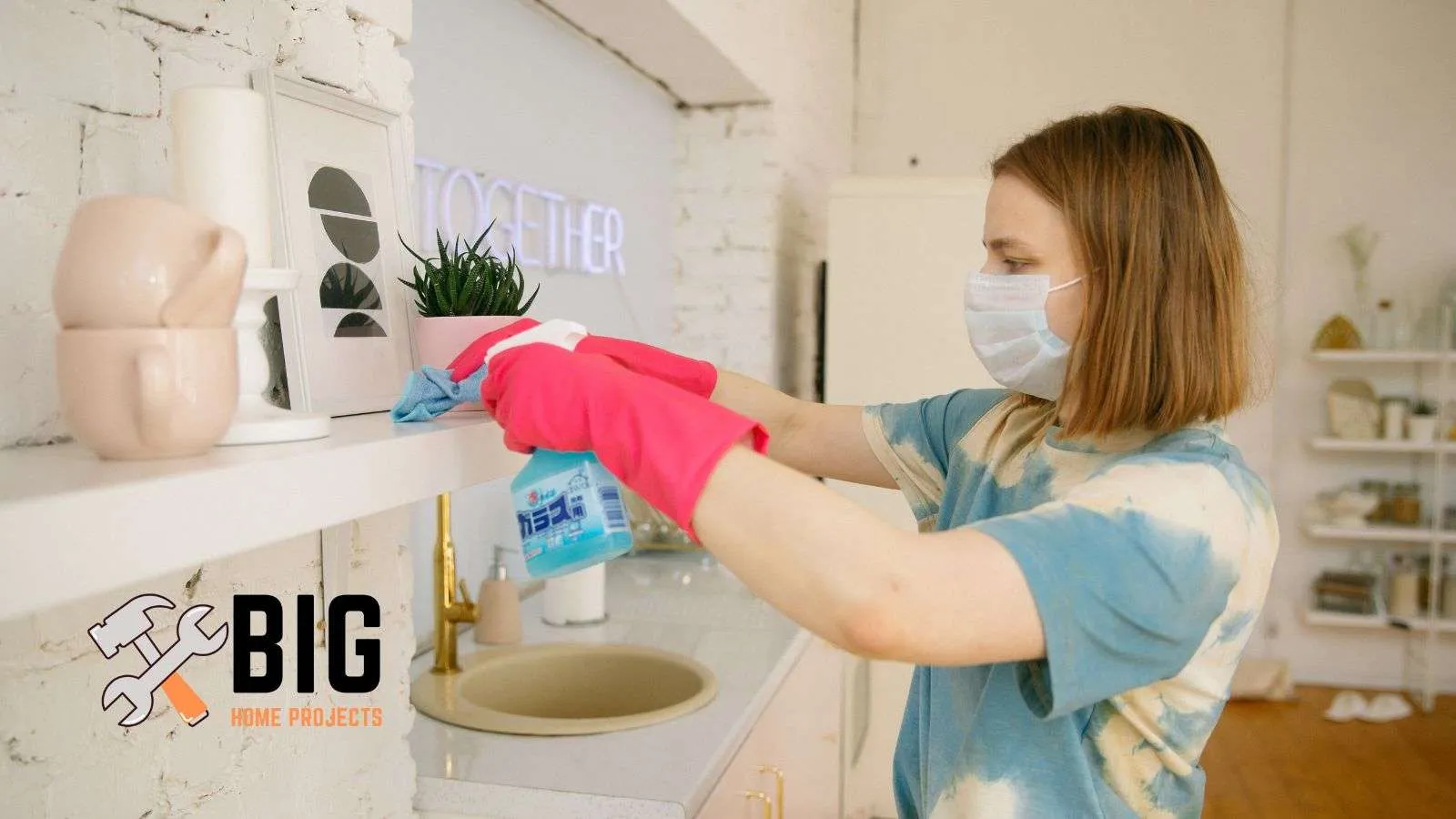
Maintaining a home that’s free from pollutants is essential for a safe and healthy living environment. As we gain awareness about the impact of indoor air quality, tackling this issue effectively becomes a top priority.
In this article, we’ll go deep into understanding common household pollutants, and how to implement strategies to ensure your home stays pollutant-free.
10 effective strategies for keeping your home free from pollutants
1. Keep your home well-ventilated
Proper ventilation is key to maintaining a pollutant-free environment in your home. Open windows regularly to allow fresh air to circulate and remove indoor pollutants. Consider using exhaust fans in areas prone to high humidity or pollutants, such as the kitchen and bathroom.
2. Use natural cleaning products
Many conventional household cleaning products contain chemicals that can contribute to indoor air pollution. Opt for natural alternatives when cleaning your home, such as vinegar, baking soda, or lemon juice. These options are effective and environmentally friendly.
3. Regularly change air filters
Air filters play a big role in trapping airborne particles and pollutants. Make it a habit to change your air filters regularly, following the manufacturer’s guidelines. This helps maintain clean air quality and prevents the buildup of allergens and pollutants.
4. Be mindful of indoor plants
Indoor plants not only add beauty to your home but can also help purify the air. Certain plants, such as peace lilies, spider plants, and aloe vera, are known for their air-cleaning properties. Consider adding these plants to your indoor spaces to enhance air quality.
5. Minimize chemical use
Reducing the use of chemicals in your home can significantly decrease indoor pollutants. Look for natural alternatives to common chemical-based products, such as pesticides, air fresheners, and insect repellents. Simple changes like using essential oils or homemade solutions can make a big difference.
6. Control moisture levels
Excess moisture in your home can lead to mold growth, which can contribute to poor indoor air quality. Keep humidity levels in check by using dehumidifiers or air conditioners. Keep all plumbing fixtures in good repair, and make sure that you regularly check for signs of water damage.
7. Keep your floors clean
Regularly cleaning your floors helps prevent the accumulation of dust, pet dander, and other allergens. Vacuum carpets and rugs frequently using a vacuum cleaner equipped with a HEPA filter. Mop hard floors with natural or non-toxic cleaning solutions for a thorough clean.
8. Avoid smoking indoors
Cigarette smoke contains numerous harmful chemicals that can linger in your home and affect indoor air quality. Make your home a smoke-free zone to protect the health of yourself and your loved ones.
9. Control pest infestations naturally
Avoid using harsh chemical pesticides to control pests in your home. Instead, opt for natural pest control methods like sealing cracks, keeping food stored properly, and using traps or repellents made from non-toxic ingredients.
10. Regularly maintain appliances and systems
To protect your health, it is important to keep the appliances and other systems in your home well-maintained. Regular maintenance will prevent pollution from entering into the air or water supply, as well as make these machines operate more efficiently.
What are common household pollutants?
- Volatile organic compounds (VOCs): Found in many household products, such as cleaning supplies, paints, glues, and furniture, VOCs can contribute to indoor air pollution.
- Particulate matter: Includes dust, pollen, pet dander, and other microscopic particles that can be suspended in the air and breathed in.
- Mold and mildew: Common in areas with high humidity or water damage, mold and mildew can release spores that can negatively affect indoor air quality.
- Tobacco smoke: Secondhand smoke from cigarettes contains numerous toxic chemicals that can linger in the air and pose health risks.
- Radon: A naturally occurring radioactive gas that can seep into homes through cracks in the foundation or walls, radon is odorless and colorless but can be harmful when inhaled.
- Indoor allergens: Include dust mites, pet allergens, cockroach droppings, and mold spores, which can trigger allergic reactions and respiratory issues.
- Formaldehyde: Found in building materials, furniture, and some household products, formaldehyde is a known indoor air pollutant.
- Carbon monoxide: A colorless and odorless gas produced by fuel-burning appliances, carbon monoxide can be dangerous when present in high concentrations.
- Lead: Commonly found in older homes, lead-based paint or dust can be a significant source of indoor pollution, particularly for young children.
- Pesticides: Chemicals used for pest control can contribute to indoor air pollution if not used or stored properly.
How do pollutants enter my home?
- Outdoor air: Pollutants from outdoor sources, such as vehicle emissions, industrial activities, and air pollution, can enter your home through open windows, doors, and ventilation systems.
- Indoor sources: Household pollutants can originate from various indoor sources, including cleaning products, cooking emissions, smoking, building materials, and furniture.
- Contaminated soil: Certain pollutants, like radon or pesticides, can enter your home through the soil if there are cracks or gaps in the foundation.
- Water contamination: Pollutants can enter your home through contaminated water sources, such as lead pipes or groundwater contamination.
- Building materials: Some construction materials, such as asbestos or formaldehyde-containing products, can release pollutants into the indoor air over time.
- Mold and mildew: Moisture issues or water damage can lead to the growth of mold and mildew, releasing spores into the air inside your home.
- Personal activities: Activities like painting, using certain cleaning products, or hobbies involving chemicals can release pollutants that affect indoor air quality.
- Poor ventilation: Inadequate ventilation in your home can trap pollutants indoors, allowing them to accumulate and degrade the air quality.
- Pets: Pet dander and allergens from fur, feathers, or saliva can contribute to indoor pollutants if not properly managed.
- Human activities: Everyday activities like shedding skin cells, cooking, and even breathing can introduce pollutants into the air inside your home.
Is my indoor air quality possibly polluted?
Common sources of indoor pollutants include chemicals from cleaning products, tobacco smoke, mold, pet dander, dust mites, and volatile organic compounds (VOCs) emitted by furniture and building materials. Other factors such as poor ventilation, high humidity levels, and the presence of allergens or pollutants from outdoor sources can also contribute to indoor air pollution.
If you notice symptoms like frequent allergies, respiratory issues, or a persistent unpleasant odor in your home, it might be an indication of poor indoor air quality. Conducting tests, implementing proper ventilation strategies, using air purifiers, and regularly maintaining your home can help improve your indoor air quality and create a healthier living environment.
Why should I be concerned about indoor air pollution?
Poor indoor air quality can lead to a range of health issues, including allergies, asthma, respiratory problems, and other respiratory-related illnesses. Long-term exposure to indoor pollutants can have detrimental effects on your immune system, cardiovascular health, and overall quality of life. Infants, children, the elderly, and individuals with pre-existing respiratory conditions are particularly vulnerable to the harmful effects of indoor air pollution.
Certain pollutants, such as radon and asbestos, have been linked to an increased risk of developing serious illnesses like lung cancer. By being aware of indoor air pollution and taking steps to improve the air quality in your home, you can help protect yourself and your loved ones from potential health hazards and create a healthier living environment.
How can I identify pollutants in my home?
One way is to observe any visible signs of pollutants, such as mold growth, water stains, or damaged building materials that may release harmful substances. You can also pay attention to any persistent and unpleasant odors in your home, as certain pollutants can emit distinctive smells.
Another approach is to conduct indoor air quality tests. These tests can measure the levels of various pollutants, including volatile organic compounds (VOCs), formaldehyde, radon, carbon monoxide, and particulate matter. Home air quality monitors are available for purchase and can provide real-time data on indoor air pollutants.
If you or your family members experience frequent allergies, respiratory issues, or unexplained health symptoms that seem to improve when outside the home, it may indicate the presence of indoor pollutants.
What are effective ways to reduce indoor pollution?
- Improve ventilation: Increase fresh airflow by opening windows, installing exhaust fans in high-humidity areas, and using air purifiers with HEPA filters to remove pollutants.
- Use natural cleaning products: Opt for environmentally-friendly alternatives like vinegar, baking soda, or lemon juice instead of chemical-based cleaners to minimize indoor air pollution.
- Regularly clean and dust: Regularly vacuum carpets, sweep and mop floors, and dust surfaces to reduce the buildup of dust, allergens, and other pollutants.
- Control moisture levels: Use dehumidifiers or air conditioners to maintain optimal humidity levels and prevent mold and mildew growth, which can contribute to poor indoor air quality.
- Avoid smoking indoors: Designate your home as a smoke-free zone to prevent exposure to harmful chemicals found in tobacco smoke.
- Keep indoor plants: Certain plants, such as peace lilies and spider plants, can help improve air quality by filtering out pollutants and releasing oxygen.
- Properly maintain appliances: Regularly service and clean appliances like HVAC systems, water heaters, and stoves to prevent the release of pollutants into the air.
- Reduce use of chemicals: Minimize the use of chemical-based products like pesticides, air fresheners, and synthetic fragrances, and opt for natural alternatives whenever possible.
- Control pest infestations naturally: Use non-toxic methods like sealing cracks, keeping food properly stored, and utilizing traps or repellents made from natural ingredients to manage pests.
- Regularly change air filters: Follow manufacturer guidelines to replace air filters in your HVAC system regularly, which helps to trap airborne particles and improve indoor air quality.
Which household products contribute to indoor air pollution?
- Cleaning products: Many conventional cleaning products, such as sprays, disinfectants, and detergents, contain chemicals like VOCs that can contribute to indoor air pollution.
- Air fresheners: Commercial air fresheners often contain synthetic fragrances and chemicals that can release pollutants into the air.
- Paints and solvents: Oil-based paints, varnishes, and solvents used for home improvement projects can emit VOCs and other harmful substances.
- Pesticides: Chemical-based pesticides used for insect control can release toxic fumes and contribute to indoor air pollution if not used or stored properly.
- Personal care products: Some personal care products, including aerosol sprays, perfumes, and hair sprays, may contain VOCs or other chemicals that can impact indoor air quality.
- Candles and incense: Burning candles and incense releases soot, particulate matter, and potentially harmful chemicals into the air.
- Building materials and furniture: Certain building materials, like formaldehyde-emitting insulation or pressed wood products, as well as furniture treated with flame retardants, can release pollutants into the indoor air.
- Tobacco smoke: Smoking indoors releases numerous harmful chemicals and pollutants into the air, negatively impacting indoor air quality.
- Gas stoves and appliances: Gas stoves, furnaces, and other gas-powered appliances can produce combustion byproducts like carbon monoxide and nitrogen dioxide that can affect indoor air quality if not properly vented.
- Electronics and office equipment: Some electronics and office equipment, such as printers and copiers, can release volatile organic compounds (VOCs) during operation.
How can plants help in controlling indoor pollution?
Through a process called phytoremediation, certain plants have the ability to absorb and metabolize pollutants present in the air. They can help remove harmful volatile organic compounds (VOCs) and other airborne toxins, making the air cleaner and healthier to breathe. Plants release oxygen during photosynthesis, which can improve overall air quality.
The leaves, roots, and even the microorganisms in the soil of these plants contribute to the purification process. Some plants, such as peace lilies, spider plants, snake plants, and pothos, are known for their air-purifying properties. By incorporating these plants into your indoor spaces, you can enhance air quality and create a more pleasant and healthier environment.
However, while plants can help mitigate indoor pollution to some extent, they should not be relied upon as the sole solution. Proper ventilation and regular cleaning are also crucial for maintaining good indoor air quality.
Are air purifiers effective for indoor air pollution?
Yes, air purifiers can be effective in reducing indoor air pollution. Air purifiers are designed to filter out various airborne pollutants, including dust, pollen, pet dander, mold spores, and volatile organic compounds (VOCs). They work by drawing in air and passing it through filters that capture and trap these pollutants, preventing them from recirculating in the room.
High-efficiency particulate air (HEPA) filters, in particular, are highly effective in removing small particles and allergens from the air. However, select an air purifier that is appropriately sized for the room and meets your specific needs.
Regular maintenance, such as changing filters as recommended by the manufacturer, is crucial to ensure the continued effectiveness of the air purifier. While air purifiers can help improve indoor air quality, they should be considered as part of a comprehensive approach that includes proper ventilation, cleaning, and minimizing pollutant sources for optimal results.
How can I regularly monitor and control indoor pollutants?
First of all, you can use indoor air quality monitors or sensors to track pollutant levels in your home. These devices provide real-time data on various pollutants, including volatile organic compounds (VOCs), particulate matter, and carbon dioxide. By regularly checking the readings, you can identify any potential issues and take appropriate actions.
Maintaining good ventilation is crucial. Open windows periodically to allow fresh air to circulate and remove indoor pollutants. Use exhaust fans in areas prone to high humidity or pollutants, such as the kitchen and bathroom. Regularly clean and dust your home to reduce the buildup of allergens and particulate matter.
Consider using natural cleaning products to minimize the introduction of harmful chemicals into your living space. Control moisture levels to prevent mold growth by using dehumidifiers or air conditioners and promptly fixing any leaks or water damage. Finally, be mindful of potential pollutant sources such as smoking indoors, using chemical-based products, or using certain types of building materials.
How to ensure better ventilation to reduce indoor pollutants?
Open windows and doors whenever possible to allow fresh air to enter your home and circulate. This helps to flush out stagnant air and remove indoor pollutants. Make use of exhaust fans in areas prone to high levels of moisture or pollutants, such as the kitchen and bathroom, to expel humid air and odors. Regularly clean and maintain your ventilation systems, including air ducts, filters, and vents, to ensure optimal airflow and prevent the buildup of dust and allergens.
Consider using window screens or mesh covers to allow for ventilation while keeping insects and debris out. If your home has a mechanical ventilation system, follow manufacturer instructions for regular maintenance and filter changes.
Finally, consider using natural ventilation methods, such as cross-ventilation by opening windows on opposite sides of your home, to promote a steady flow of fresh air throughout your living space.
What precautions should I take to prevent indoor pollution?
- Use natural and non-toxic products: Choose cleaning supplies, personal care products, and home furnishings that are free from harmful chemicals to minimize indoor pollution.
- Avoid smoking indoors: Designate your home as a smoke-free zone to prevent exposure to harmful chemicals found in tobacco smoke.
- Maintain good ventilation: Open windows regularly, use exhaust fans, and consider installing air purifiers to improve airflow and reduce indoor pollutants.
- Control moisture levels: Address any sources of moisture or leaks promptly to prevent mold and mildew growth, which can contribute to poor indoor air quality.
- Regularly clean and dust: Vacuum carpets, mop floors, and dust surfaces regularly to remove dust, allergens, and other pollutants from your home.
- Properly store chemicals: Store chemicals, including cleaning products and pesticides, in a safe and well-ventilated area to minimize their release into the air.
- Control pests naturally: Use non-toxic methods like sealing cracks, storing food properly, and utilizing traps or repellents made from natural ingredients to manage pests without introducing harmful chemicals.
- Test for radon: Consider testing your home for radon, a colorless and odorless gas that can be harmful if present in high concentrations. Professional testing kits are available.
- Regularly maintain appliances: Service and clean appliances like HVAC systems, water heaters, and stoves to prevent the release of pollutants into the air.
- Keep indoor plants: Certain plants, such as peace lilies and spider plants, can help improve air quality by filtering out pollutants and releasing oxygen.