
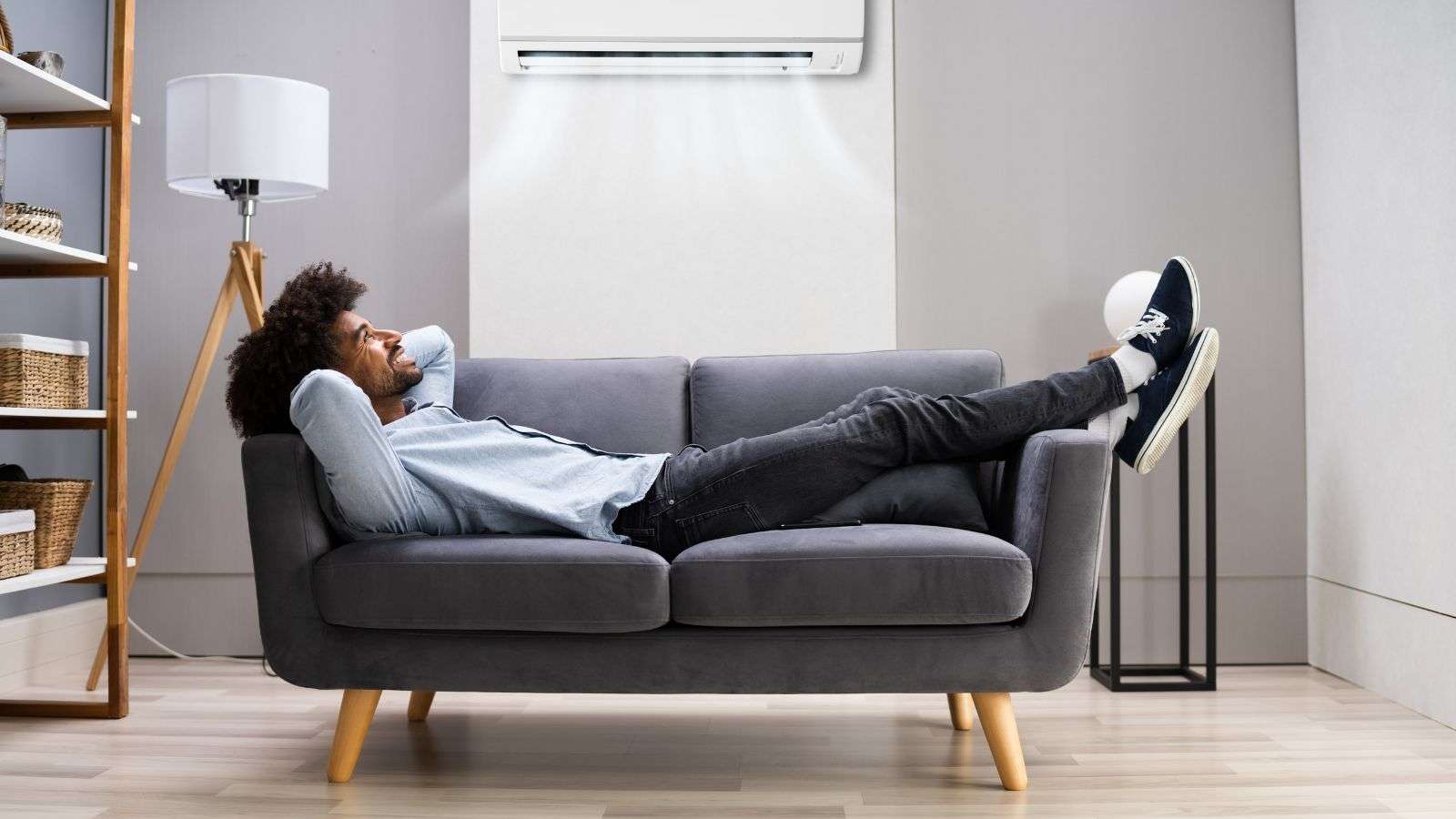
Are you tired of feeling uncomfortable in your home due to the inefficiency of your air conditioner? Don’t worry; there are several techniques that can help you maximize the cooling power of your AC unit.
In this article, we’ll walk you through some effective ways to make your air conditioner colder and how these simple yet valuable solutions will improve your comfort on hot summer days.
How does your air conditioner work?
Air conditioners work by removing heat from the air inside a room or building and transferring it outside, thus cooling the indoor space. They use a refrigeration cycle that involves a compressor, condenser, expansion valve, and evaporator. The compressor compresses refrigerant gas, raising its temperature and pressure.
The hot gas then flows to the condenser, where it releases heat into the outside air, causing the gas to condense into a high-pressure liquid. The liquid refrigerant passes through an expansion valve, which reduces its pressure and temperature. As it enters the evaporator, it absorbs heat from the indoor air, causing the refrigerant to evaporate into a low-pressure gas again. The cool air is then blown into the room, and the cycle repeats.
5 Essential tips to make your air conditioner colder
1. Clean and maintain your air conditioner regularly
Proper cleaning and maintenance of your air conditioner can significantly improve its cooling performance. Start by cleaning or replacing the air filters regularly, as dirty filters can restrict airflow and reduce cooling efficiency. Make sure to clean the condenser coils, either by gently brushing off dirt and debris or by using a specialized coil cleaner. Keeping the condenser coils clean allows for better heat transfer and enhances the overall cooling capacity of your air conditioner.
2. Optimize your thermostat settings
Optimizing your thermostat settings can help make your air conditioner colder and more energy-efficient. Set the temperature to a comfortable level, but avoid setting it too low, as this will not cool the room faster. Instead, consider using a programmable thermostat to adjust the temperature based on your schedule. It’s also beneficial to keep the temperature difference between the indoor and outdoor environments moderate, as excessive differences can strain the system and decrease efficiency.
3. Utilize proper ventilation and insulation
Proper ventilation and insulation play a crucial role in maximizing the cooling effect of your air conditioner. Make sure that your home is well-insulated, sealing any gaps or cracks that might allow cooled air to escape or warm air to enter. Make sure your windows and doors are properly sealed to prevent drafts. By reducing the amount of hot air infiltration and maintaining good insulation, you can enhance the cooling efficiency of your air conditioner.
4. Reduce heat sources inside your home
Reducing heat sources inside your home can help your air conditioner work more effectively. Consider using heat-generating appliances, such as ovens or dryers, during cooler parts of the day to minimize their impact on indoor temperatures. You can also use curtains or blinds to block direct sunlight from entering your rooms, particularly during the hottest hours of the day. By minimizing heat sources, you can relieve some of the burden on your air conditioner and make your living space cooler.
5. Use fans in conjunction with your air conditioner
Using fans in conjunction with your air conditioner can improve airflow and create a more comfortable environment. Ceiling fans or portable fans can help circulate cool air throughout the room, allowing you to set your air conditioner at a slightly higher temperature without sacrificing comfort. The moving air from fans creates a wind chill effect that can make you feel cooler, enabling you to reduce your reliance on the air conditioner while still enjoying a pleasantly cool atmosphere.
Finding the right temperature setting for your home
Finding the right temperature setting for your home is essential for both comfort and energy efficiency. It’s recommended to set your thermostat at a temperature that is comfortable for you and your household members.
Generally, a temperature range of 72–78°F (22–26°C) is considered comfortable for most people during the summer months. However, personal preferences may vary, so find the temperature that suits you best. Keep in mind that setting the thermostat lower than necessary will not cool your home faster; it will only lead to excessive energy consumption.
Experiment with different settings to find the balance between comfort and energy savings, and consider utilizing programmable thermostats to adjust the temperature based on your schedule.
The importance of regular air filter cleaning
First of all, clean air filters promote better indoor air quality by effectively capturing dust, pollen, pet dander, and other airborne particles. By removing these pollutants, clean air filters help reduce allergies, asthma symptoms, and respiratory issues.
Second, clean air filters improve the efficiency and longevity of your HVAC system. When the filters are clogged with dirt and debris, the airflow is restricted, causing the system to work harder to circulate air. This not only leads to increased energy consumption but also puts strain on the system, potentially leading to breakdowns and costly repairs. Clean air filters contribute to better cooling or heating performance by allowing the conditioned air to flow freely throughout your home.
Therefore, regular cleaning or replacement of air filters is essential for maintaining a healthy indoor environment, prolonging the lifespan of your HVAC system, and optimizing energy efficiency.
Blocking sunlight for a cooler interior
Blocking sunlight is an effective way to keep the interior of your home cooler. Direct sunlight can increase the heat gain inside your living spaces, making it harder for your air conditioner to maintain a comfortable temperature. To block sunlight, you can use curtains, blinds, or shades on your windows. Opt for light-colored or reflective window coverings that can effectively reflect the sun’s rays.
Consider using blackout curtains or thermal blinds that provide better insulation and prevent heat from entering your home. Another option is to install window films or solar screens that can reduce the amount of heat and UV rays that penetrate through the glass. By blocking sunlight, you can create a more pleasant and cooler indoor environment while reducing the load on your cooling system.
Using fans to improve air circulation
Using fans is a great way to improve air circulation and create a more comfortable indoor environment. Fans help to move air around, which can make you feel cooler by increasing the evaporation of moisture from your skin. Placing fans strategically in different areas of your home can help distribute cool air from your air conditioner more effectively.
Ceiling fans are particularly useful as they can create a gentle breeze throughout the room. Set your ceiling fans to rotate counterclockwise during the summer months to push cool air downwards. You can also use portable fans to target specific areas or create cross-ventilation by positioning them near open windows or doors.
By using fans in conjunction with your air conditioner, you may be able to set the thermostat at a slightly higher temperature, saving energy while still maintaining comfort.
The role of sealing air leaks in boosting AC efficiency
Air leaks, such as gaps and cracks around windows, doors, and other areas of your home, allow hot air from outside to infiltrate and cool air from inside to escape. This puts a strain on your air conditioning system as it works harder to compensate for the loss of cooled air.
By properly sealing these air leaks, you can prevent the unwanted exchange of air, improve insulation, and enhance the efficiency of your AC. Use weatherstripping or caulking to seal gaps around windows and doors, and consider applying foam sealant for larger gaps or cracks. Check for leaks in ductwork and seal them with appropriate materials.
Managing heat-generating electronics and appliances
Start by positioning these devices away from your thermostat, as their heat output can trick the thermostat into running the AC more than necessary. Make sure they have proper ventilation by keeping them away from walls or furniture that can block airflow. Consider using power strips with built-in surge protectors to easily turn off multiple devices when not in use, reducing both heat generation and energy consumption.
Avoid using heat-generating appliances during the hottest parts of the day; instead, schedule their usage for cooler times to minimize the impact on indoor temperatures. Regularly clean vents and filters on appliances such as refrigerators, ovens, and dryers to maintain optimal performance and prevent them from generating excessive heat.
Correctly sizing your air conditioner for optimal cooling
A system that is too small will struggle to cool your home adequately, leading to discomfort and increased energy consumption, while an oversized unit may cycle on and off frequently without properly dehumidifying the space. To determine the right size, factors such as the square footage of your home, insulation levels, local climate, and the number of windows should be considered.
It’s recommended to consult with a professional HVAC technician who can perform a load calculation to accurately determine the cooling requirements of your home. This calculation takes into account various factors and ensures that you select an air conditioner that is appropriately sized for your specific needs. Investing in the right-sized unit will provide efficient cooling, enhanced comfort, and potentially save you money on energy costs in the long run.
Insulating your home: Caulking windows and weatherstripping doors
Insulating your home by caulking windows and weatherstripping doors is a valuable step in improving energy efficiency and maintaining a comfortable indoor environment. When windows and doors have gaps or cracks, cool air from your air conditioner can escape, and warm air from outside can infiltrate your home. By applying caulk around window frames and using weatherstripping on doors, you can effectively seal these openings and prevent the unwanted exchange of air.
Choose high-quality caulking materials that are suitable for your specific window type, and confirms thorough coverage to create an airtight seal. Weatherstripping should be applied to the edges of doors to block drafts and maintain a consistent indoor temperature. Proper insulation helps your air conditioner work more efficiently by keeping the cooled air inside and reducing the load on the system. It also helps to minimize energy waste and can lead to potential energy savings.
Techniques for lowering surface temperatures
- Reflective roof coatings: Applying a reflective coating to your roof can help reduce surface temperatures by reflecting sunlight away from the building.
- Cool roof materials: Using cool roof materials, such as light-colored or reflective shingles, tiles, or coatings, can help lower surface temperatures by reflecting more sunlight and absorbing less heat.
- Shade structures: Installing shade structures, such as pergolas, awnings, or shade sails, can provide protection from direct sunlight and help lower surface temperatures on outdoor surfaces like patios or decks.
- Vegetation and greenery: Planting trees, shrubs, or installing green roofs can create natural shade and reduce surface temperatures through the process of evapotranspiration.
- Heat-reflective window films: Applying heat-reflective window films can help lower surface temperatures of windows by reducing the amount of heat absorbed from sunlight.
- Insulation: Properly insulating walls, roofs, and attics can help prevent heat transfer, keeping surface temperatures cooler.
- Ventilation: Improving ventilation in attics or crawl spaces can help remove trapped heat and lower surface temperatures in areas directly below.
- Exterior paint colors: Choosing light-colored or reflective exterior paint colors can help reduce surface temperatures by reflecting more sunlight and absorbing less heat.
The value of regular air conditioner maintenance
Regular air conditioner maintenance holds significant value in ensuring optimal performance, energy efficiency, and longevity of your cooling system. By scheduling routine maintenance with a qualified HVAC professional, you can identify and address potential issues before they escalate into costly repairs or system failures.
During maintenance visits, the technician will typically clean the coils, check refrigerant levels, inspect and tighten electrical connections, lubricate moving parts, and maintain proper airflow. This helps to improve system efficiency, enhance cooling performance, and extend the lifespan of your air conditioner. Regular maintenance also allows for the early detection of any issues, such as leaks or faulty components, enabling prompt repairs and preventing further damage.
To find professionals who can assist you with air conditioner maintenance or other big home projects, you can visit the directory on our website, Big Home Projects.