
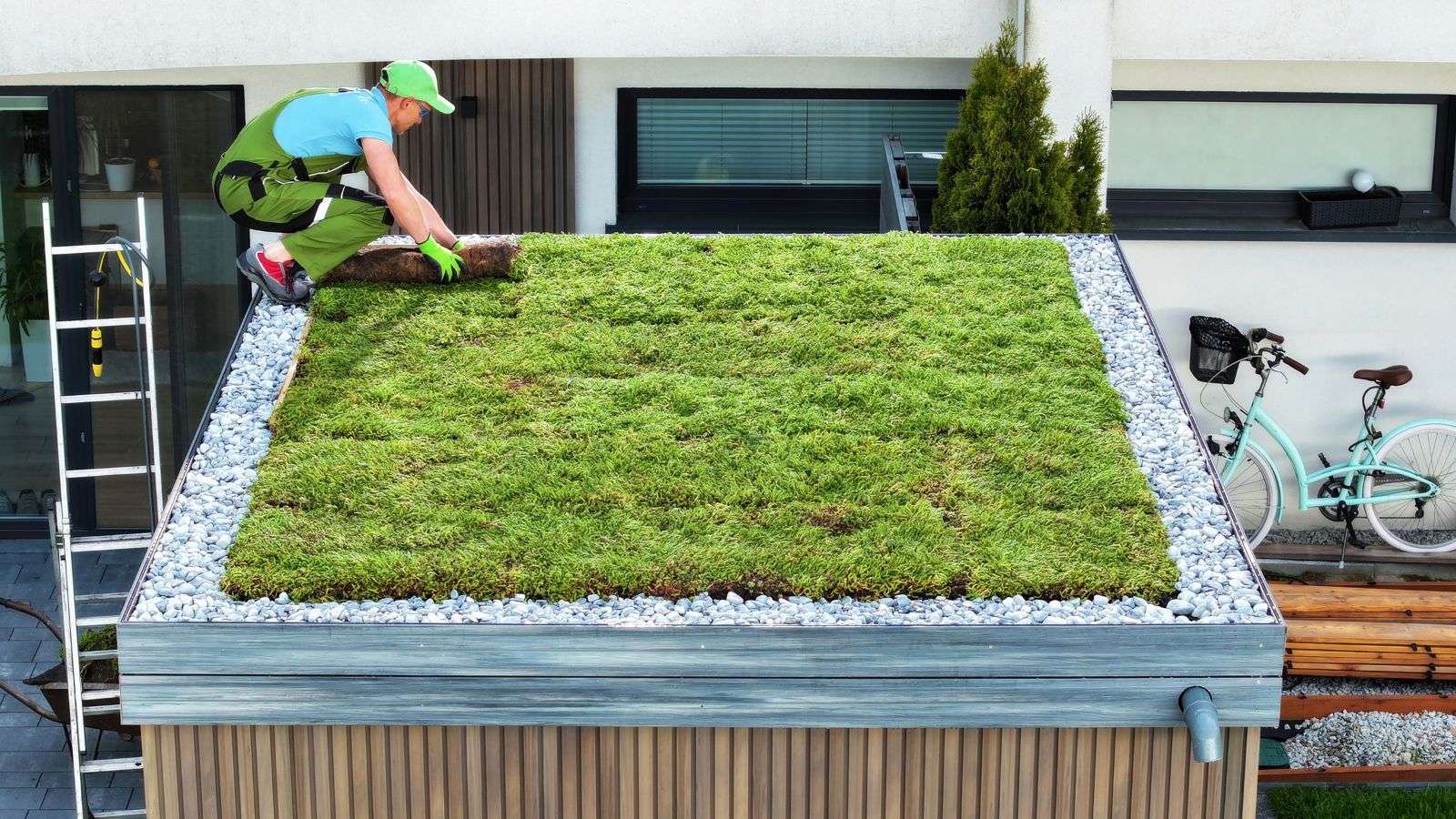
Unveiling the importance of embracing green technology and the enhancement of urban environments is a topic of rising interest worldwide. Innovative solutions like green roofs become more significant as we become more aware of the damage that rapid urbanization causes.
In this article, we begin an exploratory journey into the world of green roofs. Delving into their impact, we learn why they are not just beneficial but absolutely essential for sustainable urban infrastructure.
10 Reasons green roofs are essential for sustainable urban infrastructure
1. Improved air quality
Green roofs play a vital role in improving air quality in urban areas. By absorbing carbon dioxide and releasing oxygen through photosynthesis, green roofs help to reduce the levels of harmful pollutants and greenhouse gases in the air. The vegetation on green roofs acts as a natural filter, trapping dust particles and other pollutants, resulting in cleaner and healthier air for everyone.
2. Enhanced stormwater management
One of the key benefits of green roofs is their ability to manage stormwater effectively. The vegetation and soil on green roofs act as a sponge, absorbing rainwater and reducing stormwater runoff. This helps to alleviate strain on urban drainage systems during heavy rainfall events, reducing the risk of flooding and sewer overflows. By mitigating stormwater runoff, green roofs contribute to a more sustainable and resilient urban infrastructure.
3. Urban heat island mitigation
Urban heat islands are areas within cities that experience significantly higher temperatures than their surrounding rural areas. Green roofs help mitigate this heat island effect by providing shade, evapotranspiration, and insulation. By absorbing solar radiation and releasing it as latent heat through evaporation, green roofs can significantly reduce surface temperatures and help create a cooler microclimate within urban areas.
4. Biodiversity promotion
Green roofs provide an opportunity to create additional habitats for various plant and animal species in urban environments. By incorporating native and pollinator-friendly plant species, green roofs can support biodiversity by attracting birds, bees, butterflies, and other beneficial insects. This can help to restore ecological balance in cities and provide a refuge for wildlife amidst the concrete jungle.
5. Energy efficiency
Green roofs contribute to the energy efficiency of buildings by providing insulation. The vegetation and soil layer act as a natural barrier against heat loss in winter and heat gain in summer. This can lead to reduced energy consumption for heating and cooling, resulting in lower carbon emissions and energy costs. Incorporating green roofs into urban infrastructure can thus contribute to a more sustainable and environmentally friendly built environment.
6. Noise reduction
Living in a noisy urban environment can be challenging, but green roofs can help alleviate this issue. The vegetation on green roofs acts as a sound barrier, absorbing and deflecting noise from traffic, construction, and other urban activities. By reducing noise pollution, green roofs create a more peaceful and pleasant living environment for residents.
7. Improved mental health and well-being
Spending time in nature has been proven to have positive effects on mental health and well-being. Green roofs provide urban dwellers with access to green spaces without the need to leave the city. These rooftop gardens offer opportunities for relaxation, recreation, and even urban farming. In an urban setting, being close to nature can help to lower stress, boost mood, and improve overall well-being.
8. Extended roof lifespan
The installation of a green roof can extend the lifespan of the underlying roof membrane by protecting it from harmful ultraviolet (UV) radiation, temperature fluctuations, and physical damage. The soil and vegetation layer serve as a shield, reducing the damage that weathering and exposure to the elements cause to the roof membrane. This can result in significant cost savings over time by reducing the need for frequent roof repairs or replacements.
9. Social spaces and community engagement
Green roofs can serve as valuable social spaces within urban areas, fostering community engagement and interaction. Rooftop gardens can be used for social gatherings, cultural events, or simply as peaceful retreats where people can connect with nature and each other. By creating these shared spaces, green roofs contribute to a sense of community and strengthen social ties among residents.
10. Aesthetically pleasing urban landscapes
Last but not least, green roofs enhance the aesthetic appeal of urban landscapes. The vibrant greenery on rooftops adds beauty and visual interest to otherwise monotonous concrete jungles. Green roofs can transform dull rooftops into lush gardens or vibrant ecosystems, making cities more visually appealing and improving the overall quality of urban life.
Grasping the concept and design of a green roof
Green roofs are innovative and sustainable architectural features that involve the installation of vegetation and soil layers on the rooftops of buildings. They offer numerous benefits, including improved air quality, enhanced stormwater management, urban heat island mitigation, biodiversity promotion, energy efficiency, noise reduction, improved mental health and well-being, extended roof lifespan, social spaces for community engagement, and aesthetically pleasing urban landscapes.
Green roofs act as natural filters, absorbing carbon dioxide and releasing oxygen while also trapping dust particles and pollutants. They help manage stormwater by absorbing rainwater and reducing runoff, reducing the risk of flooding. Green roofs mitigate the urban heat island effect by providing shade and evapotranspiration. They support biodiversity by attracting native plants and beneficial insects, creating habitats for wildlife.
With their insulation properties, green roofs contribute to energy efficiency and lower carbon emissions. They also act as sound barriers, reducing noise pollution in urban areas. Green roofs provide access to green spaces within cities, positively impacting mental health and well-being. By protecting roof membranes from UV radiation and physical damage, they extend the lifespan of roofs.
Green roofs can serve as social spaces, fostering community engagement. Finally, they enhance the visual appeal of urban landscapes by transforming rooftops into vibrant gardens or ecosystems.
Illuminate on the effect of green roofs on urban heat islands
Green roofs play a significant role in mitigating the urban heat island effect, which refers to the phenomenon where cities experience higher temperatures compared to their surrounding rural areas. By incorporating vegetation and soil layers on rooftops, green roofs provide several mechanisms that help reduce surface temperatures.
First of all, the plants on green roofs provide shade, reducing direct solar radiation and lowering the temperature of the underlying roof surface. Second, through the process of evapotranspiration, green roofs release moisture into the atmosphere, resulting in a cooling effect similar to that of natural vegetation. This evaporation process helps dissipate heat energy and reduces the overall ambient temperature. Finally, the insulation properties of green roofs prevent heat transfer into buildings, reducing the need for air conditioning and further contributing to temperature moderation.
Highlighting the role of green roofs in urban biodiversity
- Habitat creation: Green roofs provide an opportunity to create additional habitats for various plant and animal species in urban environments. The vegetation on green roofs, such as native plants, provides food and shelter for insects, birds, and other small animals.
- Pollinator support: By incorporating pollinator-friendly plant species, green roofs can attract bees, butterflies, and other beneficial insects. These pollinators play a big role in urban biodiversity, aiding in the reproduction of plants and promoting a healthy ecosystem.
- Species diversity: Green roofs contribute to urban biodiversity by introducing a variety of plant species that may not typically thrive in urban environments. This diversity enhances ecological balance and resilience, creating a more robust and self-sustaining ecosystem.
- Connectivity: Green roofs can serve as green corridors, providing connectivity between fragmented green spaces in urban areas. This connectivity allows for the movement of wildlife, facilitates gene flow, and promotes genetic diversity among populations.
- Microhabitats: The different layers of a green roof, including soil, vegetation, and substrate materials, create microhabitats that support a range of organisms. These microhabitats offer niches for various plant species, insects, spiders, and even small mammals.
- Stormwater biodiversity: Green roofs contribute to the management of stormwater runoff, reducing its impact on urban waterways. By retaining and filtering rainwater, green roofs create mini-aquatic habitats on rooftops, fostering the growth of moisture-loving plants and providing a breeding ground for small aquatic organisms.
- Education and awareness: Green roofs can serve as educational tools, raising awareness about urban biodiversity and the importance of ecological conservation. They provide opportunities for researchers, students, and the public to study and appreciate the biodiversity that can thrive within cities.
- Ecosystem services: The presence of diverse plant species on green roofs helps enhance ecosystem services such as carbon sequestration, oxygen production, and air purification. These services have a positive impact on the overall environmental health of urban areas.
- Resilience to climate change: By supporting biodiversity, green roofs contribute to the resilience of urban ecosystems in the face of climate change. A diverse ecosystem is better equipped to adapt to environmental stresses and disturbances, ensuring the long-term sustainability of urban biodiversity.
- Visual appeal: Beyond their ecological benefits, green roofs also enhance the visual appeal of urban landscapes. The vibrant greenery adds beauty and diversity to the concrete jungle, improving the aesthetic experience for residents and visitors alike.
Considering how green roofs contribute to stormwater management,
Green roofs play a major role in stormwater management in urban areas. The vegetation and soil layers on green roofs act as natural sponges, absorbing rainfall and reducing stormwater runoff.
This absorption process helps to alleviate the strain on urban drainage systems during heavy rainfall events, reducing the risk of flooding and sewer overflows. By retaining rainwater, green roofs also contribute to groundwater recharge, replenishing local water sources. The vegetation on green roofs facilitates evapotranspiration, which is the combined process of evaporation from the soil and transpiration from plants.
This evapotranspiration helps to further reduce stormwater runoff by releasing moisture into the atmosphere. In this way, green roofs not only provide a sustainable solution to stormwater management but also contribute to the overall resilience and sustainability of urban infrastructure.
Improving urban air quality with green roofs
Green roofs have a significant impact on improving urban air quality. The vegetation on green roofs helps absorb carbon dioxide through photosynthesis and release oxygen into the atmosphere. This process helps to reduce the levels of harmful pollutants and greenhouse gases in urban areas, contributing to cleaner and healthier air for residents.
The vegetation on green roofs acts as a natural filter, trapping dust particles and other pollutants from the air. By capturing and retaining these pollutants, green roofs help to mitigate air pollution, thereby reducing the negative health impacts associated with poor air quality. Implementing green roofs in urban areas can contribute to creating a more sustainable and healthier living environment for communities, promoting the well-being of both humans and the surrounding ecosystem.
Assessing how green roofs add to energy efficiency
Green roofs make a significant contribution to energy efficiency in urban areas. The vegetation and soil layers on green roofs act as natural insulation, reducing heat transfer between the building and the external environment.
In warmer months, green roofs provide shading, reducing the amount of direct sunlight that reaches the roof surface and subsequently lowering cooling demands. This can lead to reduced energy consumption for air conditioning, resulting in lower carbon emissions and energy costs.
Green roofs’ additional insulation helps to reduce heat loss from the building during the colder months, which lowers the need for heating. By reducing the need for artificial heating and cooling, green roofs contribute to overall energy savings and promote a more sustainable built environment. Green roofs can help mitigate the urban heat island effect, further reducing the need for excessive cooling measures in densely populated areas.
Understand the sound insulation benefit provided by green roofs
Green roofs provide significant sound insulation benefits due to their ability to absorb and dampen sound waves. The layers of plants, soil, and other materials in a green roof act as a barrier, reducing external noise from reaching the building interior.
The plants themselves absorb and deflect sound, while the soil and other materials within the roof structure help to further dampen noise. This can be particularly beneficial in urban areas where green roofs can help mitigate the impact of noise pollution from traffic, construction, and other sources, creating a more peaceful and comfortable indoor environment.
Compared to traditional non-green roofs, green roofs offer superior sound insulation due to their unique composition. The vegetation, soil, and additional layers in green roofs effectively absorb and block sound waves, reducing the transmission of external noise into the building. Also, traditional non-green roofs, composed of materials like concrete, metal, or asphalt, provide limited sound insulation and can allow more noise to penetrate into the building interior.
Green roofs can reduce sound insulation by up to 40 decibels compared to regular, non-green roofs. The unique composition of green roofs, including the vegetation, soil, and additional layers, effectively absorbs and blocks sound waves, providing a significant reduction in the transmission of external noise into the building interior. This substantial reduction in noise pollution makes green roofs an excellent choice for improving acoustic comfort in urban and densely populated areas.
Green roofs as a means to enhance urban aesthetics and recreation
Green roofs have a transformative impact on urban aesthetics, enhancing the visual appeal of cities and creating more inviting and vibrant urban landscapes. The introduction of lush vegetation and greenery on rooftops adds a touch of nature to the concrete jungle, bringing a sense of serenity and beauty to the built environment.
The sight of rooftop gardens and thriving plant life can significantly improve the overall aesthetic experience for residents and visitors. Moreover, green roofs provide valuable spaces for recreation and leisure within urban areas. These rooftop gardens can be utilized as social gathering spots, offering opportunities for relaxation, picnics, or even urban farming. They serve as oases amidst the hustle and bustle of city life, providing a peaceful retreat where people can connect with nature and enjoy outdoor activities.
Discussing the societal and economic impacts of green roofs
- Improved public health: Green roofs have positive societal impacts by contributing to improved public health. The presence of green spaces in urban areas has been linked to reduced stress levels, improved mental well-being, and increased physical activity. Green roofs provide accessible green spaces that promote relaxation, recreation, and opportunities for exercise, thereby enhancing the overall quality of life for urban dwellers.
- Increased property values: The incorporation of green roofs in urban areas can lead to increased property values. Green roofs enhance the aesthetic appeal of buildings, making them more attractive to potential buyers or tenants. Green roofs offer energy efficiency benefits, such as reduced heating and cooling costs, which can further increase property values and attract environmentally conscious individuals interested in sustainable living.
- Job creation: The adoption of green roofs can stimulate job creation and economic growth. The installation, maintenance, and management of green roofs require specialized skills and expertise, leading to employment opportunities in various sectors such as landscaping, horticulture, architecture, and construction. Moreover, the development of green roof technologies and services can foster innovation and entrepreneurship, contributing to a thriving green economy.
- Reduced urban heat island costs: Green roofs help mitigate the urban heat island effect, reducing the need for excessive cooling measures in densely populated areas. By lowering energy consumption for air conditioning, green roofs can result in cost savings for both individuals and municipalities. This reduction in energy demand can also alleviate strain on the power grid during peak usage periods, potentially minimizing infrastructure investments and associated costs.
- Community engagement and social cohesion: Green roofs can serve as communal spaces that foster community engagement and social cohesion. Rooftop gardens provide opportunities for social gatherings, cultural events, and shared activities. These spaces create a sense of belonging and strengthen social ties among residents, contributing to a more connected and inclusive community.
- Environmental education: Green roofs offer an educational platform for raising awareness about environmental sustainability and ecological conservation. They provide opportunities for schools, organizations, and the public to learn about urban biodiversity, sustainable living practices, and the importance of green infrastructure. Through educational programs and workshops, green roofs can empower individuals to become active stewards of their environment.
- Climate change adaptation: Green roofs contribute to climate change adaptation by enhancing the resilience of urban areas. The thermal insulation properties of green roofs help regulate temperature extremes, reducing the energy demands associated with heating and cooling. Green roofs mitigate stormwater runoff, reducing the risk of flooding and enhancing overall urban water management strategies. By adapting to climate change impacts, cities can minimize infrastructure damage and associated repair costs.
- Tourism and recreational opportunities: Green roofs can attract tourists and visitors who appreciate sustainable urban environments. Rooftop gardens provide unique recreational spaces that offer panoramic views of the cityscape while being immersed in nature. The presence of green roofs can distinguish a city as forward-thinking and environmentally conscious, attracting eco-tourism and promoting economic benefits from increased tourism activities.
- Reduction in urban noise pollution: Green roofs act as natural sound barriers that help reduce urban noise pollution. The vegetation on green roofs absorbs and deflects noise from traffic, construction, and other urban activities, creating a more peaceful living environment for residents. This reduction in noise pollution can have positive impacts on health, well-being, and overall quality of life.
- Carbon sequestration: Green roofs contribute to carbon sequestration by absorbing carbon dioxide through photosynthesis. This helps offset greenhouse gas emissions in urban areas, leading to a reduction in carbon footprints. The environmental benefits of carbon sequestration contribute to global efforts to mitigate climate change and create a more sustainable future.
Are green roofs the future of sustainable urban infrastructure?
Green roofs represent a promising and integral component of the future of sustainable urban infrastructure. Their multifaceted benefits, including improved air quality, stormwater management, energy efficiency, urban heat island mitigation, biodiversity promotion, and societal and economic impacts, position them as innovative solutions for addressing the complex challenges of urbanization and climate change.
As cities continue to grapple with environmental pressures and strive for more livable, resilient, and environmentally conscious urban environments, the integration of green roofs is increasingly recognized as a practical and effective strategy. Their capacity to enhance urban aesthetics, promote public health, support local economies, and contribute to climate change adaptation underscores their potential to shape the future of sustainable urban development.
By embracing green roofs as a key element of urban planning and design, cities can aspire to create more harmonious and sustainable living spaces that prioritize the well-being of both residents and the environment.