
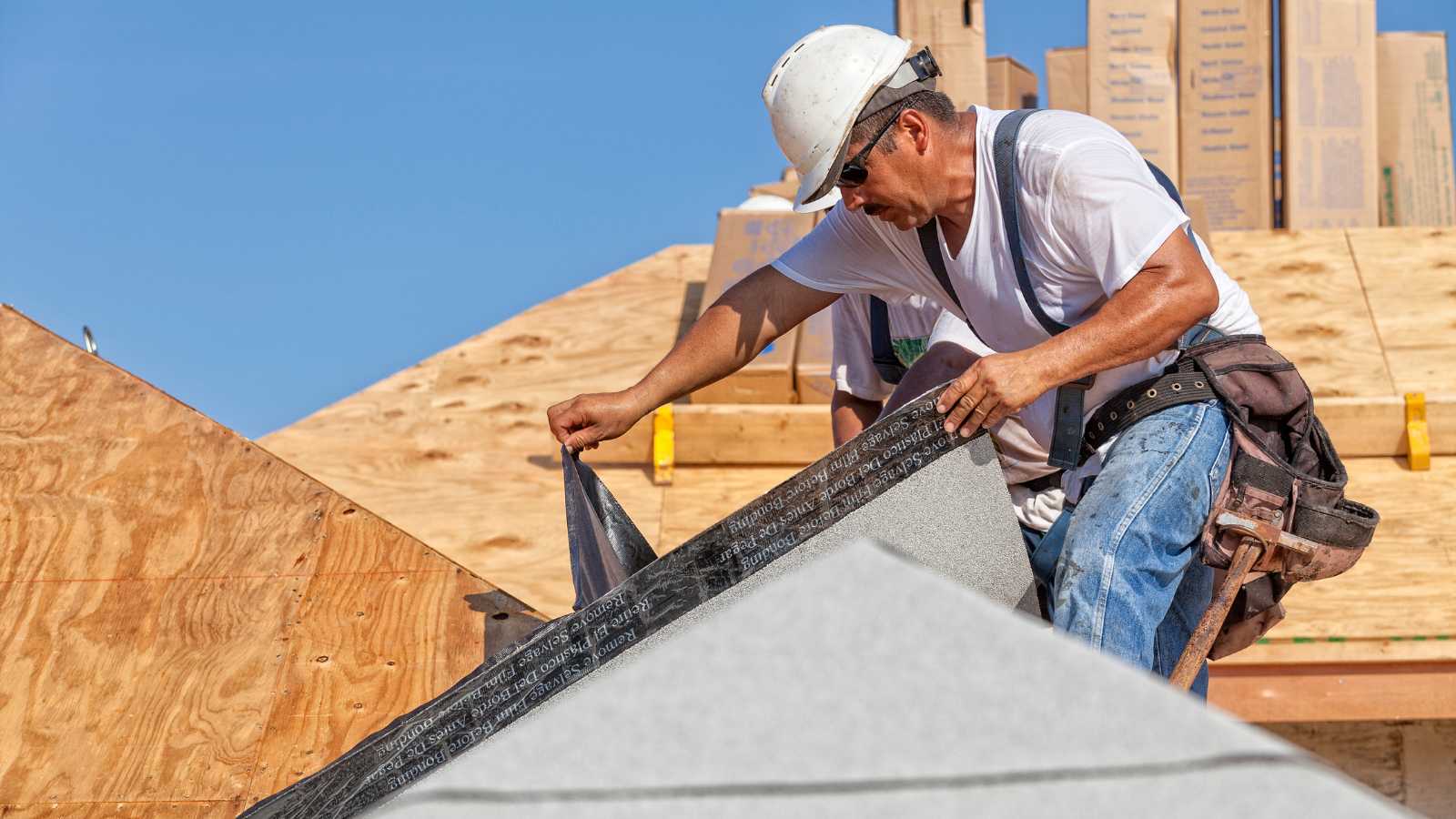
Good roofing isn’t just about the shingles that everyone sees; it’s about the layers you don’t see that truly protect your home. The right roof underlayment can significantly reduce the rate at which a roof depreciates, conserving your home’s integrity and value over time. In this article, we’ll explore why choosing the appropriate roof underlayment is essential for your home’s longevity and how it can prevent costly damages.
Importance of Appropriate Roof Underlayment in Reducing Depreciation
Proper roof underlayment is crucial in reducing depreciation by providing an additional layer of protection against external elements, such as rain, snow, and wind. This secondary barrier helps prevent water infiltration into the underlying structure, reducing the risk of leaks, rot, and mold growth. Studies have shown that homes with quality underlayment experience fewer instances of roof damage and require fewer repairs over time, ultimately preserving the home’s value and integrity.
Choosing the right underlayment can enhance the durability of the entire roofing system by distributing weight more evenly and offering increased resistance to tears and punctures. This added reinforcement not only prolongs the lifespan of the roof but also reduces the likelihood of structural damage caused by foot traffic or other loads.
5 Key Benefits of Choosing the Right Underlayment
1. Enhanced Weather Protection
Choosing the right underlayment significantly enhances weather protection for your roof. This additional barrier acts as a shield against water infiltration during rain, snow, and other weather events, reducing the risk of leaks and structural damage. To maximize this benefit, consider selecting underlayment materials that offer superior water resistance and are compatible with your roofing system for optimal performance and longevity.
2. Improved Moisture Management
The correct underlayment helps manage moisture within the attic space by acting as a vapor barrier, preventing condensation buildup on the underside of the roof deck. To ensure effective moisture management, it’s essential to properly install the underlayment according to manufacturer guidelines, sealing any gaps or overlaps to maintain a consistent barrier against internal moisture. Regular inspections and maintenance can also help identify and address any issues that may compromise moisture control.
3. Enhanced Durability and Longevity
Quality underlayment materials provide an additional layer of reinforcement for the roofing system, distributing weight more evenly and offering increased resistance to tears and punctures. If you choose durable underlayment that goes with your roof’s materials, you can make it last longer and avoid having to fix or replace it as often. Buying an underlayment that lasts a long time can save you money in the long run and help keep your home’s structure strong.
4. Energy-Efficient Thermal Insulation
Certain types of underlayment, such as synthetic or rubberized materials, offer thermal insulation properties that can improve energy efficiency and comfort within your home. These underlayments help lower heating and cooling costs all year by stopping heat from transferring through the roof. This makes them a good investment for people who want to make their homes more energy efficient. For the best results, when choosing an underlayment for thermal insulation, think about things like R-value and how well it works with the insulation you already have.
5. Noise Reduction and Comfort
In addition to providing weather protection and thermal insulation, underlayment can help reduce noise transmission from external sources like rain, hail, or wind. This noise reduction contributes to a quieter and more peaceful indoor environment, enhancing overall comfort and livability in your home. To further improve sound dampening, choose underlayment materials specifically designed to minimize noise impact and make sure proper installation techniques are used to maximize their effectiveness in creating a serene living space.
What Is Roof Underlayment and Why Is It Important?
roof underlayment is a protective barrier installed between the roof deck and the roofing material to enhance waterproofing and weather resistance. It serves as a secondary defense against moisture infiltration, helping to prevent leaks, mold growth, and structural damage. Studies have shown that proper underlayment can extend the lifespan of a roof by reducing the risk of water damage and enhancing overall durability.
The importance of roof underlayment lies in its ability to provide an additional layer of protection for the entire roofing system. Underlayment helps keep the roof structure and materials below it in good shape by protecting them from things like rain, snow, and wind-blown storm debris. Underlayment helps save energy by insulating against heat loss, which can make a home more comfortable and environmentally friendly. The key to making sure that the underlayment protects the roof against water damage and improves the long-term performance of the roofing system is to install it correctly.
How Does Underlayment Material Affect Roof Longevity?
The choice of underlayment material significantly impacts the longevity of a roof by influencing its durability, weather resistance, and overall performance. High-quality underlayment materials, such as synthetic or rubberized options, can enhance the lifespan of a roof by providing superior protection against moisture infiltration, UV exposure, and physical damage. Research has shown that roofs with durable underlayment materials tend to require fewer repairs and replacements over time, leading to increased longevity and cost savings for homeowners.
Choosing the right underlayment material can affect how well the roof keeps heat in and out, which can shorten or lengthen its life. Materials that are good at insulating against heat help keep rooms at the right temperature and lower the cost of heating and cooling. This makes the roofing system more durable and long-lasting. Homeowners can improve the structural integrity of their roof and make it last longer by choosing underlayment materials that work with the design of the roof and the weather. The underlayment needs to be properly maintained and inspected on a regular basis to make sure it keeps working well and helps the roof last for a long time.
Incorporating Big Home Projects into Your Roofing Strategy
When incorporating Big Home Projects into your roofing strategy, it’s essential to leverage the extensive directory of contractors available for various services like roofing, carpentry, landscaping, and more. Utilizing the platform’s tools, homeowners can connect with reputable contractors who have a history of doing good work and keeping customers happy. This can make the project go more smoothly, make it more efficient, and lead to better results for roofing repairs or installations.
Big Home Projects has useful information about businesses and customer reviews that can help people choose the best roofing contractor for their needs. Homeowners can make decisions that fit their budget and expectations by looking at things like deals, discounts, experience, and credentials that have been checked out. Working with contractors on Big Home Projects not only guarantees that you will be able to find skilled workers, but it also encourages openness, responsibility, and dependability throughout the roofing process. Using the platform’s services as part of your roofing plan will make it easier to choose a contractor, improve project results, and make your roofing projects more successful overall.
The Financial Impact of Skimping on Quality Underlayment
Skimping on quality underlayment can have a significant financial impact on homeowners in the long run. While opting for cheaper or inferior underlayment materials may seem like a cost-saving measure initially, it can lead to higher expenses due to increased maintenance, repairs, and premature roof replacements. Studies have shown that investing in high-quality underlayment upfront can result in lower overall costs over the lifespan of the roof, as it reduces the likelihood of water damage, leaks, and structural issues that require costly interventions.
If you choose a bad underlayment, it can affect how well and efficiently the roofing system works, which can cause your utility bills to go up and your comfort level to drop. If you don’t use good underlayment, your floors might not be properly insulated against heat loss and gain in the winter and summer. This can put a strain on your HVAC systems and make you use more energy. When choosing underlayment materials, homeowners can avoid the financial problems that come with skimping on important parts of their roof and make sure that their home will last for a long time by putting quality over cost.
Reducing Future Roof Repair Costs with Superior Underlayment
Investing in superior underlayment can significantly reduce future roof repair costs by providing enhanced protection against moisture infiltration, weather damage, and wear and tear. High-quality underlayment materials offer increased durability and resistance to tears, punctures, and other forms of damage, which can help prevent the need for frequent repairs and replacements. Studies have shown that roofs with superior underlayment experience fewer instances of leaks, structural issues, and premature deterioration, leading to lower maintenance expenses over time.
Higher-quality underlayment makes the whole roofing system last longer by spreading weight more evenly, keeping water out better, and insulating better against heat loss, which saves energy. By putting quality underlayment first when installing or fixing a roof, homeowners can lower the risk of expensive damage and make their roofs last longer. Residents can save money and have peace of mind in the long run by selecting underlayment materials that meet the needs of their roof’s design, the climate, and their location. This is because they will not need as many repairs and their home will be structurally sound.
Navigating the Various Types of Underlayment Available
Navigating the various types of underlayment available can be a crucial aspect of ensuring the longevity and performance of your roofing system. Common types of underlayment include asphalt-saturated felt, synthetic materials like polyethylene or polypropylene, and rubberized options that offer enhanced durability and weather resistance. Each type of underlayment comes with its own set of features, benefits, and installation requirements, making it essential for homeowners to consider factors such as climate, roof design, and budget when selecting the most suitable option for their needs.
Asphalt-saturated felt underlayment, also known as roofing felt, is a traditional choice that provides reliable waterproofing and protection for roofs. Synthetic underlayment materials offer increased strength, longevity, and resistance to mold and UV exposure compared to traditional felt underlayment. Rubberized underlayment options, such as EPDM or butyl-based products, provide superior durability, flexibility, and resistance to tears and punctures, making them ideal for challenging weather conditions or high-traffic areas. Understanding the characteristics and advantages of each type of underlayment can help homeowners make informed decisions that align with their specific roofing requirements and long-term goals for their property.
Trust and Verification: How Big Home Projects Assists Homeowners
Big Home Projects plays a pivotal role in assisting homeowners by providing trust and verification through its platform. People can use the platform to find service providers for home improvement projects. It helps them make smart choices by showing business highlights, customer reviews, and verified contractor credentials. This way of building trust encourages openness, dependability, and responsibility in the relationship between the contractor and the homeowner. This makes the project go more smoothly and makes the homeowner happier overall.
People who use Big Home Projects can trust the contractors who are listed because the company puts a lot of emphasis on background checks, insurance verification, and licensing information. The platform helps reduce the risks of hiring service providers who aren’t qualified or trustworthy by making sure that contractors meet certain standards for professionalism and trustworthiness. This focus on trust and verification not only protects homeowners from possible scams or poor work, but it also creates a safe and positive space for homeowners to connect with trustworthy contractors who put quality, honesty, and customer satisfaction first.