
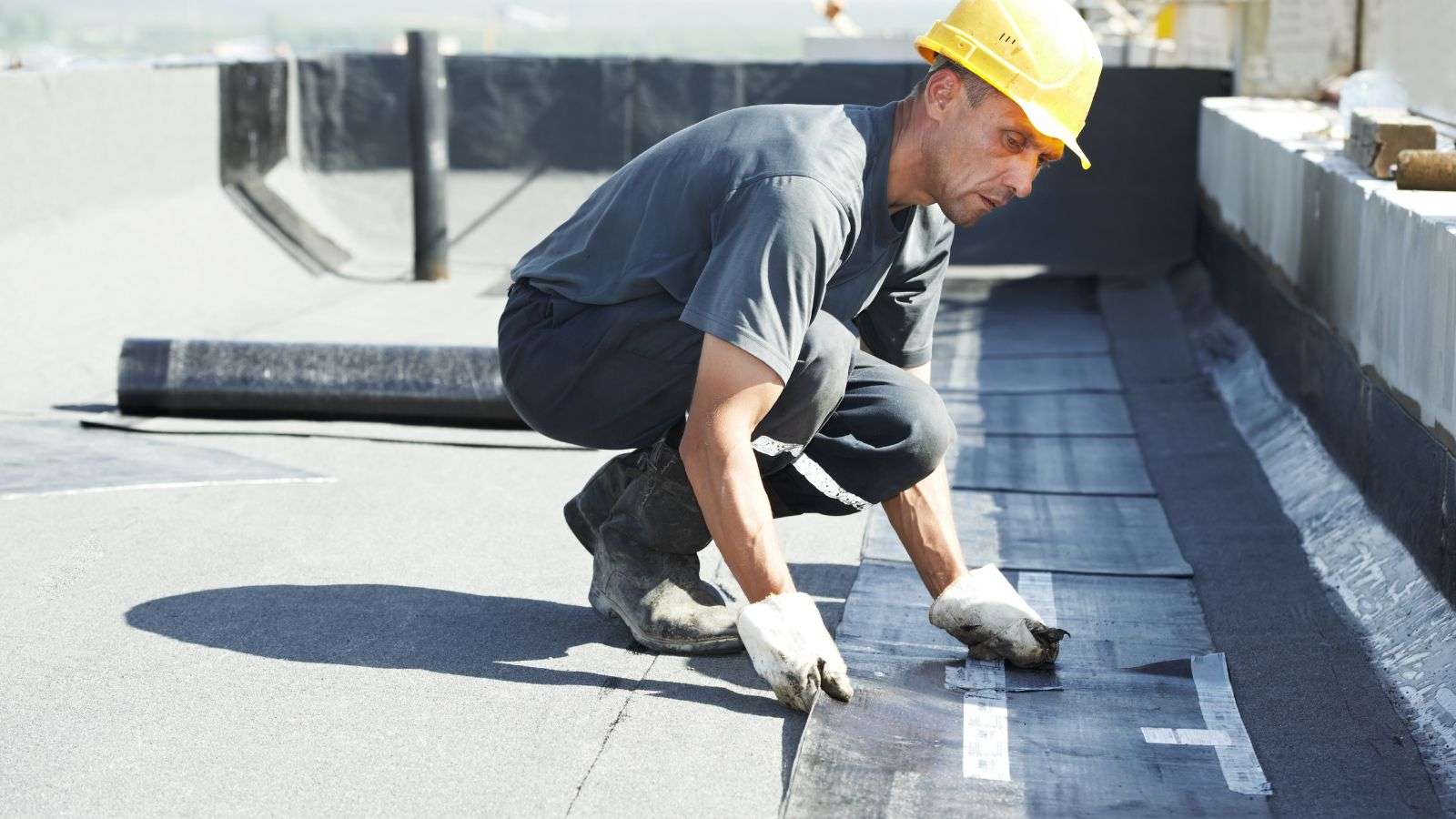
Understanding ways to increase the value of your home is crucial for every homeowner. Roof waterproofing is a commonly overlooked, yet highly effective, method of enhancing the worth of your residential property.
In this article, we’ll walk you through why roof waterproofing is vital, explore diverse techniques, and dive into the 5 waterproofing techniques that increase your home value.
What makes roof waterproofing important?
Roof waterproofing is important because it helps protect the building from water damage. A waterproof roof prevents water from seeping through and causing structural issues such as leaks, mold growth, and rotting of the underlying materials.
It also helps to maintain the integrity of the building by preventing water infiltration that can weaken the structure over time. Roof waterproofing helps to prolong the lifespan of the roof itself, reducing the need for frequent repairs or replacements. Overall, it is an essential step in ensuring the durability and longevity of a building.
5 Essential roof waterproofing techniques that boost home value
1. Proper surface preparation
Before applying any waterproofing material, it is crucial to prepare the roof surface appropriately. This includes cleaning the roof thoroughly and removing any debris, dirt, or loose materials. Inspect the roof for any cracks, gaps, or damaged areas that need to be repaired. Proper surface preparation helps with a smooth and even application of the waterproofing material, maximizing its effectiveness and longevity.
2. Quality waterproofing membrane
Choosing a high-quality waterproofing membrane is essential for long-lasting protection. Look for membranes that are specifically designed for your roofing material and climate conditions. A durable and flexible membrane will provide excellent resistance against water penetration and withstand various weather elements. You have to consult with a professional to determine the most suitable membrane for your specific roof type.
3. Adequate drainage system
An often overlooked aspect of roof waterproofing is ensuring a proper drainage system. Efficient gutters and downspouts are crucial in directing water away from the roof’s surface and foundation. Regularly clean and maintain the gutters to prevent clogging and make sure water flows freely. Consider installing gutter guards to prevent leaves and debris from accumulating. Adequate drainage helps to prevent water buildup on the roof, reducing the risk of leaks and water damage.
4. Seamless application
To achieve optimal waterproofing results, it is important to guarantee a seamless application of the chosen waterproofing material. Pay attention to details, such as overlapping seams and joints, to create a continuous barrier against water intrusion. Properly seal all edges, corners, and penetrations to avoid potential weak points where water can seep through. Taking the time to achieve a seamless application will significantly enhance the effectiveness of the waterproofing system.
5. Regular maintenance and inspections
Even with proper waterproofing techniques in place, regular maintenance and inspections are crucial to identifying any potential issues early on. Schedule regular roof inspections by professionals to detect any signs of damage or wear. Promptly address any repairs or maintenance needs to prevent water from penetrating the roof and causing further damage. Keep an eye out for any vegetation growth on the roof, as it can compromise the effectiveness of the waterproofing system.
Getting to know the basics of roof waterproofing
- Understanding your roofing material: The first step in roof waterproofing is to understand the type of roofing material you have. Different materials require different waterproofing techniques and products. Asphalt shingles, metal roofs, concrete tiles, and flat roofs all have specific considerations that need to be taken into account.
- Identifying vulnerable areas: Inspect your roof to identify vulnerable areas where water can potentially penetrate. Look for cracks, gaps, damaged shingles, or loose flashing around chimneys, skylights, vents, and other penetrations. Identifying these areas will help you focus on targeted waterproofing solutions.
- Cleaning and repairing the roof: Before applying any waterproofing materials, make sure your roof is clean and in good condition. Remove debris, moss, and algae growth. Repair any damaged or deteriorated areas, such as cracked tiles or loose shingles. A clean and well-maintained roof provides a solid foundation for the waterproofing process.
- Choosing the right waterproofing system: There are various types of waterproofing systems available, such as liquid-applied membranes, sheet membranes, or spray-on coatings. Research and consult with professionals to determine which system is best suited for your roof type, climate conditions, and budget. Each system has its advantages and application methods that need to be considered.
- Proper application techniques: Follow the manufacturer’s instructions and recommended application techniques for the chosen waterproofing system. This may include using primers, applying multiple coats, or using specific tools for proper coverage. Take your time and make sure the waterproofing material is evenly applied and adequately covers all vulnerable areas.
- Ensuring proper ventilation: Proper ventilation is essential for maintaining a healthy roof and preventing moisture buildup. Poor ventilation can lead to condensation and trapped moisture in the roof structure, compromising the effectiveness of waterproofing. Make sure your roof has proper ventilation in place or consider installing vents to improve airflow.
- Regular maintenance: Once your roof is waterproofed, regular maintenance is crucial to keeping it in optimal condition. Regularly inspect your roof for any signs of damage or wear, such as cracked coatings or missing shingles. Clean gutters and downspouts to prevent clogging and ensure proper water drainage. Promptly address any repairs or maintenance needs to maintain the integrity of the waterproofing system.
Analyzing the cost and value of roof waterproofing
Analyzing the cost and value of roof waterproofing involves considering both the upfront investment and the long-term benefits. While the cost of roof waterproofing can vary depending on factors such as the size of the roof, the chosen waterproofing system, and any necessary repairs, it is important to view it as an investment rather than just an expense.
Waterproofing your roof can help prevent costly water damage repairs and extend the lifespan of your roof, potentially saving you money in the long run. A waterproofed roof adds value to your property, as it provides peace of mind to potential buyers and demonstrates that the roof is well-maintained.
Does roof waterproofing improve your property’s resale value?
Yes, roof waterproofing can improve your property’s resale value. A properly waterproofed roof provides assurance to potential buyers that the property is well-maintained and protected against water damage. This can be a significant selling point, as a waterproofed roof helps to prevent issues such as leaks, mold growth, and structural damage, which can be costly to repair.
A waterproofed roof increases the overall durability and longevity of the property, reducing the likelihood of future roof-related expenses for the new owner. By investing in roof waterproofing, you not only enhance the value of your property but also attract potential buyers who value the added protection and peace of mind that come with a waterproofed roof.
Is DIY roof waterproofing worth it?
DIY roof waterproofing can be an option for some homeowners, but it is important to carefully consider the scope of the project and your own skill level before deciding to pursue it. While DIY waterproofing may seem cost-effective initially, it carries certain risks. Roof waterproofing requires specialized knowledge, proper techniques, and the use of appropriate materials.
Any mistakes or improper application during the process can result in ineffective waterproofing and potential damage to the roof. Some waterproofing systems may require specific tools or equipment that may not be readily available to DIYers. It is crucial to weigh the potential savings against the potential risks and long-term consequences.
In many cases, consulting with a professional roofing contractor who has expertise in waterproofing can provide better results, ensuring that the job is done correctly and maximizing the effectiveness of the waterproofing system. Their experience and knowledge can help identify any underlying issues and recommend the most suitable waterproofing solutions for your specific roof type and conditions.
Differences between professional and DIY waterproofing techniques
| Aspects | Professional Waterproofing | DIY Waterproofing |
|---|---|---|
| Expertise | Highly skilled professionals who specialize in waterproofing techniques. | Relies on personal knowledge and research. May lack specialized expertise. |
| Quality of Work | Professionals have the experience and knowledge to ensure proper application and effective results. | Results may vary depending on individual skills and understanding of waterproofing techniques. |
| Tools and Equipment | Equipped with specialized tools and equipment for efficient and precise application. | Relies on personal tools, which may not be suitable for all waterproofing methods. |
| Material Selection | is familiar with a wide range of waterproofing materials and can recommend the most suitable for specific needs. | Limited knowledge of available materials and their compatibility with the roof type. |
| Warranty and Guarantees | They often offer warranties or guarantees on their work, providing peace of mind to the homeowner. | There are no formal warranties or guarantees, leaving the responsibility solely on the DIYer. |
| Time and Efficiency | Efficient in completing the job within a reasonable timeframe due to experience and proper planning. | It may take longer to complete the project, especially for inexperienced individuals. |
| Safety | Trained in safety protocols to minimize risks during the waterproofing process. | DIYers may not have the same level of safety training, potentially increasing the risk of accidents or injuries. |
From the table, it is evident that professional waterproofing offers several advantages over DIY techniques. Professionals bring specialized expertise, ensuring quality workmanship and effective results. They have access to specialized tools and equipment, which can lead to a more efficient application process. Professionals also possess in-depth knowledge of various materials, allowing them to select the most appropriate option for specific roofing needs. Professional waterproofing often comes with warranties or guarantees, providing added peace of mind to homeowners.
Meanwhile, DIY waterproofing relies on personal skills and resources, which may result in inconsistent outcomes and limited material choices. Safety can also be a concern, as professionals are trained in safety protocols, whereas DIYers may lack the same level of training. Considering these differences, homeowners should carefully evaluate their own capabilities and the importance of quality and long-term effectiveness before deciding between professional or DIY waterproofing methods.
How long do waterproofed roofs last?
The lifespan of a waterproofed roof can vary depending on various factors, such as the quality of the waterproofing materials used, the climate conditions, and the maintenance practices followed. On average, a properly waterproofed roof can last anywhere between 20 and 50 years, or even longer in some cases.
Waterproofing helps to protect the roof from water damage, preventing issues like leaks, mold growth, and structural deterioration. Without proper waterproofing, a roof is more susceptible to water infiltration, leading to faster deterioration and potential damage to the underlying structure. In such cases, the lifespan of an unprotected roof can significantly decrease, with potential issues arising within 10 to 15 years or even sooner in harsh weather conditions.
How to maintain and monitor waterproofed roofs
- Regular inspections: Conduct regular inspections of your waterproofed roof to identify any signs of damage or wear. Look for cracks, gaps, or areas where the waterproofing material may have deteriorated. Inspecting your roof at least twice a year and after severe weather events can help you catch any potential issues early on.
- Keep the roof clean: Regularly clean your roof to remove debris, leaves, and other materials that can accumulate and potentially trap moisture. Use a soft-bristle brush or a leaf blower to gently remove debris without causing damage to the waterproofing material or the roof surface.
- Address repairs promptly: If you notice any signs of damage during your inspections, such as cracks or gaps in the waterproofing material, address them promptly. Repair any damaged areas using appropriate materials or consult with a professional roofer to guarantee that proper repairs are carried out.
- Maintain gutters and downspouts: Clean and maintain your gutters and downspouts regularly to help with proper water drainage from the roof. Clogged gutters can lead to water backup, which can potentially damage the waterproofing system. Remove leaves and debris from gutters and make sure downspouts are clear and directing water away from the roof and foundation.
- Monitor for vegetation growth: Keep an eye out for any vegetation growth on your roof, such as moss or algae. Vegetation can trap moisture and potentially compromise the effectiveness of the waterproofing system. If you notice any growth, clean it off using a gentle solution or consult with a professional for appropriate treatment options.
- Address roof leaks immediately. If you experience a roof leak, address it promptly to prevent water damage and further deterioration of the waterproofing system. Investigate the source of the leak and make necessary repairs or contact a professional roofer to assist with identifying and resolving the issue.
The long-term benefits of roof waterproofing explained
- Prevention of water damage: One of the key long-term benefits of roof waterproofing is the prevention of water damage. Waterproofing creates a protective barrier that prevents water from seeping through the roof and causing issues such as leaks, mold growth, and the rotting of underlying materials. By avoiding water damage, you can maintain the structural integrity of your property and avoid costly repairs or replacements.
- Extended lifespan of the roof: Roof waterproofing helps to extend the lifespan of your roof. By protecting it from water damage, the waterproofing system helps to prevent the premature deterioration and aging of roofing materials. This can result in a longer-lasting roof, reducing the need for frequent repairs or replacements and saving you money in the long run.
- Improved energy efficiency: A properly waterproofed roof can also contribute to improved energy efficiency. By preventing water infiltration, the waterproofing system helps to maintain the insulation properties of the roof. This can lead to better temperature regulation within the building, reducing the load on heating and cooling systems and potentially lowering energy costs.
- Enhanced property value: Roof waterproofing can increase the value of your property. A waterproofed roof provides peace of mind to potential buyers, assuring them that the property is well-maintained and protected against water damage. This can make your property more attractive in the real estate market and potentially result in a higher resale value.
- Protection against harsh weather conditions: Waterproofing your roof provides added protection against harsh weather conditions. Whether it’s heavy rain, snow, or strong winds, a waterproofed roof can withstand these elements more effectively. This protection helps to minimize the risk of damage to your roof and the interior of your property during severe weather events.
- Prevention of health hazards: By preventing water intrusion, roof waterproofing helps to minimize the growth of mold and mildew. These microorganisms thrive in damp environments and can pose health risks to occupants, particularly those with respiratory issues or allergies. Waterproofing your roof contributes to a healthier indoor environment by reducing the risk of mold-related health hazards.