
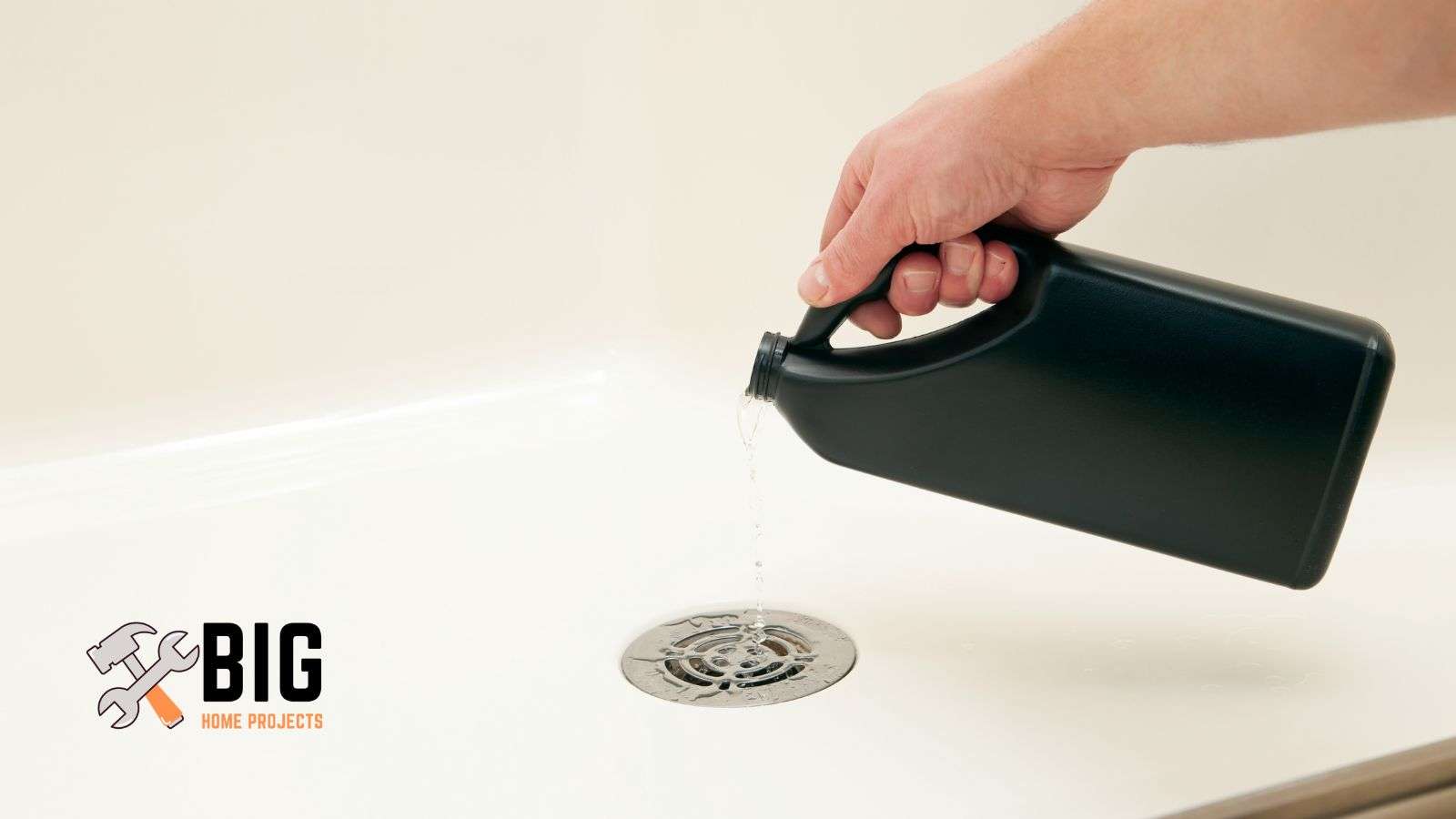
“Can I trust Liquid Plumbr to safely unclog my pipes without causing damage?” This is a question that has crossed the minds of many homeowners.
In this comprehensive guide, we will explore the safety of Liquid Plumbr products for pipes, the risks and benefits of using them, and how to protect your pipes while using these products.
Is Liquid Plumbr safe for pipes?
Liquid Plumbr is generally safe for pipes when used according to the instructions provided.
It is designed to unclog drains by dissolving hair, grease, and other debris that can accumulate over time.
However, it is essential to note that Liquid Plumbr is a powerful chemical product and should be used with caution.
It is crucial to follow the recommended dosage and avoid using excessive amounts, as prolonged exposure or misuse can potentially damage pipes or fixtures.
It is also advisable to avoid using Liquid Plumbr in older or fragile plumbing systems, as the strong chemicals may cause further deterioration.
If in doubt, it is always best to consult a professional plumber to assess the situation and recommend the most suitable course of action.
3 ways to protect your pipes while using Liquid Plumbr
1. Use the recommended amount
Using the recommended amount of Liquid Plumbr is essential to protecting your pipes during the unclogging process.
The instructions provided on the product label are designed to ensure effective results while minimizing the risk of damage.
It is important to follow the recommended dosage for several reasons.
First, the optimal efficacy of Liquid Plumbr is achieved when used in the specified amount.
Excessive use does not necessarily lead to better results and can instead expose your pipes to unnecessary chemicals, potentially causing harm.
Second, using too much Liquid Plumbr can corrode or weaken pipes over time, especially if they are older or made of delicate materials.
Prolonged exposure to the strong chemicals can compromise the integrity of the plumbing system.
Moreover, following the recommended dosage is a cost-effective solution. By using the appropriate amount, you can effectively unclog your drains while maximizing the value of the product.
Using excessive amounts will not provide additional benefits and will require more frequent purchases, resulting in unnecessary expenses.
To ensure proper usage, carefully read the instructions provided by the manufacturer, which specify the recommended amount for different types of clogs and pipe materials.
2. Avoid prolonged exposure
Avoiding prolonged exposure to Liquid Plumbr is crucial for protecting your pipes during the unclogging process.
It is important to limit the contact time between the product and your pipes to prevent potential damage. Here’s why avoiding prolonged exposure is essential:
Extended exposure to Liquid Plumbr can increase the risk of pipe corrosion and deterioration.
While the product is designed to dissolve clogs, prolonged contact can weaken the pipes, especially if they are older or made of fragile materials.
Minimizing the contact time helps to maintain the structural integrity of the pipes and reduce the likelihood of leaks or other plumbing issues.
Rinsing the pipes thoroughly after the recommended contact time is essential to remove any remaining residue.
Flushing the pipes with water helps to dilute and remove the chemical solution, reducing the chances of lingering corrosive effects.
By promptly rinsing the pipes, you minimize the exposure of your plumbing system to the potent chemicals in Liquid Plumbr, preserving its longevity.
3. Protect vulnerable pipes
Protecting vulnerable pipes is crucial, especially if you have older or fragile plumbing systems.
In such cases, it is advisable to consider alternative methods or seek professional advice before using Liquid Plumbr or any strong chemical cleaners.
Older or delicate pipes may be more susceptible to damage from the powerful chemicals present in drain cleaners, so it’s important to exercise caution and opt for the most suitable solution for your specific plumbing situation.
Consulting a professional plumber is an excellent course of action when dealing with vulnerable pipes.
They possess the expertise to assess the condition of your plumbing system and provide recommendations on the safest and most effective unclogging methods.
By seeking professional advice, you can ensure that the chosen approach aligns with the needs of your pipes, minimizing the risk of potential damage and maintaining the longevity of your plumbing system.
Remember, it’s better to take proactive steps to protect vulnerable pipes rather than risk further deterioration by using chemical cleaners that may be unsuitable for your specific plumbing setup.
What are the risks of using Liquid Plumbr products?
- Chemical exposure: Liquid Plumbr contains powerful chemicals that can be harmful if mishandled. Direct contact with the skin, eyes, or inhalation of fumes can cause irritation, burns, or respiratory problems. It is crucial to follow the safety precautions provided on the product label, such as wearing protective gloves and goggles, and ensuring proper ventilation when using the product.
- Pipe damage: Although Liquid Plumbr is designed to dissolve clogs, it can potentially damage pipes, especially if they are old, fragile, or made of certain materials. Prolonged exposure or misuse of the product may corrode or weaken the pipes, leading to leaks, pipe degradation, or the need for costly repairs.
- Compatibility issues: Some plumbing systems, particularly those with specialized materials or sensitive components, may not be compatible with strong chemical cleaners like Liquid Plumbr. Certain pipes, such as those made of PVC or older metal pipes, may be more susceptible to damage. It is essential to assess the compatibility of the product with your specific plumbing system or consult a professional plumber for advice.
- Environmental impact: Liquid Plumbr contains chemicals that can be harmful to the environment if not disposed of properly. It is important to follow the recommended disposal guidelines to prevent contamination of water sources or damage to ecosystems.
What are the benefits of using Liquid Plumbr?
- Effective clog removal: Liquid Plumbr is formulated with powerful chemicals that are specifically designed to dissolve hair, grease, and other stubborn clogs that can accumulate in drains over time. It can effectively break down and remove blockages, restoring proper flow and functionality to your plumbing system.
- Convenience and ease of use: Liquid Plumbr is readily available in most stores and is easy to use. Simply follow the instructions on the product label, pour the recommended amount into the drain, and allow it to work for the specified time. It eliminates the need for manually removing clogs or using more labor-intensive methods, saving you time and effort.
- Versatility: Liquid Plumbr products can be used in various types of drains, including sinks, showers, and bathtubs. They are suitable for a range of common clogs, such as hair, soap scum, and food debris. This versatility makes Liquid Plumbr a convenient option for addressing different types of blockages throughout your home.
- Cost-effective solution: Liquid Plumbr offers a cost-effective alternative to calling a professional plumber for every minor clog. By using Liquid Plumbr, you can often resolve the issue yourself, saving on service fees and potentially expensive repairs. It is a more budget-friendly option for maintaining the flow and functionality of your drains.
- Immediate results: In many cases, Liquid Plumbr works quickly to clear clogs, providing immediate relief from slow drains or backups. You can experience improved drainage and prevent further complications that may arise from neglected or untreated clogs.
How do you use Liquid Plumbr products safely on pipes?
- Read and follow the instructions: Carefully read and understand the instructions provided on the product label before using Liquid Plumbr. Pay attention to recommended dosage, contact time, and any specific precautions mentioned.
- Wear protective gear: Prior to using Liquid Plumbr, wear protective gloves and safety goggles to shield your hands and eyes from potential chemical splashes or skin irritation.
- Ventilate the area: Ensure proper ventilation in the area where you are using Liquid Plumbr. Open windows or use fans to improve air circulation and minimize exposure to fumes.
- Use the recommended amount: Measure and use the recommended dosage of Liquid Plumbr as specified on the product label. Avoid using excessive amounts, as it can lead to pipe damage or increased chemical exposure.
- Pour directly into the drain: Carefully pour the Liquid Plumbr directly into the affected drain. Avoid splashing or spilling the product onto surrounding surfaces.
- Allow recommended contact time: Leave the Liquid Plumbr in the drain for the specified duration mentioned in the instructions. This allows the chemicals to dissolve the clog effectively. Do not exceed the recommended contact time.
- Rinse with water: After the recommended contact time has passed, flush the drain thoroughly with water. This helps to remove any remaining residue and minimize the presence of chemicals in the pipes.
- Properly store and dispose: After use, securely store the Liquid Plumbr product in a safe place, out of reach of children and pets. Follow the recommended disposal guidelines for any unused or empty containers.
Are Liquid Plumbr products safe to use in a septic system?
Liquid Plumbr products are generally safe to use in a septic system.
They are designed to be compatible with septic systems and do not typically cause harm when used as directed.
However, it is important to use them responsibly and in moderation.
Excessive use of strong chemical drain cleaners can potentially disrupt the natural balance of bacteria in the septic tank, which is essential for the proper breakdown of waste.
It is recommended to follow the instructions on the product label and use the recommended amount for each application.
If you have any concerns or questions about using Liquid Plumbr products in your specific septic system, it is advisable to consult a professional plumber or septic system expert for guidance.
Regular septic system maintenance and pumping are also important to ensure the overall health and functionality of the septic system.
How often should Liquid Plumbr products be used?
The frequency of using Liquid Plumbr products depends on the specific situation and the severity of the clogs.
Ideally, these products should be used as needed when encountering drain blockages.
Excessive and frequent use of chemical drain cleaners may not be advisable, as they can potentially damage pipes or disrupt the natural balance of bacteria in septic systems.
Instead, regular preventive measures such as proper waste disposal, regular cleaning, and maintenance can help reduce the occurrence of clogs.
If persistent or recurring clogs are a concern, it is recommended to consult a professional plumber to address the underlying plumbing issues and determine the appropriate course of action.
Are there any precautions to take when using Liquid Plumbr products?
- Wear protective gear: It is advisable to wear protective gloves and safety goggles to shield your hands and eyes from potential chemical splashes or skin irritation.
- Adequate ventilation: Ensure proper ventilation in the area where you are using Liquid Plumbr. Open windows or use fans to improve air circulation and minimize exposure to fumes.
- Avoid mixing with other products: Do not mix Liquid Plumbr with other cleaning chemicals, such as ammonia or toilet bowl cleaners, as it may result in hazardous reactions or the release of toxic gases.
- Prevent spills and splashes: Take care to avoid spilling or splashing Liquid Plumbr on yourself, surrounding surfaces, or other objects. Clean up any spills immediately.
- Keep out of reach of children and pets: Store Liquid Plumbr products in a secure location, out of the reach of children and pets. Ensure proper storage to prevent accidental ingestion or misuse.
- Use in recommended areas only: Use Liquid Plumbr products specifically for their intended purpose, such as clearing clogs in drains. Avoid using them on surfaces or materials that may be sensitive to the chemicals.
- Follow disposal guidelines: Properly dispose of any unused or empty Liquid Plumbr containers according to the recommended disposal guidelines.
How much of this product should I use per occasion?
For general maintenance of drains, you can slowly pour 1 cup of “Liquid Plumbr Drain Cleaner” down drains once or twice a month.
For best results, Liquid Plumbr recommends using 1/2 of their 32-ounce bottle or 1/5 of their 80-ounce bottle for every clog problem.
Can I use this product in a pipe that contains standing water?
Liquid Plumbr products can typically be used in pipes that contain standing water.
The specific instructions may vary depending on the product, so it is important to refer to the product label for guidance.
Some Liquid Plumbr products are designed to cut through standing water and work effectively even in these conditions.
However, it is recommended to follow the recommended contact time provided on the product label to allow the product sufficient time to work on the clog.
In cases of severe blockages or persistent standing water, using the entire bottle or leaving the product overnight may be necessary.
Is it safe to mix Liquid Plumbr products with any other product?
You should not use Liquid Plumbr products with ammonia, toilet bowl cleaners, or other non-Liquid Plumbr clog removers, as splashing or the release of hazardous gases may occur.
Liquid Plumbr vs. Drano for pipes
- Formulation: Liquid Plumbr and Drano use different chemical formulations. Liquid Plumbr typically contains sodium hydroxide (lye) and may include other ingredients to dissolve and break down clogs. Drano, on the other hand, often contains sodium hydroxide or a combination of sodium hydroxide and aluminum. The specific formulations may vary across different product variations within each brand.
- Strength: The strength of the products may also differ. Some Liquid Plumbr products are marketed as pro-strength or industrial strength, indicating a higher potency for tackling stubborn clogs. Drano offers various products with different strengths, such as regular-strength options and more powerful formulations for tougher clogs.
- Compatibility: Both Liquid Plumbr and Drano are generally safe for use in most types of pipes, including PVC, plastic, copper, and old pipes. However, it is important to always check the specific product label to ensure compatibility with your plumbing system.
- Additional features: Some variations of Liquid Plumbr and Drano may offer additional features or benefits. For example, certain products may have foaming properties or include pipe-guard additives to help prevent future clogs.
What kind of pipes should you never put Liquid Plumbr into?
Liquid Plumbr is safe for all pipe types except rubber. However, you should not use liquid drain cleaners in rubber pipes or pipes that have been repaired with rubber couplers.
Liquid drain cleaners can damage any pipe material over time.
The chemicals in the cleaners can eat through the pipe while they clear the clog.
The chemicals in liquid drain cleaners can cause corrosion to plastic or PVC pipes, which is especially vulnerable.
Pipe corrosion can lead to dangerous complications, like burst pipes.
Liquid Plumbr and Drano are not designed for frequent use. The chemicals found in these types of products could cause irreparable damage to your pipes.
How long does Liquid Plumbr take to work on pipes?
Liquid Plumbr is a drain cleaner that can take between 7 and 15 minutes to work.
You can wait 7 minutes for a standing water clog and 15 minutes for a slow-flow drain. For difficult clogs, you can leave it overnight.
Are there any alternatives to using Liquid Plumbr products?
- Plunger: A plunger is a simple and effective tool for clearing minor clogs. It works by creating pressure and suction to dislodge the blockage. Make sure to use a plunger specifically designed for the type of drain you are unclogging (e.g., sink plunger or toilet plunger).
- Plumbing snake: Also known as a drain auger, a plumbing snake is a flexible tool that can be inserted into the drain to physically break up or remove the clog. It is particularly useful for more stubborn or deep-seated clogs.
- Baking soda and vinegar: This natural and non-toxic combination can help break down minor clogs. Start by pouring boiling water down the drain, then add half a cup of baking soda. After a few minutes, pour a mixture of one cup of vinegar and one cup of hot water into the drain. The chemical reaction between baking soda and vinegar can help dislodge the clog.
- Enzyme-based cleaners: Enzyme-based drain cleaners use natural enzymes and bacteria to break down organic matter in clogs. They are generally safer for pipes and the environment compared to chemical drain cleaners. Follow the instructions on the product label for best results.
- Professional plumbing services: If clogs persist or if you are unsure about handling the issue yourself, it is recommended to contact a professional plumber. They have the expertise and specialized tools to diagnose and resolve complex plumbing problems safely and effectively.
Other interesting articles: