
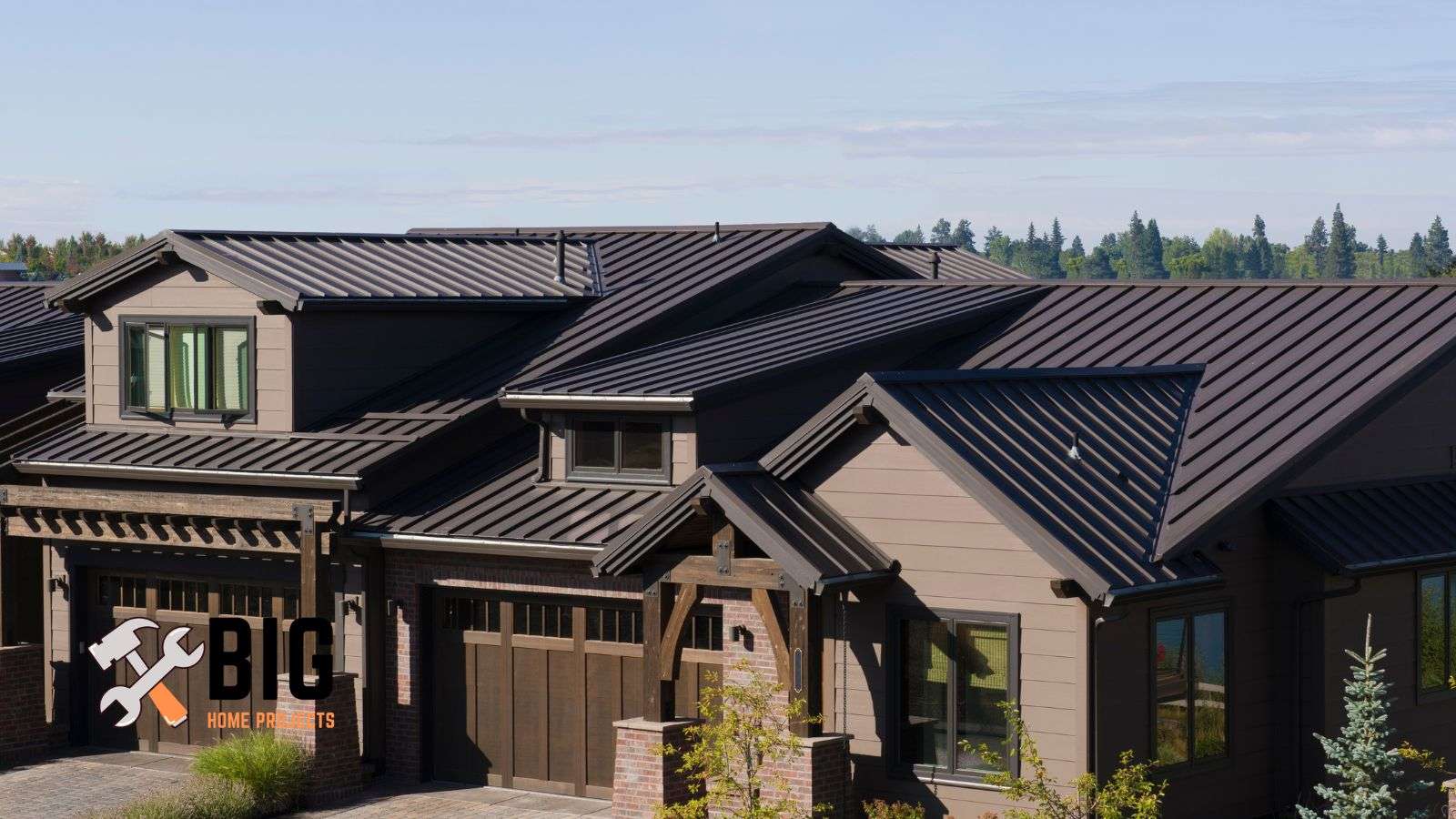
Zinc roofing is one of the most durable roofing materials available, but that doesn’t mean it’s not expensive. How much does zinc roofing cost?
Let’s take a look at how to decide if it’s right for you.
Is zinc roofing expensive?
Zinc roofing can be relatively expensive compared to other roofing materials. While the material cost may be around $5 to $8 per square foot, the installation costs and other factors can increase the overall cost to around $10 to $20 per square foot.
One reason for the higher cost of zinc roofing is that it is a durable and long-lasting material that can last for 50 to 100 years or more with proper maintenance.
Also, zinc roofing requires specialized installation techniques and experienced professionals, which can also contribute to the higher cost.
However, the cost of zinc roofing may be worth it for some homeowners or businesses, as it can provide a unique and attractive look, as well as excellent durability and weather resistance.
Cost breakdown of zinc roofing
Materials
Zinc roofing panels typically cost between $4 and $8 per square foot, depending on the thickness and profile of the panels.
The average cost of zinc roofing materials for a 2,000-square-foot roof is between $8,000 and $16,000.
Labor
Installation costs for a zinc roof can vary widely depending on the complexity of the installation, the experience of the contractor, and the location of the project.
On average, labor costs for a zinc roof installation range from $3 to $8 per square foot, or between $6,000 and $16,000 for a 2,000-square-foot roof.
Underlayment
Underlayment is an important component of any roofing system and can add an additional cost of $0.50 to $1 per square foot for synthetic underlayment or $1.50 to $2 per square foot for high-quality felt underlayment.
For a 2,000-square-foot zinc roof, the cost of underlayment can range from $1,000 to $4,000.
Pitch and shape
The pitch and shape of a roof can affect the installation and labor costs associated with a zinc roof.
A steep roof with multiple angles and valleys will typically cost more to install than a simple, flat roof.
For a more complex roof design, installation costs can range from $8 to $12 per square foot.
Roof shape
The shape of a roof can also affect the material costs associated with a zinc roof.
For example, a roof with multiple dormers, chimneys, or skylights may require more zinc panels to cover the surface area of the roof.
A more complex roof shape can add an additional cost of $1 to $2 per square foot for zinc roofing materials.
What makes zinc so costly?
Limited supply
Zinc is a relatively rare metal that is mined in limited quantities around the world.
This means that the supply of zinc can be limited, which can drive up the cost of the material.
Extraction and refining
Zinc has a high level of purity, which is necessary for use in roofing applications.
This requires a significant amount of energy and resources to extract and refine the zinc, which can also contribute to its cost.
Specialized installation
Zinc roofing requires specialized installation techniques and experienced professionals, which can add to the overall cost.
This is because zinc roofing must be installed using specific methods to ensure that it is properly sealed and able to withstand weather and environmental factors.
Durability and anti-corrosive
There are also a few unique properties of zinc that make it special and valuable as a roofing material. For example, zinc is highly resistant to corrosion and weathering, which makes it an excellent choice for use in areas with harsh weather conditions.
Attractive and added value
Zinc roofing also has a unique, attractive appearance that can add to the overall aesthetic value of a property.
Factors that affect the price of zinc roofing
- Roof size: The larger the roof, the more zinc material will be required, which can increase the overall cost.
- Roof complexity: The more complex the roof design, with valleys, hips, ridges, and multiple angles, the more difficult the installation process will be. This can increase the overall cost of installation.
- Labor costs: The cost of labor can vary depending on the location and the experience level of the roofing professionals hired.
- Zinc thickness: The thickness of the zinc material used for the roofing can affect the cost. Thicker zinc panels are more durable and can last longer, but they can also be more expensive.
- Roofing underlayment: A high-quality roofing underlayment can add to the cost of the roofing system, but it can also provide additional protection against moisture and water damage.
- Roof pitch: The pitch of the roof can affect the installation process, as steeper roofs may require additional safety equipment and specialized installation techniques.
- Location: The cost of zinc roofing can also vary depending on the location of the property. Factors such as labor costs, shipping costs, and local building codes can all affect the overall cost of installation.
Table: Comparison of materials costs for roofing installation (per square foot)
| Material | Cost of Materials per Square Foot | Cost per Square Foot (including installation) |
| Steel | $3 – $5 | $5 – $12 |
| Aluminum | $4 – $6 | $7 – $15 |
| Copper | $10 – $15 | $15 – $30 |
| Zinc | $5 – $8 | $10 – $20 |
| Tin | $5 – $7 | Varies widely depending on the availability of materials and labor. |
| Lead | $8 – $12 | $10 – $20 |
| Galvalume | $3 – $5 | $7 – $12 |
This table compares the cost per square foot of roofing installation, including materials and labor, for several common roofing materials.
Costs of zinc roofing compared to other metal roofing materials
- Steel: The cost of steel roofing typically ranges from $5 to $12 per square foot, including installation.
- Aluminum: The cost of aluminum roofing typically ranges from $7 to $15 per square foot, including installation.
- Copper: The cost of copper roofing typically ranges from $15 to $30 per square foot, including installation.
- Zinc: The cost of zinc roofing typically ranges from $10 to $20 per square foot, including installation.
- Tin: Tin roofing is less common today, and it may be difficult to find contractors who specialize in installing it. The cost of installation can vary widely depending on the availability of materials and labor in the local area.
- Lead: The cost of lead roofing typically ranges from $10 to $20 per square foot, including installation.
- Galvalume: The cost of Galvalume roofing typically ranges from $7 to $12 per square foot, including installation.
The cost of zinc roofing compared to other roofing materials
| Shingle Type | Cost of Materials per Square Foot | Cost of Installation per Square Foot |
| Asphalt Shingles | $1.50 – $3.50 | $3.50 – $5.50 |
| Wood Shingles and Shakes | $4.00 – $7.00 | $6.00 – $8.00 |
| Slate Shingles | $8.00 – $12.00 | $10.00 – $20.00 |
| Clay and Concrete Tiles | $5.00 – $10.00 | $10.00 – $18.00 |
| Synthetic Shingles | $3.50 – $6.00 | $5.50 – $7.50 |
- Asphalt shingles: Asphalt shingles are the most common roofing material due to their affordability, durability, and ease of installation. However, they do not have the same level of durability and resistance to weather and environmental factors as zinc roofing and will typically have a shorter lifespan. The cost of installation for asphalt shingles is generally less expensive than zinc roofing, but they will need to be replaced more frequently.
- Wood shingles and shakes: Wood shingles and shakes provide a natural, rustic look that is highly desirable for many homeowners. However, they are more expensive than asphalt shingles and require more maintenance to prevent decay and insect damage. They also have a shorter lifespan than zinc roofing and are less resistant to fire and weather damage.
- Slate shingles: Slate shingles are highly durable and fire-resistant and provide an elegant, natural look. However, they are also one of the most expensive roofing materials and require specialized installation techniques. The cost of installation for slate shingles is typically much higher than zinc roofing.
- Clay and concrete tiles: Clay and concrete tiles are highly durable and provide a unique, Mediterranean-style look that is popular in many areas. However, they are heavier and more expensive than most other roofing materials and require specialized installation techniques. The cost of installation for clay and concrete tiles is typically higher than zinc roofing.
- Synthetic shingles: Synthetic shingles are designed to mimic the look of natural materials such as wood or slate, but with the added benefits of lower cost, easier installation, and improved durability. However, they are still less durable and long-lasting than zinc roofing and may need to be replaced more frequently. The cost of installation for synthetic shingles is generally less expensive than zinc roofing, but can vary depending on the specific material used.
How can zinc roofing save you money?
Zinc roofing offers several benefits that can help homeowners save money in the long run. Its durability is one of its most significant advantages, as it can last up to 100 years or more, requiring little to no maintenance.
Zinc is also energy-efficient, reflecting sunlight and heat away from the building, which can reduce cooling costs in the summer months. This can add up to significant savings over time, especially in hot climates.
Another way that zinc roofing can save you money is through its low maintenance requirements. Zinc is a low-maintenance material that does not require frequent cleaning or repair, unlike other roofing materials that may require more attention over time.
Also, a high-quality zinc roof can increase the resale value of your property, making it more attractive to potential buyers and potentially increasing the selling price.
Although the upfront cost of zinc roofing may be higher than other roofing materials, the long-term cost savings and benefits can make it a worthwhile investment for homeowners.
Disadvantages of getting zinc roofing installed
- Upfront cost: Zinc roofing is more expensive than other roofing materials, with installation costs ranging from $10 to $20 per square foot.
- Expansion and contraction: Zinc expands and contracts with temperature changes, which can cause the metal to warp or buckle over time if not installed correctly.
- Environmental concerns: Zinc runoff from the roof can potentially contaminate nearby water sources, causing environmental concerns.
- Noisy: Zinc roofs can be noisy during rainfall or hail, which can be a nuisance to some homeowners.
What types of zinc roofing are available?
- Zinc sheets: These are flat sheets of zinc that are used as roofing material. They are available in various thicknesses and can be cut to size on-site.
- Standing seam zinc roofing: This type of roofing consists of long, interlocking zinc panels that are installed vertically on a roof. The seams between the panels are raised, forming a “standing seam” that provides additional weather protection.
- Zinc shingles: Similar in appearance to traditional asphalt shingles, zinc shingles are smaller, interlocking pieces of zinc that are installed in a similar way. They are often used for curved or complex roof shapes.
- Zinc tiles: These are larger, flat pieces of zinc that are installed in a similar manner to traditional clay or concrete tiles. They are often used for decorative purposes.
- Zinc cladding: Zinc can also be used as a cladding material for the exterior of a building. This involves covering the entire exterior surface of the building with zinc panels or sheets, providing a sleek and modern look.
Can you install zinc roofing on residential property?
Zinc roofing can be installed on residential property. In fact, zinc roofing has become increasingly popular in recent years for both residential and commercial buildings.
Zinc roofing is durable, long-lasting, and requires minimal maintenance, which makes it a popular choice for homeowners who are looking for a high-quality roofing material that will last for many years.
Zinc roofing is also versatile in terms of design, as it can be installed in a variety of styles and finishes to suit the specific architectural style of a residential property.
For example, standing-seam zinc roofing is a popular choice for contemporary homes, while zinc shingles or tiles can provide a more traditional look.
Tips on how to save money on zinc roofing
- Get multiple quotes: It’s important to get quotes from several roofing contractors to compare prices and services. Be sure to ask each contractor for a detailed estimate that outlines all of the costs associated with the project.
- Consider timing: The cost of zinc roofing can fluctuate depending on the time of year and the availability of materials. Consider scheduling the project during the off-season, when prices may be lower.
- Choose a reputable contractor: Look for a roofing contractor who has experience working with zinc roofing and has a good reputation in the community. Check online reviews and ask for references to ensure that the contractor has a track record of delivering quality work.
- Negotiate: Don’t be afraid to negotiate with the roofing contractor to get the best possible deal. If you have received quotes from multiple contractors, use those as leverage to negotiate a lower price.
- Optimize the design: The shape and complexity of the roof can impact the cost of zinc roofing. Consider optimizing the design of the roof to minimize the amount of material and labor required, which can help lower the overall cost of the project.
- Use quality materials: While it may be tempting to choose cheaper materials to save money, using lower-quality materials can actually cost more in the long run if they require more maintenance or need to be replaced sooner. Choose high-quality zinc roofing materials that are designed to last for many years.
What is the cost of repair and replacement for zinc roofing?
Repair costs
The cost of repairing zinc roofing will depend on the extent of the damage.
Minor repairs, such as patching a small hole or replacing a few missing shingles, can cost between $100 and $500.
However, if the damage is more extensive and requires significant repairs, such as replacing a large section of the roof or repairing structural damage, the cost can be higher and may range from $1,000 to $10,000 or more.
Replacement costs
The cost of replacing zinc roofing will depend on the size and complexity of the roof, as well as the cost of materials and labor.
The cost of replacing zinc roofing can range from $10 to $20 per square foot, with an average cost of around $15 per square foot.
For a typical 2,000-square-foot roof, the total cost of replacement could range from $20,000 to $30,000 or more.
How often do you need to repair zinc roofing?
Minor repairs, such as replacing a few missing shingles or patching a small hole, may be needed from time to time due to normal wear and tear or damage from severe weather.
In general, I recommend you inspect the roof annually for any signs of damage or wear and address any issues as soon as they arise to prevent them from becoming more extensive and expensive to repair.
Regular maintenance can also help extend the life of the roof and prevent the need for repairs.
This can include cleaning debris from the roof and gutters, checking for any signs of corrosion or damage, and ensuring that the roof is properly ventilated to prevent moisture buildup.
Is a zinc roof worth it?
If you are looking for a roofing material that is highly durable and long-lasting, then a zinc roof might be worth considering.
Zinc roofs can last up to 100 years or more with proper maintenance and care, which can save you money on frequent repairs or replacements.
Also, zinc roofs are highly resistant to corrosion, fire, and extreme weather conditions, which makes them a reliable option for homeowners who value durability and protection.
If you are interested in enhancing the aesthetic appeal of your building, then a zinc roof might be a good option for you.
Zinc roofs have a unique and attractive appearance that can complement many different architectural styles and add value to your property.
However, if cost is a primary concern, then a zinc roof might not be the best choice for you.
Zinc roofs can be more expensive than other types of roofing materials, which can make them prohibitive for some homeowners.
If you live in an area with very little rainfall, then a zinc roof might not be necessary, as it is designed to handle and protect against heavy rain and snow.
Other interesting articles: