
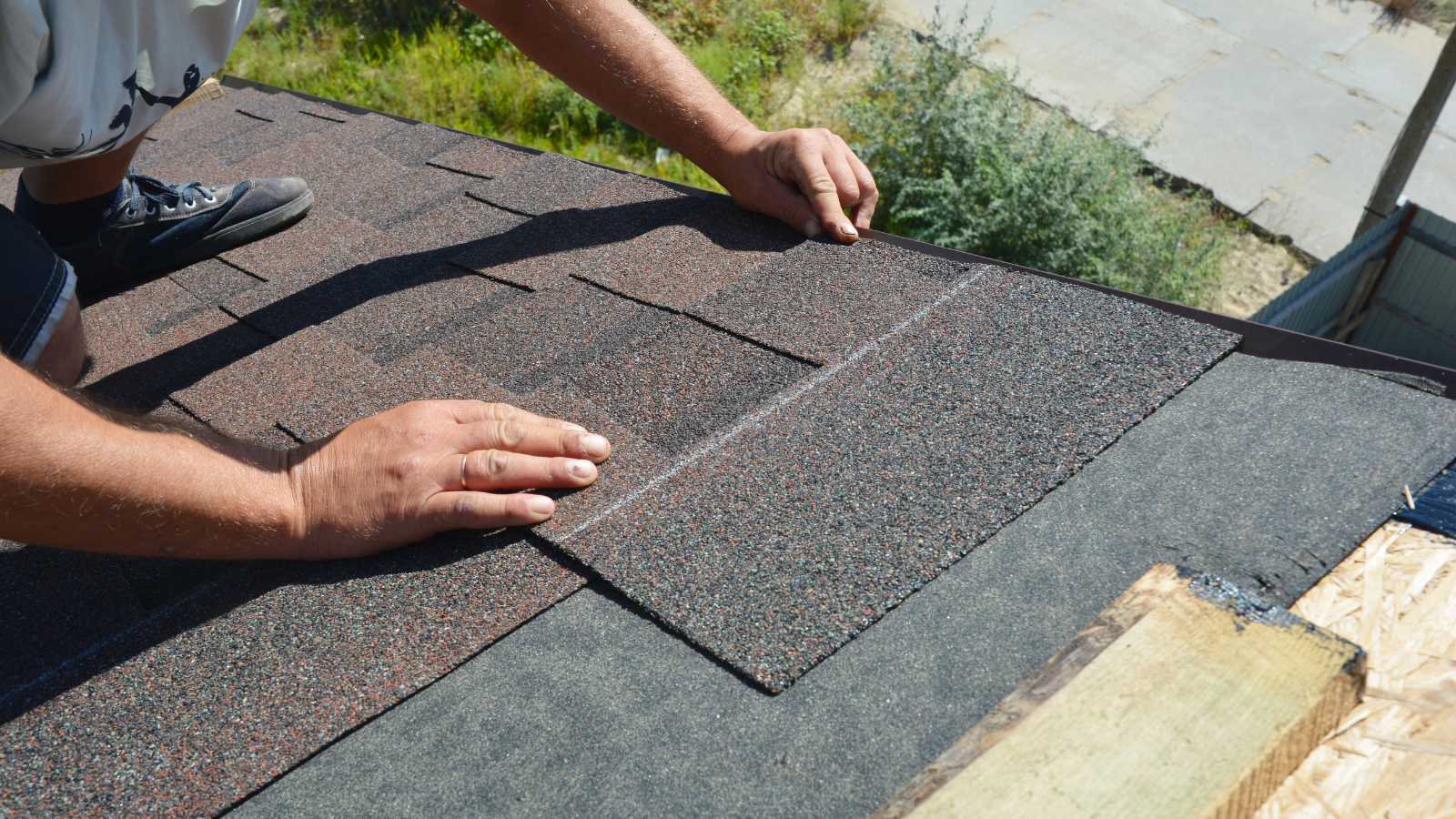
The concept of longevity in roof design and installation encapsulates not only the choice of materials and methods but also the overarching strategies that contribute to a roof’s endurance and functional lifespan. These principles make sure a roof can withstand various environmental challenges while providing optimal protection for the structures they cover. In this article, we explore several essential strategies and practices that significantly enhance roof longevity.
Longevity Principles in Designing and Installing Roofs
Proper Design and Installation
Ensuring that roofs are designed and installed according to established building codes is fundamental for longevity. For instance, the International Building Code (IBC) and International Residential Code (IRC) set minimum requirements that address essential factors like weather protection and fire resistance. Adhering to these codes not only enhances durability but also makes sure that roofs can withstand local environmental conditions, which may include heavy snowfall, high winds, or extreme temperatures.
roofs designed with proper slopes and drainage systems reduce the risk of water pooling, which can lead to leaks and structural damage. A roof’s pitch should typically be at least 2:12 (for every 2 inches of vertical rise, there should be at least 12 inches of horizontal run) to facilitate effective water runoff. This design consideration is particularly important in regions prone to heavy rainfall or snow accumulation, where stagnant water can significantly shorten a roof’s lifespan.
Use of High-Quality Materials
The choice of roofing materials plays a major role in determining a roof’s longevity. For example, asphalt shingles may last 15 to 30 years, while metal roofing can last 40 to 70 years, depending on the material and maintenance practices used. Research indicates that using high-quality materials can enhance a roof’s resistance to environmental stressors such as UV radiation, hail, and severe storms, thus prolonging its lifespan.
In addition to longevity, premium materials often come with warranties that cover defects or performance issues over time. For instance, some manufacturers offer warranties for up to 50 years on certain roofing products, reflecting their confidence in the durability of their materials. Investing in high-quality roofing not only reduces the frequency of repairs but also minimizes long-term costs associated with roof replacements and maintenance.
Regular Inspections and Maintenance
Regular inspections are vital in maintaining roof integrity, as they can help identify minor issues before they escalate into significant problems. Studies suggest that proactive maintenance can extend a roof’s lifespan by up to 50%. For example, issues like loose shingles or clogged gutters can cause water damage if not addressed quickly, leading to more extensive repairs that could have been avoided with routine check-ups.
Hiring professional roofing contractors for regular inspections makes sure that all aspects of the roof are assessed thoroughly. These professionals can provide insights into necessary maintenance tasks and help homeowners understand the specific needs of their roofing system based on factors like age, material type, and local climate conditions.
7 Key Strategies for Maximum Durability
1. Proper Design and Installation
A well-designed roof starts with careful planning and precise installation that adheres to local building codes. This ensures the roof can withstand environmental challenges like heavy rain, snow, and high winds. It’s essential to involve experienced professionals in the design phase who can consider factors such as local climate, roof slope, and drainage requirements. using advanced software for design can simulate how different materials and structures will perform under various weather conditions, leading to better decision-making.
One often overlooked aspect is the importance of choosing the right underlayment. High-quality underlayment materials can provide an extra layer of protection against leaks and moisture infiltration, significantly enhancing the roof’s durability. Consider materials like synthetic underlayment, which offers superior water resistance and can withstand extreme temperatures compared to traditional felt paper.
2. Use of High-Quality Materials
Investing in high-quality roofing materials is essential for maximizing longevity. While upfront costs may be higher, materials such as metal, slate, or high-grade asphalt shingles often provide long-term savings due to their durability and low maintenance needs. For instance, metal roofs can reflect solar heat, reducing energy costs in warmer climates, while slate roofs are fire-resistant and have lifespans exceeding 100 years.
An aspect rarely discussed is the impact of color on roofing materials. Lighter-colored roofs reflect more sunlight, which can help keep your home cooler and reduce energy costs. In contrast, darker materials absorb heat but may be more suitable in colder climates to aid in melting snow. When selecting roofing materials, consider both the aesthetic appeal and the functional benefits they offer based on your specific location.
3. Regular Inspections and Maintenance
Routine inspections are essential for identifying potential issues before they escalate into costly repairs. Homeowners should schedule professional inspections at least once a year and after severe weather events to make sure all components of the roof are functioning properly. During these inspections, pay attention to flashing, gutters, and ventilation systems, as these areas are often neglected yet critical for roof health.
Homeowners can take proactive measures by maintaining a simple checklist for seasonal roof care. This can include clearing debris from gutters and valleys, checking for signs of wear on shingles, and ensuring that tree branches are trimmed back to prevent scratching or puncturing the roof surface. Engaging in these small tasks regularly can significantly extend the life of your roof.
4. Proper Ventilation and Attic Insulation
Ventilation plays a vital role in maintaining a roof’s integrity by regulating temperature and moisture levels in the attic space. Poor ventilation can lead to overheating and condensation buildup, which can damage roofing materials and encourage mold growth. Installing ridge vents or soffit vents allows warm air to escape while drawing cooler air into the attic, creating a balanced airflow that protects your roof.
It’s also important to consider insulation alongside ventilation. Using high-quality insulation can prevent heat loss in winter and keep your home cool during summer months. An often-overlooked aspect is the use of radiant barrier insulation, which reflects heat away from living spaces during hot weather. This not only contributes to energy efficiency but also reduces stress on the roofing system.
5. Dealing with Leaks Promptly
Promptly addressing any signs of leaks is critical to maintaining a roof’s durability. Water intrusion can lead to significant damage not just to roofing materials but also to underlying structures like rafters and ceilings. Homeowners should be vigilant for signs of leaks, such as water stains on ceilings or walls, and take immediate action if they suspect an issue.
Rarely mentioned is the importance of documenting any repairs made to address leaks. Keeping a record of when and how issues were fixed can help future contractors understand the roof’s history and anticipate potential problems. It also provides valuable information if warranty claims need to be filed for roofing materials.
6. Choosing the Right Roofing Material
Selecting appropriate roofing materials tailored to your specific environment is essential for longevity. Factors such as local weather patterns, roof slope, and exposure to direct sunlight all influence the best material choice. For example, clay tiles are excellent for hot climates but may not perform well in areas with heavy snowfall due to their weight.
An often-overlooked detail is the compatibility between roofing materials and local wildlife. For instance, certain materials may attract birds or rodents, leading to potential damage over time. When making your selection, consider not only aesthetics and durability but also how well the material will perform in your particular setting.
7. Climate and Weather Considerations
Understanding your local climate is crucial when designing a roof for maximum durability. Extreme weather conditions—such as intense sunlight, heavy rainfall, or strong winds—have a significant impact on roofing longevity. It’s important to choose materials specifically rated for your area’s climate; for instance, roofs in hurricane-prone areas should be rated for high wind resistance.
Regional building codes often reflect climate considerations that can provide guidelines on material selection and installation practices tailored to local conditions. A little-known fact is that some manufacturers produce roofing products specifically designed for extreme climates, which can offer enhanced performance and durability compared to standard options. Consulting with local contractors who understand regional challenges can lead to better decision-making regarding materials and installation techniques.
How Important Is Material Quality in Roof Longevity?
Material quality plays a major role in determining the longevity of a roof. High-quality roofing materials are designed to withstand environmental stressors, such as UV radiation, heavy rain, snow, and extreme temperatures. For instance, metal roofs, which are often made from galvanized steel or aluminum, can last 40 to 70 years with proper maintenance, while lower-grade asphalt shingles typically have a lifespan of only 15 to 30 years. This disparity in longevity highlights how investing in superior materials can significantly reduce replacement costs over time.
Quality materials often come with better warranties, reflecting the manufacturer’s confidence in their durability. For example, many premium roofing products offer warranties that range from 25 to 50 years, covering defects and performance issues. This can provide homeowners with peace of mind and financial protection, as they are less likely to incur unexpected expenses related to roof repairs or replacements when using high-quality materials.
In addition to durability, the choice of roofing material can also influence energy efficiency and overall home comfort. For example, reflective roofing materials can reduce cooling costs by reflecting sunlight rather than absorbing it. According to the U.S. Department of Energy, reflective roofs can lower roof surface temperatures by up to 100°F compared to standard dark roofs.
What Role Does Professional Installation Play in Roof Durability?
Professional installation is paramount in ensuring the durability of a roof, as improper techniques can lead to various issues that compromise its integrity. For instance, studies have shown that nearly 80% of roofing problems arise from installation errors rather than material defects. This includes misaligned shingles, inadequate sealing around vents and flashings, and improper ventilation, all of which can lead to leaks, water damage, and premature roof failure.
Experienced roofing contractors are knowledgeable about local building codes and regulations, which can vary significantly by region. Compliance with these codes is essential for ensuring that the roof can withstand local weather conditions. For example, a professional installer will understand the necessary pitch and material specifications for roofs in hurricane-prone areas or regions that experience heavy snowfall. This expertise not only enhances the roof’s performance but also protects homeowners from potential legal liabilities associated with code violations.
Professional installation often comes with warranties that cover both the workmanship and the materials used. Many roofing manufacturers require that their products be installed by certified professionals to maintain warranty validity. This means that homeowners who opt for professional installation not only benefit from quality work but also gain protection in case of future issues related to installation.
How Can Regular Maintenance Extend the Life of Your Roof?
Regular maintenance is essential in extending the life of a roof, as it allows for early detection of potential issues before they escalate into costly repairs. Research indicates that routine maintenance can extend a roof’s lifespan by 50% or more, depending on various factors such as climate and material type. Simple tasks, such as cleaning gutters, removing debris, and inspecting for loose or damaged shingles, can prevent water accumulation and leaks, which are common culprits of roof deterioration.
Regular inspections by professional roofing contractors can identify underlying problems that homeowners might overlook. For example, a contractor may detect issues with ventilation that could lead to heat buildup in the attic, causing shingles to warp or deteriorate prematurely. Dealing with such problems early not only helps maintain the roof’s integrity but also promotes energy efficiency, as proper ventilation can reduce heating and cooling costs by up to 20%.
Routine maintenance often includes applying protective coatings or treatments that enhance the roof’s durability against UV exposure and moisture. For instance, elastomeric coatings can provide an added layer of protection for flat roofs, extending their life by sealing minor cracks and preventing water infiltration.
Why Is an Drainage drainage system critical for Roof Longevity?
An effective drainage system is critical for roof longevity because it prevents water accumulation, which can lead to various structural problems. When water pools on a roof, it exerts additional weight that can stress the roofing materials, potentially leading to sagging and leaks. According to the National Roofing Contractors Association, standing water can reduce the lifespan of a roof by as much as 50%, emphasizing the importance of proper drainage design.
Clogged gutters and downspouts can cause water to back up, leading to overflow that damages fascia boards, siding, and the underlying roofing structure. Regular maintenance of the drainage system, such as cleaning gutters at least twice a year, can help prevent these issues. Inadequate drainage can also result in mold and mildew growth, further compromising the integrity of roofing materials and posing health risks to occupants.
An effective drainage system contributes to overall energy efficiency by regulating temperature variations on the roof surface. Properly channeled water can help cool roofing materials during hot weather, reducing heat absorption and prolonging their lifespan. For example, a well-designed roof drainage system can lower energy costs by minimizing the need for air conditioning in warmer months.
How Do Big Home Projects Help Homeowners Ensure Roof Longevity?
Big Home Projects serves as a valuable resource for homeowners seeking to ensure roof longevity through access to qualified contractors and essential information. The platform provides a comprehensive directory of roofing professionals, allowing homeowners to find experienced contractors who specialize in various roofing services, from installation to maintenance. This not only simplifies the process of hiring professionals but also enhances the likelihood of quality workmanship, which is essential for maximizing the lifespan of a roof.
In addition to connecting homeowners with reliable contractors, Big Home Projects features customer reviews and ratings that offer insights into the quality of services provided. These reviews can help homeowners make informed decisions based on the experiences of others, ensuring they choose contractors who prioritize proper installation and maintenance practices. the site highlights promotions and discounts that can make professional roofing services more affordable, encouraging homeowners to invest in regular inspections and timely repairs that are essential for roof longevity.
Big Home Projects includes educational resources such as FAQs and articles on roofing best practices, which empower homeowners with knowledge about maintaining their roofs. To protect their roofs, homeowners can be proactive by knowing important things like how important it is to have regular inspections, good drainage systems, and high-quality materials. Big Home Projects is an important tool for homeowners who want to improve the durability and overall performance of their roofs because it gives them access to qualified contractors and useful information.
Is Investing in Premium Roofing Materials Worth the Cost?
Investing in premium roofing materials is often worth the cost due to their enhanced durability and longevity compared to standard options. For example, while traditional asphalt shingles may last around 15 to 30 years, premium materials like metal or slate can last between 40 and 100 years with proper maintenance. According to a study conducted by the National Association of Home Builders, homeowners can expect to recoup 60% to 70% of the cost of premium roofing materials upon resale, making it a financially sound investment in the long term.
Premium roofing materials typically offer better performance characteristics, such as improved resistance to extreme weather conditions and lower maintenance requirements. For instance, high-quality metal roofs can reflect solar heat, reducing cooling costs by up to 25% in hotter climates. This energy efficiency not only contributes to lower utility bills but also enhances the overall comfort of the home, thereby increasing its value and appeal.
Premium roofing materials often come with extended warranties that cover both the materials and installation, providing homeowners with peace of mind. Many manufacturers offer warranties ranging from 30 years to a lifetime on premium products, which can significantly reduce the likelihood of unexpected repair expenses.