
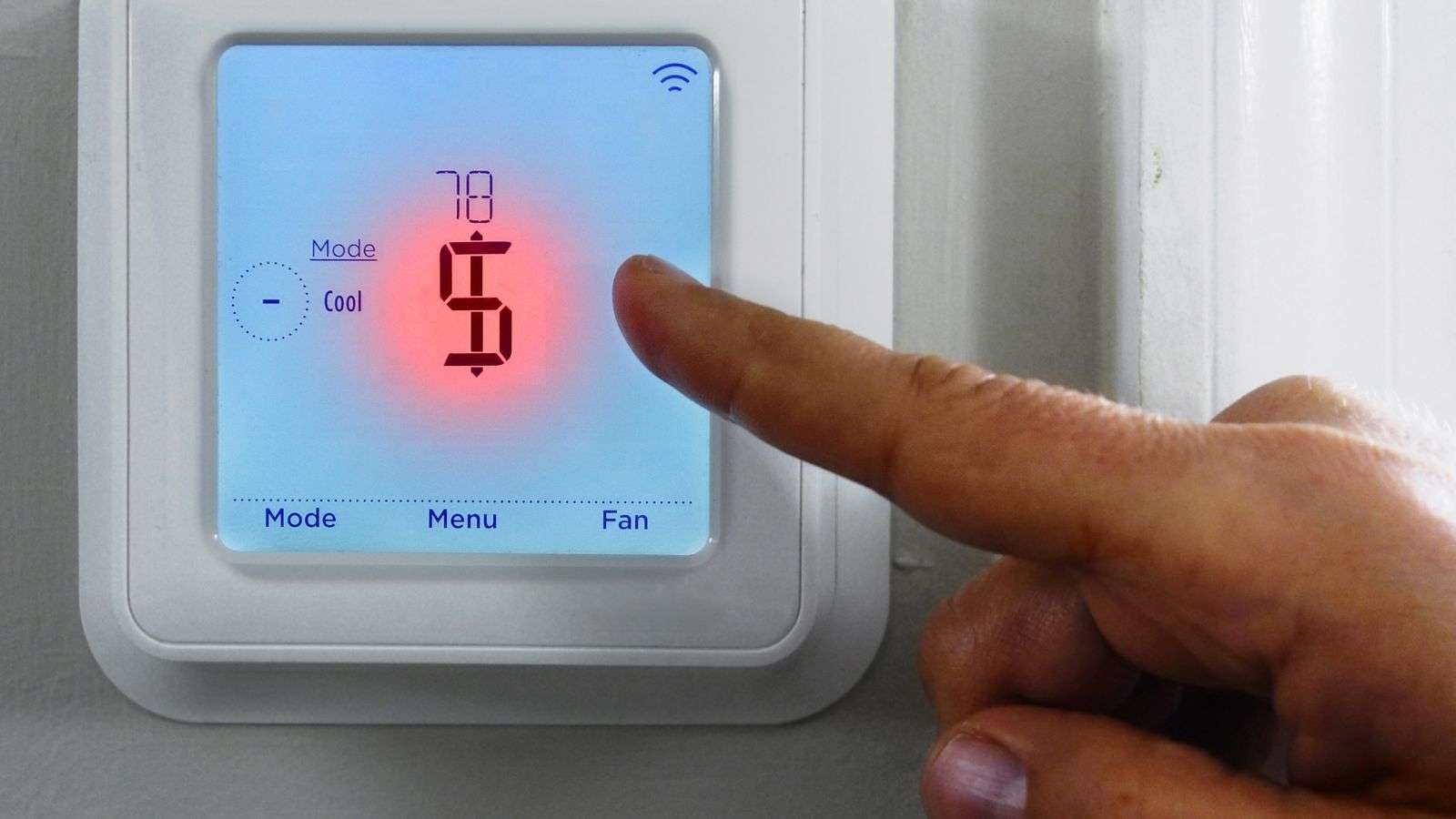
As the cold season approaches, so does the need for a warm, cozy home. However, the increased heating costs can be a significant concern for many households.
In this article, we’ll explore different strategies to lower your heating expenses, including a deep dive into ten tips for reducing your bill with simple tools such as weatherstripping and insulation.
10 Tips for cutting your bill with weatherstripping and insulation
1. Seal air leaks with weatherstripping
Weatherstripping is an effective way to seal air leaks around windows and doors, preventing drafts and heat loss. Start by inspecting the areas for any gaps or cracks, and choose the appropriate weatherstripping material based on the type of gap. Install weatherstripping tightly to confirm a proper seal, and replace any worn-out or damaged weatherstripping. This simple and affordable solution can significantly reduce your heating bills by preventing cold air from entering your home and warm air from escaping.
2. Insulate your attic and walls
Proper insulation in your attic and walls can help with energy efficiency and reduce heating costs. Consider adding extra insulation to these areas if they are lacking or if the existing insulation is inadequate. Insulating your attic helps prevent heat from rising and escaping through the roof, while insulating walls minimizes heat transfer to the outside. Use insulation materials with a high R-value for optimal efficiency, and make sure the insulation is properly installed to maximize its effectiveness.
3. Install door sweeps
Door sweeps are an often overlooked but effective way to prevent drafts and keep cold air from entering your home. They are easy to install and act as barriers at the bottom of your doors. Choose door sweeps that match the width of your door, and make sure they provide a tight seal when closed. This simple addition can make a noticeable difference in reducing heat loss and improving energy efficiency.
4. Insulate electrical outlets and switches
Electrical outlets and switches on exterior walls can be significant sources of air leaks. To combat this, consider insulating them with foam gaskets or insulating pads. These inexpensive materials are easy to install behind outlet and switch plates, creating a barrier against drafts. By insulating these often-overlooked areas, you can further enhance the energy efficiency of your home and reduce heating costs.
5. Seal ductwork
Leaky ducts can waste a substantial amount of heated air, resulting in higher energy bills. Inspect your ductwork for any visible leaks or loose connections, and seal them using mastic sealant or metal tape. Pay particular attention to joints, corners, and connections with vents or registers. Your heating system’s warm air will efficiently reach its target locations thanks to properly sealed ducts, saving you money in the process.
6. Use window film or thermal curtains
Windows can be a significant source of heat loss during the colder months. Applying window film or using thermal curtains can help reduce heat transfer and improve insulation. Window film creates an additional layer of insulation, while thermal curtains have insulating properties to keep cold air out and warm air in. Choose the option that best fits your needs and budget, and enjoy the benefits of improved energy efficiency and lower heating costs.
7. Insulate your water heater
Insulating your water heater is a simple yet effective way to save on energy costs. Consider wrapping your water heater with an insulating blanket to reduce heat loss, especially if it is located in an unheated area such as a basement or garage. Follow the manufacturer’s instructions to promote proper installation and safety precautions. By insulating your water heater, you can maintain hot water temperatures more efficiently, resulting in energy savings over time.
8. Close off unused rooms
If you have rooms that are rarely used, consider closing off the vents and doors to those areas. By doing so, you can redirect the heated air to the rooms you use most frequently, optimizing the heating system’s efficiency. Closing off unused rooms prevents wasted energy in spaces that do not require heating, ultimately helping to reduce your heating bill.
9. Use ceiling fans wisely
Ceiling fans are not just for cooling; they can also be used to improve heating efficiency. In winter, reverse the direction of your ceiling fan blades to clockwise rotation at a low speed. This will create an updraft that pushes warm air down from the ceiling, distributing it more evenly throughout the room. By utilizing ceiling fans strategically, you can maximize the effectiveness of your heating system and potentially lower your energy consumption.
10. Maintain your heating system
Regular maintenance of your heating system is essential for optimal performance and energy efficiency. Schedule annual inspections and tune-ups with a qualified HVAC professional to make sure your system is running smoothly. Clean or replace air filters regularly, as clogged filters restrict airflow and make your heating system work harder than necessary. Proper maintenance not only extends the lifespan of your heating system but also helps you save money on heating bills by ensuring it operates at peak efficiency.
Factors contributing to your heating costs
The size and insulation of your home play a significant role, as larger homes or those with poor insulation require more energy to heat. The climate in your region also affects your heating costs, as colder climates typically require more heating.
The efficiency of your heating system and its maintenance can impact energy consumption and costs. Older or inefficient systems may use more energy to achieve the desired temperature. The thermostat settings and temperature preferences in your home influence heating costs. Keeping the thermostat at a higher temperature or constantly adjusting it can result in higher energy usage.
Finally, lifestyle habits such as the number of occupants in the home, duration and frequency of heating usage, and energy-saving practices like using space heaters or closing off unused rooms can contribute to variations in heating costs. By considering these factors, you can better understand and control your heating expenses.
Lower your thermostat for a big impact
Lowering your thermostat can have a significant impact on reducing your heating costs. Even a small adjustment of a few degrees can result in substantial energy savings over time.
By decreasing the temperature in your home, your heating system doesn’t have to work as hard to maintain a higher temperature, thus consuming less energy. Consider setting your thermostat to a comfortable yet efficient temperature during the colder months.
You can further maximize savings by programming your thermostat to automatically lower the temperature when you’re away or asleep and raise it when you’re back or awake. This way, you can enjoy a cozy environment when needed while minimizing energy usage during periods of inactivity. Remember, every degree you lower your thermostat can contribute to noticeable savings on your heating bill without sacrificing comfort.
Regular maintenance boosts heating efficiency
Over time, heating systems can accumulate dust, dirt, and debris, which can hinder their performance and reduce energy efficiency. By scheduling annual maintenance with a qualified HVAC professional, you can guarantee that your heating system is clean, properly calibrated, and operating at its peak efficiency.
During maintenance visits, the technician will typically inspect and clean components, check for any issues or potential problems, lubricate moving parts, and make necessary adjustments. This proactive approach can prevent breakdowns, extend the lifespan of your heating system, and optimize its energy efficiency. Regular maintenance allows for the early detection of any underlying issues that could impact performance or lead to higher heating costs if left unaddressed.
Is it worth investing to upgrade your heating system?
Investing in upgrading your heating system can be worth it, depending on various factors. If your current heating system is old, inefficient, or frequently requires repairs, upgrading to a more modern and energy-efficient system can result in significant long-term savings on your heating bills.
Newer heating systems are designed to be more efficient, utilizing advanced technologies that consume less energy while providing the same level of comfort. Upgrading your heating system may make you eligible for rebates or incentives offered by utility companies or government programs, further offsetting the initial investment.
It’s also important to consider the lifespan of your existing system. If it’s nearing the end of its expected lifespan, investing in a new system can be a wise decision to avoid unexpected breakdowns and costly repairs in the future.
Smart thermostats for better heating control
- Energy savings: Smart thermostats offer advanced features and algorithms that can optimize heating control, resulting in potential energy savings by reducing unnecessary heating and cooling.
- Programmable settings: These thermostats allow you to program customized heating schedules based on your daily routines, ensuring that your home is heated efficiently when needed and saving energy when you’re away.
- Remote access: With smart thermostats, you can control your heating system remotely through a smartphone app. This feature enables you to adjust the temperature even when you’re not at home, ensuring comfort while minimizing energy usage.
- Learning capabilities: Some smart thermostats have the ability to learn your heating preferences and adjust settings automatically, adapting to your lifestyle and optimizing energy efficiency over time.
- Integration with smart home systems: Smart thermostats can seamlessly integrate with other smart home devices, such as voice assistants or occupancy sensors, allowing for enhanced automation and energy management.
- Energy usage reports: Many smart thermostats provide detailed reports on your energy usage, helping you track and analyze your heating patterns to identify areas where you can further optimize energy efficiency.
- Compatibility with various heating systems: Smart thermostats are designed to be compatible with a wide range of heating systems, making them a versatile option for both residential and commercial applications.
- Smart features: Some smart thermostats offer additional features such as geofencing, which detects the proximity of your smartphone to adjust the temperature accordingly, and weather forecast integration, allowing for proactive heating control based on upcoming weather conditions.
- User-friendly interface: Smart thermostats typically come with user-friendly interfaces and intuitive controls, making it easy for homeowners to set up and manage their heating preferences without any technical expertise.
- Long-term savings: While smart thermostats may have a higher upfront cost compared to traditional thermostats, their energy-saving capabilities can lead to long-term savings on your heating bills, making them a worthwhile investment.
Should you explore renewable heating options?
Renewable heating technologies utilize sustainable energy sources, such as solar power, geothermal energy, or biomass, to provide heat for your home. These options can help reduce your reliance on fossil fuels, lower carbon emissions, and contribute to a more environmentally friendly and sustainable lifestyle. While the initial investment for renewable heating systems may be higher compared to traditional heating systems, they can result in long-term savings on energy bills and potentially qualify you for government incentives or tax credits.
Renewable heating systems often have longer lifespans and require less maintenance compared to conventional systems. However, assess the feasibility of renewable heating options based on factors such as your geographical location, available resources, and the specific requirements of your property.
Government programs or incentives that help you save
- Energy efficiency tax credits: Some governments offer tax credits for homeowners who make energy-efficient upgrades to their homes, including heating systems, insulation, or windows. These tax credits can help offset the cost of these improvements and encourage energy-efficient practices.
- Weatherization assistance programs: Many governments provide weatherization assistance programs that offer financial support for low-income households to improve energy efficiency in their homes. These programs often include insulation, weatherstripping, and other measures to reduce heating costs.
- Rebates for energy-efficient appliances: Governments may offer rebates or incentives for purchasing energy-efficient appliances, including heating systems. These rebates can help reduce the upfront cost of upgrading to more energy-efficient options.
- Solar energy incentives: Governments often provide incentives for installing solar panels or other renewable energy systems, which can contribute to heating your home in an environmentally friendly and cost-effective way. These incentives may include tax credits, grants, or net metering programs.
- Utility company rebates and incentives: Many utility companies offer rebates and incentives for energy-saving measures, including heating system upgrades, insulation improvements, or smart thermostats. These programs can help lower the cost of making energy-efficient changes to your home.
- Energy audit programs: Some governments offer energy audit programs that provide professional assessments of your home’s energy efficiency. These audits can help identify areas for improvement and suggest measures to reduce heating costs. In some cases, governments may even cover a portion of the audit cost.
- Low-interest loans for energy upgrades: Governments may offer low-interest loans or financing options specifically for energy upgrades, including heating system replacements or insulation improvements. These loans can make it more affordable to invest in energy-efficient technologies.
- Renewable energy feed-in tariffs: In certain regions, governments implement feed-in tariffs, which allow homeowners to sell excess energy produced by renewable heating systems, such as solar or geothermal, back to the grid at a favorable rate. This incentivizes the use of renewable heating options and encourages sustainable energy practices.
Daily habits that can reduce your heating expenses
- Adjusting thermostat settings: Lowering your thermostat by a few degrees during the colder months can result in noticeable energy savings. Consider setting the thermostat to a comfortable yet efficient temperature and wearing warmer clothing indoors to maintain comfort.
- Closing curtains and blinds: Closing curtains and blinds at night can provide an additional layer of insulation, preventing heat loss through windows. Open them during the day to allow sunlight to naturally warm your home.
- Utilizing natural heat: Take advantage of natural heat sources in your home. Keep interior doors open to allow heat to circulate, and make use of sunlight by keeping south-facing windows unobstructed.
- Using ceiling fans strategically: In winter, set your ceiling fan to rotate clockwise at a low speed. This will create an updraft, pushing warm air down from the ceiling and improving heat distribution in the room.
- Sealing air leaks: Identifying and sealing air leaks around windows, doors, and other areas can prevent drafts and reduce heat loss. Use weatherstripping, caulk, or draft stoppers to seal any gaps or cracks.
- Closing off unused rooms: If there are rooms in your home that are rarely used, close their vents and doors to redirect the heated air to occupied spaces. This helps optimize the heating system’s efficiency.
- Using space heaters selectively: Consider using space heaters in frequently used rooms instead of heating the entire house. Use them cautiously and follow safety guidelines to supplement your heating needs efficiently.
- Insulating your water heater and pipes: Insulating your water heater and pipes can reduce heat loss, allowing your water heater to maintain hot water temperatures more efficiently and potentially saving on energy costs.
- Regular HVAC maintenance: Schedule regular maintenance for your heating system to ensure it operates efficiently. Clean or replace air filters regularly to promote proper airflow and reduce strain on the system.
- Practicing energy-saving habits: Adopt energy-saving habits, such as turning off lights when not in use, using energy-efficient appliances, and unplugging electronics when not in use. These small changes can contribute to overall energy savings.
Sustainable ways for future heating bill reduction
- Investing in renewable heating systems: Consider installing renewable heating systems such as solar thermal, geothermal, or biomass. These systems utilize sustainable energy sources, reducing reliance on fossil fuels and providing long-term savings on heating bills.
- Improving home insulation: Enhance the insulation of your home by adding insulation to walls, attics, and floors. Well-insulated homes retain heat better, reducing the need for continuous heating and lowering energy consumption.
- Upgrading to energy-efficient heating systems: Replace old, inefficient heating systems with newer, energy-efficient models. Look for systems with high AFUE (Annual Fuel Utilization Efficiency) ratings or Energy Star certifications to ensure optimal performance and reduced energy consumption.
- Installing smart thermostats: Smart thermostats offer advanced features like programmable schedules and remote access, allowing you to efficiently control your heating system. They can help optimize energy usage and lower heating costs by ensuring heating is only used when necessary.
- Implementing zoning systems: Consider installing zoning systems that allow you to control heating in different areas or zones of your home independently. This way, you can heat only the occupied spaces, saving energy and reducing heating expenses.
- Exploring Heat Recovery Ventilation (HRV) Systems: HRV systems recover heat from stale air before it is exhausted from your home and use it to preheat incoming fresh air. This helps maintain indoor air quality while reducing the need for additional heating.
- Utilizing passive solar heating: Incorporate passive solar design principles into your home, such as orienting windows to maximize sunlight exposure, using thermal mass materials for heat storage, and utilizing natural ventilation strategies. These techniques harness solar energy to passively heat your home.
- Sealing air leaks: Continuously check for air leaks and seal them using weatherstripping, caulk, or other sealants. By preventing drafts and heat loss, you can reduce the amount of energy needed to heat your home.
- Using energy-efficient window coverings: Install energy-efficient window coverings such as thermal curtains or blinds. These help insulate windows, reducing heat transfer and improving energy efficiency.
- Monitoring and adjusting energy usage: Keep track of your energy usage and adjust your habits accordingly. Be mindful of unnecessary heating, turn off heating in unoccupied spaces, and practice energy-saving behaviors like bundling up in warm clothing to reduce reliance on heating.