
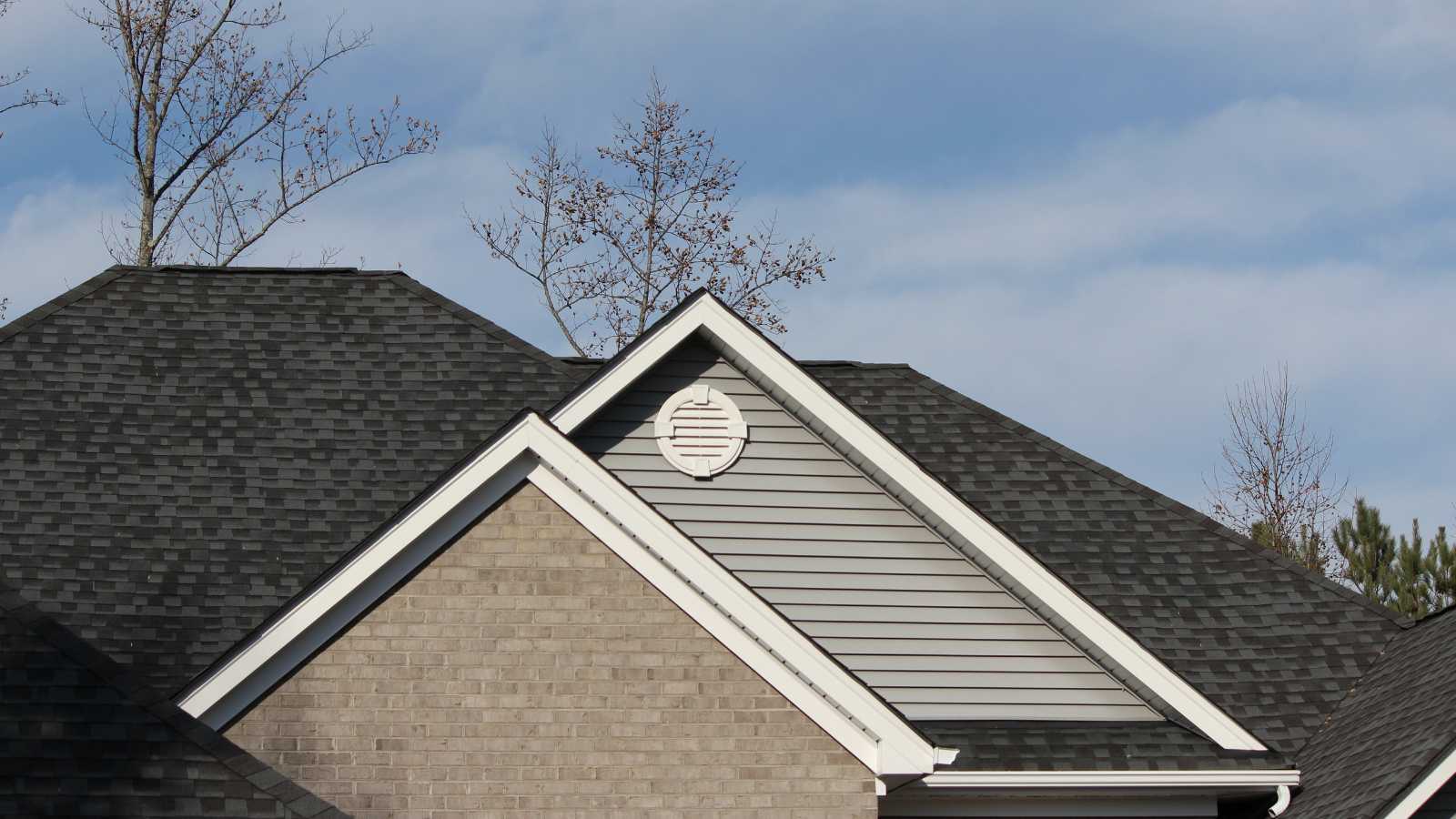
Optimizing eave details is more than just a technical necessity; it is a proactive approach to safeguarding the integrity and extending the longevity of roof shingles. Eave optimization encompasses various considerations, from proper ventilation to the correct installation of drip edges, each geared towards preventing moisture buildup, ensuring efficient water drainage, and safeguarding against environmental damage. In this article, we explore how optimizing eave details can significantly benefit homeowners by enhancing the lifespan of roof shingles.
Optimizing Eave Details for Enhanced Lifespan of Roof Shingles
Optimizing eave details is essential for extending the lifespan of roof shingles by effectively managing water flow and preventing moisture accumulation. One key aspect of this is the installation of drip edges, which direct water away from the fascia and into the gutter system. According to the National Roofing Contractors Association (NRCA), proper eave detailing can increase a roof’s lifespan by up to 20%, significantly reducing the frequency and cost of repairs for homeowners.
Another essential consideration is ensuring adequate ventilation at the eaves. Proper ventilation systems help to maintain a consistent temperature in the attic, which can prevent ice damming in colder climates and reduce heat buildup in warmer areas. The U.S. Department of Energy recommends having at least one square foot of vent space for every 150 square feet of attic space to optimize airflow, which can further enhance the longevity of roofing materials while improving overall energy efficiency in the home.
5 Essential Considerations for Homeowners
1. Proper Shingle Layering
Proper shingle layering is fundamental to a roof’s durability. Homeowners should start with a high-quality starter strip along the eave edge, which not only helps seal the first row of shingles but also prevents leaks at the roof’s edge. It’s essential to make sure each subsequent layer overlaps correctly, as improper layering can lead to water infiltration and damage over time. consider using a shingle underlayment, such as synthetic felt, as it provides an extra layer of protection against moisture and can enhance overall roof performance.
2. Correct Nailing and Sealing
Correct nailing and sealing are critical in maintaining the integrity of roof shingles. Homeowners should use the manufacturer’s recommended nailing pattern, as improper nailing can lead to wind uplift during storms. It’s also beneficial to use roofing cement at the nail heads and along shingle seams to create a watertight seal. Many homeowners overlook this step, but using a high-quality, waterproof sealant can significantly extend the lifespan of shingles by preventing water from seeping underneath.
3. Meticulous Flashing
Flashing is often an overlooked detail that can make or break a roofing system. Homeowners should make sure flashing is installed around roof penetrations such as chimneys, vents, and valleys to prevent water intrusion. It’s essential to choose high-quality flashing materials, like aluminum or copper, which resist corrosion and provide long-lasting protection. For added security, consider using a peel-and-stick membrane under the flashing in vulnerable areas to create a robust barrier against leaks.
4. Shingle Material Selection
Choosing the right shingle material is vital for longevity and performance. Asphalt shingles are popular due to their affordability and decent lifespan, but homeowners should consider premium options like slate or metal shingles for extended durability and aesthetic appeal. Interestingly, some manufacturers offer specialized shingles designed for specific climates, such as those that reflect heat in warmer regions or resist ice damming in colder areas. Researching local climate conditions can help homeowners select the best material suited for their specific needs.
5. Regular Maintenance and Inspections
Regular maintenance and inspections play a big role in extending the life of roof shingles. Homeowners should schedule annual inspections to identify potential issues before they escalate. This includes checking for loose or damaged shingles, clearing debris from gutters and valleys, and ensuring that flashing remains intact. consider creating a maintenance log to track inspections and repairs; this not only helps keep the roof in optimal condition but also adds value to the home when it comes time to sell. Simple tasks like cleaning the roof can prevent algae growth, which can degrade shingles over time.
How Can Big Home Projects Assist in Finding the Right Contractor for Eave Optimization?
There is a comprehensive directory on Big Home Projects that makes it easier to find qualified contractors for eave optimization. Homeowners can easily find a wide range of contractors who specialize in roofing and related services by using a central platform. The Better Business Bureau says that almost 70% of homeowners say they feel overwhelmed when they are trying to find reliable contractors. Big Home Projects takes away this stress by giving users reviews and ratings of other homeowners’ work, which helps them make smart decisions.
In addition to customer feedback, Big Home Projects highlights key business information such as services offered, years in business, and special promotions. This transparency is crucial; studies show that homeowners who thoroughly vet contractors before hiring are 30% more likely to be satisfied with their final choice. the platform facilitates direct communication between homeowners and contractors through email or messaging options, making it easier to discuss specific needs regarding eye details.
What Are the Signs of Poor Eave Installation and How to Address Them?
- Water Stains on Interior Ceilings and Walls: Water stains are often the first visible indicator of poor eave installation. These stains can develop when water seeps through improperly sealed eaves or poorly installed flashing, leading to moisture damage inside the home. Homeowners should address this immediately by investigating the source of the leak, which may involve inspecting the eaves and roof for gaps or defects. Repairing any damaged areas and ensuring proper sealing can prevent further damage and costly repairs.
- Ice Damming in Winter: Ice dams form when heat escapes from the attic and melts snow on the roof, causing water to flow down to the eaves, where it refreezes. Poor eave installation can exacerbate this problem, leading to significant ice buildup that can damage shingles and gutters. To address ice damming, homeowners should make sure their eaves are properly insulated and ventilated. Installing heat cables along the eave edge can also help melt ice before it becomes a problem, protecting the roof from further damage.
- Gutters Overflowing or Clogged: If gutters overflow during rainstorms or become clogged with debris, it may indicate that eaves are not properly designed or installed to direct water flow effectively. Poorly positioned gutters can fail to collect runoff, causing water to spill over and potentially damaging the foundation or landscaping. To remedy this situation, homeowners should make sure gutters are adequately sized and positioned with a slight slope toward downspouts. Regular cleaning of gutters and downspouts is also essential to maintaining proper drainage.
- Visible Gaps or Openings in Eaves: Gaps or openings in the eave area can undermine the effectiveness of your roofing system, allowing water to infiltrate. These gaps can arise from improper installation or deterioration over time. Homeowners should visually inspect their eaves for any noticeable openings and address them quickly by caulking or replacing damaged sections. Sealing these gaps not only prevents water entry but also helps with pest control by keeping critters out.
- Pest Infestations: Poorly installed eaves can create entry points for pests such as rodents or insects. If homeowners notice increased pest activity in their attics or near eave areas, it may be a sign that the eaves are not properly sealed. To tackle this issue, it’s crucial to conduct a thorough inspection of the eave area and repair any gaps or holes. installing screens or mesh over vents can prevent pests from entering while still allowing for proper ventilation.
- Shingle Damage: Damage to shingles, such as curling, cracking, or lifting, can indicate issues with eave installation. Improper ventilation in the eave area may lead to excessive heat buildup in the attic, which can compromise shingle integrity. Homeowners should monitor shingle condition regularly and address ventilation issues by ensuring that air can circulate freely through the eaves. Installing ridge vents in conjunction with eave vents can create a balanced airflow system that supports shingle longevity.
- Mold and Mildew Growth: The presence of mold or mildew around eaves is often a sign of persistent moisture problems due to poor installation. Moisture accumulation can result from inadequate drainage or ventilation, creating an environment conducive to mold growth. Homeowners should address this issue by improving drainage systems and ensuring that eaves are properly ventilated. If mold is present, it’s important to clean it up safely and address the underlying moisture issue to prevent future growth.
How Does Proper Eave Ventilation Prevent Roof Shingle Damage?
Proper eave ventilation plays a critical role in preventing roof shingle damage by regulating attic temperatures and moisture levels. When heat builds up in the attic, it can lead to increased temperatures on the roof surface, causing shingles to deteriorate prematurely. According to the U.S. Department of Energy, inadequate ventilation can raise attic temperatures by 30 degrees Fahrenheit or more, significantly impacting the lifespan of roofing materials.
In addition to temperature control, proper eave ventilation is essential for managing moisture buildup within the attic space. Humidity can accumulate due to everyday activities such as cooking and showering, along with external factors like rain and snow. If this moisture is not adequately vented out through the eaves, it can condense on the underside of the roof deck and lead to mold growth or wood rot, which can compromise the roof’s structural integrity. Studies have shown that homes with proper ventilation systems experience fewer moisture-related problems; for example, a well-ventilated attic can reduce humidity levels by up to 50%, mitigating the risk of damage to both shingles and underlying roof structures.
Effective eave ventilation contributes to energy efficiency by helping to regulate indoor temperatures year-round. When attics are properly ventilated, they reduce the workload on HVAC systems by maintaining more consistent temperatures throughout the home. This not only lowers energy bills but also enhances overall comfort. Homeowners can achieve optimal eave ventilation by installing a combination of soffit vents and ridge vents, creating a continuous airflow that supports both temperature regulation and moisture management, ultimately protecting their investment in roofing materials.
What Maintenance Tips Make Sure the Longevity of Optimized Eave Details?
To ensure the longevity of optimized eave details, regular inspections are essential. Homeowners should conduct visual checks at least twice a year, ideally in the spring and fall, to identify any signs of wear or damage. According to the National Roofing Contractors Association, regular maintenance can extend the lifespan of a roof by up to 50%. During these inspections, look for issues such as loose or missing shingles, damaged flashing, and any signs of water infiltration around the eaves. Dealing with these problems early can prevent more significant damage and costly repairs down the line.
In addition to inspections, homeowners should prioritize cleaning eaves and gutters to maintain proper drainage. Clogged gutters can lead to water overflow, which can damage eaves and create moisture problems in the attic. It is recommended that homeowners clean their gutters at least twice a year and after major storms. In fact, a study by the Federal Emergency Management Agency (FEMA) indicates that maintaining clear gutters can reduce the risk of water damage by nearly 80%. Using a leaf blower or a gutter scoop can help efficiently remove debris, ensuring that water flows freely away from the home.
Finally, consider enhancing the eave details with protective treatments that can improve their durability. Applying sealants or waterproof coatings to eaves and flashing can provide an extra layer of defense against the elements. Many homeowners overlook this step, but research shows that using high-quality sealants can increase the longevity of these materials by up to 30%. ensuring that ventilation systems are unobstructed and functional plays a major role in moisture management, further protecting eye details from deterioration caused by excess humidity. Regular maintenance, combined with preventive measures, can significantly enhance the lifespan and effectiveness of optimized eaves.
How Do Climate Conditions Influence Eave Detailing Choices?
Climate conditions significantly influence eave detailing choices, as different environments present unique challenges for roofing systems. In regions with heavy rainfall, such as the Pacific Northwest, homeowners must prioritize eave designs that facilitate effective water drainage. This often involves incorporating wider eaves and deeper gutters to prevent water from overflowing and causing damage to the fascia and siding. According to the National Oceanic and Atmospheric Administration (NOAA), areas with average annual rainfall exceeding 40 inches can benefit from eaves extending at least 1 to 2 feet beyond the roofline to effectively manage runoff.
In contrast, homeowners in arid climates, such as the Southwestern United States, face different considerations when designing eaves. These regions experience intense sun exposure and high temperatures, which can lead to the rapid deterioration of roofing materials. For instance, using reflective roofing materials and incorporating ventilation strategies into eave design can help mitigate heat buildup in attics. A study by the U.S. Department of Energy found that properly ventilated attics can be up to 30 degrees cooler than unventilated spaces, which can significantly extend the life of roofing materials in hot climates. In such cases, eaves may be designed with shorter overhangs to minimize sun exposure while still providing adequate protection against occasional rain.
Homeowners in areas prone to snow or ice must consider details that prevent ice damming and snow accumulation. Eaves should be designed with proper insulation and ventilation to maintain a consistent roof temperature and prevent melting snow from refreezing at the eaves. The American Society of Home Inspectors highlights that poorly insulated attics can lead to significant ice dam formation, which can cause shingle damage and water infiltration. As a result, homeowners in colder climates often invest in specialized underlayment materials and consider installing heated cables along the eaves to prevent ice buildup effectively.