Do I really need to choose between a pancake and a hotdog air compressor for my roofing project? If you’ve ever found yourself pondering this question, you’re not alone. Picking the right air compressor can make all the difference in the success of your roofing project.
In this guide, we’ll delve into the world of pancake and hotdog air compressors, comparing their features, pros, and cons, and helping you determine which one is the best fit for your needs.
What is the difference between a pancake and a hotdog air compressor?
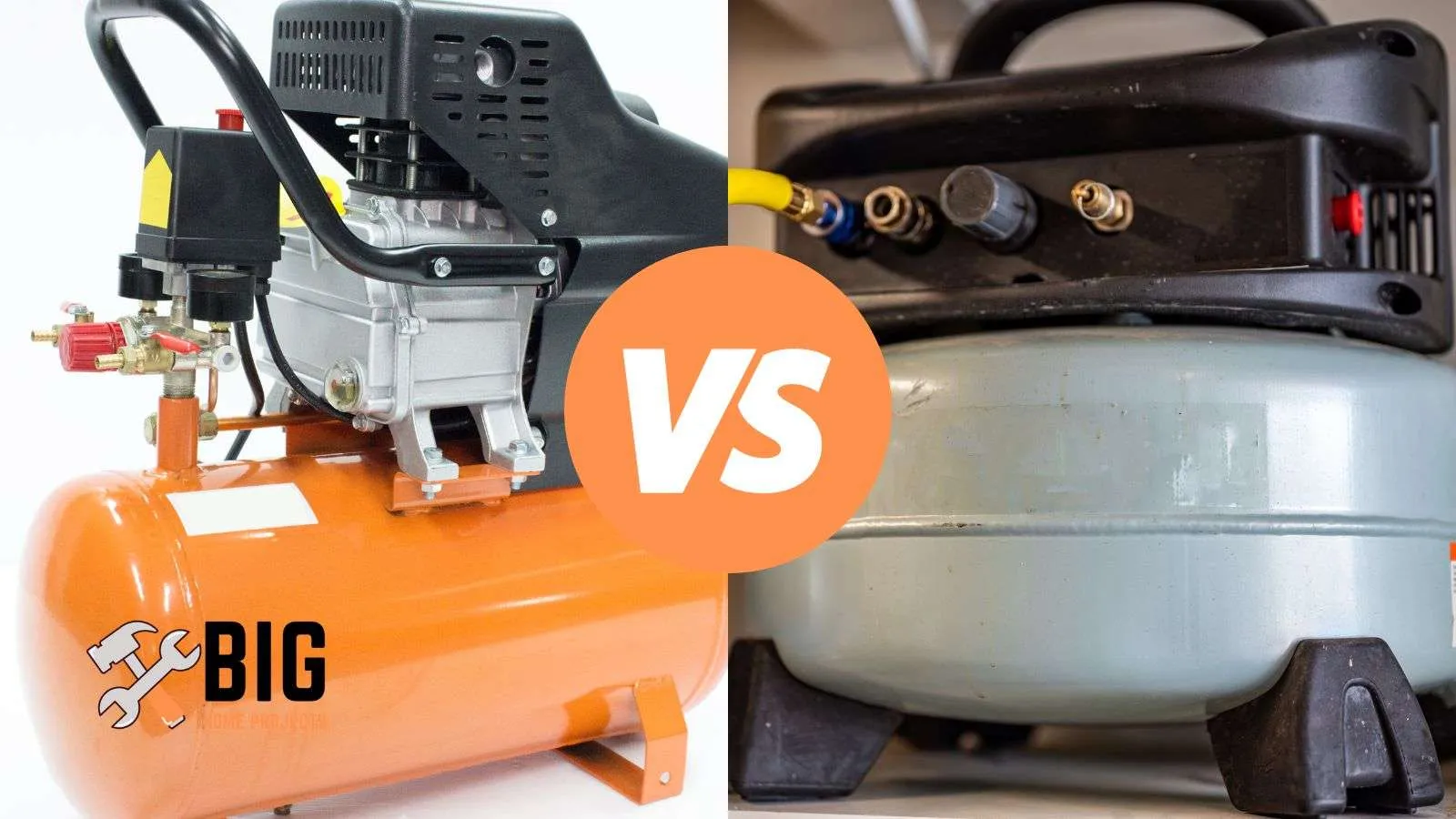
A pancake air compressor and a hotdog air compressor are two common types of portable air compressors, each with its own distinct features.
The primary difference lies in their shape and design.
A pancake air compressor typically has a round, flat, and compact shape resembling a pancake, hence the name.
It is known for its stability and low center of gravity, making it less likely to tip over during operation.
On the other hand, a hotdog air compressor has a longer, cylindrical tank resembling a hotdog, hence its name.
It is characterized by its vertical design, which allows for easy portability and storage in tight spaces.
The choice between the two depends on factors such as intended use, available space, and personal preferences.
What are the pros and cons of using a pancake air compressor?
| Pros | Cons |
| Compact and stable design | Limited power for heavy-duty tasks |
| Lightweight and portable | Shorter duty cycle |
| Quieter operation | Reduced air storage capacity |
| User-friendly and easy to use |
The table provides a concise overview of the pros and cons associated with using a pancake air compressor.
Pros
- Compact and stable: Pancake air compressors are designed to have a flat and compact shape, making them highly portable and easy to store. Their low center of gravity provides stability during operation, reducing the risk of tipping over.
- Lightweight: These compressors are generally lighter compared to other types, making them ideal for mobile applications or projects that require frequent transportation.
- Quieter operation: Pancake compressors tend to produce less noise compared to larger and more powerful models, making them suitable for indoor use or in noise-sensitive environments.
- User-friendly: They are typically designed with user convenience in mind, featuring easy-to-use controls and quick setup. They often have built-in carrying handles for effortless transportation.
Cons
- Limited power: Due to their compact size, pancake air compressors typically have lower horsepower and tank capacity compared to larger models. This limitation may affect their ability to handle heavy-duty tasks or applications requiring high airflow or pressure.
- Shorter duty cycle: Pancake compressors often have a shorter duty cycle, meaning they can run for a limited period before needing to cool down. This can be a drawback for tasks that require continuous operation or extended use.
- Reduced air storage: The flat shape of pancake compressors generally results in a smaller tank capacity, which means they store less compressed air. This can impact the duration of continuous operation before the compressor needs to refill the tank.
What are the pros and cons of using a hotdog air compressor?
| Pros | Cons |
| Portable and space-efficient design | Higher noise levels during operation |
| Versatile applications | Less stability compared to pancake compressors |
| Longer duty cycle | Heavier weight for transportation |
| Adequate air storage capacity |
The table provides a concise overview of the pros and cons associated with using a hotdog air compressor.
Pros
- Portable and space-efficient: Hotdog air compressors have a vertical design that makes them highly portable and easy to move around. Their slim and elongated shape allows for convenient storage in tight spaces.
- Versatile applications: They offer a good balance between power and portability, making them suitable for a wide range of applications, including inflating tires, operating pneumatic tools, and powering small to medium-sized air tools.
- Longer duty cycle: Hotdog compressors often have a longer duty cycle compared to pancake models, enabling them to run for more extended periods without requiring frequent cooling down.
- Adequate air storage: These compressors typically have larger tank capacities compared to pancake compressors, providing a higher volume of compressed air for longer operating durations.
Cons
- Higher noise levels: Hotdog compressors may generate more noise during operation compared to pancake compressors, which could be a concern in noise-sensitive environments.
- Less stable: Due to their vertical design, hotdog air compressors may be less stable than pancake models, and precautions should be taken to prevent tipping or accidental falls.
- Heavier weight: Hotdog compressors tend to be heavier than pancake compressors, which can make them less convenient for frequent transportation or mobility.
Which type of air compressor should you choose for roofing?
When it comes to roofing, it is generally recommended to use a hotdog air compressor.
Hotdog air compressors provide a good balance between power and portability, making them suitable for roofing applications such as nail guns and staplers, while their larger tank capacity ensures an adequate air supply for extended periods of operation.
What type of roofing nailer is best used with a pancake or hotdog air compressor?
Both pancake and hotdog air compressors can be used with roofing nailers, but it’s important to consider the specific requirements and recommendations of the nailer manufacturer.
In general, roofing nailers are designed to work with air compressors that can provide sufficient airflow and pressure to drive the nails effectively into roofing materials.
For most roofing nailers, a hotdog air compressor is often preferred due to its higher tank capacity and longer duty cycle.
The larger tank allows for more continuous operation, reducing the need for frequent pauses to refill the tank.
The longer duty cycle also ensures that the compressor can sustain consistent airflow for extended periods, which is beneficial for roofing applications that may require continuous nail driving.
However, it’s crucial to check the specifications and recommendations provided by the nailer manufacturer.
They may specify the required airflow (measured in cubic feet per minute, or CFM) and pressure (measured in pounds per square inch, or PSI) for optimal performance.
Ensure that the chosen air compressor, whether pancake or hotdog, meets or exceeds these requirements to ensure proper functionality and efficient operation of the roofing nailer.
What should I consider when buying an air compressor?
When buying an air compressor, there are several key factors to consider to ensure that you select the right one for your needs. Here are some important considerations:
- Purpose and intended applications: Determine the specific tasks or applications you plan to use the air compressor for, such as inflating tires, powering tools, or operating machinery. This will help determine the required airflow, pressure, and capacity.
- Power source: Decide whether you prefer an electric-powered or gas-powered compressor. Electric models are more common and suitable for indoor use, while gas-powered compressors offer more mobility and are often used in outdoor or remote locations.
- Airflow and pressure requirements: Consider the airflow (measured in CFM) and pressure (measured in PSI) needed for your applications. Ensure that the compressor you choose can deliver the required airflow and pressure consistently.
- Tank size and capacity: Determine the appropriate tank size based on the duration of continuous operation you need. A larger tank provides more stored air and reduces the need for the compressor to run continuously. Consider the capacity based on the tools or equipment you plan to use.
- Portability and mobility: Evaluate the portability features of the compressor, such as built-in wheels, handles, or lightweight design. This is especially important if you need to move the compressor frequently or work in different locations.
- Noise level: Consider the noise level of the compressor, especially if you plan to use it in noise-sensitive environments or for extended periods. Look for models that offer quieter operation or include noise-reduction features.
- Brand reputation and quality: Research different brands and read reviews to assess their reputation and the quality of their products. It’s important to choose a reliable and reputable brand known for producing durable and efficient air compressors.
- Budget: Determine your budget range and find a compressor that offers the best combination of features, quality, and value within your budget.
What type of compressor is most suitable for a DIY roofing project?
For a DIY roofing project, a portable and versatile air compressor is typically the most suitable option. In this case, both pancake and hotdog air compressors can be suitable choices, depending on your specific needs and preferences. Here are a few factors to consider when making your selection:
- Power and capacity: Ensure that the chosen compressor has sufficient power (CFM and PSI) to drive roofing nailers effectively. Look for models with a tank capacity that can support continuous operation for the duration of your project.
- Portability: Since DIY roofing projects may require moving around the job site, consider a compressor that is lightweight and equipped with built-in handles or wheels for easy transportation.
- Noise level: If you’re working in a residential area or noise-sensitive environment, consider air compressors with noise reduction features to minimize disturbances.
- Versatility: Look for a compressor that can power other pneumatic tools or equipment besides the roofing nailer, adding flexibility to your DIY projects.
- Budget: Consider your budget and find a compressor that offers a good balance between price and features. Remember to prioritize quality and reliability to ensure a satisfactory performance.
Which type of compressor is more portable?
When it comes to portability, pancake air compressors are generally considered to be more portable compared to hotdog air compressors. Here’s why:
Pancake air compressors
- Compact and flat design: Pancake compressors are typically designed to be flat and compact, resembling the shape of a pancake. This design allows for easy storage and transportation, particularly in tight spaces or vehicles.
- Lower center of gravity: The low profile and wide base of pancake compressors provide stability during operation and make them less prone to tipping over. This feature enhances their portability by ensuring they can be safely moved without the risk of falling.
Hotdog air compressors
- Vertical shape: Hotdog compressors have a vertical design with an elongated tank resembling a hotdog. While they may be taller, they are generally more slender and easier to carry or transport than larger horizontal tank compressors.
- Handle or wheels: Some hotdog compressors are equipped with handles or wheels to enhance their portability. These features make it more convenient to move the compressor from one location to another.
What is the difference in output between a pancake and a hotdog compressor?
The difference in output between a pancake compressor and a hotdog compressor primarily depends on their specific specifications, such as horsepower, airflow, and pressure.
Generally, hotdog compressors tend to have higher horsepower ratings and larger tank capacities compared to pancake compressors.
This allows hotdog compressors to deliver more air volume (CFM) and maintain higher pressure (PSI) for longer durations.
As a result, they can handle more demanding applications that require higher airflow or pressure, such as operating larger pneumatic tools or equipment.
Pancake compressors, on the other hand, typically have lower horsepower ratings and smaller tank capacities.
While they may have a relatively lower output compared to hotdog compressors, they are still capable of handling a range of DIY projects and lighter pneumatic tools.
What is the noise level of a pancake vs. hotdog compressor?
The noise level of a pancake compressor versus a hotdog compressor can vary depending on the specific model and manufacturer.
However, there are some general considerations regarding noise levels:
- Pancake compressors: Pancake compressors are often known for their relatively quieter operation compared to larger and more powerful compressors. While they do produce noise during operation, their compact design and often smaller motors tend to result in lower noise levels. Many pancake compressors come with noise reduction features or insulation to further minimize noise.
- Hotdog compressors: Hotdog compressors can vary in noise levels, depending on their size, motor power, and specific design. Generally, larger hotdog compressors with higher horsepower ratings may produce more noise compared to smaller models. However, advancements in technology and design have led to the development of quieter hotdog compressors with noise-reduction features.
What is the price difference between a pancake and a hotdog compressor?
The price difference between a pancake compressor and a hotdog compressor can vary depending on the specific brand, model, features, and overall quality.
However, as a general observation, pancake compressors tend to be slightly more affordable compared to hotdog compressors.
On average, pancake compressors may cost around 10% to 20% less than hotdog compressors of similar specifications and quality.
Which air compressor is more popular with roofers?
Pancake air compressors are popular among roofers due to their compact and stable design.
The flat shape and wide base make them easy to store and transport, which can be beneficial when moving around a roof or navigating tight spaces.
They are also often quieter in operation and generally more affordable compared to larger compressors.
Roofers, on the other hand, also favor hotdog air compressors because of their larger tank capacity and longer duty cycles.
These features allow for extended periods of operation without the need for frequent pauses to refill the tank or cool down the compressor.
Hotdog compressors provide ample air storage, which can be advantageous when roofing tasks require continuous airflow for nail guns or other pneumatic tools.
Other interesting articles:
- How to Use a Nail Gun with an Air Compressor for Roofers (A Full Guide)
- Setting the Right PSI to Use on an Air Compressor (Guide to Understanding CFM and PSI)
- How Much Noise Does an Air Compressor Make? (Solutions for Quiet Projects)
- How Long Can You Use Your Air Compressor? (Before Needing to Refill it Again)