
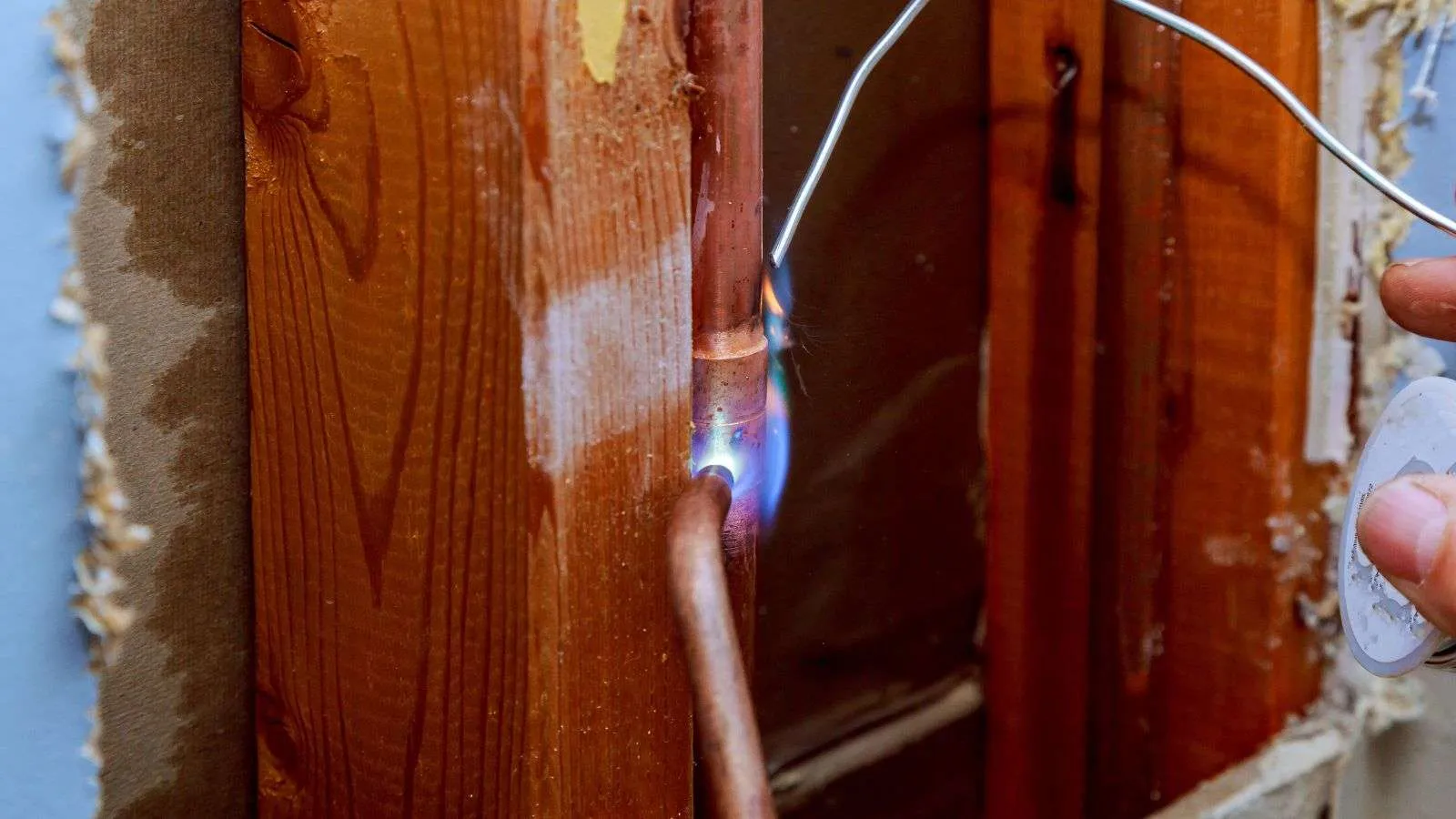
Soldering is a common technique used in various fields, including electronics. However, the type of solder used can significantly affect the performance and longevity of the electronic components.
In this article, we’ll delve into the topic of “Plumbing Solder for Electronics”, shedding light on why it’s critical to avoid using plumbing solder for electronics, the role of flux in soldering, the damaging effects of acidic solder on wiring, among other pertinent subtopics.
5 Crucial reasons why you shouldn’t use plumbing solder for electronics
1. Acidic composition
Plumbing solder contains a strong acid that can cause significant damage to circuit boards and electronic components. This acid is highly corrosive and can rapidly degrade the wiring, leading to malfunctioning or non-functional electronic devices.
Tip: Always make sure you use solder specifically designed for electronic use. Look for solder that is labeled as “electronic solder” or “solder for PCB (Printed Circuit Board) applications.” This ensures that the solder does not contain any harmful acids that could damage your electronics.
2. Corrosion risk
The corrosive nature of plumbing solder’s acid can have long-lasting effects on electronic circuitry. It can eat away at the wiring, traces, and connections, compromising the overall performance and reliability of your electronic devices.
Tip: To protect your electronics, use solder that is formulated to be non-corrosive and safe for electronic applications. This specialized solder will minimize the risk of corrosion and preserve the integrity of your electronic components.
3. Inappropriate soldering iron tips
Soldering iron tips designed for plumbing purposes are typically larger than those intended for electronics. Using such oversized tips can lead to difficulties in precise soldering, potentially damaging delicate electronic components or overheating nearby parts of the circuit board.
Tip: Invest in a soldering iron with fine tips specifically designed for electronic PCB soldering. These tips provide better control, precision, and heat distribution, ensuring safe and accurate soldering without risking damage to your electronics.
4. Quality control and reliability
Solder labeled for electronic use undergoes strict quality control measures to meet industry standards. On the other hand, plumbing solder may not adhere to the same quality standards required for electronic applications. Using substandard solder can result in unreliable electrical connections, increased failure rates, and reduced overall performance of your electronic devices.
Tip: Always select solder that is explicitly labeled and manufactured for electronic use. This allows for consistent quality, reliability, and compatibility with your electronic components.
5. Safety concerns
Plumbing solder’s acid content poses potential safety hazards when used in electronics. As the acid can damage circuit boards, it may also release harmful fumes or toxic substances when heated during the soldering process, posing health risks to individuals working with the electronics.
Tip: Prioritize your safety by using solder that is specifically designed for electronic applications. This type of solder minimizes the release of harmful fumes and creates a safer working environment while soldering electronic components.
Understanding the corrosive nature of plumbing solder
The corrosive nature of plumbing solder stems from the strong acid it contains. This acid can rapidly degrade wiring and circuit boards used in electronics, leading to malfunctioning or non-functional devices. The corrosive properties of the acid can eat away at the delicate connections and traces, compromising the overall performance and reliability of electronic components. To avoid this damage, use solder that is specifically designed for electronic applications, as it is formulated to be non-corrosive and safe for use on circuit boards and electronic wiring.
The role of flux in soldering
Flux plays a crucial role in the soldering process by facilitating the formation of a reliable, high-quality solder joint. Flux is a chemical substance that helps to remove oxides, contaminants, and impurities from the surfaces being soldered. During soldering, flux cleans the metal surfaces, allowing the solder to flow smoothly and evenly onto the joint. It also helps to prevent the formation of new oxides during the soldering process, which can hinder the bonding of the solder to the surfaces.
Flux promotes wetting, which is the ability of the solder to spread and adhere to the surfaces being joined. This creates a strong and durable connection. Flux can be in the form of a liquid, paste, or even incorporated into the core of the solder wire. Use the appropriate flux for the specific application and promotes proper cleaning of flux residues after soldering to maintain the integrity and reliability of the solder joint.
Key differences of acid-based flux vs rosin core flux
Acid-based flux
- Contains a strong acid that helps remove oxidation and contaminants from metal surfaces.
- Provides effective cleaning and promotes good solder flow.
- Requires thorough cleaning after soldering to remove any corrosive residue.
- Not suitable for sensitive electronic components as it can cause damage if not properly cleaned.
- Typically used for plumbing, heavy-duty applications, or when soldering materials with heavy oxidation.
Rosin core flux
- Contains rosin, a natural resin derived from pine trees.
- Provides excellent wetting and solder flow without the use of corrosive chemicals.
- Leaves behind a non-corrosive residue that does not require extensive cleaning.
- Suitable for soldering sensitive electronic components as it is less likely to cause damage.
- Commonly used in electronics, circuit board assembly, and other delicate applications.
How plumbing solder can damage circuit boards and components
Plumbing solder can damage circuit boards and components due to its corrosive nature. The strong acid present in plumbing solder can rapidly degrade the wiring, traces, and connections on circuit boards. When applied to electronic components, the acid can eat away at the delicate metal surfaces, compromising their functionality and reliability.
This corrosion can lead to poor electrical conductivity, intermittent connections, or even complete failure of the affected components. Moreover, the corrosive properties of plumbing solder can cause long-term damage that may be irreversible, rendering the circuit board and its components useless.
The impact of acidic solder on wiring
Acidic solder can have a significant impact on wiring, particularly in electronic applications. The corrosive nature of the acid present in the solder can rapidly degrade the wiring, leading to various issues. The acid can eat away at the insulation and protective coatings of the wires, exposing the conductive material. This can result in increased electrical resistance, poor conductivity, and potential short circuits.
Over time, the acid can further corrode the exposed wires, weakening their structural integrity and potentially causing them to break or fail. The corrosive properties of acidic solder can lead to the formation of unwanted connections or bridging between wires, causing cross-talk or interference in the electrical system.
What exactly happens when plumbing solder degrades wiring
When plumbing solder degrades wiring, several detrimental effects can occur. The corrosive nature of the acid present in plumbing solder can rapidly eat away at the protective coatings and insulation surrounding the wires. As a result, the conductive material of the wires becomes exposed, leading to increased electrical resistance and poor conductivity. This can cause a range of problems, including voltage drops, signal degradation, and potential malfunctions in the electrical system.
Over time, the degradation of wiring caused by plumbing solder can weaken the structural integrity of the wires. They may become brittle, prone to breaking or fraying, which can interrupt the flow of electricity and lead to intermittent connections or complete failure. Moreover, the corrosive properties of plumbing solder can also cause unwanted connections or bridging between wires, causing short circuits and potential damage to connected components.
Resolving connection failures due to inappropriate solder usage
First of all, identify the problematic connections by conducting a thorough visual inspection of the solder joints. Look for signs of inadequate solder flow, cold joints (insufficient heat transfer during soldering), or excessive solder bridges.
Next, desolder the faulty connections using a desoldering tool or a soldering iron with a desoldering pump, ensuring that the affected area is free from any solder residue. Clean the area using isopropyl alcohol or a specialized flux cleaner to remove any flux or contaminants. Once clean, reapply the appropriate solder by ensuring the proper temperature and technique are used. Adequate heat and flux application are crucial to achieving a strong, reliable solder joint.
Finally, inspect the repaired connections to ensure they meet the required standards. Functional testing or continuity checks may be necessary to verify the integrity of the connections and maintain proper functionality. By following these steps and using suitable soldering techniques and materials, it is possible to rectify connection failures caused by inappropriate solder usage and restore the functionality of the electronic device.
Why waterproof joints are unsuitable for electronics
Waterproofing techniques such as sealing or coating joints with materials like silicone or epoxy can create a barrier that prevents moisture and other environmental elements from entering the electronic components. However, these techniques can also trap heat generated by the electronics, leading to overheating and potential damage.
Electronics require adequate airflow and ventilation to dissipate heat efficiently. Waterproofing joints can impede this necessary heat dissipation, causing components to operate at higher temperatures than intended. If repairs or modifications are required, waterproofed joints can make it challenging to access and work on the electronics, potentially causing further damage during the process.
Therefore, try to strike a balance between protecting against moisture and allowing proper heat dissipation when considering waterproofing techniques for electronic devices.
Ensuring the right selection of solder for electronic use
When choosing solder for electronic applications, look for solder that is specifically labeled for electronic use or PCB applications. This ensures that the solder is formulated to be non-corrosive and safe for use on circuit boards and electronic wiring.
Consider the composition of the solder, such as lead-based or lead-free options, based on your specific requirements or regulations. It is also recommended to select solder with a suitable diameter or thickness that matches the size of the components and joints being soldered. Furthermore, consider using solder with a flux core, as it simplifies the soldering process by providing the necessary flux for cleaning and wetting the surfaces.