
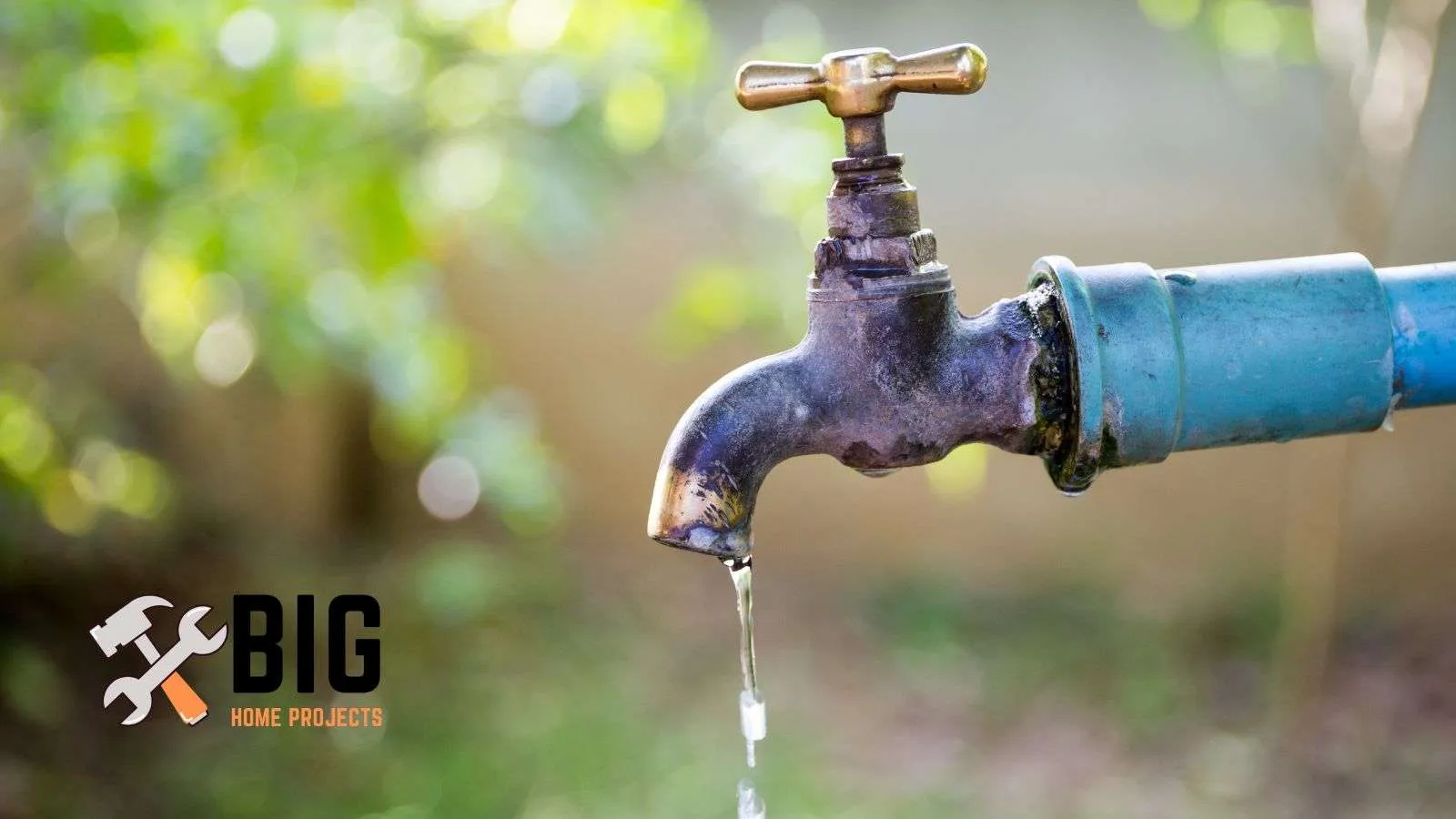
To avoid potential damage from freezing temperatures, winterizing your outdoor faucets is a crucial step in home maintenance. Taking the necessary precautions ensures the longevity of your faucets and avoids costly repairs.
In this article, we will discuss the risks of not winterizing your outdoor faucets, the necessary supplies and tools, and a few key methods to keep your faucets in optimal working condition throughout the winter.
Three Key methods to prevent frozen outdoor faucets this winter
1. Insulate your outdoor faucets
Insulating your outdoor faucets is a major step in preventing them from freezing during the winter. Start by purchasing foam faucet covers or insulation tape from your local hardware store. These materials are designed to provide a protective barrier against the cold temperatures.
To insulate your faucet, first shut off the water supply using the shut-off valve inside your home. Next, disconnect any hoses or attachments from the faucet. Then, wrap the foam faucet cover or insulation tape around the faucet, ensuring that it covers the entire exposed area. Pay extra attention to wrapping the insulation tightly around any joints or bends in the pipe.
Remember to secure the insulation in place using zip ties or tape, if necessary. This will help to keep it in position and prevent it from coming loose during winter storms.
2. Drain and disconnect hoses
Leaving hoses attached to outdoor faucets during the winter is a common mistake that can lead to frozen and burst pipes. To avoid this, it is essential to drain and disconnect all hoses before the cold weather sets in.
Start by turning off the water supply to the outdoor faucet using the shut-off valve inside your home. Then, detach the hose from the faucet and allow any remaining water to drain completely. Once the hose is drained, coil it up neatly and store it indoors to protect it from freezing temperatures.
By disconnecting and draining hoses, you eliminate the risk of water freezing in the hose and causing damage to both the hose and the faucet.
3. Install a frost-free faucet or use a faucet cover
If you live in an area with extremely cold temperatures, consider installing a frost-free faucet. These faucets are designed with a built-in mechanism that prevents water from remaining inside the pipe and freezing during the winter. A qualified plumber will typically install frost-free faucets, which can offer long-term protection against frozen pipes.
Alternatively, if installing a frost-free faucet is not an option, you can use a faucet cover as an additional layer of protection. Faucet covers are inexpensive and easy to install. They are designed to fit over the faucet and provide insulation to prevent freezing.
Remember to regularly check the condition of your faucet cover throughout the winter season and replace it if necessary. Make sure that the cover remains intact and securely in place to provide effective insulation.
What are the risks of not winterizing my outdoor faucets?
One of the most significant risks is frozen pipes. When water in the pipes freezes, it expands, putting pressure on the pipes and increasing the likelihood of them bursting.
Burst pipes can cause extensive water damage to your home’s interior, leading to costly repairs and potential mold growth. If the water supply to your outdoor faucet is not shut off and the faucet is left connected to a hose, the water inside the hose can freeze and expand, causing both the hose and the faucet to burst.
This can result in the need for replacement of both the hose and faucet. Moreover, frozen outdoor faucets can also disrupt your water supply, making it difficult or impossible to access water from outside sources during winter months. This can be particularly inconvenient if you rely on outdoor faucets for tasks such as watering plants, filling buckets, or washing your car.
What supplies and tools do I need for winterizing my faucets?
- Foam faucet covers: These provide insulation for outdoor faucets and help prevent freezing.
- Insulation tape: An alternative to foam faucet covers, insulation tape can be wrapped around faucets to provide insulation.
- Zip ties or tape: These can be used to secure the insulation in place and prevent it from coming loose.
- Shut-off valve: This is necessary for turning off the water supply to the outdoor faucet.
- Hose disconnect tool: A tool specifically designed to detach hoses from faucets, making it easier to drain and store them.
- Bucket or container: Use this to collect any water that may be trapped in the faucet or hose during winterizing.
- Plumber’s wrench: This tool may be needed to loosen any connections or fittings on the faucet.
- Frost-free faucet: Optional, but highly recommended for areas with extremely cold temperatures. A frost-free faucet has built-in mechanisms to prevent freezing.
- Faucet cover: Another optional item that provides an extra layer of insulation for the outdoor faucet.
- Garden hose reel or storage solution: If you have a garden hose, it’s useful to have a reel or storage solution to keep it organized and protected indoors during winter.
When is the best time to prepare my outdoor faucets for winter?
The best time to prepare your outdoor faucets for winter is typically in the late fall, before temperatures drop below freezing. In order to avoid potential damage from freezing, start early and winterize your faucets before the cold weather arrives.
By doing it in late fall, you give yourself enough time to gather the necessary supplies, schedule any professional installations if needed, and complete the winterizing process before the arrival of freezing temperatures. Waiting until winter has already arrived or temperatures have dropped significantly increases the risk of frozen pipes and burst faucets.
What types of outdoor faucets are prone to freezing?
- Non-frost-free faucets: Standard outdoor faucets without built-in frost protection mechanisms are more prone to freezing. These faucets have a straight pipe that extends into the ground, leaving the water supply vulnerable to freezing temperatures.
- Sill-cock faucets: Sill-cock faucets, also known as hose bibs, are commonly found on the exterior of homes. They are susceptible to freezing because they often have long exposed pipes, making them more vulnerable to cold air and freezing temperatures.
- Uninsulated faucets: Outdoor faucets that lack proper insulation are at a higher risk of freezing. Without insulation, cold temperatures can easily penetrate the pipes and cause the water inside to freeze.
What steps should I follow to winterize my outdoor faucets?
- Turn off the water supply: Locate the shut-off valve inside your home that controls the water supply to the outdoor faucet. Turn it off to prevent water from flowing to the faucet during winter. If you have trouble finding the shut-off valve, consult a plumber or refer to your home’s plumbing system manual. Open the outdoor faucet after shutting off the water supply to drain any remaining water in the pipe.
- Disconnect hoses and attachments: Remove any hoses, sprinklers, or other attachments connected to the outdoor faucet. Leaving them attached can cause water to accumulate and freeze, potentially leading to burst pipes. Coil up the hoses neatly and store them indoors to protect them from freezing temperatures.
- Drain the faucet and pipe: Open the outdoor faucet completely to allow any remaining water in the pipe to drain out. This step is crucial to prevent water from freezing inside the faucet and pipe. Use a bucket or container to catch any water that comes out of the faucet, minimizing water waste and preventing ice buildup around the faucet.
- Insulate the faucet and exposed pipes: Wrap the outdoor faucet and any exposed pipes with foam faucet covers or insulation tape. Make sure that all areas vulnerable to freezing are adequately covered. Use zip ties or tape to secure the insulation in place, preventing it from coming loose during winter storms.
- Consider a frost-free faucet or faucet cover: If you live in an area with extremely cold temperatures, consider installing a frost-free faucet. Alternatively, you can use a faucet cover as an additional layer of protection. Regularly check the condition of your faucet cover throughout winter and replace it if damaged or worn out.
How do I locate and identify my outdoor faucets?
Locating and identifying outdoor faucets can vary depending on the layout of your property. To find outdoor faucets, start by looking for areas around the exterior of your house where water may be needed, such as the front or backyard.
Common locations for outdoor faucets include the sides of the house, near gardens, or close to driveways. Outdoor faucets are typically attached to the exterior wall of the house and may have a handle or knob for turning on and off the water flow.
Look for a pipe extending from the wall with a faucet head at the end. The faucet head may have a threaded spout for attaching hoses or other attachments. It’s also worth checking crawl spaces, basements, or utility rooms as some outdoor faucets may have shut-off valves located inside these areas.
Can I use insulation to protect my outdoor faucets?
Yes, using insulation is an effective way to protect your outdoor faucets during winter. Insulation provides a barrier between the cold temperatures and the faucet, helping to prevent freezing and potential damage. Insulating your outdoor faucets offers several benefits.
It helps to retain heat around the faucet, keeping the water inside from freezing. Insulation can help reduce heat loss, which can save energy and prevent costly repairs or replacements. Foam faucet covers and insulation tape are commonly used for this purpose, as they are easy to install and provide effective insulation. However, the insulation must be properly secured and covers the entire exposed area of the faucet.
Regular maintenance is necessary to check for any signs of wear or damage to the insulation and replace it if needed. It’s worth noting that while insulation is highly recommended, it may not provide complete protection in extremely cold temperatures or during prolonged periods of freezing weather. In such cases, considering a frost-free faucet or using additional measures like faucet covers can provide extra protection.
How do I maintenance my outdoor faucets after winterizing them?
- Remove insulation: Start by removing any insulation, such as foam faucet covers or insulation tape, that you applied during the winterization process. Carefully unwrap and discard the insulation.
- Inspect for damage: Thoroughly inspect the outdoor faucets for any signs of damage or leaks. Look for cracks, loose connections, or other issues that may have occurred during the winter months. If you notice any damage, address it promptly.
- Turn on the water supply: Open the shut-off valve inside your home to restore the water supply to the outdoor faucets. Slowly and gradually turn on the faucet to allow water to flow through. Check for any leaks around the faucet or in the pipes.
- Test functionality: Test each outdoor faucet to make sure they are working properly. Turn the faucets on and off to observe if they operate smoothly and without any issues. Monitor the water flow and check for any irregularities.
- Clean and remove debris: Clear away any debris, dirt, or leaves that may have accumulated around the outdoor faucets during winter. Use a soft brush or cloth to clean the faucet surfaces and remove any residue.
- Consider protective measures: If you live in an area with freezing temperatures, you may want to reinstall insulation or use faucet covers for added protection during colder periods. Assess the weather conditions and determine if additional measures are necessary.
- Regular maintenance: Keep up with regular maintenance throughout the year for optimal performance of your outdoor faucets. This includes checking for leaks, repairing any damage promptly, and insulating as needed during the winter months.
What should I do if my outdoor faucet is already frozen?
If your outdoor faucet is already frozen, there are a few steps you can take to handle the situation and prevent further damage. First, turn off the water supply to the faucet using the shut-off valve inside your home. This will stop the flow of water and minimize the risk of burst pipes.
Next, you can attempt to thaw the faucet by using a hairdryer, heat lamp, or hot towels. Apply gentle heat to the frozen area, starting from the faucet and working your way along the pipe. Avoid using an open flame or excessive heat, as this can cause damage. As the faucet thaws, be careful of any potential leaks or cracks that may occur.
Once the faucet is thawed, keep it running at a slow drip to help prevent refreezing until you can fully address the issue. If you are unable to thaw the faucet or if there are signs of damage, it’s recommended to contact a professional plumber for assistance.
Are there any professional services I can hire to winterize my faucets?
Yes, there are professional services available that specialize in winterizing outdoor faucets and plumbing systems. Hiring professionals for winterization can offer several benefits. Professionals have the expertise and experience to properly assess your specific plumbing needs and efficiently winterize your faucets. They are knowledgeable about the best practices and can almost guarantee that all necessary steps are taken to protect your plumbing system from freezing and potential damage.
Professionals may have access to specialized tools and equipment that can make the process more effective. Hiring professionals can save you time and effort, as they will handle the entire winterization process for you, from shutting off the water supply to insulating the faucets and pipes. This gives you peace of mind knowing that your outdoor faucets are adequately protected for the winter season.
If you prefer to have the winterization done by a professional or if you are unsure about the process, contacting a local plumber from our directory Big Home Projects can be a convenient and reliable option.
How do I winterize other outdoor plumbing fixtures?
- Sprinkler system: Turn off the water supply to the sprinkler system using the shut-off valve. Drain any remaining water from the system by following the manufacturer’s instructions or using an air compressor to blow out the water from the pipes. It is recommended to hire a professional sprinkler system technician for proper winterization.
- Outdoor showers: Shut off the water supply to the outdoor shower, either by using a shut-off valve or turning off the main water supply. Disconnect and drain any hoses or attachments connected to the shower. Open all faucets and valves to allow any water to drain. Insulate exposed pipes with foam pipe sleeves or insulation tape.
- Ponds or fountains: Clean and remove any debris from the pond or fountain. Disconnect and remove any pumps, filters, or other equipment that can be damaged by freezing temperatures. If the pond has fish, get yourself a heater or aerator to prevent freezing.
- Outdoor sinks: Shut off the water supply to the outdoor sink using a shut-off valve or by turning off the main water supply. Disconnect and drain any hoses or attachments connected to the sink. Open all faucets and valves to allow any remaining water to drain. Insulate exposed pipes with foam pipe sleeves or insulation tape.
- Outdoor hot tubs or spas: Consult the manufacturer’s instructions for proper winterization procedures. Typically, this involves draining the water from the tub or spa, disconnecting and storing any removable parts, and covering it with a fitted cover for protection.
- Outdoor toilets: Shut off the water supply to the outdoor toilet using a shut-off valve or by turning off the main water supply. Flush the toilet to drain as much water as possible from the tank and bowl. Remove any hoses or attachments and drain them completely. Insulate exposed pipes with foam pipe sleeves or insulation tape.