
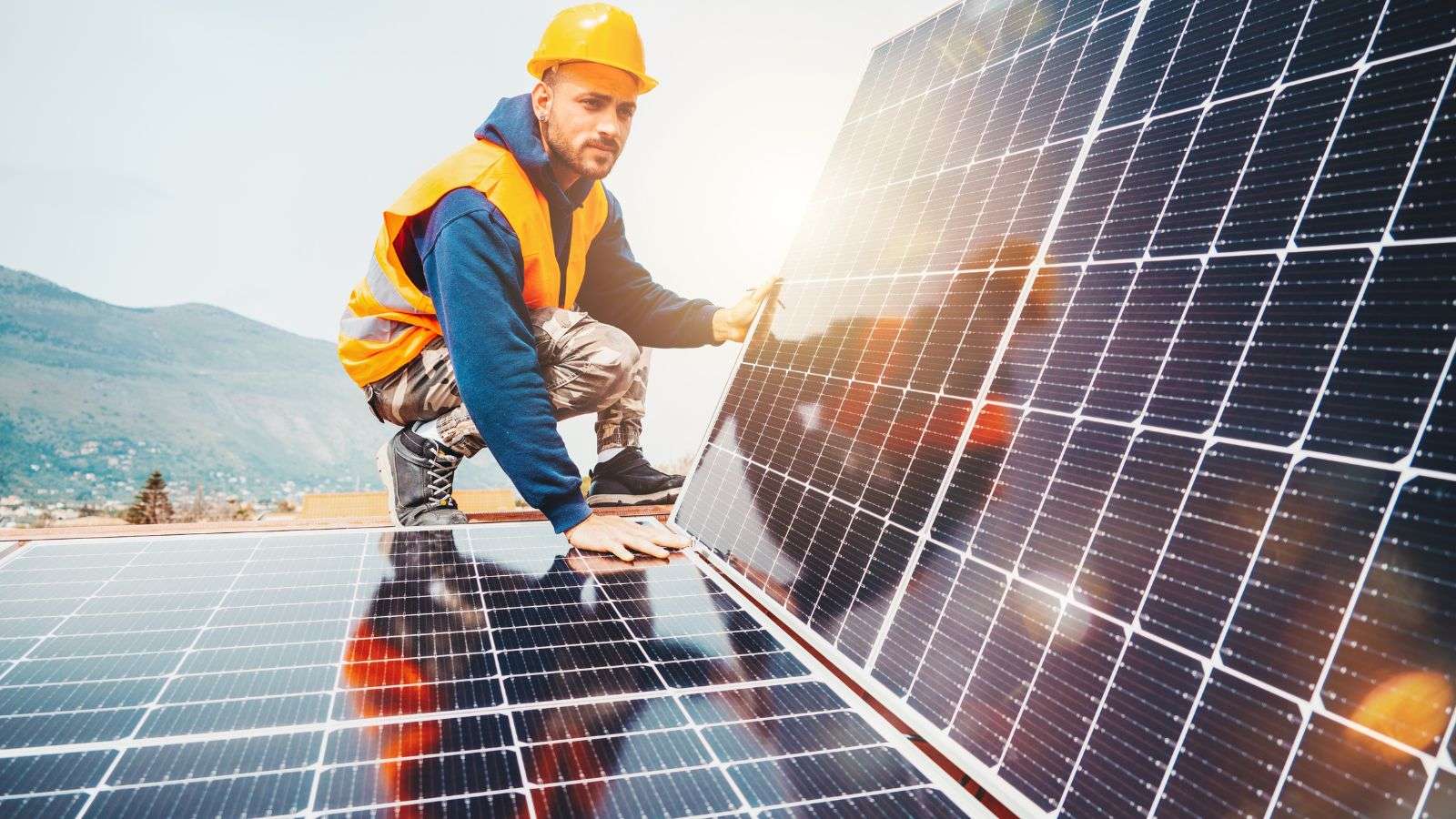
Undertaking the installation of a solar energy system is a big decision, and preparation for such installation is key to a successful and efficient energy yield. Prepping your roof is no less important, as it forms the bedrock of your solar setup.
In this article, we will go through the different aspects of preparing your roof for a solar energy system, elucidating on five crucial steps necessary for a smooth and efficient installation.
5 Crucial steps in prepping your roof for solar energy system
1. Inspect your roof
Before installing solar panels on your roof, it’s essential to conduct a thorough inspection. Check for any signs of damage, such as cracked or missing shingles, leaks, or structural issues. If you notice any problems, you need to address them before proceeding with the installation. Consider consulting a professional roofer who can provide expert guidance and recommend whether your roof needs repair or replacement.
When inspecting your roof, pay attention to the age and condition of the materials. If your roof is nearing the end of its lifespan, it might be wise to consider replacing it before installing solar panels. Make sure the roof can bear the added weight of the panels and that it meets local building codes and regulations.
2. Waterproof your roof
To protect your roof and guarantee its longevity, you have to waterproof the surface. Repair any existing damage, such as cracks or leaks, and apply a waterproofing sealant. This will create a protective barrier against moisture, preventing potential water damage and extending the lifespan of your roof.
Consider consulting a professional roofing contractor for waterproofing advice specific to your roof type. They can recommend suitable products and techniques for achieving effective waterproofing. Additionally, routine roof maintenance, such as reapplying sealant in accordance with the manufacturer’s recommendations, will help preserve the integrity of your roof over time.
3. Paint your roof
Applying a fresh coat of paint to your roof not only enhances its appearance but also provides an additional layer of protection against the elements. Choose a high-quality, reflective paint that can help reduce heat absorption and potentially improve the energy efficiency of your home.
Select a paint color that complements your home’s aesthetics while maximizing solar reflectivity. Lighter colors typically reflect more sunlight, reducing heat buildup in your home. However, consider climate factors as well. In colder regions, darker colors may help absorb heat during winter months. Consult with a professional painter or roofing expert to determine the best paint options for your specific needs.
4. Check your brackets
The brackets that secure your solar panels to the roof are crucial for their stability and longevity. Regularly check these brackets and make sure they are in good condition. Waterproofing them is also essential to prevent any potential water damage.
When inspecting the brackets, pay attention to any signs of rust, wear, or loose connections. Replace any damaged or deteriorated brackets promptly. Consider using waterproof sealants specifically designed for brackets to enhance their durability and protect against water infiltration.
5. Clean your roof
A clean roof is vital for optimal solar panel performance. Remove any dirt, leaves, debris, snow, or ice that may be blocking the sun from reaching your panels. Regular cleaning ensures maximum sunlight absorption and helps maintain the efficiency of your solar energy system.
When cleaning your roof, use gentle methods to avoid damaging the surface or the solar panels themselves. Soft-bristle brushes or low-pressure washers can be effective tools for removing dirt and debris without causing harm. However, exercise caution when working at heights or consider hiring professional roof cleaners if needed.
Do you need a roof inspection before installing solar panels?
Yes, it is highly recommended to conduct a roof inspection before installing solar panels. A thorough inspection allows you to assess the condition of your roof and identify any existing damage or potential issues that may affect the installation or performance of the solar energy system.
Cracked or missing shingles, leaks, structural problems, or an aging roof can significantly impact the long-term success of your solar panel investment. By addressing any necessary repairs or replacements before installation, you can make sure your roof is in optimal condition to support the weight of the panels and provide a secure foundation.
Consulting with a professional roofer during the inspection process can provide valuable insights and guidance to help you make informed decisions about the overall health and readiness of your roof for solar panel installation.
Why is roof waterproofing important for solar system installation?
First of all, a waterproof roof shields your home from potential water damage due to leaks or moisture infiltration. By sealing any existing cracks or repairing damaged areas, you create a watertight barrier that prevents water from seeping into your home and potentially damaging the electrical components of the solar system.
Second, waterproofing extends the life of your roof by preventing moisture-related deterioration, which over time can cause rot, mold, or structural damage. A well-maintained and waterproofed roof provides a stable and secure foundation for the solar panels, ensuring their durability and performance throughout their lifespan.
Finally, waterproofing helps maintain the overall energy efficiency of your home by preventing heat loss or gain through water-damaged areas.
The role of paint in protecting your roof for solar installation
Paint plays a significant role in protecting your roof from solar installation. When applied correctly, paint creates a protective layer that helps shield the roof from various elements. It acts as a barrier against UV rays, preventing them from degrading the roofing materials and causing premature aging.
A high-quality, reflective paint can help reduce heat absorption, thereby minimizing the strain on your cooling systems and potentially improving the overall energy efficiency of your home. By choosing a paint color that reflects sunlight, you can also prevent excessive heat buildup on the roof, which can affect the performance of solar panels.
Moreover, paint can provide an extra level of waterproofing, helping to seal the surface and protect against moisture damage.
How do you inspect and maintain brackets for your solar panels?
- Regular inspection: Perform routine visual inspections of the brackets to check for any signs of damage, wear, or corrosion. Look for rust, loose connections, or bent components that may affect the stability of the solar panels.
- Tighten connections: Make sure all connections, screws, and bolts are securely tightened. Loose connections can lead to instability and potential damage to the solar panels during extreme weather conditions.
- Replace damaged brackets: If you notice any brackets that are severely damaged or deteriorated, you need to replace them promptly. Damaged brackets can compromise the structural integrity of the solar panel system and pose a safety risk.
- Waterproofing: Apply a waterproof sealant specifically designed for brackets to protect against water infiltration. Waterproofing the brackets helps prevent moisture-related damage and extends their lifespan.
- Professional guidance: Consider consulting a professional solar panel installer or technician for a comprehensive inspection and maintenance of the brackets. They have the expertise to identify potential issues and provide appropriate solutions to maintain the longevity and performance of your solar energy system.
The importance of cleaning your roof before solar panel installation
A clean roof ensures that the solar panels receive maximum sunlight exposure. Removing dirt, leaves, debris, snow, or ice from the roof surface allows the panels to absorb sunlight more efficiently, optimizing their energy generation capacity.
By clearing the roof of any obstructions, you can prevent potential shading that may reduce the overall performance of the solar panels. Cleaning the roof helps maintain the longevity and efficiency of the panels by preventing the buildup of dirt or debris that could potentially damage the surface or obstruct proper airflow around the panels.
A clean roof provides a visually appealing environment for the solar panel installation, enhancing the overall aesthetics of your home.
How trimming nearby trees can improve solar energy efficiency
First, trimming trees that shade the area where the solar array will be installed allows for better access to sunlight. Solar panels require direct exposure to sunlight to generate maximum energy. By removing or trimming branches that cast shadows on the panels, you make sure they receive unobstructed sunlight throughout the day, enhancing their overall efficiency.
Second, trimming trees also reduces the risk of falling branches or debris that could potentially damage the solar panels. This proactive measure helps protect the panels and ensures their long-term functionality. Improved air circulation around the panels due to trimmed trees can help prevent the accumulation of dust or debris, contributing to better panel performance.
Finally, by creating an open space around the solar array, trimmed trees can provide an aesthetically pleasing environment and allow for easier maintenance and access to the panels.
The necessity of repositioning roof fittings for solar panels
Repositioning roof fittings is necessary when installing solar panels to maintain their optimal placement and functionality. Roof vents, antennas, satellite dishes, and other fittings that are in the way of the solar array can obstruct sunlight and hinder the performance of the panels.
By repositioning these fittings, you create unobstructed space on the roof, allowing the solar panels to receive maximum sunlight exposure throughout the day. Moreover, repositioning roof fittings also helps in avoiding potential shading issues that can significantly reduce the energy production of the solar system.
You need to consult with professionals during the installation process to identify the best locations for repositioning these fittings, taking into account their functionality, aesthetics, and compatibility with the solar panel layout.
Considering the availability of sunlight on your roof
The amount of sunlight your roof receives directly affects the efficiency and performance of your solar energy system. Ideally, your roof should have unobstructed access to sunlight for the majority of the day.
Factors such as nearby buildings, trees, or geographical location can impact the duration and intensity of sunlight exposure. Before installation, it is essential to assess the orientation and tilt of your roof to determine its solar potential.
South-facing roofs generally receive the most sunlight in the Northern Hemisphere, while north-facing roofs may be more suitable in the Southern Hemisphere. Taking into account the seasonal variations in sunlight angles can help optimize the positioning of the solar panels for maximum energy generation.
Taking roof measurements is an essential step for solar panel installation
Taking roof measurements is indeed an essential step for solar panel installation. Accurate measurements provide critical information for designing and planning the solar energy system. By measuring the dimensions of your roof, including its length, width, and slope, you can determine the available space for placing the solar panels.
These measurements are vital for calculating the number of panels that can fit on your roof and optimizing their placement for maximum sunlight exposure. Precise measurements help in determining the appropriate positioning of mounting brackets and ensuring that they are securely attached to the roof structure.
Moreover, accurate measurements enable solar installers to assess any potential obstructions or challenges during the installation process.
Other considerations when preparing your roof for solar panels
- Roof age and condition: Assess the age and condition of your roof to determine if any repairs or replacements are necessary before installing solar panels. An older or damaged roof may require attention to maintain its structural integrity and longevity.
- Weight capacity: Verify that your roof can support the additional weight of the solar panels. Consult with a structural engineer or roofing professional to make sure your roof meets the necessary weight-bearing requirements.
- Local building codes and permits: Familiarize yourself with the local building codes and regulations regarding solar panel installations. Obtain any required permits to ensure compliance with legal requirements and safety standards.
- Roof warranty: Review your roof’s warranty to understand any specific provisions related to solar panel installations. Some warranties may have terms or limitations that need to be considered before proceeding.
- Accessibility for maintenance: Consider the accessibility of your roof for future maintenance and potential repairs. Make sure there is safe and convenient access to the solar panel array for cleaning, inspections, and maintenance purposes.
- Professional installation: Engage a reputable solar panel installation company or qualified professionals to handle the installation process. Their expertise ensures proper installation, adherence to safety protocols, and optimized performance of your solar energy system.