
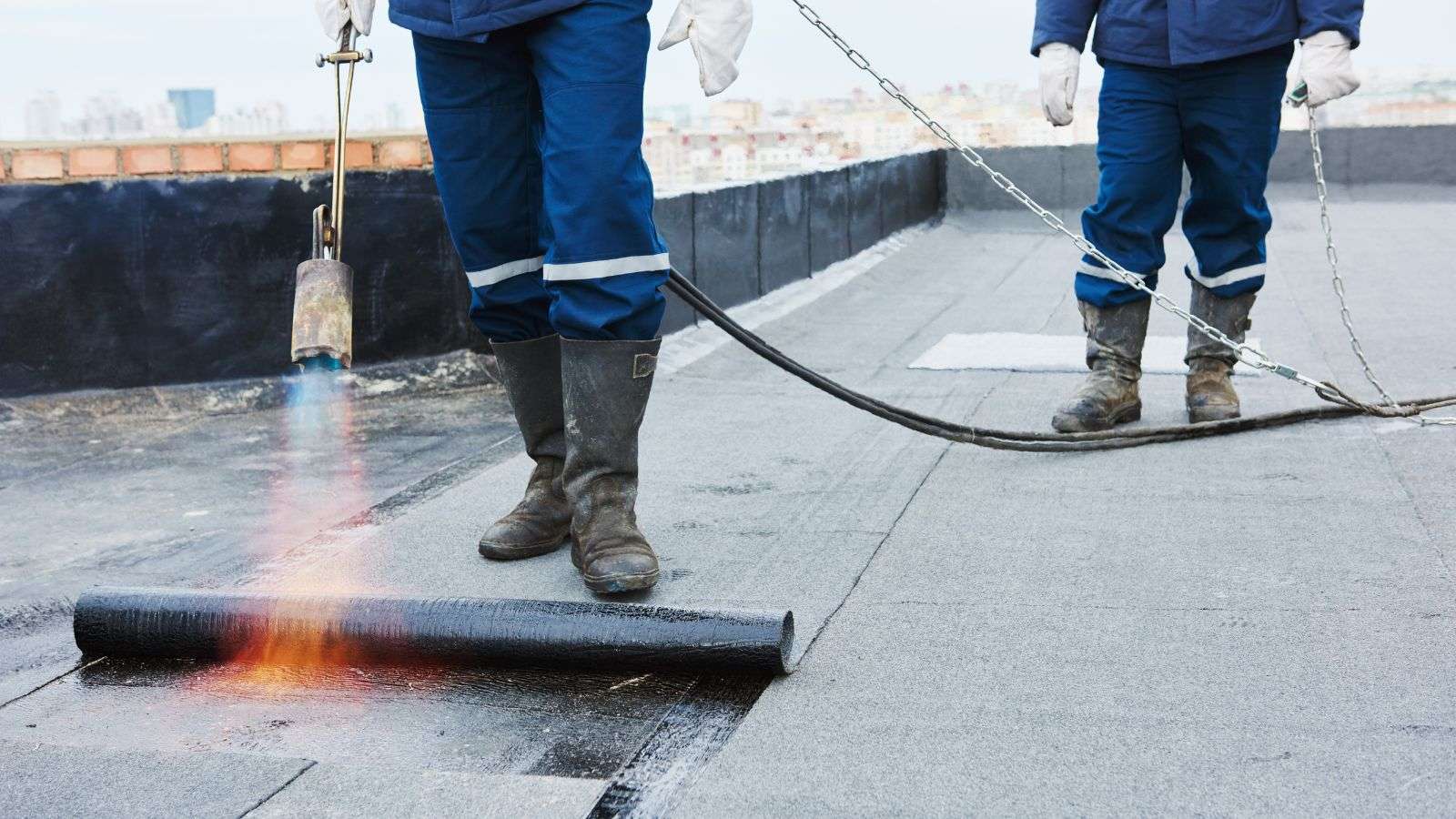
Bitumen roofs are a popular choice among many homeowners and businesses for their durability, but like any roofing solution, they require proper care. Increased lifespan and peak performance go hand in hand with regular maintenance and informed handling.
In this article, we dive into the measures you can take to effectively prolong the life of your bitumen roof.
Understanding the Durability of Bitumen Roofs
Bitumen roofs are known for their durability, which can be attributed to the material’s ability to withstand various weather conditions such as extreme heat, cold, and UV exposure. The flexibility of bitumen allows it to expand and contract without cracking, making it ideal for regions with fluctuating temperatures. Bitumen roofs have a long lifespan, typically lasting 20–30 years with proper maintenance.
The option to add additional bitumen or coating layers to extend the roof’s life further improves its longevity. Moreover, bitumen roofs are relatively easy to repair, as damaged sections can be patched or resealed without requiring a full replacement. Overall, the durability of bitumen roofs makes them a popular choice for residential and commercial buildings looking for long-lasting protection against the elements.
6 Essential Tips for Prolonging Bitumen Roofs
1. Regular Inspections and Maintenance
Regular inspections and maintenance are crucial for prolonging the lifespan of bitumen roofs. Make sure to inspect the roof at least twice a year, especially after extreme weather conditions. Look for signs of damage, such as cracks, blisters, or loose seams, and address them right away to prevent further issues. Keeping the roof clean from debris and ensuring proper drainage can help prevent water ponding, which can weaken the roof over time.
2. Apply Reflective Coatings
Applying reflective coatings to bitumen roofs can help reduce heat absorption and extend the roof’s lifespan. These coatings can reflect sunlight, lowering the roof’s temperature and reducing thermal stress. Not only does this benefit the durability of the roof, but it can also contribute to energy savings by improving the building’s overall energy efficiency.
3. Prevent Foot Traffic
Minimizing foot traffic on bitumen roofs is essential for maintaining their integrity. Excessive foot traffic can cause damage to the surface, leading to cracks or premature wear. Establish clear pathways for maintenance tasks and make sure that only trained professionals access the roof when necessary to avoid unnecessary damage.
4. Address Vegetation Growth Promptly
Vegetation growth on bitumen roofs can trap moisture and compromise the roof’s integrity over time. You have to take action on any vegetation growth as soon as possible by removing moss, algae, or any other plant matter that can retain moisture. Consider installing barriers or trimming overhanging branches to prevent debris from accumulating on the roof.
5. Properly Ventilate the Roof
Proper ventilation is key to preventing moisture buildup and maintaining the longevity of bitumen roofs. Just make sure that the roof is adequately ventilated to allow for proper air circulation, which can help prevent condensation and mold growth. Consult with a roofing professional to determine the best ventilation system for your specific roof structure.
6. Schedule Professional Inspections
While regular inspections are important, scheduling professional inspections at least once a year is highly recommended. Roofing professionals can identify potential issues early on and provide expert recommendations for maintenance or repairs. Professional inspections can help catch minor problems before they escalate into costly repairs, ultimately prolonging the life of your bitumen roof.
The Role of Regular Inspections in Maintenance of Bitumen Roofs
Regular inspections play a vital role in the maintenance of bitumen roofs by allowing early detection of potential issues before they escalate into costly repairs. These inspections involve a thorough assessment of the roof’s condition, looking for signs of damage such as cracks, blisters, or deteriorating seams.
Early problem detection allows property owners to take prompt action to stop additional damage and prolong the life of the roof. Professional roof inspections can also provide valuable insights and recommendations for maintenance practices tailored to the specific needs of the bitumen roof, ensuring optimal performance and durability over time.
How Weather Conditions Can Affect the Lifespan of Bitumen Roofs
- Extreme Temperatures: Bitumen roofs are susceptible to damage from extreme temperatures, as constant exposure to heat or cold can cause the material to expand and contract, leading to cracks and deterioration over time. For example, in regions with high temperatures, the heat can soften the bitumen, making it more vulnerable to physical damage. Similarly, in cold climates, the material may become brittle and prone to cracking during freezing conditions.
- UV Exposure: Ultraviolet (UV) radiation from the sun can accelerate the aging process of bitumen roofs, causing the material to degrade and lose its integrity. Prolonged exposure to UV rays can lead to surface cracking, brittleness, and color fading. Applying UV protective coatings can help mitigate the effects of UV exposure and prolong the lifespan of bitumen roofs.
- Moisture and Water Ponding: Moisture infiltration and water ponding on bitumen roofs can compromise their structural integrity over time. Water penetration through cracks or damaged areas can lead to leaks, the rotting of underlying materials, and mold growth. Proper drainage systems and regular maintenance to ensure water does not accumulate on the roof surface are essential in preventing moisture-related damage.
- Wind and Storm Damage: Strong winds and severe weather events can cause significant damage to bitumen roofs, especially if they are not properly secured or maintained. Wind uplift can dislodge roofing materials, leading to leaks and structural issues. Installing wind-resistant roofing materials and conducting thorough inspections after storms can help prevent damage and extend the lifespan of bitumen roofs.
- Vegetation and Debris Accumulation: Vegetation growth, debris accumulation, and organic matter on bitumen roofs can trap moisture, promote algae or moss growth, and compromise the roof’s drainage system. Regularly removing debris, trimming overhanging branches, and addressing vegetation growth can prevent moisture-related issues and maintain the integrity of the roof surface.
- Pollution and Chemical Exposure: Exposure to pollutants, chemicals, and industrial emissions can also impact the lifespan of bitumen roofs by causing discoloration, deterioration, or corrosion. Acid rain, for example, can accelerate the degradation of bitumen surfaces. Implementing regular cleaning routines and using appropriate protective coatings can help mitigate the effects of pollution on bitumen roofs.
The Importance of Proper Installation for Bitumen Roof Longevity
Proper installation is essential for ensuring the longevity and performance of bitumen roofs. A well-installed bitumen roof will have a watertight seal, secure flashings, and proper ventilation, all of which are essential for withstanding various weather conditions and preventing water infiltration.
Improper installation can lead to issues such as poor drainage, inadequate flashing, or incorrect material application, which can compromise the roof’s integrity and shorten its lifespan. Hiring experienced roofing professionals who follow manufacturer guidelines and best practices for bitumen roof installation is key to maximizing the roof’s durability and longevity.
Dealing with Repair Needs In Timely Manner
Dealing with repair needs in a timely manner is essential for maintaining the integrity and prolonging the lifespan of bitumen roofs. Ignoring minor issues such as cracks, blisters, or leaks can lead to more extensive damage over time, resulting in costly repairs or even premature roof replacement.
Timely repairs can prevent water infiltration, structural deterioration, and potential safety hazards. Regular inspections to identify repair needs quickly, followed by swift action to address them using appropriate repair techniques and materials, are crucial in preserving the longevity of bitumen roofs.
The Influence of Roof Ventilation on the Lifespan of Bitumen Roofs
Proper roof ventilation plays a significant role in extending the lifespan of bitumen roofs by regulating temperature and moisture levels within the roofing system.
Effective ventilation helps prevent excessive heat buildup in the attic space, reducing thermal stress on the roof and minimizing the risk of premature deterioration of the bitumen material. Adequate ventilation promotes air circulation, preventing condensation and mold growth that can weaken the roof structure over time.
The Effect of Proper Drainage on Bitumen Roof Longevity
- Prevents Water Ponding: Proper drainage on bitumen roofs helps prevent water ponding, which can lead to water infiltration, structural damage, and premature deterioration of the roofing material. Ensuring that water drains efficiently off the roof surface reduces the risk of leaks and moisture-related issues.
- Minimizes Risk of Ice Dams: Adequate drainage plays a major role in minimizing the formation of ice dams on bitumen roofs, especially in colder climates. Ice dams can trap melted snow on the roof, leading to water penetration under the shingles and causing damage to the roof structure. Proper drainage systems, such as roof ice melt cables or eaves troughs, can help prevent ice dam formation and protect the roof’s integrity.
- Prevents Mold and Mildew Growth: Effective drainage helps prevent moisture buildup on bitumen roofs, reducing the risk of mold and mildew growth. Standing water on the roof surface can create a breeding ground for mold spores, which can compromise indoor air quality and pose health risks. Proper drainage ensures that water flows away from the roof, minimizing the potential for mold and mildew formation.
- Maintains Structural Integrity: Good drainage is essential for maintaining the structural integrity of bitumen roofs by preventing water damage to the underlying materials. Water infiltration due to poor drainage can weaken the roof deck, insulation, and supporting structures, leading to costly repairs and compromising the overall durability of the roof. Implementing effective drainage solutions is key to preserving the longevity and performance of bitumen roofs.
The Impact of Routine Cleaning on the Life of Bitumen Roofs
Routine cleaning plays a major role in extending the lifespan of bitumen roofs by preventing debris buildup, algae growth, and potential damage that can compromise the roof’s integrity. Regular cleaning removes dirt, leaves, and other debris that can block drainage systems and lead to water ponding, which can accelerate roof deterioration.
Cleaning helps prevent the growth of algae or moss on the roof surface, which can retain moisture and cause discoloration or damage. Property owners can improve the bitumen roofs’ overall longevity, functionality, and aesthetics by keeping the surface clean. Scheduled cleaning routines, such as removing debris and washing the roof surface with appropriate cleaning solutions, can help preserve the roof’s condition and protect it from premature wear and tear.
When to Consider Bitumen Roof Replacement
- Extensive Damage: Consider bitumen roof replacement when the roof shows signs of extensive damage such as widespread cracks, blistering, or curling shingles that cannot be effectively repaired. Severe damage that compromises the roof’s structural integrity or waterproofing capabilities indicates the need for a full replacement to ensure long-term protection.
- Age and Wear: Evaluate the age and wear of the bitumen roof to determine if it has reached the end of its expected lifespan. Bitumen roofs typically last 20–30 years with proper maintenance, so if the roof is nearing or exceeding this timeframe and showing signs of wear like granule loss, brittleness, or significant fading, it may be time to consider replacement to avoid unexpected failures.
- Persistent Leaks: Persistent leaks that cannot be resolved through repairs indicate underlying issues with the roof’s waterproofing system. If the bitumen roof continues to experience leaks despite repair attempts, it may be more cost-effective in the long run to invest in a new roof rather than ongoing patchwork solutions.
- Energy Inefficiency: An aging bitumen roof that lacks energy efficiency features such as reflective coatings or proper insulation can contribute to increased energy costs due to heat absorption and poor thermal performance. Upgrading to a new bitumen roof with enhanced energy-saving features can improve the building’s overall energy efficiency and reduce cooling costs.
- Safety Concerns: Safety concerns such as sagging areas, structural instability, or signs of water damage inside the building should prompt consideration of bitumen roof replacement. Ensuring the safety of occupants and protecting the property from potential structural damage outweighs the cost of replacing the roof when safety risks are present.
Case Studies: How Proactive Maintenance Extended the Life of These Bitumen Roofs
Proactive maintenance has been instrumental in extending the lifespan of several bitumen roofs, as showcased in these case studies. In one instance, regular inspections and maintenance identified and addressed small cracks and areas of ponding water before they escalated into major issues, preserving the roof’s integrity and preventing leaks.
Another case study highlights the application of reflective coatings and improved drainage systems following proactive maintenance assessments, effectively reducing heat absorption and minimizing water-related damage. These proactive measures not only extended the life of the bitumen roofs but also resulted in cost savings by avoiding more extensive repairs or premature replacements.
Overall, these case studies demonstrate the significant impact of proactive maintenance on maximizing the longevity and performance of bitumen roofs.