
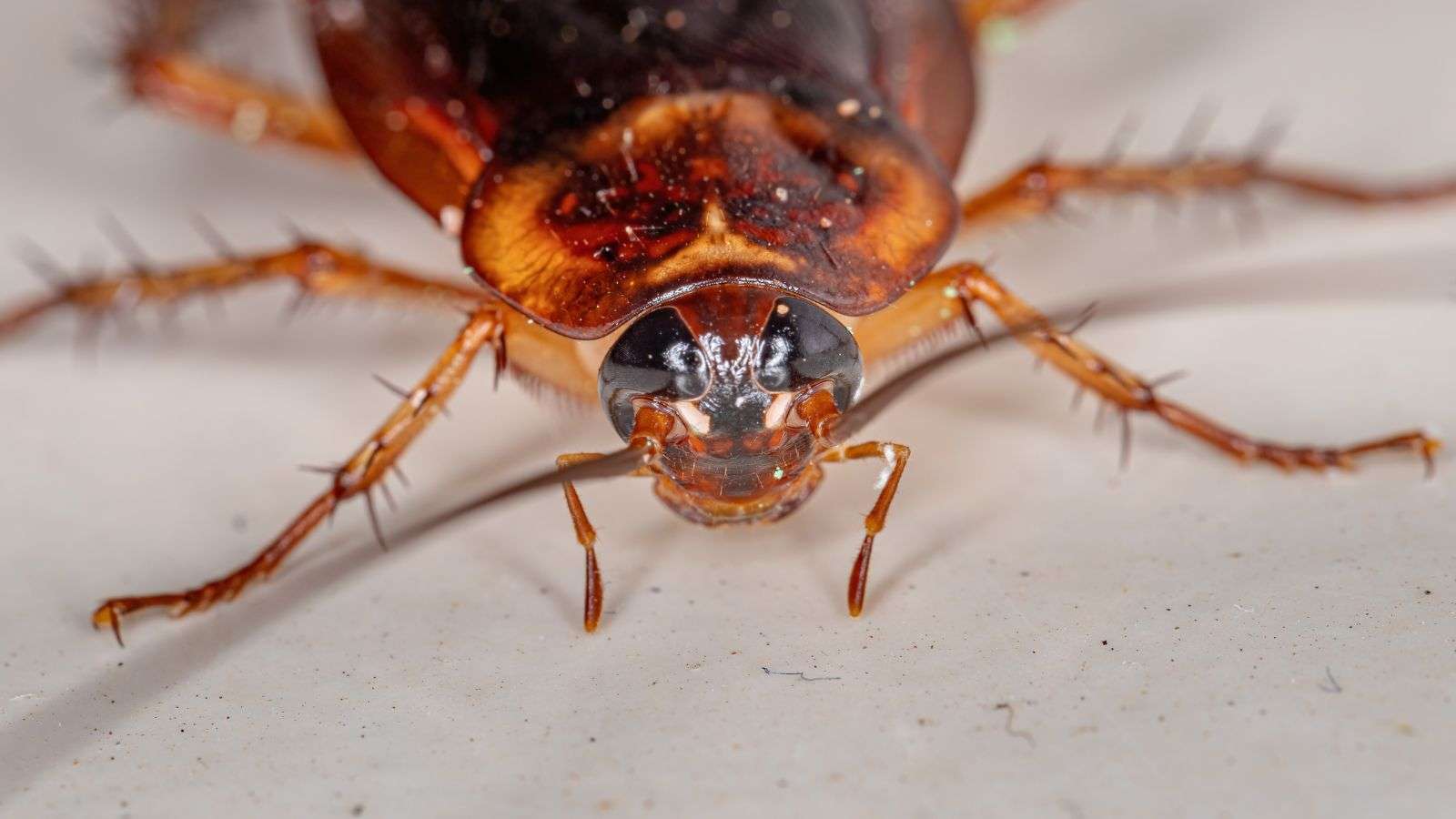
Roaches are infuriating pests that often persist despite numerous attempts to expel them. What’s worse is when these pests make recurring appearances, turning life into a frustrating cycle of infestation and extermination.
In this article, we delve into recurrent roach infestations and discuss effective methods to put a stop to this relentless cycle.
Understanding Why Roach Infestations Recur
Roach infestations can recur due to a variety of factors, including incomplete elimination of the initial infestation, inadequate sanitation practices, and untreated entry points. If the root cause of the infestation, such as food and water sources, conducive environments, and entry points, is not addressed comprehensively, roaches may reinfest the area. Surviving roaches or egg cases from the initial infestation can lead to a resurgence if not effectively controlled. In some cases, roach resistance to control methods can also contribute to recurring infestations.
Furthermore, external factors such as neighboring infestations, transportation of infested items, and seasonal changes can reintroduce roaches into treated areas. Understanding these factors is essential for implementing holistic pest management strategies that address the underlying causes of infestations and prevent recurrences effectively.
7 Effective Methods to Halt Recurrent Roach Infestations
1. Implement Integrated Pest Management (IPM) Techniques
Integrated Pest Management (IPM) involves a multifaceted approach to pest control that focuses on long-term prevention and sustainable management. This method emphasizes sanitation, exclusion, and targeted treatments to address the underlying causes of infestations. IPM can successfully stop recurring roach infestations by caulking entry points, removing food and water sources, and applying low-toxicity treatments like insecticidal baits. Regular monitoring and follow-up inspections are essential components of IPM to ensure the success of control efforts.
2. Conduct Thorough Sanitation Practices
Thorough sanitation practices are of the utmost importance in preventing roach infestations from recurring. Cleaning up spills, removing food debris, and storing food in sealed containers can help eliminate potential food sources for roaches. Reducing moisture by fixing leaks and keeping areas dry can create less favorable conditions for roaches to thrive. Regular cleaning and maintenance of living spaces, particularly in kitchens and bathrooms, are essential for minimizing roach attractants and preventing infestations from reoccurring.
3. Seal Entry Points and Eliminate Hiding Spots
Roaches often enter buildings through small cracks, crevices, and gaps around doors, windows, pipes, and utility lines. Routine roach infestations can be greatly decreased by completely sealing these entry points and getting rid of hiding places like cardboard and clutter. Implementing exclusion measures to deny roaches access to indoor spaces is a proactive approach that complements other control methods.
4. Use Mechanical Traps and Monitoring Devices
Mechanical traps, such as sticky traps and cockroach bait stations, can be effective tools for capturing roaches and monitoring their activity. Placing these traps in strategic locations can help identify areas of high roach activity and track the success of control efforts. By combining monitoring tools with other methods of control, people can learn a great deal about how well their pest management plans are working.
5. Address External Contributing Factors
External factors, such as neighboring infestations or infested items brought into the living space, can contribute to recurrent roach problems. People can stop roach reinfestation by taking care of these outside variables, like cooperating with neighbors to manage infestations jointly or looking for roach evidence in newly delivered items.
6. Regularly Rotate Pest Control Methods
Roaches can develop resistance to specific control methods over time. To mitigate this resistance and prevent reinfestations, you have to regularly rotate pest control methods. People can lessen the chance that roaches will become resistant and improve the general efficacy of their pest control efforts by switching up the treatments and methods they use.
7. Educate and Engage Residents in role-play Prevention
Educating and engaging residents in roach prevention efforts can significantly contribute to halting recurrent infestations. Providing information on roach behavior, prevention techniques, and the importance of maintaining a clean and hygienic environment empowers residents to actively participate in pest management. Encouraging residents to report any signs of roach activity promptly and to follow recommended sanitation practices can create a collective awareness and responsibility for preventing infestations.
Identifying the Root Causes of Your Roach Problem
- Sanitation Practices: The presence of food debris, spills, and improperly stored food can attract and sustain roach populations. Identifying and addressing poor sanitation practices in kitchens, dining areas, and storage spaces is essential to eliminating roach attractants. For example, leaving dirty dishes in the sink overnight or failing to clean up food crumbs can provide ample food sources for roaches.
- Moisture and Water Sources: Roaches are attracted to moisture-rich environments and readily available water sources. Identifying and fixing leaks, addressing condensation issues, and ensuring proper ventilation can help eliminate conditions conducive to roach survival. Areas such as bathrooms, basements, and kitchens are common sites for moisture-related roach infestations.
- Hiding Spots and Entry Points: Roaches seek shelter in dark, secluded areas and can enter buildings through small openings. Identifying and sealing cracks, crevices, gaps around pipes, and entry points around doors and windows can help prevent roaches from accessing indoor spaces. Reducing clutter and removing potential hiding spots can limit roach harborage areas.
- Food Storage and Waste Management: Improperly stored food and organic waste can serve as primary food sources for roaches. Ensuring that food is stored in airtight containers and disposing of waste regularly can help eliminate attractive food sources for roaches. Inadequate garbage disposal practices can also contribute to roach infestations.
- External Factors: Assessing external factors such as neighboring infestations, incoming items, and outdoor environments can provide insights into potential sources of roach infestations. Identifying and addressing these external factors, such as coordinating with neighbors to manage infestations or inspecting incoming items for signs of roaches, is essential to preventing reinfestations.
How Recurring Infestations Impact Your Health
Recurring roach infestations can have significant impacts on health, posing risks such as allergic reactions, asthma exacerbations, and the spread of pathogens. Roach allergens, present in their feces, saliva, and shed skin, can trigger allergic responses and worsen asthma symptoms in susceptible individuals, particularly children and the elderly. Roaches can act as vectors for disease-causing organisms, including bacteria and parasites, as they move through unsanitary environments.
The presence of roaches in living spaces can compromise indoor air quality and contribute to respiratory issues. Furthermore, the psychological stress and discomfort associated with recurrent roach infestations can affect mental well-being. It is essential to address and prevent recurring infestations to safeguard the health and well-being of occupants in affected environments.
Breaking the Infestation Cycle: Key Strategies and Tactics
- Integrated Pest Management (IPM): Implementing IPM strategies, such as sanitation, exclusion, and targeted treatments, is essential for breaking the infestation cycle. By addressing the root causes of infestations and employing a combination of preventive measures and control methods, IPM can disrupt the lifecycle of roaches and prevent recurrent infestations. For instance, regularly inspecting and sealing entry points, practicing proper waste management, and using targeted treatments can collectively contribute to breaking the infestation cycle.
- Regular Monitoring and Inspection: Conducting regular monitoring and thorough inspections of living spaces is vital for the early detection of roach activity and breeding sites. By identifying and addressing potential infestation sources promptly, individuals can intervene in the infestation cycle and prevent its progression. Monitoring can involve using traps, visually inspecting common roach hiding spots, and tracking trends in roach activity over time.
- Education and Awareness: Educating residents about roach prevention techniques, the significance of maintaining a clean environment, and the early signs of infestations can empower them to actively participate in breaking the infestation cycle. Through community initiatives, workshops, or informational materials, individuals can raise awareness about the importance of collective efforts in preventing roach infestations and contributing to a healthier living environment.
- Collaboration with Professionals: Collaborating with pest control professionals can provide valuable insights, tailored treatment plans, and ongoing support in breaking the infestation cycle. Pest control experts can conduct thorough assessments, identify infestation sources, and implement effective control measures. Seeking professional assistance for severe or persistent infestations is essential for breaking the cycle and maintaining long-term control.
- Environmental Modifications: Modifying the indoor and outdoor environments to make them less hospitable to roaches is an effective strategy for breaking the infestation cycle. This can include reducing moisture, eliminating food sources, sealing entry points, and removing clutter. Environmental modifications contribute to creating inhospitable conditions for roaches to thrive and reproduce.
Hygiene Habits to Help Prevent Recurrence
- Regular Cleaning and Maintenance: Engaging in regular cleaning practices, including sweeping, vacuuming, and mopping, helps remove food debris, spills, and potential roach attractants from living spaces. Regular maintenance of kitchen appliances, sinks, and bathroom fixtures can also contribute to creating an environment less conducive to roach infestations.
- Proper Food Storage: Storing food in airtight containers and promptly cleaning up food spills or crumbs can help eliminate food sources for roaches. By ensuring that food items are securely sealed and stored, individuals can minimize the attractiveness of their living space to roaches.
- Timely Waste Disposal: Proper waste management, including regular disposal of garbage and recycling, is essential for preventing roach attractants and breeding sites. Ensuring that trash bins are tightly sealed and emptied regularly can reduce the availability of food sources for roaches.
- Reducing Moisture and Clutter: Addressing moisture issues, such as fixing leaks and reducing humidity, can help create a less hospitable environment for roaches. Reducing clutter in living spaces can eliminate hiding spots and breeding sites for roaches.
- Pet Food and Water Management: Properly managing pet food and water, such as feeding pets in designated areas and not leaving food or water out overnight, can prevent roaches from accessing additional food sources. By maintaining cleanliness around pet feeding areas, individuals can reduce the likelihood of recurrent roach infestations.
DIY vs Professional: Battle Against Recurrent Infestations
When combating recurrent infestations, the decision between DIY efforts and professional assistance depends on the severity and persistence of the infestation and the effectiveness of previous control measures. While DIY methods can be effective for minor infestations and in implementing preventive measures, professional pest control services provide expertise, tailored treatment plans, and ongoing support for managing persistent or severe infestations.
Pest control professionals, accessible through Big Home Projects‘ directory website, can conduct thorough assessments, identify infestation sources, and implement targeted strategies to break the infestation cycle. Seeking professional assistance is essential for addressing roach resistance, implementing comprehensive pest management approaches, and maintaining a pest-free living environment over the long term.
The Role of Pesticides in Controlling Recurring Infestations
Pesticides play a role in controlling recurring infestations by targeting roaches and disrupting their lifecycle. When used judiciously and in combination with other integrated pest management strategies, pesticides can effectively reduce roach populations and prevent reinfestations. However, overreliance on pesticides can lead to resistance and environmental concerns.
You need to select pesticides tailored to the specific roach species and infestation characteristics, use them according to label instructions, and consider low-toxicity options. Integrating non-chemical control methods, such as sanitation, exclusion, and monitoring, alongside targeted pesticide applications, can enhance the effectiveness of pest management efforts and contribute to breaking the infestation cycle. Seeking professional guidance in pesticide selection and application can ensure safe and efficient control of recurring roach infestations.
Post-Infestation: Establishing Long-Term Roach Control
Establishing long-term roach control post-infestation involves implementing integrated pest management (IPM) practices, maintaining regular sanitation and maintenance routines, and engaging in ongoing monitoring and prevention efforts. Emphasizing exclusion measures, such as sealing entry points and reducing roach attractants, can help prevent reinfestations. Regular cleaning, proper food storage, and waste management are essential for eliminating roach attractants and breeding sites. Consistent monitoring for roach activity, timely intervention upon detecting signs of infestation, and collaborating with pest control professionals for tailored treatment plans contribute to sustained roach control. Educating residents about roach prevention techniques and fostering community awareness can also promote a collective commitment to long-term pest management.
How Climate and Environmental Factors Affect Roach Infestations
Climate and environmental factors significantly influence roach infestations, as these pests thrive in warm, humid environments with access to food and water. For example, in tropical and subtropical regions, where temperatures and humidity levels are favorable for roaches, infestations may be more common. Urban environments with abundant food sources and shelter can support large roach populations.
Roaches can also adapt to a variety of environmental conditions, making them resilient in both indoor and outdoor settings. Changes in climate, such as extreme weather events or seasonal variations, can impact roach behavior and migration patterns, potentially leading to shifts in infestation dynamics.
Understanding the relationship between climate and environmental factors and roach infestations is essential for implementing targeted control measures and prevention strategies tailored to specific geographic and environmental contexts.
Creating a Sustainable Action Plan Against Roach Infestations
Creating a sustainable action plan against roach infestations involves a multifaceted approach that encompasses integrated pest management (IPM) strategies, regular sanitation and maintenance practices, collaboration with pest control professionals, community education and engagement, and ongoing monitoring. The action plan should prioritize long-term prevention and sustainable control measures, such as reducing roach attractants, sealing entry points, implementing targeted treatments, and fostering a collective commitment to roach prevention within the community.
By combining these elements into a comprehensive action plan, individuals and communities can create an environment less hospitable to roaches and establish sustained, effective control against infestations. This approach not only addresses the immediate infestation but also focuses on preventing reinfestations and promoting a healthier living environment in the long term.