
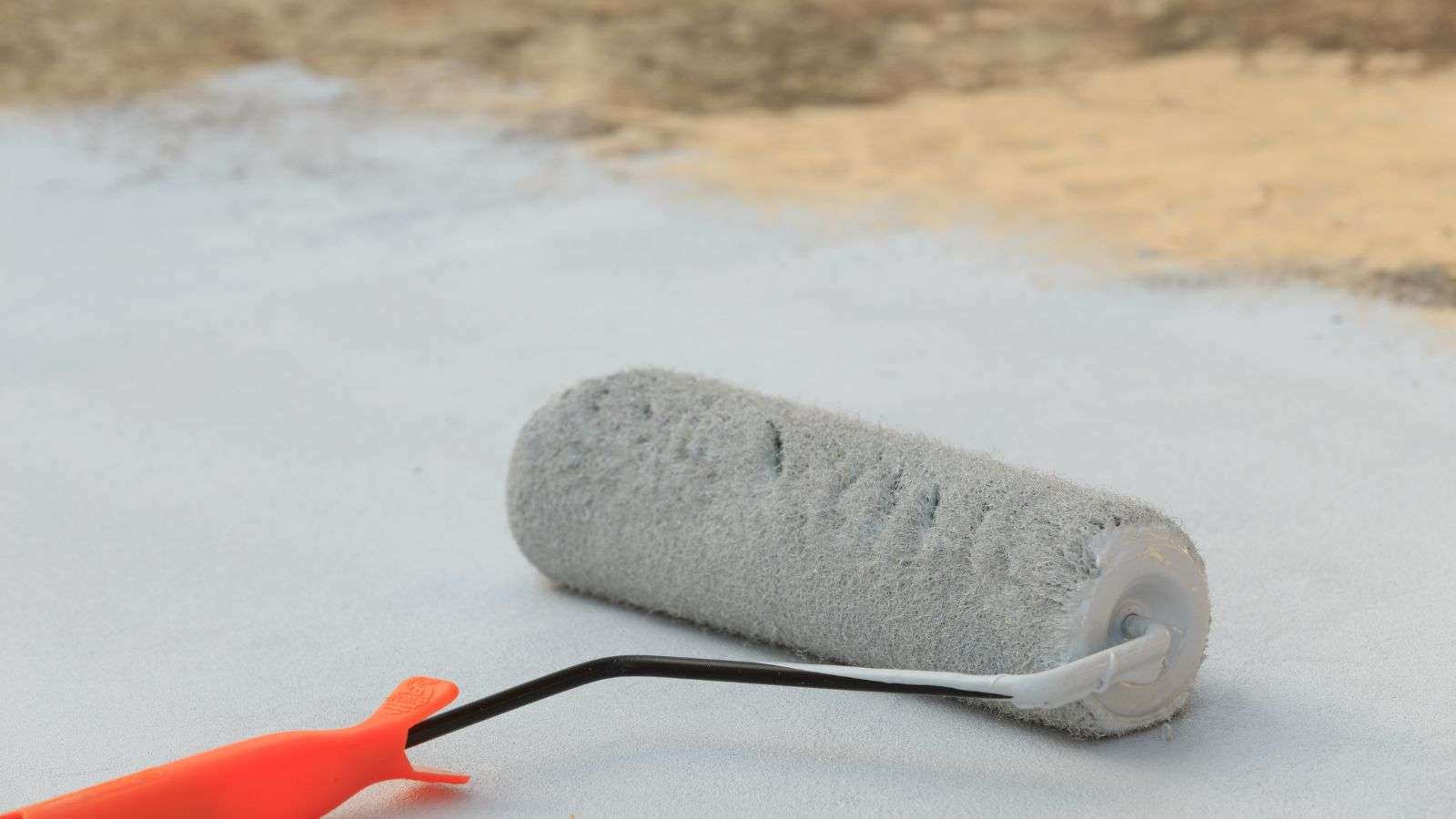
Roofs are a vital component of your home, requiring regular maintenance and protection to ensure they achieve their expected lifespan. One effective way to combat roof depreciation is through the application of protective coatings.
In this article, we delve into the topic of protective coatings for roofs, focusing on their role in reducing depreciation and extending the roof’s life.
5 Protective coatings to reduce roof depreciation
1. Silicone roof coating
Silicone roof coating is known for superior performance, especially in terms of weather protection. This type of coating effectively resists sun (UV radiation), rain, snow, and extreme temperatures, thus preventing premature aging and wear of the roof.
Moreover, the reflective properties of silicone contribute to its energy efficiency. A roof coated with silicone actually reflects rather than absorbs sunlight. This means the building stays cooler, potentially reducing energy costs associated with air conditioning.
Also, silicone roof coatings are moisture-curing, which means they cure under any weather conditions. These properties make silicone coating an advantageous choice for areas with drastic weather fluctuations or for roofs with pooling water.
2. Acrylic roof coating
Acrylic roof coating stands out for its excellent flexibility and durability. It can adapt to temperature changes without cracking or losing its grip on the roofing substrate.
Not only does it protect roofs from UV rays and wind-driven rain but it is also resistant to the growth of mildew and algae, improving the roof’s appearance and service life.
Acrylic coating effectively reduces the ‘urban heat island’ effect due to its reflectivity. Plus, their wide range of color versatility can enhance the aesthetic appearance of the roof and building as a whole – an important consideration for commercial and residential properties.
3. Polyurethane roof coating
If your roof is flat or has a low slope, a polyurethane roof coating might be ideal because it forms a seamless, durable, and waterproof barrier. It provides superior performance against extreme weather, resisting hail and ice damage while also being resistant to chemicals and foot traffic.
Polyurethane coatings are also known for their great adhesive properties, meaning they adhere well to different types of roofing substrates.
4. Asphalt emulsion roof coating
For those who have asphalt-based roofs, asphalt emulsion coatings provide a significant protective barrier. Being made from asphalt itself and mixed with water and a small amount of clay, this form of emulsion is both affordable and effective.
Asphalt emulsion roof coating forms a solid, protective seal, keeping the damaging elements at bay and effectively delaying the aging effects. It’s also an environmentally friendly option due to its water-borne nature.
5. Reflective roof coating
Reflective roof coatings are designed primarily to repel sunlight and reduce heat absorption. Materials used for this type of coating are often white or light-colored since these hues are the most effective for reflection.
By reflecting the sun’s rays, these coatings maintain a lower rooftop temperature, reducing heat transfer into the building. This could result in substantial energy savings, particularly during the hot summer months where air-conditioning loads are at their peak.
Also, a cooler roof experiences less thermal shock (the stress and movement of the roof structure caused by changes in temperature) which could potentially reduce maintenance costs over the roof’s lifespan.
Understanding the role of protective coatings
Protective coatings play a major role in preserving the integrity and longevity of roofs by providing a barrier against environmental factors such as UV rays, moisture, and extreme weather conditions. These coatings not only enhance the durability of the roofing materials but also contribute to energy efficiency, aesthetics, and overall building comfort.
By understanding the specific benefits and applications of different protective coatings, property owners can make informed decisions to effectively protect their roofs and extend their lifespan.
How does a protective coating shield against weather damage?
A protective coating shields against weather damage by forming a resilient barrier that acts as a shield against elements such as UV rays, rain, snow, and wind. This barrier helps prevent moisture from penetrating the roofing material, reducing the risk of water damage, mold, and corrosion.
Some coatings offer reflective properties that can minimize heat absorption, reduce thermal stress on the roof and contribute to energy savings. Overall, protective coatings serve as a vital defense mechanism to maintain the structural integrity and longevity of roofs in various weather conditions.
Impact of protective coatings on UV and sun damage
Protective coatings have a significant impact on reducing UV and sun damage by acting as a shield against the harmful effects of prolonged exposure to sunlight. These coatings typically contain UV-resistant properties that help reflect and absorb ultraviolet radiation, preventing it from degrading the roofing material.
By reducing UV exposure, protective coatings can mitigate color fading, deterioration, and heat-related expansion and contraction, thus extending the lifespan of the roof and minimizing maintenance needs. These coatings can contribute to energy efficiency by reducing heat absorption, leading to a more comfortable interior environment and potential cost savings on cooling expenses.
Protective coatings and the prevention of water damage
Protective coatings play a big role in preventing water damage by creating a durable and waterproof barrier that effectively seals the roofing material against moisture infiltration. These coatings are designed to withstand the impact of rain, snow, and moisture, preventing water from penetrating the roof and causing structural degradation, mold growth, and corrosion.
By forming a protective shield, these coatings help maintain the integrity of the roof, extend its lifespan, and reduce the need for costly repairs associated with water damage. This proactive approach to preventing water damage can ultimately contribute to the overall resilience and longevity of the building structure.
How can protective coatings retard biological growth (mold, algae, and moss)?
Mold, algae, and moss can not grow on protective coatings because they have antimicrobial properties or additives that make the surface unsuitable for these organisms to live in. By inhibiting the growth of mold, algae, and moss, these coatings help maintain the aesthetic appeal of the roof while also preventing potential damage and degradation caused by biological infestations.
Protective coatings produce a smooth, sturdy surface that makes it more difficult for spores to adhere and form colonies, further lowering the risk of biological growth and reducing the need for thorough cleaning and maintenance.
Comparing different types of protective roof coatings
| Coating Type | Best for | Key Benefits |
|---|---|---|
| Silicone Roof Coating | All roof types | UV resistance, weathering protection, energy savings |
| Acrylic Roof Coating | Various materials | Flexibility, durability, moisture resistance |
| Polyurethane Coating | Flat or low-sloped roofs | Seamless waterproof barrier, chemical resistance |
| Asphalt Emulsion Coating | Asphalt-based materials | Waterproof seal, aging resistance |
| Reflective Roof Coating | Heat reduction | Energy savings, temperature regulation |
Insights from the table suggest that silicone roof coatings are versatile and provide UV resistance and energy savings, making them suitable for various scenarios. Acrylic coatings offer flexibility and moisture resistance, making them a good choice for different types of roofing materials.
Polyurethane coatings excel at creating a waterproof barrier, making them ideal for flat or low-sloped roofs. Asphalt emulsion coatings are specifically beneficial for asphalt-based materials due to their waterproof seal and aging resistance. Reflective coatings are best for heat reduction, offering energy savings and temperature regulation.
Understanding the specific benefits of each type of coating can help in choosing the most suitable option based on the unique requirements of different roofing scenarios.
The impact of protective coatings on different roofing materials
- Metal roofs: Protective coatings can help prevent corrosion and rust on metal roofs, extending their lifespan and maintaining their aesthetic appeal. Silicone roof coatings are particularly effective for metal roofs due to their UV resistance and flexibility.
- Asphalt shingles: Coatings can provide an additional layer of protection against weathering and UV damage for asphalt shingles. Acrylic roof coatings are suitable for asphalt shingles due to their flexibility and moisture resistance.
- Flat or low-sloped roofs: For flat or low-sloped roofs, polyurethane coatings create a seamless waterproof barrier, offering excellent protection against water infiltration and standing water damage.
- Tile roofs: Protective coatings can enhance the color retention and weather resistance of tile roofs, with acrylic coatings providing flexibility and durability for this roofing material.
- Reflective coatings and energy efficiency: Reflective coatings are beneficial for all types of roofing materials when energy efficiency is a priority, helping to reduce heat absorption and contribute to lower cooling costs.
Cost-benefit analysis of applying protective coatings
The cost of applying protective coatings can vary depending on factors such as the type of coating, the size of the roof, and labor expenses. However, as a general estimate, the cost can range from $1.50 to $3.00 per square foot for materials and application.
In terms of long-term benefits, studies have shown that roof coatings can contribute to energy savings of up to 15–30% by reducing cooling costs through heat reflection and temperature regulation. The extended lifespan of the roof resulting from protection against weathering and UV damage can lead to significant maintenance and replacement cost savings, potentially amounting to thousands of dollars over the years.
Maintaining your roof: How often should you recoat?
The frequency of recoating a roof largely depends on the type of protective coating used, the local climate, and the condition of the roof. Generally, most protective coatings have a lifespan of 5–10 years before requiring recoating. However, you have to conduct regular inspections to assess the condition of the coating and the roof itself, taking into account factors such as wear and tear, weathering, and any signs of deterioration.
Following the manufacturer’s recommendations and seeking guidance from roofing professionals can help determine the most appropriate recoating schedule for optimal maintenance and protection of the roof.