
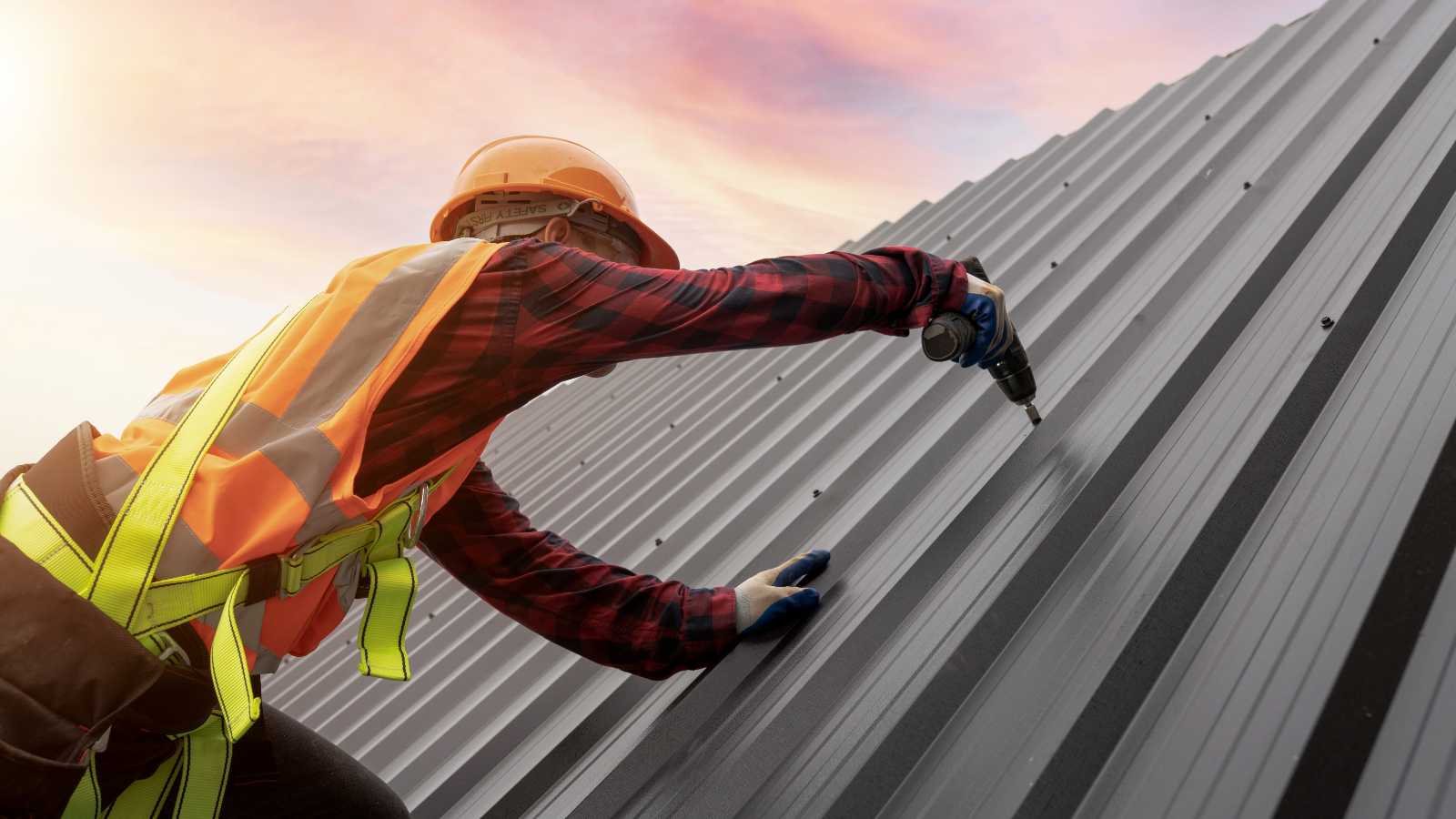
Metal edging strips, extensively known as roof drip edges, are integral components in modern roofing that champion longevity and protection. Often overlooked, these strips serve as the first line of defense against a variety of environmental challenges that can compromise a roof’s structural integrity. In this article, we explore the multifaceted benefits of metal edging strips and how they contribute to a roof’s enhanced lifespan.
Relevance of Installing Metal Edging Strips for Prolonged Roof Lifespan
Installing metal edging strips, commonly referred to as drip edges, is essential for the prolonged lifespan of a roof. These components serve as a barrier that effectively directs water away from the edges of the roof and into the gutters. According to the National Roofing Contractors Association, proper installation of drip edges can reduce water damage to roofing components by up to 50%, significantly lowering the risk of costly repairs and increasing the overall durability of the roof system.
In addition to their water management function, drip edges provide critical protection for vulnerable areas such as fascia and soffit. These areas are often exposed to the elements and can suffer from rot and decay if not properly shielded. A study by the American Society of Home Inspectors revealed that homes without drip edges are 30% more likely to experience water-related damage in these areas. Drip edges keep water out of gaps, which keeps pests away. Pests can cause more structural problems if they are not fixed. Adding metal edging strips to a roof not only makes it stronger, but it also helps keep the whole house structurally sound over time.
5 Essential Benefits of Drip Edge Installation
1. Water Damage Prevention
Drip edges are crucial in directing water away from the roof and into the gutters, minimizing the risk of water infiltration. This is particularly important in areas with heavy rainfall or snow, where excess water can seep under shingles and lead to rotting of wooden structures. An often-overlooked benefit is that proper installation of drip edges can also help reduce the likelihood of ice dams forming during winter months.
2. Soffit and Fascia Protection
The soffit and fascia are essential components of your roofing system that require protection from water damage. Drip edges make sure water flows directly into the gutters, preventing it from running down these vulnerable sections. installing drip edges can help maintain the aesthetic appeal of your home by reducing unsightly stains and rot on the soffit and fascia. Regular inspections of these areas are often neglected, so integrating drip edge installation can serve as a proactive measure against future maintenance issues.
3. Roof Stability Enhancement
A well-installed drip edge contributes to the overall stability of your roof. It acts as an anchor for shingles, providing extra support that prevents them from lifting during strong winds. This is particularly beneficial in regions prone to severe weather conditions. One rarely mentioned aspect is that the presence of a drip edge can also minimize noise during heavy rain, as it directs water flow more efficiently and reduces the sound of rain hitting exposed edges or gutters.
4. Pest Infestation Prevention
Drip edges play a vital role in sealing gaps between the roof deck and fascia, effectively reducing potential entry points for pests like insects, birds, and rodents. This aspect of drip edge installation is often overlooked but can save homeowners significant expenses related to pest control. To take it a step further, consider incorporating pest-repellent materials or coatings during installation, which can enhance protection against infestations, especially in warmer climates where pests are more prevalent.
5. Improved Gutter Functionality
Ensuring that water is directed into the gutters rather than spilling over the sides will help drip edges significantly enhance gutter functionality. This prevents clogs and overflow, which can lead to water pooling around your home’s foundation. An interesting fact is that many homeowners do not realize that improper gutter function can lead to erosion of landscaping or foundation issues over time. Regularly cleaning gutters and ensuring they are aligned properly with installed drip edges can drastically improve their efficiency and extend their lifespan, ultimately protecting your home from unwanted water damage.
How Does Metal Edging Protect Against Water Damage?
Metal edging, or drip edges, serves as a frontline defense against water damage by effectively directing rainwater away from the roof and into the gutters. This diversion is essential because water that collects at the roof’s edges can seep underneath shingles, leading to rot and structural compromise. According to a study by the American Institute of Architects, homes that utilize drip edges experience a 30% reduction in water-related damage, showcasing their critical role in protecting roofing systems.
Metal edging helps maintain the integrity of the fascia and soffit, which are often vulnerable to water intrusion. These components are essential for ventilation and aesthetic appeal, yet they can deteriorate quickly when exposed to excess moisture. Research indicates that untreated fascia can rot within five to seven years in humid climates, while homes equipped with drip edges see significantly extended lifespans for these elements.
Metal edging can also mitigate the risk of ice dam formation in colder regions. Ice dams occur when melting snow refreezes at the roof’s edge, causing water to back up under shingles and leading to leaks. Homes without drip edges are more susceptible to these issues, with studies showing that roofs lacking this feature can experience ice dam-related leaks up to 50% more frequently.
What Role Do Metal Edging Strips Play in Pest Control?
Metal edging strips, or drip edges, play a significant role in pest control by sealing the gaps between the roof deck and fascia. These small openings can become entry points for various pests, including insects, birds, and rodents. According to the National Pest Management Association, nearly 21 million homes in the U.S. experience problems with pests each year, and sealing these entry points is a vital step in prevention.
Metal edging strips can deter larger pests such as squirrels and raccoons, which are often attracted to roofs for nesting. The presence of a drip edge eliminates the favorable conditions that these animals seek by making it more challenging for them to grip or climb onto the roof. A study from the University of Florida found that homes equipped with proper roofing and edging systems had a 40% lower incidence of wildlife-related damage compared to those without. This indicates that investing in metal edging not only protects the structural integrity of the home but also minimizes potential encounters with unwanted wildlife.
In addition to physical barriers, metal edging strips can also enhance the effectiveness of other pest control measures. For instance, if homeowners decide to use pest-repellent treatments or barriers, having drip edges in place can help contain these products, ensuring they function effectively. This combination of strategies creates a comprehensive defense against infestations, as evidenced by reports from pest control professionals who often recommend installing drip edges as part of a broader pest management plan.
Can metal edge installations prevent ice dam formation in cold climates?
Metal edge installation plays a major role in preventing ice dam formation, particularly in cold climates where snow accumulation and fluctuating temperatures are common. Ice dams form when snow on the roof melts due to heat escaping from the home, only to refreeze at the cooler edges, leading to a buildup of ice that can block drainage paths. According to the National Roofing Contractors Association, homes without drip edges are 50% more likely to experience ice dam-related issues because water is not properly directed into gutters, allowing it to pool and freeze at the roof’s edge.
Properly installing metal edging strips can help homeowners direct melting snow away from the eaves and into the gutters, minimizing the risk of pooling water that leads to ice dams. A study conducted by the University of Minnesota found that roofs equipped with drip edges had a 30% lower incidence of ice dam formation compared to those without. This is largely due to the ability of drip edges to create a continuous flow of water, reducing the chances of it freezing at vulnerable points on the roof.
The overall thermal performance of the roofing system can be improved by adding metal edges. Metal edging helps keep the temperature even across the roof by making sure that water drains well and doesn’t pool at the edges. This stability is very important for stopping the cycle of melting and freezing that leads to ice dams. Ultimately, putting up metal edging strips is a proactive way for people who live in cold places to protect their roofs from the damage caused by ice dams. This makes the roofs last longer and cost less to maintain.
What Long-term Aesthetic Advantages Do Metal Edging Strips Offer for Roofing?
Metal edging strips provide various long-term aesthetic advantages for roofing that enhance the overall appearance of a home. One of the primary benefits is that they create a clean, finished look at the roof’s edge, which is often one of the first areas noticed by visitors. A study from the American Institute of Architects found that homes with properly installed drip edges maintain their visual appeal longer than those without, as they prevent unsightly stains, mold, and rot from forming on exposed roofing materials.
Metal edging strips can complement various architectural styles, adding a touch of elegance and sophistication to the roofline. They come in different finishes and colors, allowing homeowners to choose options that match or enhance their home’s exterior design. For instance, a homeowner might opt for a galvanized finish for a modern look or a painted edge that blends seamlessly with the roofing material. This customization can significantly increase a home’s curb appeal, which is particularly beneficial for those looking to sell; properties with well-maintained exteriors can see a return on investment of up to 10% higher than those without.
In addition to improving the look of the roof right away, metal edging strips help keep it looking good over time by keeping water damage and decay at bay. For many years, metal edging helped a roof look like new by keeping water away from important areas and stopping shingles and fascia from wearing down. Remodeling Magazine did some research and found that homes with durable roofing features, like metal edging, tend to hold their value better over time. This makes them more appealing to people who want to buy them. This long-term maintenance of a home’s visual integrity not only makes it look better now, but it also makes it more likely that someone will want to buy it in the future.
How to Find the Right Contractor for Installing Metal Edging Strips: Tips from Big Home Projects
Finding the right contractor for installing metal edging strips is essential for ensuring the job is done correctly and efficiently. One effective method is to utilize resources like Big Home Projects, which provides a comprehensive directory of contractors specializing in roofing and related services. According to a survey by the Better Business Bureau, 80% of consumers consider online reviews essential when choosing a contractor.
Another tip is to verify the contractor’s credentials, including licensing and insurance. A qualified contractor should have the necessary licenses to operate in your area and carry liability insurance to protect against potential damages during installation. The U.S. Small Business Administration recommends asking for proof of these credentials before making a hiring decision. it’s wise to seek multiple estimates from different contractors to compare costs and services offered. This approach not only helps identify competitive pricing but also gives homeowners insight into each contractor’s professionalism and communication skills.
Finally, don’t hesitate to ask for references or examples of previous work, particularly projects that involved metal edging installations. A reputable contractor should be willing to provide this information, as it reflects their experience and craftsmanship. According to research from the National Association of Home Builders, 90% of homeowners find it beneficial to see past projects before committing.