
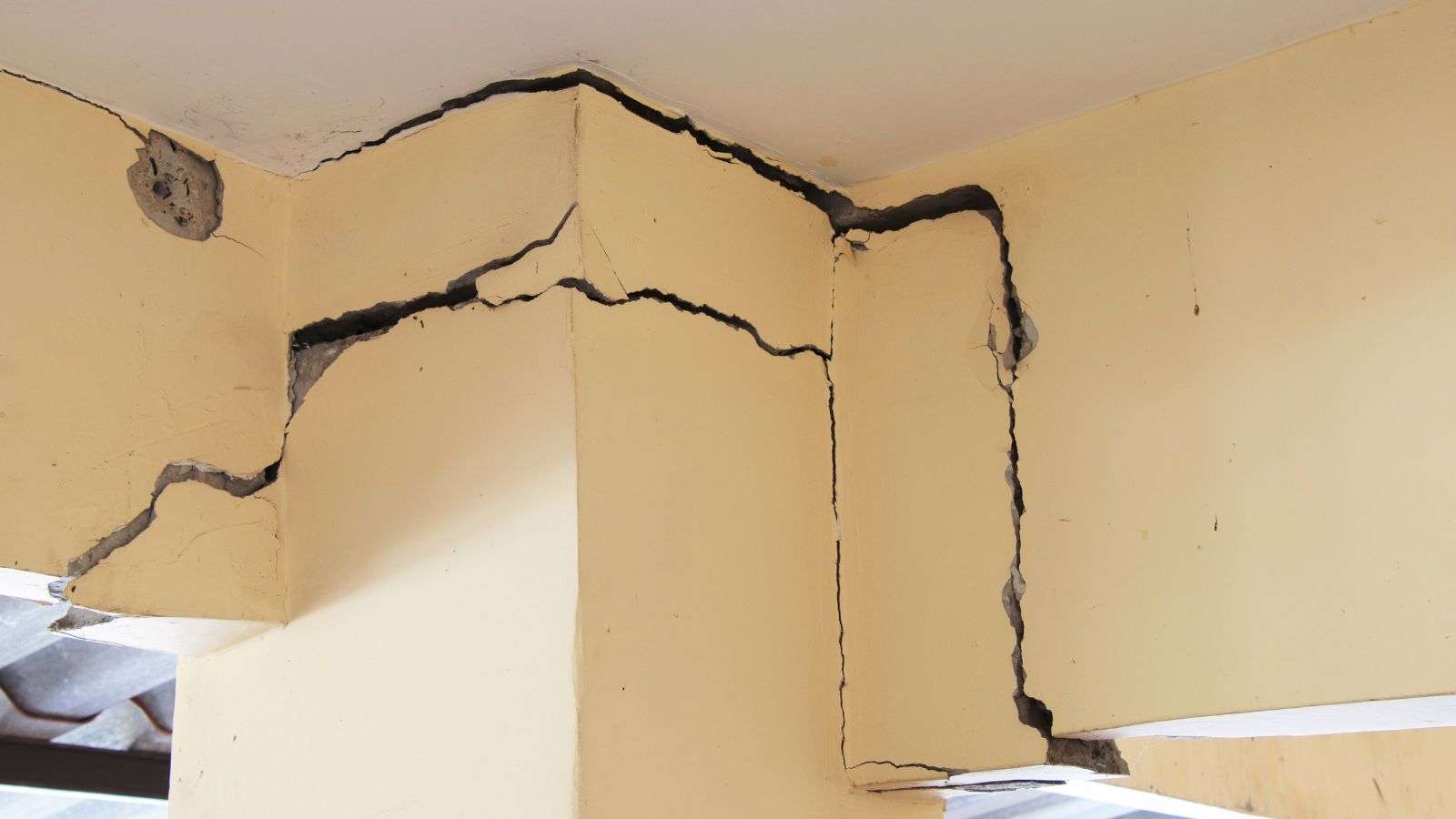
Contrary to common belief, roaches don’t need much space to enter your home. In fact, they can squeeze through tiny cracks, leading to a full-blown infestation over time.
In this article, we will explore mechanisms of roach access through cracks and steps to prevent such occurrences.
10 Insightful Ways to Prevent Roach Access through Cracks
1. Seal Cracks with Caulk
Small cracks and crevices are a common entry point for roaches. To prevent their access, use a high-quality caulk to seal up any gaps or openings in your walls, floors, or baseboards. Make sure to pay attention to areas around pipes, electrical outlets, and windows. Sealing these cracks will make a wall that roaches will have a hard time getting through.
2. Install Door Sweeps
Roaches can easily enter your home through gaps under doors. Installing door sweeps is an effective way to block their entry. These sweeps attach to the bottom of doors and create a tight seal, preventing roaches from squeezing through. Choose door sweeps that are made of durable materials and make sure they fit snugly against the floor.
3. Apply Weatherstripping
Another commonly overlooked entry point for roaches is gaps around windows. Applying weatherstripping can help seal these gaps and prevent roach access. Use adhesive-backed weatherstripping and attach it to the sides and bottom of windows. This will not only keep roaches out but also help improve energy efficiency by reducing drafts.
4. Repair Damaged Screens
Window screens with tears or holes provide easy access for roaches. Inspect your screens regularly and repair any damage right away. You can patch small holes using a screen repair kit or replace the entire screen if it’s extensively damaged. Keeping your screens in good shape will add another defense against roaches and other pests.
5. Eliminate Moisture Sources
Roaches are attracted to moisture, so you need to eliminate any potential water sources in your home. Fix leaky pipes, faucets, or toilets to prevent excess moisture buildup. Just make sure there is proper ventilation in areas prone to humidity, such as bathrooms and kitchens. Avoid leaving standing water in sinks or buckets, and quickly dry up any spills.
6. Store Food Properly
Roaches are opportunistic feeders and can survive on a wide range of food sources. To discourage their presence, store all food in airtight containers made of glass or plastic. Avoid leaving open food containers on countertops or in cabinets. Regularly clean up crumbs and food debris and sweep or vacuum your floors to remove any potential food sources for roaches.
7. Declutter Your Home
Roaches thrive in cluttered environments, as it provides them with hiding places. Take the time to declutter your home, especially areas such as basements, attics, and storage spaces. Organize your belongings, dispose of unnecessary items, and frequently clean these areas to minimize potential hiding spots for roaches.
8. Regularly Clean and Sanitize
Maintaining a clean and sanitary home is essential for roach prevention. Regularly clean your kitchen, including countertops, appliances, and inside cabinets. Pay attention to hard-to-reach areas like behind the stove or refrigerator. Clean up spills quickly, remove grease buildup, and make sure trash cans are tightly sealed.
9. Use Natural remedies.
Several natural substances can act as repellents against roaches. Consider using essential oils such as peppermint, eucalyptus, or lavender, as roaches are known to dislike their strong scents. You can create homemade repellent sprays by diluting these oils with water and spraying along potential entry points or infested areas.
10. Seek Professional Help
If you’ve tried various preventive measures but continue to have a roach problem, it may be time to seek professional pest control assistance. Pest control professionals have the expertise and tools necessary to effectively eliminate roach infestations. They can provide tailored solutions based on the severity of the problem and help prevent future infestations.
Understanding How Roaches Enter Houses Through Cracks
Roaches can enter houses through small cracks and crevices found in walls, floors, baseboards, and other areas. These pests are incredibly adept at squeezing through narrow openings, often taking advantage of even the tiniest gaps. Common entry points include cracks around pipes, electrical outlets, windows, and doors. When these cracks are left unsealed, roaches can easily find their way inside.
Once inside, they can quickly establish infestations, posing health risks and creating nuisances. To prevent roach access, it is essential to identify and seal these entry points using caulk, door sweeps, and weatherstripping. Removing any possible holes and cracks will create a physical barrier that roaches will find hard to get through.
Regularly inspecting and repairing damaged screens, eliminating moisture sources, storing food properly, decluttering, and maintaining cleanliness also play crucial roles in preventing roach entry. Remember, taking a proactive approach to sealing off cracks and implementing preventive measures will help keep your home roach-free.
Identifying Potential Entrances for Roaches in Your Home
- Cracks in walls, floors, and baseboards: Inspect your home for any visible cracks and crevices. Use caulk to seal these openings, as roaches can easily squeeze through even small gaps. For example, pay attention to cracks around pipes, electrical outlets, and windows.
- Gaps under doors: Check if there are any noticeable gaps under your doors. Install door sweeps to create a tight seal and prevent roaches from entering. Just make sure that the sweeps fit properly against the floor. For instance, roaches can exploit gaps under exterior doors or doors leading to basements or garages.
- Gaps around windows: Examine the areas around your windows for any gaps or openings. Apply weatherstripping to seal these gaps and limit roach access. Adhesive-backed weatherstripping can be attached to the sides and bottom of windows. This helps not only in preventing roaches but also in improving energy efficiency by reducing drafts.
- Damaged screens: Inspect your window screens for tears or holes that may allow roaches to enter. Repair small holes using screen repair kits or replace damaged screens entirely. Properly functioning screens act as an additional barrier against roaches and other pests. For instance, damaged screens in basements or attics can provide an easy entry point for roaches.
- Pipes and utility line entry points: Check for any gaps or openings around pipes and utility lines entering your home. Seal these entry points using caulk or other appropriate sealants. Roaches can enter through spaces around plumbing pipes, electrical wires, or cable lines.
- Cracks in the foundation: Examine the foundation of your home for any cracks or gaps. These can serve as access points for roaches. Consult with a professional if you discover significant foundation issues that require repair.
- Gaps around vents and ducts: Inspect the areas around vents and ducts in your home. Just make sure they are properly sealed with appropriate coverings or sealants. Roaches can enter through openings around vents or ductwork.
- Crawl spaces and attics: Check crawl spaces, attics, and other similar areas for any openings or gaps that may allow roaches to enter. Seal these openings using appropriate materials, such as wire mesh or caulk.
- Areas with moisture buildup: Roaches are attracted to moisture, so identify areas in your home with excessive moisture buildup. Fix any leaks or plumbing issues immediately to eliminate potential water sources that attract roaches. Common areas prone to moisture include bathrooms, kitchens, and basements.
- Outdoor entry points: Assess the exterior of your home for potential entry points such as gaps in siding, cracks in the foundation, or openings around utility lines. Address these issues to prevent roaches from entering from outside.
Can all roach species enter through cracks?
Not all roach species have the same ability to enter through cracks. While many roaches are skilled at squeezing through narrow openings, the size and flexibility of their bodies can vary. Smaller roach species, such as German cockroaches (Blattella germanica), are particularly adept at fitting through small cracks and crevices.
They have flat bodies and can exploit even the tiniest gaps to gain entry into homes. On the other hand, larger roach species like American cockroaches (Periplaneta americana) may have a harder time entering through narrow cracks due to their larger size.
However, even larger roaches can still find their way inside if there are significant openings or access points. Therefore, it’s crucial to seal off cracks and gaps in your home, regardless of the roach species you may be dealing with, to minimize their chances of entry.
Preventive Approach: Sealing Cracks to Keep Roaches Out
A preventive approach to keeping roaches out of your home involves sealing cracks to create a physical barrier that roaches find difficult to penetrate. Cracks in walls, floors, baseboards, and other areas can serve as entry points for roaches. You can effectively seal these holes and keep roaches out by using caulk or other suitable sealants.
Pay attention to areas around pipes, electrical outlets, windows, and doors, as these are common areas where cracks may be present. Installing door sweeps will help create a tight seal, so make sure to address any gaps under doors. Sealing cracks in your home will not only keep roaches out, but it will also make it less likely that other pests will get in. It’s essential to regularly inspect for new cracks or gaps and quickly address them to maintain an effective barrier against roaches.
Role of Pest Control Products in Securing Cracks
Pest control products can play a significant role in securing cracks and enhancing the effectiveness of preventive measures against roaches. In addition to sealing cracks with caulk or sealants, applying appropriate pest control products can provide an added layer of protection. For instance, using insecticidal dust or foam specifically designed for crack and crevice treatment can help eliminate any roaches that may have already gained access to these areas.
These products are formulated to reach deep into cracks and voids, targeting roaches and their hiding places. You can directly kill any roaches that may be in cracks by using pest control products on them. This lowers the risk of an infestation even more.
It is the key to following the instructions provided by the manufacturer and using these products safely and effectively. Combining the sealing of cracks with targeted pest control treatments can help fortify your home’s defenses against roach intrusion.
Natural Alternatives to Deter Roaches from Entering Cracks
- Peppermint oil: Roaches dislike the strong scent of peppermint oil. Dilute a few drops of peppermint oil with water and spray it along cracks and entry points to deter roaches. Reapply regularly to maintain its effectiveness.
- Diatomaceous earth: Diatomaceous earth is a natural substance composed of the fossilized remains of tiny aquatic organisms. Its abrasive texture damages the exoskeleton of roaches, leading to dehydration and death. Sprinkle diatomaceous earth in cracks and crevices where roaches may enter.
- Bay leaves: The smell of bay leaves repels roaches. Place dried bay leaves in and around cracks and entry points to discourage roaches. Replace the leaves periodically to maintain their potency.
- Cucumber: The odor of cucumber is known to repel roaches. Place cucumber peels or slices near cracks and potential entry points. As cucumber loses its scent, replace it with fresh slices to keep roaches at bay.
- Boric acid: Boric acid is a natural insecticide that can be used as a preventive measure. Apply a thin layer of boric acid powder along cracks and areas frequented by roaches. Use caution when handling boric acid, as it can be toxic if ingested.
- Catnip: Catnip contains a compound called nepetalactone, which repels roaches. Place small sachets of catnip near cracks or infested areas to deter roaches. Keep in mind that catnip may attract cats, so use it strategically.
- Citrus peels: Roaches dislike the scent of citrus fruits. Place citrus peels, such as those from oranges or lemons, near cracks and entry points. Replace the peels regularly to maintain their effectiveness.
- Vinegar: Vinegar has a strong odor that repels roaches. Create a solution of equal parts vinegar and water, and spray it along cracks and areas where roaches may enter. Vinegar can also be used for cleaning surfaces, removing food residues that attract roaches.
Impact of Home Maintenance in Roach Infestation Prevention
Home maintenance plays a major role in preventing roach infestations. Regular upkeep and proactive measures can significantly reduce the chances of roaches finding their way into your home. Taking care of maintenance tasks gets rid of things that roaches might find appealing and places where they could get in.
For example, fixing leaky pipes, faucets, or toilets helps eliminate excess moisture that roaches are drawn to. Keeping your home clean and free of food debris reduces food sources for roaches. Regularly sweeping, vacuuming, and wiping down surfaces also eliminates crumbs and spills that can attract these pests.
Decluttering and organizing your living spaces, particularly in storage areas and basements, minimizes hiding spots for roaches. Conducting routine inspections for cracks, gaps, or damaged screens allows you to seal off potential entry points.
Traps and Baits: Are They Effective in Controlling Crack Access?
Traps and baits can be effective in controlling roach access through cracks. While sealing cracks is essential for preventing roach entry, traps and baits can complement these efforts by targeting roaches already present in your home.
Roach traps are designed to attract and capture roaches using various mechanisms, such as sticky surfaces or baited compartments. Placing traps near cracks and areas of roach activity can help catch and monitor their presence. Baits, on the other hand, are formulated with attractive food sources combined with insecticides.
Roaches are lured to the bait, consume it, and carry the insecticide back to their colonies, effectively eliminating the population. Bait stations can be strategically placed near cracks to intercept roaches as they travel. For maximum effectiveness, you must choose roach-specific traps and baits and adhere to the manufacturer’s instructions. Using traps and baits in conjunction with crack sealing and other preventive measures can enhance overall roach control efforts in your home.
When to Seek Professional Help for Roach Infestations
Recognizing when to seek professional help for roach infestations is pivotal to maintaining a healthy living environment. Generally, if you have seen multiple roaches or experience a recurrent problem despite using over-the-counter solutions, it’s time for professional intervention. Seeing roaches during the day is another ample sign of a severe infestation because roaches are nocturnal creatures, implying the population may have overcrowded their hiding spaces.
Roaches are carriers of multiple diseases and cause allergies, making this problem a pressing health concern. Moreover, signs like cockroach feces, egg cases, or an oily, musty smell also indicate a full-blown infestation. To potentially prevent an escalation, it’s wise to contact professionals before these signs worsen, especially when dealing with evasive species such as German roaches.
For instance, homeowners in our website directory, Big Home Projects have found success in connecting with professionals experienced in managing even complex roach infestations, providing an efficient way to find reliable services to handle this tricky issue.
Regular Home Inspections to Prevent Roach Access through Cracks
Regular home inspections are crucial in preventing roach access through cracks by allowing you to proactively identify and address potential entry points. If you check your home often for cracks, gaps, and other weak spots, you can quickly seal off these openings with caulk or the right sealants. Pay close attention to areas around pipes, electrical outlets, windows, doors, and the foundation.
Inspect screens for damage, address gaps around vents and ducts, and check for any moisture sources that may attract roaches. Regular inspections also enable you to assess the effectiveness of preventive measures and identify areas that may require additional attention. It is possible to avoid roach infestations and keep your home safe by scheduling regular home inspections as part of your regular maintenance.