
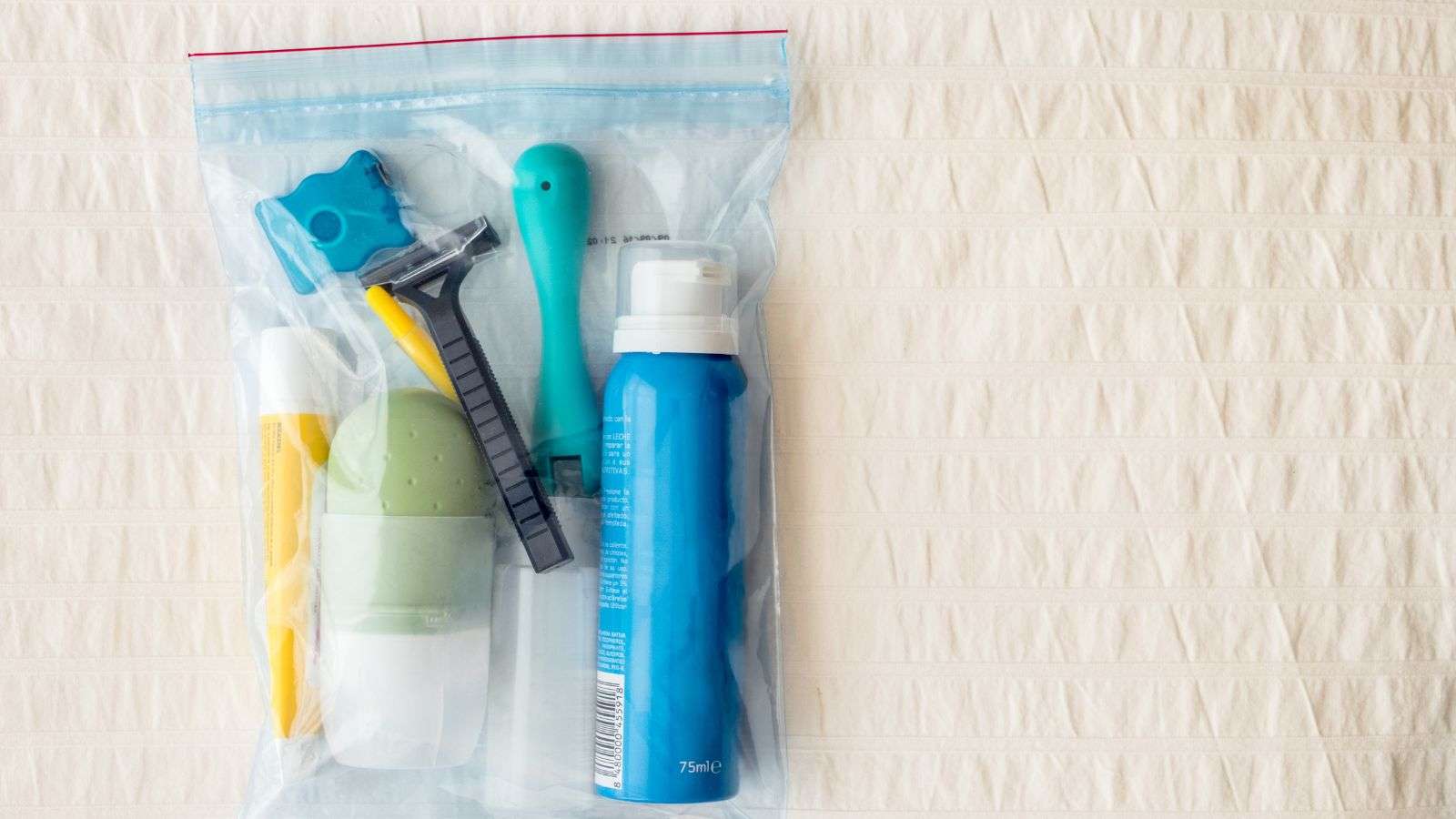
Most people might view roaches as merely a symbol of dirtiness, but their nuisance extends far beyond being unsightly. Roaches can actually contaminate your toiletries. The risk that toiletry contamination poses to our health and wellbeing.
In this article, we cover eleven critical points centered on the topic of toiletry contamination by roaches, anticipating your questions and providing relevant solutions.
10 Shocking Facts About Roach-Contaminated Toiletries
1. Cockroach Infestation in Toiletries
Cockroach infestations in toiletries can be a shocking and unpleasant discovery. Here are some important points to consider:
Cockroach infestations in toiletries can occur due to unsanitary conditions or improper storage. These pests can easily contaminate personal care items such as toothbrushes, soaps, and cosmetics.
If you suspect a cockroach infestation in your toiletries, you need to take immediate action to prevent any potential health risks. Here are a few steps you can follow:
- Inspect your toiletries for signs of cockroach activity, such as droppings or chew marks.
- Dispose of any visibly contaminated items and clean the surrounding area thoroughly.
- Store toiletries in sealed containers or cabinets to prevent further infestation.
- Regularly clean and disinfect your bathroom to minimize the chances of cockroaches finding their way into your personal care products.
2. Health Risks Associated with Roach-Contaminated Toiletries
The presence of cockroaches in your toiletries poses potential health risks that are often overlooked. Here’s what you need to know:
Cockroaches are known carriers of various bacteria, viruses, and parasites that can be harmful to human health. When these pests come into contact with your toiletries, they can transfer pathogens onto the surfaces, increasing the risk of infections and diseases.
To minimize the health risks associated with roach-contaminated toiletries, consider the following actions:
- Replace any visibly contaminated items with new ones.
- Wash your hands thoroughly after handling potentially contaminated toiletries.
- Avoid using products that have been exposed to cockroaches, as they may cause skin irritations or allergic reactions.
- Regularly clean and sanitize your bathroom, paying special attention to areas where cockroaches are commonly found, such as drains and crevices.
3. Steps to Prevent Cockroach Infestation in Toiletries
Preventing cockroach infestations in your toiletries requires proactive measures. Here are some steps you can take to keep these unwanted pests at bay:
- Store toiletries properly. Keep your personal care items in sealed containers or cabinets to prevent cockroaches from accessing them.
- Maintain cleanliness: Regularly clean and disinfect your bathroom, paying attention to areas where cockroaches are likely to hide, such as behind toilets and sinks.
- Fix any leaks. Cockroaches are attracted to moisture, so repair any leaking pipes or faucets in your bathroom promptly.
- Seal entry points: Block off any cracks or openings in walls, floors, or windows that could serve as entry points for cockroaches.
- Keep food away: Avoid storing food items in your bathroom, as they can attract cockroaches and increase the risk of infestation.
4. Identifying Signs of Roach Contamination in Toiletries
Detecting signs of roach contamination in your toiletries is essential for taking appropriate action. Look out for the following indicators:
- Visible droppings: Cockroach droppings may appear as small, dark specks resembling ground coffee or black pepper.
- Chew marks: Check for any signs of damage or small puncture marks on packaging or product surfaces.
- Unusual odor: Roach-infested toiletries may have a distinct musty or unpleasant smell.
- Live or dead roaches: Spotting actual cockroaches in or around your personal care items is a clear indication of contamination.
5. Common Causes of Roach Infestation in Toiletries
Understanding the common causes of roach infestations in toiletries can help you prevent future occurrences. Here are some factors that contribute to this problem:
- Poor sanitation: Cockroaches thrive in unsanitary environments, so maintaining cleanliness is vital.
- Food sources: Leaving food residues on toiletry items or nearby surfaces can attract roaches.
- Cluttered spaces: Piles of clutter provide hiding places for cockroaches, making it easier for them to access your toiletries.
- Moisture: Roaches are attracted to moisture-rich areas, so keeping your bathroom dry is important.
6. Professional Pest Control for Roach-Contaminated Toiletries
In severe cases of roach-contaminated toiletries, seeking professional pest control services may be necessary. Here’s what you should know:
Professional pest control experts have the knowledge, experience, and tools to effectively eliminate cockroach infestations and prevent future occurrences. They will assess the extent of the infestation, identify potential entry points, and develop a customized treatment plan.
If you decide to hire professional pest control services, consider the following:
- Choose reputable companies with a track record of successful cockroach eradication.
- Follow the recommendations provided by the experts regarding cleaning and preventive measures.
- Regularly monitor your toiletries and maintain good hygiene practices, even after professional treatment.
7. DIY Methods for Eliminating Cockroaches from Toiletry Items
If you prefer a do-it-yourself approach, there are several methods you can try to eliminate cockroaches from your toiletry items:
- Freezing: Seal the contaminated items in plastic bags and place them in a freezer for at least 24 hours. This freezing process will kill any live roaches or eggs present.
- Washing with hot water: For washable items, such as toothbrushes or combs, soak them in hot water mixed with an antibacterial soap or bleach solution before rinsing thoroughly.
- Vacuuming: Use a vacuum cleaner with a hose attachment to remove any visible cockroaches or droppings from the affected area.
- Natural repellents: Consider using natural cockroach repellents like essential oils (e.g., peppermint oil) or a mixture of baking soda and sugar as bait traps.
8. Proper Disposal of Roach-Contaminated Toiletries
Properly disposing of roach-contaminated toiletries is important to preventing the further spread of pests and potential health risks. Follow these guidelines for safe disposal:
- Seal contaminated items: Place all contaminated toiletries in sealed plastic bags to prevent any escape of roaches or eggs.
- Double bagging: For added security, consider placing the sealed bags into another bag before discarding them.
- Outdoor disposal: Dispose of the double-bagged items in outdoor trash bins away from your living area.
- Inform others: If you share living spaces with others, inform them about the contamination and disposal process to protect everyone’s safety.
9. Maintaining a Cockroach-Free Bathroom
Maintaining a cockroach-free bathroom requires consistent effort and attention to detail. Consider these tips for a pest-free environment:
- Regular cleaning: Clean your bathroom thoroughly at least once a week, paying special attention to areas prone to cockroach activity.
- Store toiletries properly: Keep all personal care items in sealed containers or cabinets to make them less accessible to roaches.
- Caulk cracks and crevices: Seal any gaps or openings that could serve as entry points for cockroaches.
- Address moisture issues: Fix leaks promptly and assure proper ventilation to reduce excess moisture in the bathroom.
- Minimize clutter: Keep your bathroom organized and clutter-free to eliminate potential hiding spots for cockroaches.
10. Long-Term Impact of Roach-Contaminated Toiletries on Mental Health
Perpetual concerns over roach-infected toiletries can potentially impact mental health by inducing chronic stress or anxiety. Here’s what to understand:
The persistent fear of finding cockroaches in your toiletries and the associated health risks can lead to unease and constant worry. This ongoing stressor can contribute to anxiety disorders, sleep disturbances, and a lowered quality of life.
To combat this:
- Recognize when these fears turn into obsessions that interfere with your daily life and overall wellbeing.
- Seek help from a mental health professional if you notice signs of chronic stress, anxiety, or other concerning emotions related to the cockroach infestation. Therapy or guidance can help manage these concerns adequately.
- Maintain open communication with pest control service providers to monitor and manage the infestation effectively. An assurance of effective and timely pest management can minimize these stressors.
- Engage in stress-relieving activities and mindfulness practices such as meditation, yoga, and regular exercise to manage your reactions to the situation. These can help alleviate worry and create a sense of calm in your living environment.
Understanding the Biological Risks of Roach Contamination
Roach contamination in toiletries poses significant biological risks due to the potential transfer of bacteria, viruses, and parasites. Cockroaches are known carriers of various pathogens, making their presence in personal care items a health concern.
When cockroaches come into contact with toiletries, they can introduce harmful microorganisms that may cause infections, allergies, or other health issues. For example, roaches can carry bacteria like Salmonella or E. coli, which can lead to gastrointestinal illnesses when transmitted through contaminated toothbrushes or soaps. Cockroaches may harbor parasites such as tapeworm eggs or protozoan cysts, which can be transmitted through contaminated cosmetics or creams.
These biological risks highlight the importance of promptly addressing any signs of roach contamination in toiletries and taking appropriate measures to prevent further infestations. Regular cleaning, proper storage, and good hygiene practices are essential in minimizing the potential biological hazards associated with roach-contaminated toiletries.
Recognizing Signs of Roach-Contaminated Toiletries
- Visible droppings: One of the telltale signs of roach-contaminated toiletries is the presence of visible droppings. Cockroach droppings may appear as small, dark specks resembling ground coffee or black pepper. These droppings can be found on the packaging or surfaces of personal care items, indicating that cockroaches have come into contact with them. For example, if you notice tiny specks on your toothbrush holder or near your cosmetics, it could be a sign of roach contamination.
- Chew marks: Another sign to watch out for is chew marks on the packaging or product surfaces. Cockroaches can leave behind small puncture marks or visible damage as they gnaw on toiletries. This can occur when cockroaches are seeking food or moisture from the items. For instance, if you discover chew marks on your soap bar or shampoo bottle, it suggests that roaches have accessed and potentially contaminated those products.
- Unusual odor: Roach-infested toiletries may emit a distinct musty or unpleasant odor. This odor can be attributed to the presence of cockroaches and their secretions. If you notice an unusual smell coming from your personal care items, it could be a sign of roach contamination. For instance, if your cosmetics or creams have an off-putting scent that is not typical, it may indicate the presence of cockroaches.
- Live or dead roaches: Spotting actual cockroaches in or around your toiletries is a clear indication of contamination. While it may be rare to directly encounter live roaches in your personal care items, finding them nearby, such as in bathroom cabinets or drawers, suggests that they have had access to your toiletries. Similarly, discovering dead roaches in close proximity to your products indicates their presence and the potential for contamination.
The Link Between Roach Contamination and Skin Infections
There is a significant link between roach contamination and skin infections. Cockroaches are known carriers of bacteria, fungi, and other pathogens that can cause skin-related issues when they come into contact with the skin.
When roaches contaminate toiletries such as soaps, creams, or cosmetics, they can transfer these harmful microorganisms onto the skin, leading to various skin infections. For instance, bacteria like Staphylococcus aureus or Streptococcus pyogenes carried by cockroaches can cause skin infections, including cellulitis or impetigo.
Fungi such as Candida can cause fungal infections like dermatitis or yeast infections when transmitted through contaminated toiletries. These skin infections can result in redness, itching, rashes, or even more severe complications in individuals with compromised immune systems.
Therefore, you have to address roach contamination in toiletries promptly, dispose of contaminated items, and practice good hygiene to minimize the risk of skin infections associated with cockroach contamination.
Exploring the Potential Impact on Oral Health
Roach contamination in toiletries can have a potential impact on oral health. Cockroaches are known carriers of various bacteria, including those associated with oral infections. If roaches come into contact with toothbrushes, dental floss, or other oral care products, they can transfer these bacteria onto these items.
When individuals use contaminated oral care products, they can introduce harmful microorganisms into their mouths, increasing the risk of oral infections and diseases. For example, bacteria like Streptococcus mutans or Porphyromonas gingivalis carried by cockroaches can contribute to dental caries (cavities) or periodontal diseases. The presence of cockroach allergens in the oral environment can potentially trigger allergic reactions in some individuals, leading to oral discomfort or swelling.
You need to maintain good oral hygiene practices, regularly replace toothbrushes, and store oral care items in clean and sanitary conditions to minimize the potential impact of roach contamination on oral health.
Steps to Clean Roach-Contaminated Toiletries
- Inspect and identify contaminated items: Begin by inspecting your toiletries for signs of roach contamination, such as visible droppings, chew marks, or the presence of roaches themselves. Identify the items that are affected to ensure proper cleaning and disposal.
- Dispose of visibly contaminated items: Safely dispose of any toiletries that show clear signs of roach contamination. Place these items in sealed plastic bags and dispose of them in outdoor trash bins away from your living area.
- Clean the surrounding area: Thoroughly clean the area where the contaminated toiletries were stored. Use a disinfectant cleaner to wipe down surfaces, shelves, and cabinets. Pay special attention to crevices, corners, and other potential hiding spots for roaches.
- Wash washable items: For washable items like toothbrushes or combs, soak them in hot water mixed with an antibacterial soap or bleach solution. Rinse them thoroughly to remove any potential contaminants.
- Freeze non-washable items: If you have non-washable items like cosmetics or creams, seal them in plastic bags and place them in a freezer for at least 24 hours. Freezing will help kill any live roaches or eggs present.
- Replace contaminated items: You should try to replace any toiletries that have been exposed to roach contamination and cannot be effectively cleaned or sterilized. This assures that you are using clean and safe products moving forward.
- Implement preventive measures: After cleaning and disposing of roach-contaminated toiletries, take preventive measures to minimize the risk of future infestations. Store your toiletries in sealed containers or cabinets, maintain cleanliness in your bathroom, fix any leaks, and keep food sources away from the area.
How to Spot Roach Contamination in Makeup Products
- Visible signs of damage: Inspect your makeup products for any visible signs of damage, such as chew marks, punctures, or gnawing. Roaches can leave behind physical evidence of their presence on the packaging or the products themselves, indicating potential contamination.
- Presence of droppings: Look for small, dark specks resembling ground coffee or black pepper, which may indicate the presence of cockroach droppings. These droppings can be found on the surface of the makeup products or in the packaging, serving as a clear sign of contamination.
- Unusual odor: Be attentive to any unusual or off-putting odors emanating from your makeup products. Roach-contaminated makeup may emit a distinct musty or unpleasant smell due to the presence of cockroaches and their secretions.
- Live or dead roaches: If you encounter live or dead roaches in the vicinity of your makeup products, it is a clear indication of potential contamination. While it may be rare to directly find roaches inside makeup containers, their presence in the surrounding area warrants immediate attention.
- Change in texture or appearance: Pay attention to any unexpected changes in the texture, color, or appearance of your makeup products. Contamination by cockroaches can alter the characteristics of the products, indicating potential compromise.
Effective Ways to Store Toiletries to Prevent Roach Contamination
- Sealed containers and packaging: Store your toiletries in sealed containers or packaging to prevent roaches from accessing them. This can include airtight plastic storage bins or resealable bags for items like cotton swabs, dental floss, and cotton pads.
- Elevated storage: Keep toiletries elevated off the ground and away from potential entry points for roaches. Store items on shelves or in cabinets that are not in direct contact with the floor to minimize the risk of contamination.
- Regular cleaning of storage areas: Clean and disinfect the areas where toiletries are stored on a regular basis. This includes wiping down shelves, cabinets, and storage containers to remove any potential food sources or attractants for roaches.
- Moisture control: Address any moisture issues in the storage area, as roaches are attracted to damp environments. Install proper ventilation and promptly repair any leaks to minimize the appeal of the space to roaches.
- Avoid storing food items: Refrain from storing food items in the same area as your toiletries, as this can attract roaches and increase the risk of infestation. Keep food products in designated kitchen areas to prevent cross-contamination.
Leveraging Pest Control for a Roach-Free Bathroom
Leveraging professional pest control services can be instrumental in achieving a roach-free bathroom. Pest control experts have the knowledge, experience, and tools to effectively eliminate cockroach infestations and prevent future occurrences.
They can conduct a thorough inspection to identify potential entry points, assess the extent of the infestation, and develop a customized treatment plan tailored to your specific situation. For example, they may use targeted baits, insecticidal dusts, or residual sprays to eradicate roaches and establish protective barriers. These professionals can provide valuable recommendations for ongoing maintenance and preventive measures to minimize the risk of future infestations.
What To Do If Your Toiletries Are Contaminated
- Dispose of visibly contaminated items: Safely dispose of any toiletries that show clear signs of roach contamination. Place these items in sealed plastic bags and dispose of them in outdoor trash bins away from your living area.
- Clean the surrounding area: Thoroughly clean the area where the contaminated toiletries were stored. Use a disinfectant cleaner to wipe down surfaces, shelves, and cabinets. Pay special attention to crevices, corners, and other potential hiding spots for roaches.
- Wash washable items: For washable items like toothbrushes or combs, soak them in hot water mixed with an antibacterial soap or bleach solution. Rinse them thoroughly to remove any potential contaminants.
- Freeze non-washable items: If you have non-washable items like cosmetics or creams, seal them in plastic bags and place them in a freezer for at least 24 hours. Freezing will help kill any live roaches or eggs present.
- Replace contaminated items: It’s recommended that you replace any toiletries that have been exposed to roach contamination and cannot be effectively cleaned or sterilized. This guarantees that you are using clean and safe products moving forward.
- Implement preventive measures: After cleaning and disposing of roach-contaminated toiletries, take preventive measures to minimize the risk of future infestations. Store your toiletries in sealed containers or cabinets, maintain cleanliness in your bathroom, fix any leaks, and keep food sources away from the area.
Constructing a Long-Term Plan Against Roach Contamination
Constructing a long-term plan against roach contamination involves a comprehensive approach to prevent future infestations. This plan may include measures such as regular cleaning and maintenance of the bathroom and surrounding areas, sealing entry points, implementing proper storage practices for toiletries, addressing moisture issues, and seeking professional pest control services if needed.
For example, maintaining a clean and clutter-free bathroom, storing toiletries in sealed containers, repairing any leaks, and sealing cracks and crevices can help create an environment less conducive to roach infestations. Developing a habit of regular inspection for signs of roach activity and promptly addressing any potential issues can further contribute to long-term prevention.
By integrating these strategies into a consistent and proactive plan, individuals can significantly reduce the risk of roach contamination in their toiletries and maintain a hygienic environment in the long run.