
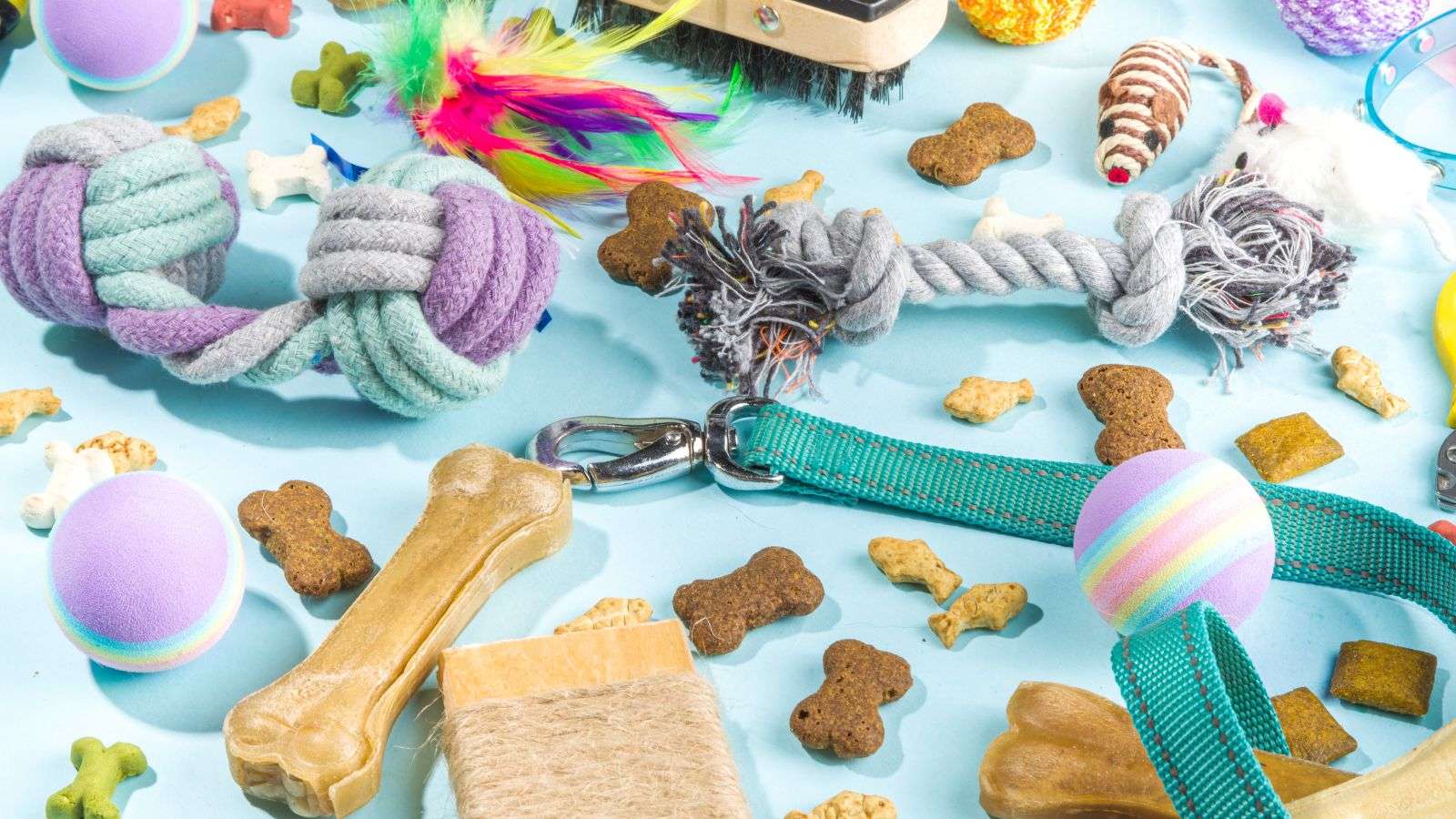
Roach contamination in unused pet accessories can lead to a series of health problems for our beloved pets and even ourselves. Such infestations can occur unknowingly, turning a harmless storage space into a breeding ground for roaches.
In this article, we’ll explain 11 essential tips to prevent and treat roach contamination of your pet’s unused accessories.
Understanding Roach Contamination In Pet Accessories
Roach contamination in pet accessories can pose serious health risks to both pets and humans. Roaches are known carriers of various pathogens and bacteria that can lead to illnesses. When roaches come into contact with pet accessories such as food bowls, toys, bedding, or crates, they can leave behind feces, shed skins, and saliva, contaminating these items.
Pets can then ingest these contaminants, leading to gastrointestinal issues or even more severe health concerns. You have to regularly clean and inspect pet accessories for any signs of roach infestation to prevent such contamination. Storing pet accessories in sealed containers and keeping the pet area clean and free of food debris can help reduce the risk of roach contamination.
11 Essential Tips to Avoid Roach Contamination of Unused Pet Accessories
1. Store Pet Accessories Properly
When storing unused pet accessories, make sure to keep them in sealed containers or bins to prevent roaches from accessing them. Roaches are attracted to food and organic materials, so sealing items like pet beds, toys, and bowls can help deter these pests from contaminating them.
2. Regularly Clean and Inspect Pet Accessories
Set a routine for cleaning and inspecting pet accessories, even when they are not in use. This practice can help you identify any signs of roach infestation early on and take the necessary action to prevent contamination. Use pet-safe cleaning products to ensure your furry friend’s well-being.
3. Keep Pet Areas Clean and Tidy
Maintaining cleanliness in your pet’s living space is the key to preventing roach contamination. Vacuum regularly, remove food debris, and wash bedding frequently to eliminate potential attractants for roaches. A clean environment not only keeps roaches at bay but also promotes your pet’s health.
4. Avoid Leaving Food Out Overnight
Roaches are nocturnal creatures that are particularly active during the night. To avoid attracting roaches to your pet’s feeding area, refrain from leaving food out overnight. Store pet food in airtight containers and consider feeding your pet during the day when roaches are less likely to roam.
5. Seal Cracks and Crevices
Roaches can enter your home through tiny cracks and crevices, so it’s essential to seal off entry points to prevent infestations. Inspect walls, floors, and windows for any openings and use caulk or sealant to seal them. This simple step can significantly reduce the chances of roaches contaminating your pet accessories.
6. Use Natural Roach Repellents
Consider using natural roach repellents such as peppermint oil, bay leaves, or cucumber slices to deter roaches from approaching your pet accessories. These natural remedies are safe for pets and can help keep roaches away without the use of harsh chemicals.
7. Declutter Storage Areas
Cluttered storage spaces provide hiding spots for roaches to thrive unnoticed. Keep storage areas organized and clutter-free to minimize the risk of roach infestations. Regularly decluttering and organizing your storage spaces can make it easier to detect any signs of roaches and take action right away.
8. Wash Pet Accessories Regularly
Regularly washing pet accessories like bedding, blankets, and toys can help eliminate any potential sources of roach contamination. Use pet-friendly detergents and hot water to ensure thorough cleaning and disinfection of these items. Clean accessories not only keep roaches away but also promote your pet’s hygiene and well-being.
9. Monitor Pet Accessories for Signs of Infestation
Keep an eye out for signs of roach infestation on pet accessories, such as droppings, egg casings, or a musty odor. If you notice any of these indicators, take immediate steps to address the issue before it escalates and contaminates other items in your home.
10. Limit Access to Unused Pet Accessories
If you have unused pet accessories stored in certain areas of your home, consider limiting access to those spaces to reduce the risk of roach contamination. Keep these areas closed off or inaccessible to pets and family members to prevent roaches from spreading to other parts of your home.
11. Seek Professional Help if Needed
In the event of a severe roach infestation that poses a threat to your pet accessories and overall home environment, don’t hesitate to seek professional help from pest control experts. They can assess the situation, implement effective treatment plans, and provide guidance on preventing future infestations to safeguard your pet’s health and well-being.
The Risks: Implications of Roach Contamination
- Health Risks for Pets and Humans: Roach contamination in pet accessories can lead to various health risks for both pets and humans. Roaches carry pathogens and bacteria that can cause illnesses when ingested. For example, pets may experience gastrointestinal issues or respiratory problems due to exposure to roach contaminants.
- Spread of Diseases: Roaches can spread diseases through their feces, saliva, and shed skins, contaminating pet accessories in the process. This can result in the transmission of harmful bacteria and pathogens to pets and humans, leading to illnesses such as salmonellosis or allergies.
- Damage to Pet Accessories: Roaches can cause damage to pet accessories by chewing on materials such as bedding, toys, or food bowls. This not only compromises the integrity of the items but also creates potential entry points for roaches to further infest the area.
- Increased Infestation Risk: Roach contamination in pet accessories can increase the risk of a larger infestation within the home. Once roaches find a food source in pet accessories, they are likely to multiply and spread to other areas of the house, making it challenging to eradicate them completely.
- Financial Costs: Dealing with roach contamination in pet accessories can incur financial costs for pest control services, the replacement of damaged items, and medical treatment for affected pets or family members. Preventing roach infestations early on can help avoid these unnecessary expenses.
- Emotional Stress: Coping with the implications of roach contamination on pet accessories can cause emotional stress for pet owners. Concerns about their pet’s health, the cleanliness of their home, and the effectiveness of pest control measures can contribute to heightened anxiety and discomfort.
Proper Storage Techniques: Keep Accessories Roach-free
- Sealable Containers: Utilize sealable containers or bins to store unused pet accessories securely. This prevents roaches from accessing the items and contaminating them with feces or bacteria. For example, storing pet food in airtight containers can help deter roaches and preserve the freshness of the food.
- Elevated Storage: Store pet accessories off the ground or in elevated areas to reduce the risk of roach contamination. Roaches are less likely to reach items stored at heights, minimizing the chances of infestation. Consider installing shelving units or hooks to keep accessories organized and out of reach of pests.
- Regular Inspection: Implement a routine for regularly inspecting stored pet accessories for any signs of roach activity. Look for droppings, egg casings, or chew marks that indicate a potential infestation. Early detection allows for prompt action to prevent further contamination and damage.
- Use Pest Repellents: Consider using natural pest repellents such as cedar blocks, diatomaceous earth, or essential oils to deter roaches from approaching stored pet accessories. These repellents are safe for pets and can help create a barrier against pests without the use of harmful chemicals.
- Vacuum Storage Bags: Opt for vacuum storage bags for items like pet bedding or clothing to minimize the space occupied and reduce hiding spots for roaches. Vacuum-sealing items not only conserve space but also create an inhospitable environment for pests, decreasing the likelihood of infestation.
Roach Traps: Your First Line of Defense
Roach traps can serve as your first line of defense against roach infestations in pet accessories. Placing roach traps strategically in areas where pet accessories are stored can help in detecting and capturing roaches before they contaminate the items.
There are various types of roach traps available, including sticky traps, bait stations, and electronic traps, each designed to lure and trap roaches effectively. Regularly checking and replacing roach traps as needed can help monitor and control the presence of roaches near your pet accessories, helping to maintain a roach-free environment for your pets and family.
Spotting Roach Contamination: Signs and Symptoms
- Fecal Droppings: One common sign of roach contamination in pet accessories is the presence of small, dark fecal droppings. These droppings may resemble coffee grounds and can be found near or on the items, indicating roach activity and potential contamination. Regularly inspecting for and cleaning up these droppings can help prevent further infestations.
- Musty Odor: A musty or unpleasant odor in the vicinity of pet accessories can indicate roach contamination. Roaches emit a distinct smell that can become noticeable when they infest an area. If you detect a persistent musty odor around your pet’s belongings, it may be a sign of roach presence and contamination that requires immediate attention.
- Shed Skins: Roaches shed their exoskeletons as they grow, leaving behind translucent skins that can accumulate in pet accessories. The presence of these shed skins is a clear indicator of roach activity and potential contamination. Regularly checking for and removing these skins can help prevent roaches from further infesting the items.
- Damage to Materials: Roaches may cause physical damage to pet accessories by chewing on fabrics, plastics, or other materials. If you notice chew marks, holes, or gnawed areas on your pet’s belongings, it could be a sign of roach contamination. Dealing with the damage quickly and implementing preventive measures can help protect your pet accessories from further deterioration.
- Visible Roaches: Spotting live roaches in or around pet accessories is a direct indication of contamination. Roaches are nocturnal insects that may hide during the day and emerge at night. If you see roaches scurrying around your pet’s items, it’s crucial to take immediate action to eliminate the pests and prevent further contamination.
Natural Remedies: A Safer Option Against Roaches
- Peppermint Oil: Peppermint oil is a natural remedy that can help repel roaches from pet accessories. Roaches are known to dislike the strong scent of peppermint, making it an effective deterrent. Simply dilute peppermint oil with water and spray it around areas where pet accessories are stored to discourage roaches from approaching.
- Diatomaceous Earth: Diatomaceous earth is a safe and non-toxic powder that can be used to combat roach infestations in pet areas. This powdery substance works by dehydrating and killing roaches upon contact. Sprinkle diatomaceous earth in cracks, crevices, or around pet accessories to create a barrier against roaches without posing any harm to pets or humans.
- Bay Leaves: Bay leaves are another natural remedy that can help keep roaches at bay in pet accessory storage areas. Bay leaves are an efficient and environmentally friendly option for pest control because they repel roaches. Place bay leaves in corners, shelves, or containers where pet accessories are kept to deter roaches from contaminating the items.
- Cucumber Slices: Cucumber slices can also serve as a natural roach repellent for pet accessories. Roaches are averse to the scent of cucumbers, making them an inexpensive and safe option for deterring pests. Scatter cucumber slices in areas where pet accessories are stored to help prevent roach infestations and maintain a roach-free environment for your pets.
Dealing with Severe Infestations: When to Seek Professional Help
In cases of severe roach infestations that pose a threat to your home and pet accessories, it’s best to seek professional help from pest control experts. Signs of a severe infestation include a large number of roaches, persistent sightings even after DIY treatments, or contamination of multiple areas within your home.
Pest control professionals have the expertise, tools, and resources to assess the extent of the infestation, implement effective treatment plans, and provide guidance on prevention measures.
For assistance in finding reputable pest control professionals, you can visit our website directory, Big Home Projects, where you can connect with qualified experts who can address severe roach infestations and safeguard your home and pet accessories effectively.
Cleaning Roach Contaminated Accessories: Step-by-Step Guide
- Isolate Contaminated Accessories: Begin by isolating the roach-contaminated pet accessories to prevent the spread of pests to other items. Place the contaminated items in a sealed bag or container until you are ready to clean them thoroughly.
- Examine for Damage: Carefully examine the pet accessories for any evidence of roach damage, such as chew marks, holes, or feces. Assessing the extent of damage will help determine the necessary cleaning steps and whether any items need to be discarded due to contamination.
- Use Pet-Safe Cleaning Products: Select pet-safe cleaning products such as mild soap, vinegar, or baking soda to clean roach-contaminated pet accessories. Avoid using harsh chemicals that may be harmful to pets or leave behind toxic residues on the items.
- Thorough Cleaning and Disinfection: Clean the pet accessories thoroughly by washing them with soap and hot water. Scrub any affected areas to remove roach feces, shed skins, or saliva that may harbor bacteria. Rinse the items well to ensure all contaminants are removed.
- Dry Completely: Allow the cleaned pet accessories to dry completely before returning them to your pet. Proper drying helps prevent mold growth and makes sure that the items are free from moisture that may attract roaches back to them.
- Monitor for Reinfestation: Keep a close eye on the cleaned pet accessories and the surrounding area for any signs of reinfestation by roaches. Implement preventive measures such as using natural repellents or setting up traps to deter pests from contaminating the items again.
Prevention: Maintain a Roach-Free Environment for You and Your Pet
To maintain a roach-free environment for you and your pet, it is essential to establish preventive measures that deter roaches from infesting your home and pet accessories. Regularly clean and declutter pet areas, vacuum frequently, store food in sealed containers, and fix any leaks or cracks that may serve as entry points for roaches.
Implement natural roach repellents like peppermint oil or bay leaves, and use roach traps strategically to monitor and control roach activity. Practice good hygiene, proper storage techniques, and vigilant monitoring to help create a safe and healthy environment for your pet while minimizing the risk of roach contamination in your home.