
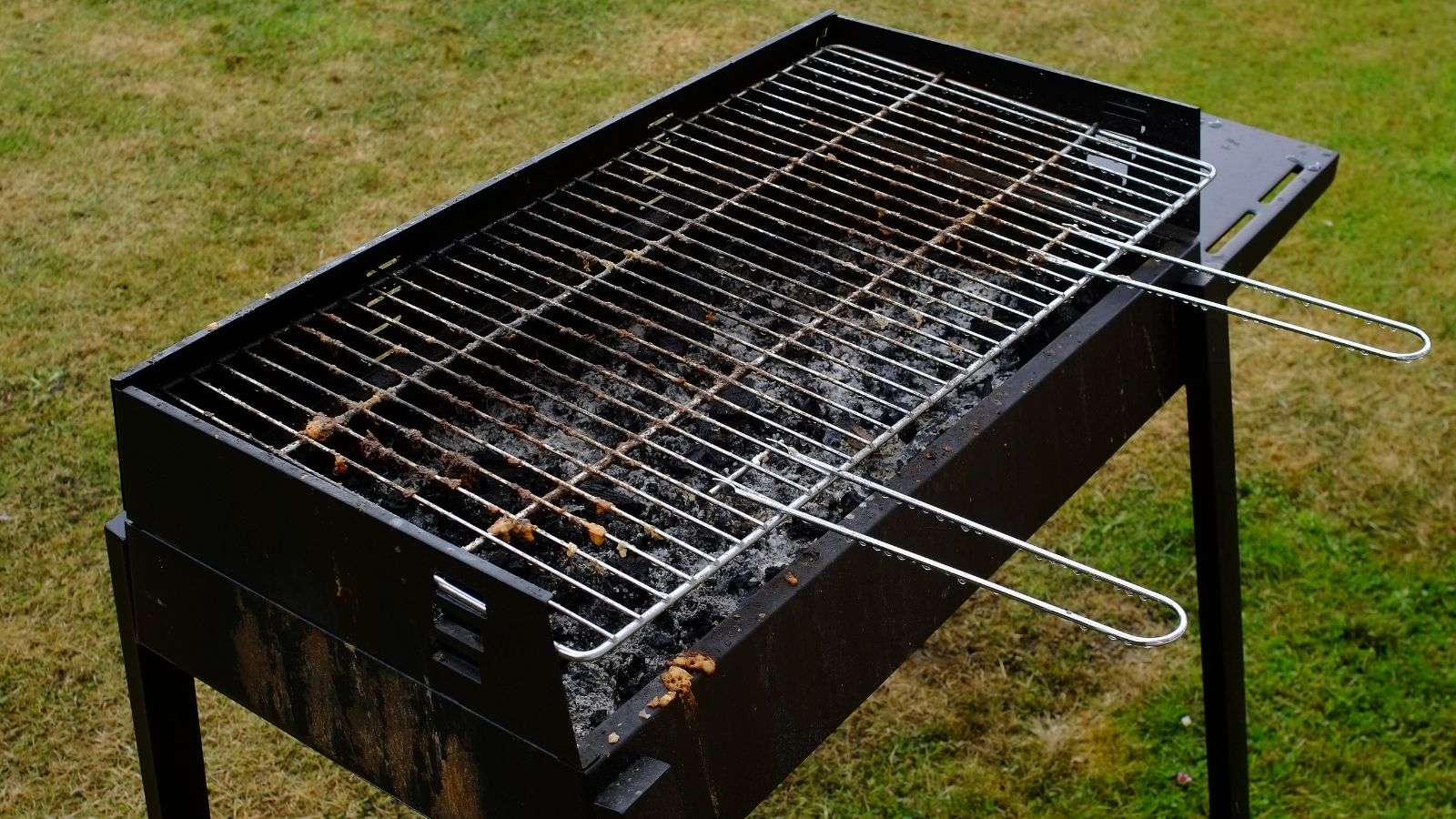
Roaches are a common nuisance, and finding them on your barbecue grill can be both disturbing and unsanitary. Protecting your grill from these unwanted invaders is essential for maintaining a clean and healthy cooking environment.
In this article, we will explore 11 key points related to preventing and dealing with roach infestations in barbecue grills, including the 5 steps to a pest-free grilling experience.
Identifying Roach Infestations in Barbecue Grills
Roach infestations in barbecue grills can be identified through various signs. One common indicator is the presence of roach droppings, which resemble small black or brown specks. Seeing live roaches crawling in and around the grill is a clear sign of an infestation. Another clue is the presence of egg casings, which are small, oval-shaped capsules often found in hidden corners or crevices of the grill.
Unusual odors coming from the grill could also indicate a roach problem, as roaches can leave behind a musty smell. Finally, if you notice chew marks or smear marks on food packaging stored near the grill, it could be a sign of roaches feeding on the food. Regular inspection and cleaning of the grill can help prevent and address roach infestations effectively.
5 Steps to a Pest-Free Grilling Experience
1. Regularly Clean Your Grill
To maintain a pest-free grilling experience, it’s best to regularly clean your grill after each use. Make sure to remove any food residue, grease, and debris that might attract pests like roaches or ants. Use a grill brush to scrub the grates thoroughly and wipe down the exterior surfaces with a mild soap solution. empty and clean the grease trap to prevent pests from being lured to the leftover grease. By keeping your grill clean, you not only ensure a safe cooking environment but also deter pests from making themselves at home in your grill.
2. Store Food Properly
Properly storing food before and after grilling is essential to prevent attracting pests. Be sure to store raw and cooked foods in sealed containers or zip-top bags to avoid contamination and discourage pests like flies or rodents. When grilling outdoors, keep all food items covered until ready to cook and immediately store leftovers in the refrigerator after the meal. Practicing good food storage habits can help significantly reduce the risk of pests invading your grilling area.
3. Inspect and Seal Entry Points
Regularly inspect your grill and outdoor cooking area for any cracks, crevices, or gaps that could serve as entry points for pests. Seal off these openings using silicone caulk or weatherstripping to prevent insects or rodents from finding their way into your grill. Pay special attention to areas where utility lines enter the grilling space, as these can be common entry points for pests seeking shelter or food. Taking proactive measures to seal off potential entry points can help create a barrier that deters pests from infiltrating your grilling area.
4. Use Natural Pest Deterrents
Consider using natural pest deterrents to keep unwanted critters away from your grill. Citrus peels, such as lemon or orange rinds, can act as natural repellents for ants and roaches due to their strong scent. Placing these peels strategically around your grill can help deter pests from approaching the area. You can also try planting insect-repelling herbs like basil, mint, or lavender near your grilling space to create a natural barrier against pests. Incorporating these natural deterrents into your outdoor cooking area can help you enjoy a pest-free grilling experience without relying on harsh chemicals.
5. Schedule Regular Pest Control Inspections
To ensure a pest-free grilling experience, consider scheduling regular pest control inspections for your outdoor cooking area. Professional pest control experts can identify potential pest threats, implement preventive measures, and address any existing infestations effectively. Regular inspections can help you stay ahead of any pest problems and maintain a clean and safe grilling environment for you and your family. Partnering with pest control professionals can help you enjoy peace of mind knowing that your grilling area is protected against unwanted pests year-round.
Understanding Why Roaches Are Attracted to Barbecue Grills
Roaches are attracted to barbecue grills due to the remnants of food and grease left behind after grilling sessions. These leftover food particles and grease serve as a food source for roaches, drawing them to the grill area. Roaches can nest and reproduce in a comfortable environment, thanks to the warmth the grill generates.
The combination of food availability and a suitable habitat makes barbecue grills an attractive location for roaches to thrive. It is the key to regularly cleaning the grill and its surroundings to deter roaches and other pests from infesting the area.
Health Risks Associated with Roaches in Barbecue Grills
- Contamination of Food: Roaches carry various bacteria and pathogens on their bodies and legs, which can contaminate the food prepared on the grill. Consuming food that has come into contact with roaches can lead to food poisoning and other illnesses. For example, if roaches crawl on the grill grates or food preparation surfaces, they can leave behind harmful bacteria that may not be visible to the naked eye.
- Allergies and Asthma: Roaches produce allergens that can trigger allergic reactions and worsen asthma symptoms in susceptible individuals. Exposure to roach droppings, shed skins, or saliva can lead to respiratory issues and other health problems. People with allergies to roaches may experience sneezing, coughing, or skin rashes when exposed to areas infested by these pests.
- Spread of Diseases: Roaches are known to carry disease-causing organisms such as Salmonella, E. coli, and even parasites like tapeworms. When roaches come into contact with food, utensils, or cooking surfaces on barbecue grills, they can transfer these pathogens, increasing the risk of infection among humans. Proper sanitation practices are essential to prevent the transmission of diseases through roaches in grill areas.
- Unsanitary Conditions: Roaches thrive in unsanitary environments and can multiply rapidly if left unchecked. Their presence on barbecue grills indicates poor hygiene and maintenance practices, which can pose serious health risks to individuals using the grill. Regular cleaning and inspection of the grill can help prevent roach infestations and maintain a safe cooking environment.
- Property Damage: In addition to health concerns, roaches in barbecue grills can cause damage to the equipment itself. Roaches may chew on electrical wiring, insulation, or other components of the grill, leading to malfunctions or safety hazards. Dealing with roach infestations quickly is crucial, not only for health reasons but also to prevent costly damage to the grill and surrounding property.
Effective Cleaning Techniques for Grills Infested with Roaches
- Thorough Scrubbing: Begin by scrubbing the grill grates, surfaces, and crevices with a brush and soapy water to remove any food residue, grease, and roach attractants. Pay special attention to areas where roaches may hide or lay eggs, such as the underside of grates and inside the grill chamber.
- Use of Natural Repellents: Consider using natural repellents like a mixture of vinegar and water or essential oils such as peppermint or eucalyptus to deter roaches from returning to the grill. These substances can help mask food odors and create an inhospitable environment for roaches without posing health risks to humans.
- Seal Cracks and Gaps: Inspect the grill for any cracks, gaps, or openings that may serve as entry points for roaches. Seal these areas using caulk or silicone to prevent roaches from accessing the interior of the grill. Eliminating potential entry points can help reduce the chances of reinfestation.
- Regular Maintenance: Establish a routine cleaning schedule for the grill to prevent roaches from being attracted to leftover food and grease. After each use, clean the grill thoroughly and remove any food debris to discourage roaches from infesting the area. Consistent maintenance is key to keeping the grill clean and free of pests.
- Professional Pest Control: If the infestation persists despite your efforts, consider seeking help from professional pest control services. Pest control experts can assess the extent of the infestation, implement targeted treatments, and provide guidance on preventing future roach problems in and around the grill area. Professional intervention may be necessary for severe infestations or persistent roach issues.
How to Properly Store Your Grill to Prevent Roach Access
- Clean Thoroughly Before Storage: Before stowing away your grill, ensure it is thoroughly cleaned to remove any food residue, grease, or roach attractants. Pay attention to all surfaces, including the interior of the grill, grates, and drip trays, to eliminate potential food sources for roaches.
- Store in a Dry Area: Choose a dry storage area for your grill to prevent moisture buildup, which can attract roaches and other pests. Moist environments create favorable conditions for roaches to thrive and reproduce, so storing the grill in a dry location can help deter infestations.
- Cover or Seal the Grill: Use a grill cover or secure the grill with a tarp to prevent roaches from accessing the interior. Covering the grill helps protect it from dust, debris, and pests, including roaches. Make sure the cover fits securely and has no gaps where roaches could enter.
- Elevate the Grill Off the Ground: If possible, elevate the grill off the ground when storing it to reduce the risk of roaches crawling inside. Placing the grill on a platform or using adjustable legs can create a barrier that deters roaches from getting into the grill. Elevating the grill also helps improve airflow and prevent moisture buildup.
- Regular Inspection: Periodically inspect the stored grill for signs of pest activity, such as droppings, egg casings, or chew marks. Early detection of roaches or other pests can help prevent infestations from spreading and allow for timely intervention to address any issues. Stay vigilant and address any pest-related concerns right away to maintain a pest-free storage environment for your grill.
The Role of Grill Covers in Keeping Roaches Away
Grill covers play a big role in keeping roaches away by acting as a physical barrier that prevents these pests from accessing the interior of the grill. Securely covering the grill when not in use will allow you to create a protective shield that deters roaches from entering and nesting inside. The cover also helps safeguard the grill from dust, debris, and moisture, which can attract roaches and provide conducive conditions for infestations.
A well-fitted grill cover can contribute to maintaining the cleanliness of the grill and reducing the likelihood of food residues or grease buildup that might lure roaches. Properly utilizing a grill cover as part of your storage routine can significantly aid in roach prevention efforts and ensure a pest-free environment for your grill.
Natural Repellents for Keeping Roaches Away from Your Grill
- Peppermint Oil: Peppermint oil is a natural roach repellent that can be diluted with water and sprayed around the grill area to deter roaches. The strong scent of peppermint acts as a deterrent for roaches and can help mask food odors that attract them, making the environment less hospitable for these pests.
- Vinegar Solution: A mixture of vinegar and water can be an effective natural repellent for roaches. Spraying this solution in and around the grill can help repel roaches due to the strong odor of vinegar. It also serves as a cleaning agent that can eliminate food residues that attract roaches to the grill.
- Cedarwood Chips: Placing cedarwood chips near the grill can act as a natural barrier against roaches. Cedarwood contains aromatic oils that repel roaches and other insects, making it a natural and eco-friendly way to keep pests away from the grill area. Refresh the cedarwood chips periodically to maintain their effectiveness.
- Bay Leaves: Roaches are known to dislike the scent of bay leaves, making them a useful natural repellent for keeping these pests away from the grill. Scatter bay leaves around the grill or place them in strategic locations to create a barrier that deters roaches from approaching. Bay leaves are safe and non-toxic, making them a suitable option for pest control in outdoor cooking areas.
- Lemon Juice: Lemon juice mixed with water can be used as a natural roach repellent spray around the grill. The acidic nature of lemon juice, combined with its citrus scent, acts as a deterrent for roaches. Regularly spraying this solution can help maintain a roach-free environment around the grill while adding a fresh scent to the area.
Chemical Control Methods for Roach Infestations in Grills
- Insecticidal Sprays: Insecticidal sprays formulated specifically for roaches can be used to target and control roach infestations on grills. These sprays typically contain active ingredients that are effective against roaches and can help eliminate existing populations. When using insecticidal sprays, follow the instructions carefully and apply them in areas where roaches are likely to hide or nest, such as cracks, crevices, and behind the grill.
- Baits and Traps: Baits and traps designed for roaches can be strategically placed around the grill area to attract and eliminate roaches. Insecticides are present in roach baits, which the roaches ingest and carry back to their nests to effectively target the entire population. Traps can also be used to monitor roach activity and reduce their numbers over time. Position baits and traps in areas frequented by roaches for optimal control.
- Diatomaceous Earth: Diatomaceous earth is a natural substance that can be used as a chemical control method for roaches in grills. This powdery substance consists of the fossilized remains of diatoms and works by abrading the exoskeleton of roaches, leading to dehydration and eventual death. Sprinkle diatomaceous earth in cracks, crevices, and other hiding spots around the grill to help eliminate roaches while being safe for humans and pets.
- Residual Insecticides: Residual insecticides can provide long-lasting control of roaches in outdoor grill areas. These products form a barrier that remains active for an extended period, effectively reducing roach populations over time. Apply residual insecticides according to label instructions, focusing on areas where roaches are likely to travel or harbor, such as along baseboards, under sinks, or around the grill structure.
- Professional Pest Control Services: When dealing with severe or persistent roach infestations in grills, seeking professional pest control services may be necessary. Pest control experts have access to specialized chemicals and equipment to effectively treat roach problems in outdoor cooking areas. Professional intervention can help address infestations comprehensively and provide long-term solutions for keeping grills free of roaches.
When to Seek Professional Pest Control Services for Grills
If you have tried various DIY methods and still find persistent roach infestations in your grill, it may be time to seek professional pest control services. Professional pest control experts have the knowledge, experience, and specialized equipment to assess the extent of the infestation and implement effective treatment strategies.
Signs that indicate the need for professional intervention include increasing roach activity despite your efforts, visible nests or egg casings near the grill, or a significant number of roaches in and around the cooking area.
Contacting professionals through our website directory, Big Home Projects, can help you connect with trusted pest control specialists who can provide targeted solutions to eliminate roaches from your grill and prevent future infestations, ensuring a safe and pest-free outdoor cooking environment.
Long-Term Strategies for Maintaining a Roach-Free Barbecue Grill
- Regular Cleaning: Establish a routine cleaning schedule for your barbecue grill to remove food residues, grease, and other roach attractants. Thoroughly clean the grill after each use and pay attention to all surfaces, including grates, drip trays, and the interior of the grill, to prevent roaches from being drawn to the area.
- Proper Food Storage: Store food items in sealed containers or storage bags to prevent roaches from accessing potential food sources near the grill. Avoid leaving food out in the open or in unprotected areas that could attract roaches. Storing food properly can help reduce the likelihood of roaches being drawn to the grill.
- Maintain a Dry Environment: Keep the grill and its surroundings dry to discourage roaches, as these pests are attracted to moisture. Regularly check for and fix any leaks or standing water near the grill that could create favorable conditions for roaches to thrive. Maintaining a dry environment can help deter roaches from infesting the grill area.
- Seal Entry Points: Inspect the grill for cracks, gaps, or openings that roaches could use as entry points and seal them with caulk or silicone. Preventing roaches from accessing the interior of the grill helps reduce the risk of infestations. Sealing entry points can help create barriers that make it difficult for roaches to invade the grill.
- Regular Inspections: Conduct regular inspections of the grill and its surroundings for signs of roach activity, such as droppings, egg casings, or live roaches. Early detection of roaches allows for prompt action to address any potential infestations before they become more severe. Staying vigilant and addressing issues early on can help maintain a roach-free barbecue grill in the long term.