
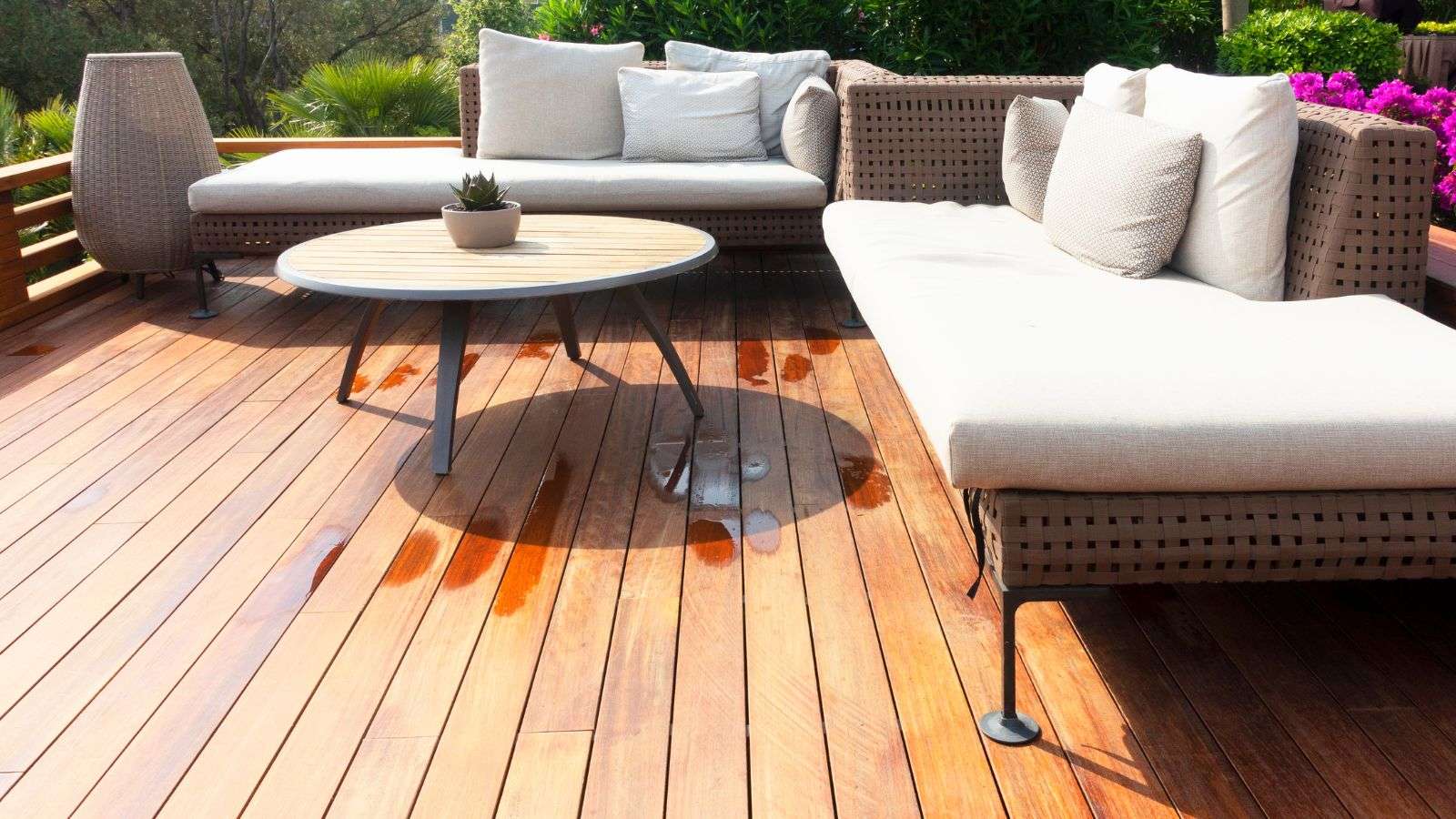
There’s hardly anything more off-putting than finding roaches on your outdoor furniture. These resilient pests can turn your outdoor relaxation into a nightmare.
In this article, we’ll explore 12 effective ways to keep roaches off your outdoor furniture.
Understanding Why Roaches are Attracted to Outdoor Furniture
Roaches are attracted to outdoor furniture primarily due to the presence of food residue, moisture, and shelter opportunities. Leftover crumbs or spills on outdoor tables and chairs serve as a food source for roaches, drawing them to these areas. The accumulation of moisture from rain or humidity can create an ideal environment for roaches to thrive.
Outdoor furniture, especially if it is not regularly cleaned or maintained, can provide numerous hiding spots and crevices where roaches can nest and breed undisturbed. This combination of food, moisture, and shelter makes outdoor furniture an attractive location for roaches to inhabit and multiply, posing a potential problem for homeowners seeking to keep their outdoor spaces pest-free.
12 Effective Ways to Keep Roaches Off Your Outdoor Furniture
1. Regularly Clean and Wipe Down Outdoor Furniture
Cleaning your outdoor furniture frequently is essential to remove any food residue or spills that may attract roaches. Use a mild soap and water solution to clean surfaces thoroughly, paying extra attention to cracks and crevices where roaches can hide.
2. Seal Cracks and Crevices
Inspect your outdoor furniture for any cracks or gaps that could serve as entry points for roaches. Seal these openings with caulk or weatherstripping to prevent roaches from finding their way in.
3. Avoid Leaving Food Outdoors
To deter roaches, avoid eating or leaving food on your outdoor furniture. Be sure to clean up any food scraps or leftovers quickly and store food in tightly sealed containers indoors.
4. Use Roach Repellents
Consider using natural roach repellents like essential oils (such as peppermint or eucalyptus) or commercial roach repellent sprays around your outdoor furniture to keep these pests at bay.
5. Keep Outdoor Areas Dry
Roaches are attracted to moisture, so make sure to keep outdoor areas dry by fixing any leaks, draining stagnant water, and using a dehumidifier if necessary.
6. Trim Vegetation Around Outdoor Furniture
Trimming bushes, shrubs, and tree branches near your outdoor furniture can help prevent roaches from hiding and nesting in these areas. Maintaining a clear perimeter around your furniture reduces the risk of roaches finding a conducive environment.
7. Store Firewood Away from Outdoor Furniture
If you store firewood outdoors, keep it away from your outdoor furniture. Firewood piles can attract roaches, so storing them at a distance minimizes the chances of roaches migrating to your seating areas.
8. Install Outdoor Lighting Strategically
Roaches are nocturnal creatures that prefer dark environments. Installing outdoor lighting strategically around your furniture can help deter roaches from gathering in these areas.
9. Use Diatomaceous Earth
Diatomaceous earth is a natural substance that can help control roach populations. Sprinkle this powder around your outdoor furniture as a non-toxic way to repel and eliminate roaches.
10. Schedule Regular Pest Control Services
Consider hiring professional pest control services to inspect and treat your outdoor space for roaches regularly. They can provide targeted treatments to keep roaches away effectively.
11. Store Cushions and Pillows Indoors
When not in use, store outdoor cushions and pillows indoors or in sealed containers to prevent roaches from nesting or laying eggs in them.
12. Rotate Furniture Placement
Periodically move and rotate the placement of your outdoor furniture to disturb potential hiding spots for roaches. This practice can help disrupt their habitats and make your outdoor space less inviting for these pests.
Recognizing the Signs of a Roach Infestation on Outdoor Furniture
- Presence of Fecal Droppings: One common sign of a roach infestation on outdoor furniture is the presence of small, dark fecal droppings. These droppings may resemble coffee grounds or black pepper and can be found near cracks, crevices, or hiding spots where roaches frequent. Identifying these droppings can indicate a roach infestation that requires immediate attention.
- Unpleasant Musty Odor: Roaches emit a distinct musty odor that can be noticeable around areas where they congregate, such as outdoor furniture. If you detect a strong, unpleasant smell that seems to linger around your outdoor seating, it could be a sign of a roach infestation. Taking action to address this odor can help control the roach population.
- Visible Egg Casings: Roaches reproduce rapidly, and one visible sign of their presence on outdoor furniture is the discovery of egg casings. These casings are often brownish or reddish in color and may be found in hidden corners or beneath cushions. Spotting these egg casings indicates an active roach population that needs to be dealt with right away.
- Damaged Furniture: Roaches are known to gnaw on various materials, including wood, plastic, and fabric. If you notice unexplained damage to your outdoor furniture, such as chew marks or holes, it could be a result of roaches feeding on the materials. Inspecting your furniture for signs of damage can help identify a roach infestation.
- Increased Roach Activity at Night: Roaches are nocturnal insects and tend to be more active during the night. Observing an increase in roach activity around your outdoor furniture after dark, such as seeing them scurrying around or congregating in groups, can be a clear indication of a roach infestation. Monitoring their activity patterns can aid in the implementation of effective control measures.
The Health Risks of Roaches on Your Outdoor Furniture
- Spread of Disease: Roaches can carry and spread various pathogens that pose health risks to humans. When roaches come into contact with outdoor furniture, they can transfer bacteria and viruses onto surfaces, increasing the risk of diseases such as salmonella, E. coli, and gastroenteritis. Regular contact with contaminated furniture can lead to illness if proper hygiene measures are not followed.
- Allergies and Asthma: Roach allergens, found in their saliva, feces, and shed skin, can trigger allergic reactions in sensitive individuals. Prolonged exposure to roach allergens on outdoor furniture can exacerbate allergies and respiratory conditions such as asthma. Symptoms may include sneezing, coughing, wheezing, and skin rashes, affecting the overall health of individuals using the furniture.
- Worsening Indoor Air Quality: Roaches on outdoor furniture can inadvertently make their way indoors, carrying allergens and pathogens with them. Once inside, these contaminants can circulate in the air, compromising indoor air quality. Individuals spending time near infested outdoor furniture may unknowingly introduce roach-related pollutants into their homes, impacting their respiratory health and overall well-being.
- Risk of Secondary Infections: Roach infestations on outdoor furniture can attract other pests, such as ants and flies, creating a potential breeding ground for secondary infections. These pests may feed on roach carcasses or fecal matter, further spreading contaminants and increasing the risk of secondary infections in the outdoor area. Dealing with roach infestations quickly is the key to preventing the proliferation of other pests and associated health hazards.
First Steps After Discovering Roaches on Your Outdoor Furniture
- Assess the Extent of the Infestation: Upon discovering roaches on your outdoor furniture, carefully assess the extent of the infestation by inspecting all furniture pieces, cushions, and surrounding areas. Look for signs such as fecal droppings, egg casings, and roach activity patterns to determine the severity of the problem.
- Isolate and Clean Affected Furniture: If roaches are present on specific pieces of outdoor furniture, isolate those items to prevent the infestation from spreading further. Thoroughly clean and sanitize the affected furniture using appropriate cleaning agents to remove roach attractants and eliminate any existing roaches or eggs.
- Implement Preventive Measures: After addressing the immediate infestation, implement preventive measures to keep roaches off your outdoor furniture in the future. Seal cracks and crevices, eliminate food sources, and consider using repellents or natural deterrents to create an inhospitable environment for roaches. Regular maintenance and vigilant monitoring can help prevent future infestations.
Home Remedies vs Commercial Solutions for Roaches on Outdoor Furniture
| Aspect | Home Remedies | Commercial Solutions |
|---|---|---|
| Effectiveness | Limited effectiveness in severe infestations; may require repeated applications | More potent and targeted formulations for quicker and long-lasting results |
| Safety | Generally safe for household use, natural ingredients pose minimal risk | Stronger chemicals may require precautions during application; follow safety instructions carefully |
| Cost | Cost-effective; ingredients are often readily available at home | Higher cost due to specialized formulations and professional-grade products |
| Convenience | Require preparation and application time; may need repeated treatments | Ready-to-use products; easier application but may need professional assistance for severe infestations |
| Residue and Odor | Minimal residue and mild odor with natural remedies | Some commercial products may leave residue or strong chemical odors that require proper ventilation |
When comparing home remedies to commercial solutions for dealing with roaches on outdoor furniture, several aspects come into play. Home remedies are generally cost-effective and safer for household use, relying on natural ingredients that pose minimal risks. However, their effectiveness may be limited in severe infestations, requiring repeated applications for noticeable results.
On the other hand, commercial solutions offer more potent formulations tailored for quicker and longer-lasting effects, albeit at a higher cost. While home remedies have minimal residue and odors, some commercial products may leave residues or strong chemical smells that necessitate proper ventilation.
The choice between home remedies and commercial solutions depends on factors such as the severity of the infestation, convenience of application, and personal preferences regarding safety and cost considerations.
Effective Cleaning Methods to Keep Roaches Away from Outdoor Furniture
- Regular Vacuuming and Sweeping: Utilize a vacuum cleaner with a hose attachment to remove debris, food particles, and roach attractants from outdoor furniture. Sweeping surfaces with a broom can help dislodge crumbs and dirt that might entice roaches to the area.
- Use of Disinfectants: Clean outdoor furniture surfaces with disinfectants or mild soap solutions to eliminate bacteria and odors that may attract roaches. Pay close attention to hidden corners, joints, and undersides of furniture pieces where roaches tend to hide.
- Steam Cleaning: Consider steam cleaning upholstered outdoor furniture to kill roaches, their eggs, and larvae effectively. The high temperatures generated by steam cleaners can penetrate fabric fibers and crevices, providing a thorough cleaning method.
- Baking Soda and Vinegar: Create a natural cleaning solution using baking soda and vinegar to clean outdoor furniture. This mixture can help remove stains, neutralize odors, and deter roaches with its natural repellent properties.
- Sunlight and Air Circulation: Allow outdoor furniture to bask in sunlight regularly to dry out moisture and discourage roaches from nesting. Adequate air circulation around furniture pieces can also prevent damp conditions that attract roaches.
Role of Outdoor Furniture Material in Attracting Roaches
The material of outdoor furniture plays a significant role in attracting roaches based on factors such as food residue retention, durability, and moisture absorption. Porous materials like wood and fabric can absorb spills and food debris, providing a food source for roaches and making cleaning more challenging.
Rough textures or crevices in materials like wicker or rattan can create hiding spots for roaches. In contrast, smooth and non-porous materials such as metal or plastic are less likely to retain food particles and are easier to clean, reducing the attractiveness of outdoor furniture to roaches. Choosing outdoor furniture materials that are less prone to food retention and offer fewer hiding spots can help minimize the risk of roach infestations in outdoor spaces.
Managing Food and Mess to Discourage Roaches on Outdoor Furniture
To discourage roaches on outdoor furniture, managing food and mess effectively is essential. Avoid leaving food or drinks unattended on outdoor tables and chairs, as even small crumbs can attract roaches. Utilize sealed containers for storing snacks and beverages outdoors to prevent spills and food residue buildup.
Regularly clean up any food scraps, spills, or fallen fruits to remove potential food sources for roaches. Consider using outdoor trash cans with tight-fitting lids to contain food waste and reduce odors that may attract pests. Maintaining cleanliness and minimizing food availability on outdoor furniture can help create an environment that is less appealing to roaches, thereby reducing the likelihood of infestations.
Safe Use of Pesticides and Insecticides on Outdoor Furniture
When using pesticides and insecticides on outdoor furniture to manage roaches, it’s best to prioritize safety by following product instructions diligently. Wear appropriate protective gear, such as gloves and masks, during application to minimize exposure to chemicals. Choose insecticides that are specifically labeled for outdoor use and intended for roach control.
Apply pesticides during calm weather conditions to prevent drift and ensure effectiveness. Keep children and pets away from treated areas until the product has dried completely. Regularly inspect and maintain outdoor furniture to identify and address roach infestations quickly, reducing the need for extensive pesticide applications.
Longer-Term Measures to Keep Roaches Off Your Outdoor Furniture
- Regular Maintenance and Cleaning Routine: Establish a consistent schedule for cleaning and maintaining outdoor furniture to prevent roaches from establishing a presence. This routine should include vacuuming, wiping down surfaces, and inspecting for signs of roaches or damage.
- Seal Entry Points and Cracks: Conduct regular inspections to identify and seal any entry points or cracks in outdoor furniture where roaches may gain access. Use caulk or weatherstripping to block potential entryways and reduce hiding spots for pests.
- Invest in Roach-Resistant Furniture: Consider investing in outdoor furniture made from materials that are less attractive to roaches, such as metal or resin. These materials are easier to clean and less likely to harbor food residue or provide hiding spots for pests.
- Implement Natural Deterrents: Utilize natural deterrents such as essential oils or diatomaceous earth around outdoor furniture to repel roaches. These substances can help create an inhospitable environment for roaches without posing harm to humans or pets.
- Regular Pest Control Inspections: Schedule periodic pest control inspections for your outdoor space to proactively identify and address any potential roach infestations. Professional pest control services can provide targeted treatments to keep roaches away from outdoor furniture in the long term.