
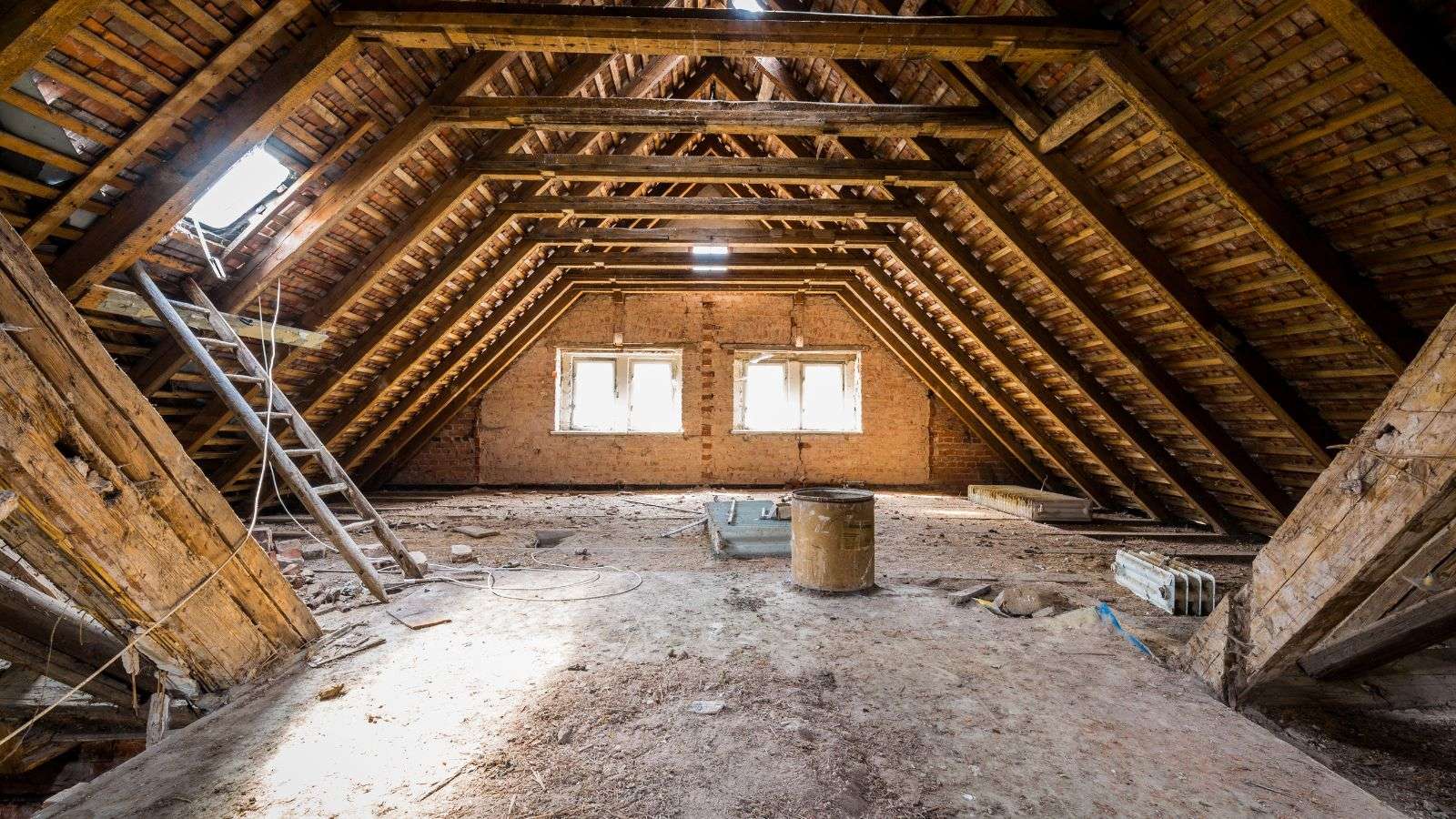
Understanding the issue of roaches in attic rafters can be a challenging task. From identifying how they got into your attic to investigating their species and learning about the associated health risks, many facets need to be addressed.
In this article, we will explore the topic extensively and provide practical solutions to rid your attic of roaches.
Roaches in Attic Rafters
Finding roaches in your attic rafters can be concerning, as they can infest the area and pose health risks. Roaches are known to carry pathogens that can contaminate surfaces and food, leading to potential health issues for you and your family. You have to take action on this issue right away to prevent the infestation from spreading further.
You may consider contacting a pest control professional to assess the situation and recommend appropriate treatment methods. Sealing off any entry points that roaches may be using to access your attic can help prevent future infestations. Regular cleaning and maintenance of the attic space can also discourage roaches from nesting in the area. Remember that early intervention is key to effectively dealing with a roach infestation in your attic rafters.
10 Effective Ways to Keep Roaches Out of Your Attic Rafters
1. Seal Cracks and Gaps
Inspect your attic for any cracks or gaps that roaches can use to enter. Use caulk or weatherstripping to seal these openings effectively. Pay attention to areas around pipes, vents, and windows, as roaches can squeeze through tiny spaces.
2. Keep the Attic Dry
Roaches are attracted to moisture, so make sure your attic is well-ventilated and dry. Fix any leaks in the roof, plumbing, or HVAC system right away. Try using a dehumidifier if necessary to maintain optimal humidity levels.
3. Declutter Regularly
Remove clutter from your attic, as roaches thrive in dark, undisturbed areas. Regularly decluttering the space makes it less inviting for roaches to hide and nest. Store items in sealed containers to prevent roaches from taking shelter in cardboard boxes or paper bags.
4. Use Roach Baits and Traps
Strategically place roach baits and traps in the attic to attract and eliminate any existing roaches. Choose baits with boric acid or other effective ingredients to control the roach population. Check and replace baits regularly for continued effectiveness.
5. Maintain Cleanliness
Keep your attic clean by sweeping, vacuuming, and wiping down surfaces regularly. Remove food crumbs, spills, and other debris that can attract roaches. Try using natural repellents like cedar chips or essential oils to deter roaches from entering the space.
6. Install Door Sweeps
Install door sweeps on attic doors to prevent roaches from entering from other areas of your home. Make sure the sweeps create a tight seal to block any potential entry points for roaches. Regularly inspect and maintain door sweeps to ensure their effectiveness.
7. Trim Trees and Shrubs
Trim back trees and shrubs near your home to prevent roaches from gaining easy access to your attic. Overhanging branches can serve as bridges for roaches to enter your attic, so keeping vegetation well-maintained can help deter them from getting too close to your property.
8. Repair Damaged Screens
Inspect and repair any damaged window screens or vents in your attic. Roaches can enter through these openings if they are not properly sealed. Replace torn screens and secure vents with fine mesh to prevent roaches from finding their way inside.
9. Monitor Regularly
Set up regular monitoring in your attic to detect any signs of roach activity early on. Use sticky traps or visual inspections to identify roaches or their droppings. Monitoring regularly can help address any issues immediately before they escalate into a full-blown infestation.
10. Seek Professional Help
If you’re facing a persistent roach problem in your attic, consider seeking professional pest control services. Experienced exterminators can assess the situation, implement targeted treatments, and provide guidance on preventing future infestations. Don’t hesitate to reach out for expert assistance in dealing with challenging roach infestations in your attic.
How Did Roaches Get into My Attic?
Roaches can enter your attic through various entry points, such as cracks in the walls, gaps around pipes and vents, damaged screens on windows or vents, or even through overhanging tree branches that provide easy access to the attic. They are incredibly resilient and can squeeze through tiny openings, making it challenging to keep them out.
Once inside, roaches can hide in dark, cluttered areas and quickly multiply, creating a potential infestation. Regularly inspecting and sealing off these entry points can help prevent roaches from getting into your attic in the future.
Common Types of Roaches Found in Attics
- German Cockroaches: German cockroaches are common attic invaders known for their rapid reproduction and preference for warm, humid environments. They often enter attics through cracks, vents, or pipes, seeking shelter and food sources.
- American Cockroaches: American cockroaches are large roaches that can also be found in attics. They typically enter homes through sewer systems or drainage pipes, making their way into attics through openings in walls or ceilings.
- Oriental Cockroaches: Oriental cockroaches, also known as water bugs, thrive in damp, dark environments like attics with high moisture levels. They can enter attics through gaps around utility lines or plumbing fixtures.
- Brown-Banded Cockroaches: Brown-banded cockroaches prefer warmer, drier areas like attics where they can find suitable hiding spots. They are often transported into homes through infested furniture or packaging.
- Smoky-brown Cockroaches: Smoky-brown cockroaches are attracted to outdoor lights and may find their way into attics through open windows or gaps in the eaves. They prefer dark, secluded areas for nesting and breeding.
Health Risks Associated with Roaches
- Allergies and Asthma: Roaches can trigger allergic reactions and asthma attacks in sensitive individuals through their saliva, feces, and shed skin. Exposure to roach allergens in the attic can exacerbate respiratory issues and lead to symptoms like coughing, wheezing, or chest tightness.
- Contamination: Roaches can spread bacteria, pathogens, and parasites as they move around attics, contaminating surfaces and food. This poses a risk of foodborne illnesses and infections if contaminated items are consumed.
- Respiratory Issues: Inhaling roach allergens or particles can irritate the respiratory tract, causing breathing difficulties or aggravating existing conditions. People with compromised immune systems or respiratory issues are particularly vulnerable to these health risks.
- Skin Irritation: Roach infestations in attics can result in skin irritation or rashes upon contact with roach feces or shed skin. Scratching affected areas can lead to further skin complications.
- Potential Disease Transmission: Roaches have been linked to the transmission of diseases such as salmonella, E. coli, and parasitic infections. Infestations in attics increase the risk of exposure to these harmful pathogens, necessitating prompt action to address the health risks associated with roaches.
Signs of Roach Infestation in Your Attic
- Droppings: One of the common signs of a roach infestation in your attic is the presence of roach droppings. These droppings resemble small, dark pellets and can be found near food sources, in corners, or along baseboards.
- Musty Odor: A musty or oily odor in your attic could indicate the presence of roaches. Roaches emit pheromones that can create a distinct smell, especially in areas where they congregate or nest.
- Visible Roaches: Spotting live roaches in your attic is a clear indication of an infestation. Roaches are nocturnal creatures, so you may observe them scurrying away when you turn on lights in the attic.
- Egg Casings: Roach egg casings, also known as oothecae, are another sign of an infestation. These casings are typically brown and elongated, containing multiple eggs. Finding these egg casings means there are likely breeding roaches in your attic.
- Damage to Items: Roaches may cause damage to stored items in your attic by feeding on organic materials like paper, cardboard, or fabric. Look out for chew marks or holes in these items as evidence of roach activity.
Investigating and Identifying the Roach Types in Your Attic
When investigating and identifying the types of roaches in your attic, pay attention to key characteristics such as size, color, and behavior. Different roach species have distinct physical features and habits that can help in their identification. For example, German cockroaches are smaller and lighter brown with two dark stripes on their backs, while American cockroaches are larger and reddish-brown with a yellowish figure-eight pattern on their heads.
Observing roach behavior, such as their preferred hiding spots or activity patterns, can also aid in determining the specific roach types present in your attic. Consider consulting with a pest control professional for accurate identification and appropriate treatment strategies based on the roach species found.
Why Do Roaches Love Your Attic Rafters?
Roaches are attracted to attic rafters for several reasons, including the dark, undisturbed environment they provide, the availability of shelter in the form of insulation or stored items, and potential food sources such as crumbs or organic materials.
Attic rafters offer roaches a secluded space to nest and breed, away from human activity and disturbances. The warmth and humidity often found in attics create ideal conditions for roaches to thrive and reproduce. If there are openings or cracks in the attic that allow roaches to enter, they may be drawn to the space in search of suitable nesting sites and resources for survival.
Regular maintenance, sealing off entry points, and keeping the attic clean and dry can help deter roaches from making your attic rafters their home.
Do-It-Yourself Roach Control Methods
- Sealing Entry Points: Begin by inspecting and sealing off any cracks, gaps, or openings that roaches may be using to enter your attic. Use caulk, weatherstripping, or mesh screens to block these entry points effectively.
- Decluttering and Cleaning: Regularly declutter your attic to eliminate hiding spots for roaches and remove potential food sources. Vacuum, sweep, and wipe down surfaces to keep the area clean and less attractive to roaches.
- Roach Baits and Traps: Place roach baits and traps strategically in the attic to lure and trap roaches. Choose baits with effective ingredients like boric acid and regularly monitor and replace them for continued control.
- Natural Repellents: Try using natural repellents such as cedar chips, essential oils like peppermint or eucalyptus, or diatomaceous earth to deter roaches from your attic. These natural remedies can help repel roaches without harsh chemicals.
- Regular Monitoring: Set up a monitoring system in your attic using sticky traps or visual inspections to detect any signs of roach activity early on. Regular monitoring allows you to address infestations quickly before they worsen.
Preventative Measures to Keep Roaches Out of Your Attic
- Maintain Attic Hygiene: Keep your attic clean and clutter-free to reduce hiding spots and food sources that attract roaches. Regularly vacuum, sweep, and wipe down surfaces to discourage roaches from nesting in the area.
- Seal Entry Points: Inspect and seal off any cracks, gaps, or openings that roaches can use to enter your attic. Use caulk, weatherstripping, or mesh screens to prevent roaches from gaining access to your attic space.
- Reduce Moisture Levels: You must guarantee proper ventilation and address any leaks or moisture issues in your attic. Roaches are attracted to damp environments, so keeping your attic dry can help deter them from settling in.
- Store Food Properly: Store food in airtight containers to prevent roaches from accessing potential food sources in your attic. Avoid leaving food crumbs or spills that can attract roaches and sustain an infestation.
- Regular Inspections: Conduct routine inspections of your attic for signs of roach activity, such as droppings, egg casings, or musty odors. Early detection allows for prompt intervention to prevent a full-blown infestation.
Professional Pest Control Solutions for Roaches
When dealing with a persistent roach infestation in your attic, seeking professional pest control solutions is often the most effective approach. Pest control professionals have the expertise, tools, and resources to assess the extent of the infestation, identify the roach species present, and implement targeted treatment strategies.
They may use a combination of methods, such as insecticide applications, baits, traps, and preventive measures, to eradicate roaches and prevent future infestations. Utilizing the services of experienced pest control professionals listed in our website directory, Big Home Projects can help make sure the roach problem in your attic is addressed comprehensively and efficiently.
Cleaning and Sanitizing After a Roach Infestation
After addressing a roach infestation in your attic, thorough cleaning and sanitizing are crucial steps to eliminate any remaining traces of roaches and prevent future problems. Begin by vacuuming, sweeping, and wiping down all surfaces in the attic to remove debris, droppings, and dead roaches. Use a disinfectant solution to sanitize the area and eliminate any lingering odors.
Consider steam-cleaning carpets or upholstery to ensure thorough sanitation. Inspect and repair any damage caused by the infestation, such as chewed items or insulation. Maintain good hygiene practices in the attic by storing items in sealed containers, keeping the area dry, and regularly monitoring for signs of roach activity to prevent reinfestation.
Ensuring a Roach-Free Attic in the Long Run
To maintain a roach-free attic in the long run, it’s essential to implement preventive measures and regular maintenance practices. Continuously seal off entry points, such as cracks and gaps, to prevent roaches from infiltrating your attic. Keep the attic clean, clutter-free, and well-ventilated to eliminate hiding spots and reduce attractants for roaches.
Store food in airtight containers and quickly address any moisture issues to discourage roaches from taking residence. Regularly inspect the attic for signs of roach activity and quickly address any issues that arise. Staying proactive and consistent with preventive measures can help ensure a roach-free attic in the long term.