
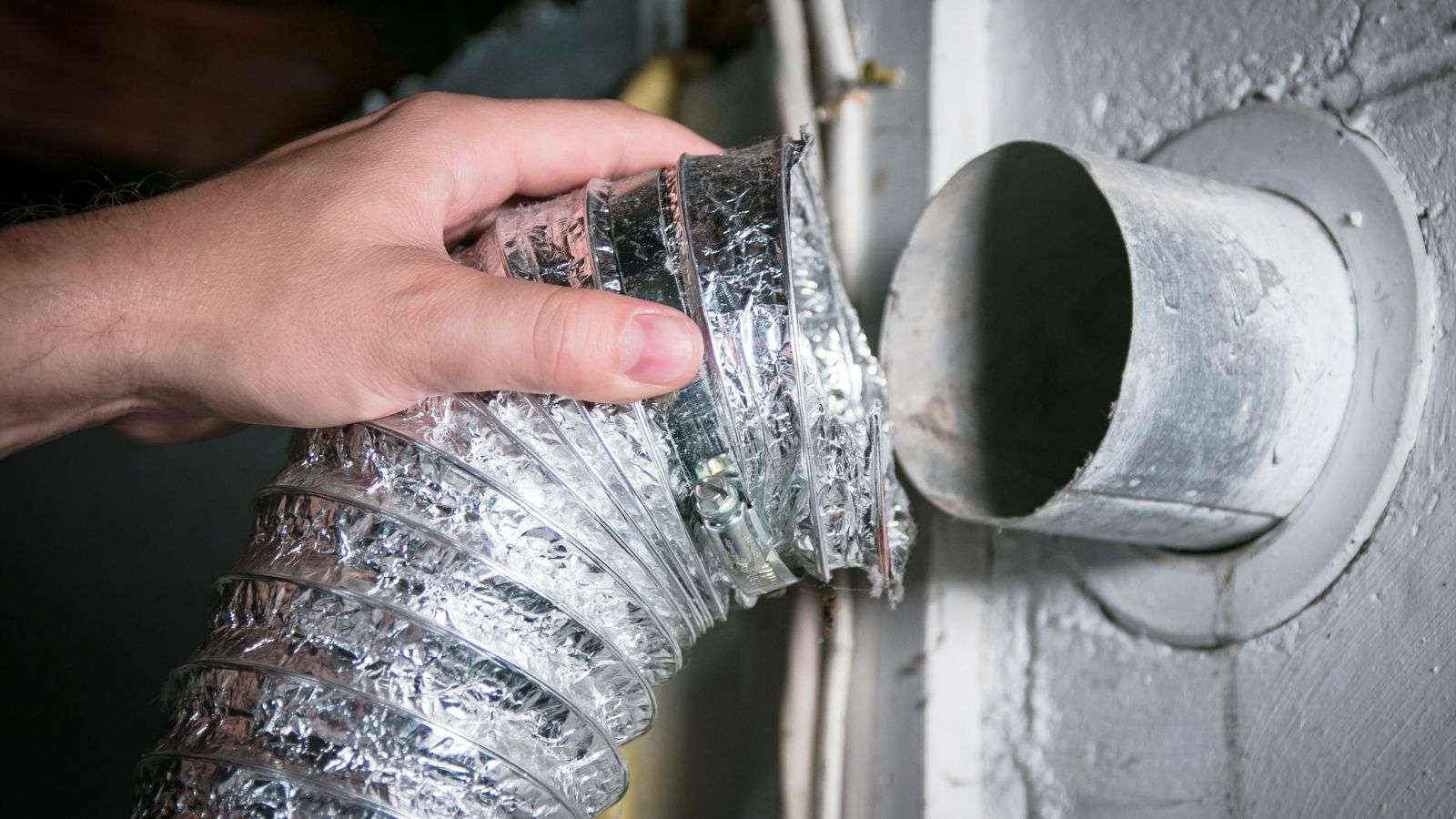
Basements are often ground zero for household pest infestations, with roaches finding the dark, moist environment perfect for colonization, especially within the vents. These infestations can lead to a multitude of problems, including health risks and structural damage.
In this article, we lay out 11 critical measures aimed at controlling and preventing roaches from taking over your basement vents.
Unveiling Roach Attraction to Basement Vents
When it comes to roach attraction to basement vents, it’s essential to understand that roaches are drawn to areas with moisture, warmth, and food sources. Basement vents can provide an entry point for these pests seeking shelter and resources. Roaches are attracted to the damp and dark environment often found in basements, which creates an ideal habitat for them to thrive.
If there are food crumbs or spills near the vents, it can further attract roaches, as they are opportunistic feeders. Properly sealing and maintaining basement vents, keeping the area clean and dry, and eliminating any food sources can help deter roaches from being attracted to these areas. Regularly inspecting and addressing any issues with ventilation and moisture control in the basement can also be crucial in preventing roach infestations.
11 Tactical Steps to Combat Roaches in Ventilation Ducts
1. Inspection and Identification
Start by inspecting your ventilation ducts thoroughly to identify any signs of roaches or their activities. Look for droppings, egg casings, or even dead roaches inside the ducts. Identifying the extent of the infestation will help you determine the appropriate course of action.
2. Seal Cracks and Gaps
Roaches can enter ventilation ducts through even the smallest cracks and gaps. Seal these openings using caulk or weatherstripping to prevent roaches from gaining access to the ductwork. Pay close attention to areas where ducts connect to walls or floors.
3. Clean and Sanitize Ducts
Regularly clean and sanitize your ventilation ducts to remove any debris, dust, or food particles that may attract roaches. Try using a vacuum with a HEPA filter to effectively clean the ductwork and eliminate potential food sources for roaches.
4. Use rope Baits
Strategically place roach baits near ventilation ducts to attract and eliminate roaches. Choose bait stations or gels that are specifically designed to target roaches in enclosed spaces like ducts. Follow the manufacturer’s instructions for the best results.
5. Apply Diatomaceous Earth
Dust diatomaceous earth around ventilation ducts as a natural and non-toxic method to control roaches. This substance is abrasive to roaches’ exoskeletons, leading to dehydration and eventual death. Reapply as needed, especially after cleaning the ducts.
6. Install Vent Covers
Consider installing vent covers with fine mesh screens to prevent roaches from entering ventilation ducts. These covers can help block access while still allowing proper airflow through the ductwork. Choose covers that are easy to remove for maintenance.
7. Reduce Moisture Levels
Roaches are attracted to moisture, so reducing humidity levels in your home can help deter them from seeking shelter in ventilation ducts. Use a dehumidifier in damp areas, fix any leaks quickly, and ensure proper ventilation throughout your home.
8. Trim Vegetation Near Vents
If your ventilation ducts have exterior openings, keep vegetation trimmed back to prevent it from providing a bridge for roaches to access the ductwork. Maintain a clear perimeter around vents to minimize potential entry points for pests.
9. Monitor Regularly
Set up a monitoring system to keep track of roach activity near ventilation ducts. Use sticky traps or monitoring stations to detect any signs of roaches and assess the effectiveness of your control measures. Regular monitoring can help you catch infestations early.
10. Consult Pest Control Professionals
If you’re dealing with a persistent roach problem in your ventilation ducts, consider consulting with pest control professionals. They can provide expert advice, thorough inspections, and targeted treatments to eliminate roaches effectively and prevent future infestations.
11. Maintain Consistent Prevention Practices
Once you’ve addressed a roach infestation in your ventilation ducts, maintain consistent prevention practices to keep roaches at bay. Regularly inspect and maintain your ductwork, practice good sanitation habits, and address any issues immediately to minimize the risk of future infestations.
Recognizing the Signs of a Roach Presence in Basement Vents
- Presence of Droppings: One common sign of a roach presence in basement vents is the discovery of small, dark droppings that resemble coffee grounds or black pepper. These droppings are often found near the vents or in areas where roaches frequent, indicating an active infestation that requires attention.
- Musty Odor: A musty or oily odor emanating from the basement vents can be a telltale sign of a roach infestation. Roaches emit pheromones that can create a distinct smell, especially in enclosed spaces like ventilation ducts. If you notice an unusual odor coming from your vents, it may indicate the presence of roaches.
- Visible Roaches: Spotting live roaches near or inside basement vents is a clear indicator of an infestation. Roaches are nocturnal creatures that tend to hide in dark, secluded areas during the day, making basement vents an attractive hiding spot for them. If you see roaches scurrying around the vents, it’s essential to address the issue right away.
- Egg Casings: Another sign of a roach presence in basement vents is the discovery of egg casings. Roaches reproduce rapidly, and finding egg casings near the vents suggests that there is a breeding population in the vicinity. These casings are often brown and oval-shaped and can indicate a growing infestation that needs to be addressed.
- Gnaw Marks: Roaches are known to gnaw on various materials, including paper, cardboard, and even insulation, to access food and create nesting sites. If you notice gnaw marks on items near the basement vents or on the vents themselves, it could be a sign of roach activity in the area. Inspecting for gnaw marks can help confirm the presence of roaches in your ventilation system.
The Importance of Sealing and Repairing Vents to Thwart Roaches
Sealing and repairing vents is crucial to thwarting roaches from gaining access to your home through these entry points. Addressing any cracks, gaps, or openings in the vents can help effectively block roaches from entering and establishing a presence in your living spaces. Roaches are adept at squeezing through tiny openings, so ensuring that vents are properly sealed with materials like caulk or weatherstripping can significantly reduce the risk of infestations.
Repairing any damaged vents or screens will further fortify your home against roach intrusion. Regular maintenance and inspection of vents to identify and quickly repair any vulnerabilities can help create a barrier that deters roaches from using these entry points.
Understanding the Roach Life Cycle in Basement Vent Environments
Understanding the roach life cycle in basement vent environments is essential to addressing infestations effectively. Roaches go through three main stages in their life cycle: egg, nymph, and adult. In basement vents, roaches may lay their eggs in secluded areas near warm, damp environments, such as within the ductwork.
Once the eggs hatch, nymphs emerge and undergo several molts before reaching adulthood. Adult roaches can live for several months to years, depending on the species. Basement vents provide an ideal habitat for roaches due to the dark and humid conditions, allowing them to reproduce and thrive.
Optimizing Basement Humidity to Discourage Roach Infestations
Optimizing basement humidity is key to discouraging roach infestations, as roaches are attracted to moist environments. Maintaining proper ventilation and controlling humidity levels in the basement can help create an inhospitable environment for roaches to thrive in.
Using a dehumidifier in damp areas, fixing any leaks quickly, and ensuring adequate airflow can all contribute to reducing moisture levels in the basement.
The Health Implications of Roaches Nesting in Basements
Roaches nesting in basements can have significant health implications for homeowners. These pests are known to carry pathogens and allergens that can trigger respiratory issues, especially in individuals with asthma or allergies. Roach droppings, shed skins, and saliva can contaminate indoor air and surfaces, leading to health problems such as asthma attacks, allergic reactions, and the spread of diseases.
Furthermore, roaches can exacerbate existing respiratory conditions and pose a risk to overall indoor air quality. You need to address roach infestations right away to mitigate the health risks associated with these pests nesting in basements.
Deploying Natural and Chemical Repellents in Basement Areas
- Natural Repellents: Utilizing natural repellents like essential oils such as peppermint, eucalyptus, or tea tree oil can help deter roaches from basement areas. These oils have strong scents that repel roaches without the use of harmful chemicals. Simply dilute the essential oils with water and spray them around vents and potential entry points to create a barrier that roaches will find unpleasant.
- Diatomaceous Earth: Diatomaceous earth is a natural substance that can be sprinkled around basement areas to repel and kill roaches. This powdery substance is abrasive to roaches’ exoskeletons, causing dehydration and leading to their demise. Diatomaceous earth is safe for humans and pets but should be used cautiously to avoid inhalation.
- Cedar Wood: Cedar wood chips or blocks can act as a natural roach repellent due to their strong aroma that deters pests. Placing cedar blocks near basement vents or using cedar essential oil in diffusers can help keep roaches at bay. Cedar’s scent is pleasant to humans but repulsive to roaches, making it an effective natural repellent option.
- Chemical Repellents: Chemical repellents such as insecticide sprays or baits can also be used to deter roaches from basement areas. These products contain active ingredients that target and eliminate roaches upon contact or ingestion. Choose chemical repellents specifically designed for roaches and follow the instructions carefully to ensure safe and effective application.
Innovative Trapping Strategies for Roaches in Basement Vents
- Sticky Traps: Sticky traps are effective tools for trapping roaches in basement vents. These traps feature a sticky adhesive surface that roaches get stuck on when they come into contact with it. Place sticky traps near ventilation ducts where roaches are likely to travel, such as along walls or corners, to capture roaches and monitor the extent of the infestation.
- Homemade Traps: Creating homemade traps using common household items can be a cost-effective way to trap roaches in basement vents. For example, a DIY trap made from a jar with bait at the bottom and petroleum jelly lining the inner walls can trap roaches inside. Roaches are attracted to the bait but get stuck in the jelly and are unable to escape.
- Electronic Traps: Electronic traps are innovative devices that use bait to attract roaches and then electrocute them upon entry. These traps offer a hands-free approach to trapping roaches in basement vents and can be effective in reducing roach populations. Place electronic traps strategically near vents or roach activity areas for optimal results.
- Pheromone Traps: Pheromone traps utilize roach-attracting scents to lure pests into the trap, where they are captured and unable to escape. These traps mimic the scent of female roaches to entice male roaches into the trap. Placing pheromone traps near basement vents can help target specific roach species and disrupt their mating cycles, reducing the overall population over time.
Knowing When It’s Time to Call Pest Control Professionals
Knowing when it’s time to call pest control professionals is crucial when dealing with persistent roach infestations in basement vents. If DIY methods have been ineffective or if the infestation continues to worsen despite efforts to control it, it may be time to seek professional help.
Pest control professionals have the expertise, tools, and resources to assess the severity of the infestation, implement targeted treatments, and provide long-term solutions to eradicate roaches from your home.
By contacting professionals listed on the Big Home Projects website directory, homeowners can connect with licensed and experienced pest control experts who can effectively address roach infestations in basement vents, ensuring a safe and pest-free living environment.
Creating a Long-Term Basement Vent Maintenance Plan to Keep Roaches Out
Creating a long-term basement vent maintenance plan is essential to keeping roaches out and preventing future infestations. Start by regularly inspecting vents for any signs of damage, cracks, or openings that could serve as entry points for roaches. Seal any gaps with appropriate materials to block roach access.
Maintain proper ventilation and humidity levels in the basement to deter roaches from seeking shelter in the area. Implement a cleaning routine to remove debris, dust, and potential food sources near vents. Consider installing vent covers with mesh screens to further prevent roaches from entering.