
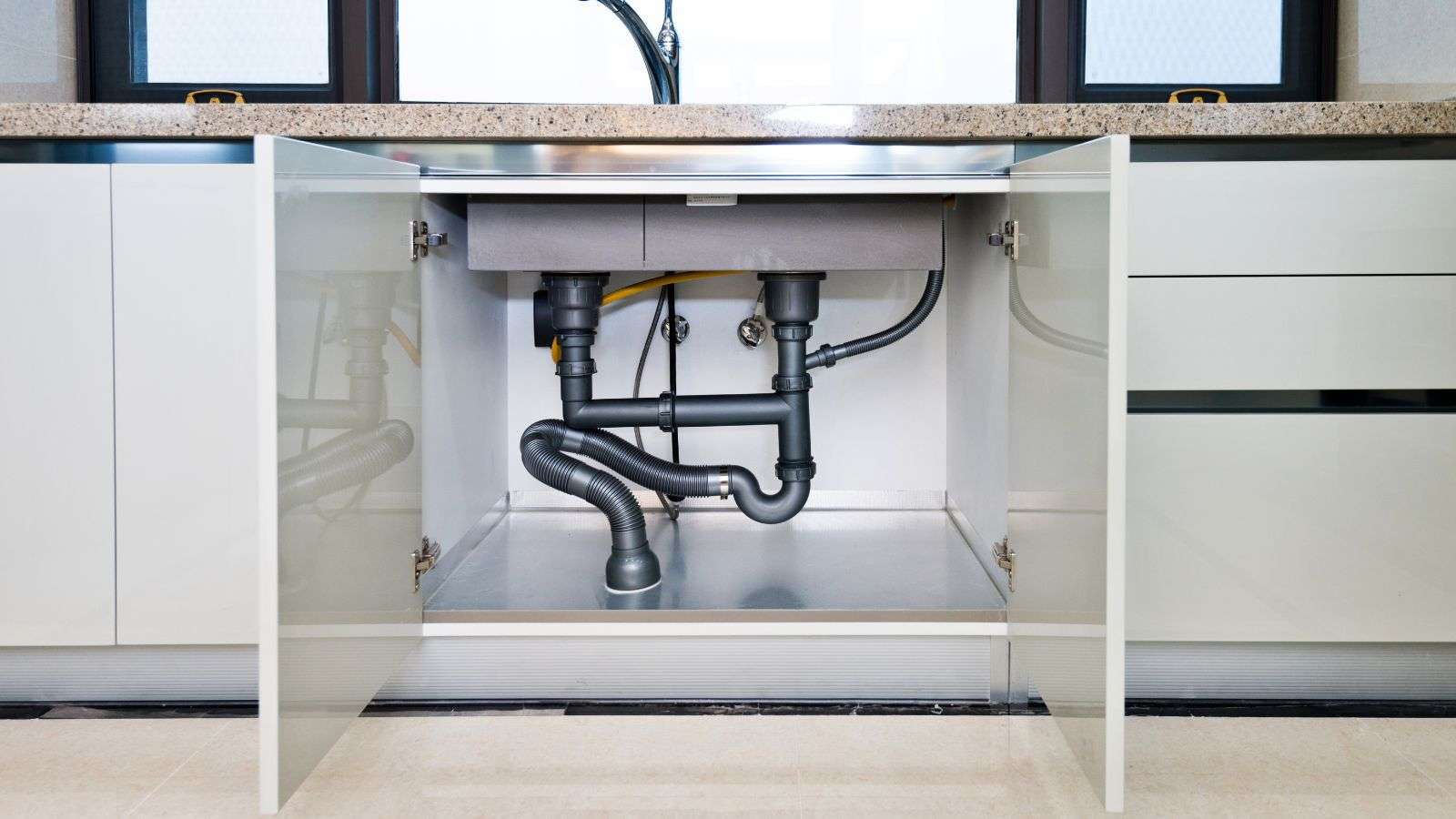
Under-sink spaces can present the perfect environment for roaches: dark, moist, and often laden with leftover food material. This can result in unsettling and unwanted under-sink infestations.
In this article, we outline 11 crucial steps aimed at the eradication and prevention of roaches in your under-sink areas.
Understanding Why Roaches Love Your Under-Sink Spaces
Roaches are drawn to under-sink spaces due to the warmth, darkness, and moisture that these areas provide, creating an ideal environment for them to thrive. The proximity to water sources in kitchens and bathrooms also attracts roaches, as they require water to survive. The clutter often found under sinks offers roaches plenty of hiding spots and protection from predators, making it a favorable habitat for them to inhabit.
Food residue or spills that may accumulate in these spaces further entice roaches, providing a potential food source. Ultimately, the combination of these factors makes under-sink spaces highly appealing to roaches, leading them to frequent these areas in search of shelter, water, and food.
11 Necessary Actions for Roach-Free Under-Sink Spaces
1. Seal all gaps and cracks
Inspect and seal any small openings or crevices around pipes, cables, and baseboards using caulk or weatherstripping to prevent roaches from entering your under-sink spaces. Pay close attention to areas where different materials meet, as these junctions often create hiding spots for roaches.
2. Keep the area dry
Address any leaks quickly and use a dehumidifier if necessary to reduce moisture levels under the sink. Roaches are attracted to damp environments, so maintaining a dry space can help deter them from taking up residence.
3. Store items in sealed containers
Store items such as cleaning supplies, sponges, and trash bags in tightly sealed containers to eliminate potential food sources for roaches. Opt for containers made of glass or plastic with secure lids to prevent roaches from accessing these items.
4. Use natural deterrents
Try using natural roach deterrents such as cedar chips, bay leaves, or peppermint oil near your under-sink spaces. These scents are known to repel roaches and can help keep them at bay without the use of harmful chemicals.
5. Clean regularly
Regularly clean the area under your sink, wiping down surfaces and checking for any spills or crumbs that may attract roaches. Maintaining a clean environment can help reduce the likelihood of roaches finding a food source in this space.
6. Install a drain cover
Place a drain cover over sink drains to prevent roaches from entering through these openings. Choose a cover with fine mesh to block roaches while still allowing water to flow freely.
7. Use bay leaves
Place bay leaves inside cabinets or drawers near your under-sink spaces as a natural roach repellent. The strong scent of bay leaves is effective at deterring roaches and can help keep them away from these areas.
8. Vacuum regularly
Use a vacuum cleaner with a hose attachment to remove any debris, crumbs, or roach eggs that may be hiding under your sink. Regular vacuuming can help eliminate potential food sources and nesting sites for roaches.
9. Consider professional pest control
If you have a persistent roach problem despite taking preventive measures, consider contacting a professional pest control service for assistance. A professional can assess the situation and provide targeted treatments to effectively eliminate roaches from your under-sink spaces.
10. Avoid leaving standing water
Make sure there is no standing water around pipes or in trays under your sink, as this can attract roaches seeking moisture. Wipe up any spills fast and fix any leaks to maintain a dry environment that is less inviting to roaches.
11. Monitor regularly
Regularly inspect your under-sink spaces for any signs of roach activity, such as droppings, egg casings, or live roaches. Staying vigilant and addressing any issues immediately can help prevent a small roach problem from turning into a larger infestation.
Signs and Red Flags of Roaches in Under-Sink Areas
- Droppings: Check for small, dark feces that resemble coffee grounds near pipes or in corners under the sink, indicating roach activity in the area. Cleaning up droppings quickly can help prevent roaches from establishing a presence.
- Egg casings: Keep an eye out for small, oval-shaped casings that roaches leave behind. These casings, also known as oothecae, can contain multiple eggs and are often found in hidden, sheltered areas like under-sink spaces.
- Musty odor: Pay attention to any musty or oily odors emanating from under the sink, as roaches can release pheromones that create a distinct smell. A persistent, unpleasant odor could be a sign of a roach infestation.
- Visible roaches: Spotting live roaches scurrying around the under-sink area is a clear indication of an infestation. Take immediate action to address the issue and prevent the roach population from growing.
- Chewed or damaged items: Check for any signs of gnawing or damage to packaging, cardboard, or stored items under the sink. Roaches may feed on a variety of materials and leave behind visible marks.
- Noises: Listen for scratching or rustling sounds coming from under the sink, especially at night when roaches are most active. These noises can indicate roach movement and nesting in the area.
- Shed skins: Look for translucent exoskeletons shed by growing roaches, often found in areas where they molt. Finding shed skins suggests the presence of roaches and their reproductive activity in the under-sink space.
- Grease marks: Check for greasy smudges or trails along walls, baseboards, or other surfaces near the sink. Roaches leave behind oily secretions as they navigate through tight spaces, leaving visible marks behind.
- Sudden increase in roach sightings: If you notice a sudden surge in roach sightings around your home, particularly near the sink area, it could indicate a larger infestation within your property. Prompt action is essential to effectively addressing the issue.
Effectively Cleaning and De-cluttering Your Under-Sink Areas to Deter Roaches
To effectively clean and de-clutter your under-sink areas to deter roaches, start by removing all items from the cabinets and drawers to thoroughly clean the surfaces with a mixture of water and vinegar or a mild detergent. Wipe down pipes, shelves, and corners to eliminate any food residue or spills that may attract roaches.
Declutter by organizing items in sealed containers or bins to prevent roaches from accessing potential food sources. Consider installing shelf liners to make cleaning easier and prevent moisture buildup. Regularly inspect and maintain the cleanliness of these spaces to create an environment that is less hospitable to roaches, reducing the likelihood of infestations.
Role of Moisture in Attracting Roaches to Under-Sink Spaces
Moisture plays a major role in attracting roaches to under-sink spaces, as these pests are drawn to damp environments for survival. Leaky pipes, dripping faucets, or accumulated water from spills create a moist habitat that provides roaches with the necessary conditions to thrive. The presence of moisture not only offers roaches a source of hydration but also contributes to their ability to breed and establish colonies.
Damp areas under sinks can serve as attractive hiding spots for roaches seeking shelter and protection. Addressing and eliminating sources of moisture in under-sink spaces through timely repairs, proper ventilation, and regular maintenance can help effectively reduce the appeal of these areas to roaches and help prevent infestations.
Health Consequences of Roaches Lurking Under Your Sink
- Allergies: Roaches can trigger allergic reactions in some individuals, with symptoms ranging from sneezing and coughing to skin rashes and respiratory issues. Their saliva, feces, and shed skin contain allergens that can exacerbate existing allergies and respiratory conditions.
- Food contamination: Roaches can contaminate food and cooking utensils with bacteria and pathogens they carry on their bodies. Consuming food that has come into contact with roaches or their droppings can lead to food poisoning and gastrointestinal illnesses.
- Asthma exacerbation: For individuals with asthma, exposure to roach allergens can worsen asthma symptoms and increase the frequency and severity of asthma attacks. Roach infestations in under-sink areas can contribute to indoor air pollution and trigger respiratory distress.
- Spread of diseases: Roaches are known vectors for diseases such as salmonella, E. coli, and various parasitic infections. Their presence in under-sink spaces poses a risk of disease transmission through contact with contaminated surfaces or food items.
- Mental health impact: Dealing with a roach infestation can take a toll on mental well-being, causing stress, anxiety, and feelings of disgust or unease. The persistent presence of roaches in living spaces can affect overall quality of life and emotional health.
Safely Applying Roach Control Solutions in Under-Sink Spaces
- Identify the infestation: Before applying any roach control solutions, confirm the presence of roaches in under-sink areas through visual inspections or the detection of roach-related signs such as droppings or egg casings. This step helps determine the extent of the infestation and informs the appropriate treatment methods.
- Choose safe products. Select roach control products that are specifically designed for indoor use and labeled for use in kitchens or under-sink areas. Opt for low-toxicity options such as gel baits or boric acid powder that are effective against roaches but pose minimal risk to humans and pets.
- Follow the instructions carefully. Read and follow the manufacturer’s instructions on how to apply roach control solutions in under-sink spaces. Pay attention to safety precautions, application methods, and dosage recommendations to ensure an effective and safe treatment.
- Apply strategically: Place roach baits or traps in areas where roaches are likely to frequent, such as along pipe openings, cabinet corners, or behind appliances. Avoid placing baits near food preparation areas or utensils to prevent contamination.
- Monitor and reapply: Regularly monitor the effectiveness of the roach control solutions by checking for trapped roaches or bait consumption. Reapply products as needed according to the recommended schedule to maintain control over the infestation and prevent re-infestations.
Keeping Your Under-Sink Spaces Dry for Roach Prevention
To prevent roaches in under-sink spaces, keeping the area dry is essential, as roaches are attracted to moisture. Fix any leaks quickly, insulate pipes to prevent condensation, and make sure there is proper ventilation to reduce humidity levels.
Try using a dehumidifier in areas prone to dampness to create an environment that is less hospitable to roaches. Wipe down surfaces regularly to remove any water spills or standing water, and avoid storing wet items under the sink. Maintaining dry conditions in under-sink spaces can help effectively deter roaches from seeking shelter and breeding in these areas.
Utilization of Natural Roach-Repelling Methods Under the Sink
To naturally repel roaches under the sink, consider using substances such as peppermint oil, bay leaves, or cedar chips known for their roach-repelling properties. Place cotton balls soaked in peppermint oil or sprinkle crushed bay leaves in the cabinet corners to deter roaches with their strong scents. Cedar chips can be placed near pipes or openings to create a barrier that roaches dislike.
These natural methods offer a chemical-free alternative to traditional pesticides while effectively keeping roaches at bay in under-sink spaces. Regularly refreshing or replacing these natural repellents can help maintain their potency and continue to deter roaches over time.
When to Bring in the Professionals for Under-Sink Roach Infestations
If you are dealing with a severe or persistent roach infestation in your under-sink spaces and DIY methods have not been effective, it may be time to bring in professional pest control services for assistance. Signs that indicate the need for professional intervention include a large number of roaches, repeated re-infestations, or difficulty controlling the problem on your own.
Pest control professionals have the expertise, tools, and resources to assess the extent of the infestation, implement targeted treatments, and provide ongoing monitoring to ensure the effective eradication of roaches. Consider visiting our website directory, Big Home Projects, to find reputable professionals experienced in dealing with roach infestations who can help address the issue efficiently and effectively.
Developing a Regular Maintenance Agenda to Keep Under-Sink Areas Roach-Free
To maintain roach-free under-sink areas, it is essential to develop a regular maintenance agenda that includes tasks such as sealing cracks and gaps, keeping the area dry, storing items in sealed containers, and using natural roach-repelling methods. Schedule routine inspections to check for signs of roach activity, such as droppings or egg casings, and address any issues immediately.
Implement a cleaning schedule to wipe down surfaces, vacuum debris, and declutter regularly to eliminate potential hiding spots for roaches. Consider setting reminders for reapplying roach control solutions or natural repellents to ensure continued effectiveness. Establishing and adhering to a comprehensive maintenance agenda can help proactively prevent roach infestations and maintain a clean, roach-free environment under the sink.