
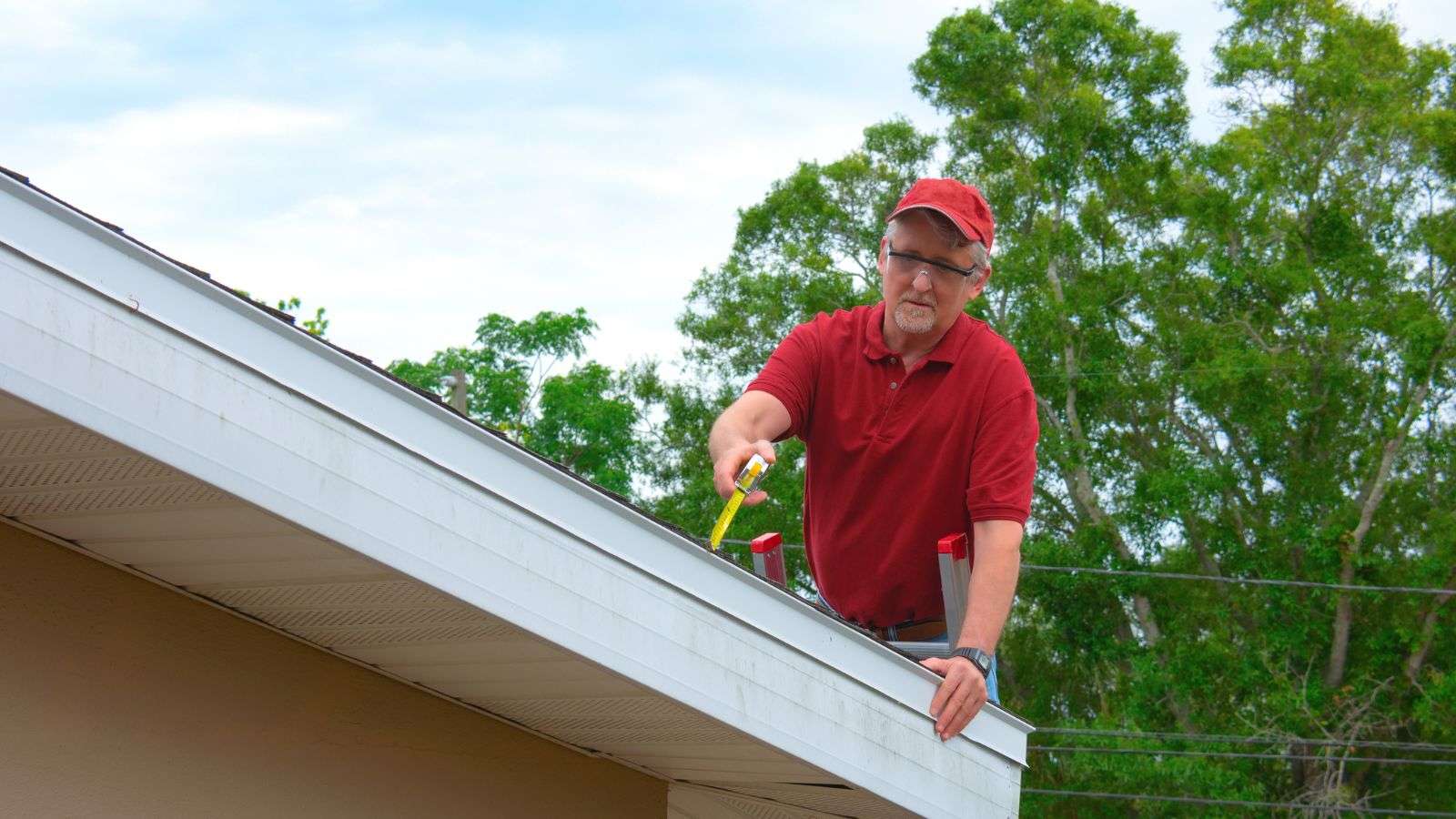
Understanding the critical role of roof inspections in mitigating depreciation is essential for maintaining property values and avoiding serious damage. This blog post not only explores the concept of roof depreciation but also emphasizes the importance of regular inspections to prevent it.
In this article, we’ll delve deep into this crucial topic, offering insights into the benefits of maintaining regular roof inspections, exploring different roofing materials’ impact on depreciation, and many more.
7 Crucial benefits of regular roof inspections in slowing depreciation
1. Preventing water damage
Regular roof inspections can help prevent water damage to your property. By identifying and addressing any leaks or weak spots in your roof, you can avoid costly repairs and potential structural damage caused by water infiltration. Early detection of water-related issues can help preserve the integrity of your roof and extend its lifespan.
2. Extending the lifespan of your roof
By conducting regular inspections, you can identify and address minor issues before they turn into major problems. This proactive approach helps to extend the lifespan of your roof, saving you money on premature replacement or extensive repairs. Regular inspections allow for timely maintenance and necessary repairs, ensuring that your roof remains in good condition for years to come.
3. Enhancing energy efficiency
A well-maintained roof contributes to improved energy efficiency in your home or building. During inspections, professionals can assess the insulation and ventilation systems, identifying any areas that may be compromising energy efficiency. By addressing these issues, you can reduce energy consumption, lower utility bills, and create a more comfortable living or working environment.
4. Identifying potential safety hazards
Regular roof inspections help identify potential safety hazards that may exist on your property. This includes loose or damaged roofing materials, unstable structures, or other dangers that could pose a risk to people or objects below. Addressing these hazards promptly can prevent accidents and ensure the safety of occupants and visitors.
5. Maintaining warranty coverage
Many roofing warranties require regular inspections and maintenance to remain valid. By scheduling regular roof inspections, you can fulfill the warranty requirements and make sure you are eligible for any potential claims in the future. This can provide peace of mind and financial protection against unexpected roofing expenses.
6. Early detection of pest infestations
Roof inspections can help detect pest infestations such as termites, rodents, or birds nesting on your roof. These pests can cause significant damage to your property if left unattended. By identifying infestations early on, you can take appropriate measures to remove the pests and prevent further damage to your roof and property.
7. Preserving curb appeal and property value
Regular roof inspections contribute to preserving the curb appeal and overall value of your property. A well-maintained roof enhances the aesthetic appeal of your home or building, making it more attractive to potential buyers or tenants. A structurally sound roof can increase the value of your property by providing assurance to prospective buyers or insurance companies.
How do roof inspections aid in avoiding depreciation?
Roof inspections aid in avoiding depreciation by identifying and addressing any issues or potential problems with your roof in a timely manner. By regularly inspecting your roof, you can detect and fix any leaks, weak spots, or damage that may lead to accelerated depreciation.
This proactive approach helps to maintain the structural integrity of your roof, preventing further deterioration and the need for costly repairs or premature replacement. Addressing maintenance and repair needs quickly can help preserve the overall condition of your property, ensuring that it retains its value over time.
The impact of different roofing materials on depreciation
- Asphalt shingles: Asphalt shingles are a popular and cost-effective roofing material. They have a moderate lifespan and can provide good protection against the elements. However, they may be more prone to depreciation due to potential issues such as cracking, curling, or granule loss over time.
- Metal roofing: Metal roofs are known for their durability and longevity. They can withstand harsh weather conditions and require minimal maintenance. Metal roofing materials, such as steel or aluminum, can help slow down depreciation by offering excellent resistance against factors like UV rays, moisture, and pests.
- Tile roofing: Tile roofs are aesthetically pleasing and can last for several decades with proper maintenance. They can resist fire, insects, and rot. However, elements like the caliber of the installation, the likelihood of individual tiles cracking or breaking, and the requirement for sporadic repairs can all affect the depreciation rate of tile roofing.
- Slate roofing: Slate roofs are renowned for their elegance and exceptional durability. When properly installed and maintained, slate roofing can last for a century or more. The natural stone material is resistant to fire, rot, and pests, which significantly slows down depreciation compared to other roofing materials.
- Wood shake or shingle roofing: Wood shake or shingle roofs offer a unique and rustic appeal. However, they require regular maintenance to prevent issues such as moss or mold growth, rotting, and insect infestations. Without proper care, wood roofing materials can depreciate faster due to these factors.
- Synthetic roofing materials: Synthetic roofing materials, such as composite shingles or rubber roofing, mimic the appearance of traditional materials while offering increased durability and resistance to weathering. These materials often have longer lifespans compared to their natural counterparts, reducing the rate of depreciation.
The aspects of a roof inspection process
- Visual inspection: A roof inspection typically begins with a thorough visual examination of the roof’s exterior. This involves inspecting the condition of the roofing materials, such as shingles, tiles, or metal panels, to identify any signs of damage, wear, or deterioration.
- Interior inspection: The inspector may also examine the interior of the property, particularly the attic or ceiling areas directly beneath the roof. This helps identify any signs of water leaks, mold growth, or structural issues that may not be visible from the outside.
- Inspection of flashings and seals: Flashings, which are metal strips used to seal joints and prevent water penetration, are inspected for signs of damage or improper installation. Seals around vents, chimneys, skylights, and other roof protrusions are also checked to ensure they are intact and watertight.
- Gutter and drainage system examination: The inspector will assess the condition of gutters, downspouts, and other components of the roof’s drainage system. This includes checking for clogs, debris buildup, or any damage that may impede proper water flow.
- Roof deck assessment: The roof deck, which provides the structural support for the roofing materials, is inspected for signs of sagging, rot, or other issues that could compromise the roof’s stability and longevity.
- Insulation and ventilation evaluation: The inspector may assess the insulation levels and ventilation systems within the attic space. Proper insulation helps maintain energy efficiency and prevents heat loss or condensation issues. Adequate ventilation helps regulate temperature and moisture levels, reducing the risk of damage to the roof structure.
- Identification of repairs or maintenance needs: Throughout the inspection process, any areas requiring repairs, maintenance, or further attention will be identified. These may include damaged or missing shingles, cracked flashing, deteriorated seals, or other issues that need to be addressed to maintain the roof’s integrity.
- Recommendations and report: At the conclusion of the inspection, the inspector will provide recommendations for any necessary repairs, maintenance tasks, or improvements. They may also deliver a detailed report summarizing their findings, including photographs and descriptions of observed issues.
When should you schedule a roof inspection?
It is recommended to schedule a roof inspection at least once a year as part of routine maintenance. However, there are certain situations when it is best to schedule an inspection promptly. These include severe weather events such as storms or hailstorms, as they can cause damage that may not be immediately apparent.
If you notice any signs of roof damage, such as leaks, missing or damaged shingles, or sagging areas, it is important to schedule an inspection as soon as possible. If you are planning to buy or sell a property, it is a good idea to have a roof inspection done to assess its condition and address any potential issues before finalizing the transaction.
Depreciation vs. damages: understanding the distinction
| Depreciation | Damages |
|---|---|
| A gradual decrease in value over time | Sudden and unexpected loss of value |
| Caused by normal wear and tear | Caused by specific events or incidents |
| Typically a result of aging and use | Result of accidents, storms, or other factors |
| Applies to the overall condition of an asset | Affects specific components or areas |
| Can be influenced by maintenance and upkeep | May require repairs or replacements |
| Generally occurs over a long period of time | Can occur abruptly or within a short timeframe |
The table highlights the key differences between depreciation and damages. Depreciation refers to the gradual decrease in value over time due to normal wear and tear, aging, and use. It refers to the overall state of an asset and is susceptible to regular maintenance and upkeep.
On the other hand, damages occur suddenly and unexpectedly, often as a result of accidents, storms, or other specific incidents. Damages may affect specific components or areas rather than the entire asset. Unlike depreciation, damages may require immediate repairs or replacements to restore the asset’s value.
Case study: Real-life examples of mitigating roof depreciation
- Regular maintenance: One effective way to mitigate roof depreciation is through regular maintenance. This includes tasks such as cleaning gutters, removing debris, and inspecting for any signs of damage or wear. By addressing minor issues promptly, property owners can prevent them from escalating into more significant problems that accelerate depreciation.
- Timely repairs: When issues are identified during roof inspections or routine maintenance, you have to address them as soon as possible through timely repairs. Whether it’s replacing missing shingles, fixing flashing, or repairing leaks, taking immediate action can prevent further damage and slow down the depreciation process.
- Proactive roof replacement: In some cases, roofs may reach a point where repairs are no longer effective in mitigating depreciation. In such instances, proactively planning for a roof replacement can be a wise decision. By investing in a new roof before extensive damage occurs, property owners can reset the depreciation cycle and enjoy the benefits of an upgraded and longer-lasting roofing system.
- Quality materials and installation: Opting for high-quality roofing materials and ensuring proper installation can significantly impact roof depreciation. Quality materials are more durable and resistant to wear, while proper installation reduces the risk of premature damage or failure. Investing in quality upfront can result in a longer lifespan for the roof and slower depreciation over time.
- Regular inspections by professionals: Regular roof inspections conducted by professional contractors are essential in identifying and addressing potential issues before they contribute to significant depreciation. Professionals have the expertise to detect hidden problems, provide accurate assessments, and recommend appropriate maintenance or repair measures to slow down depreciation.
- Effective ventilation and insulation: Proper ventilation and insulation within the attic space can help regulate temperature and moisture levels, reducing the risk of damage to the roof structure. By ensuring adequate ventilation and insulation, property owners can create a healthier environment for the roof and slow down the depreciation caused by excessive heat or moisture.
- Monitoring environmental factors: Understanding and monitoring environmental factors that can impact roofs, such as extreme weather conditions or nearby vegetation, can aid in mitigating depreciation. Taking proactive measures like trimming overhanging branches or reinforcing the roof against high winds can help protect the roof’s integrity and prolong its lifespan.
Hiring a professional or DIY: Which is better for a roof inspection?
| Hiring a Professional for Roof Inspection | DIY Roof Inspection |
|---|---|
| Expertise and experience in roof inspection | Requires knowledge and understanding |
| Access to specialized equipment and tools | Limited tools and equipment availability |
| Thorough and comprehensive assessment | May overlook potential issues or problems |
| Can identify hidden or hard-to-spot issues | Limited ability to detect hidden problems |
| Provides professional advice and guidance | Relies on personal knowledge and research |
| May uncover warranty-related concerns | May not fully understand warranty conditions |
Hiring a professional brings expertise, experience, and access to specialized tools and equipment, allowing for a thorough and comprehensive assessment of the roof. Professionals can identify hidden or hard-to-spot issues and provide professional advice and guidance. They may also uncover warranty-related concerns, ensuring compliance with warranty conditions.
On the other hand, DIY inspections rely on personal knowledge and research, with limited tool and equipment availability. While DIY inspections can be cost-effective, there is a higher potential to overlook potential issues or misinterpret their severity.
How to choose a reliable roof inspection service
- Research and gather recommendations: Start by researching and gathering recommendations for reliable roof inspection services. Ask friends, family, or neighbors for referrals and read online reviews to get an idea of their reputation and quality of service.
- Check for proper licensing and insurance. Make sure the roof inspection service you consider is properly licensed and insured. This helps protect you from liability in case of any accidents or damages that may occur during the inspection process.
- Verify experience and expertise: Look for a roof inspection service with ample experience and expertise in the industry. Consider their track record, how long they have been in business, and any certifications or qualifications they possess. A knowledgeable and experienced team is more likely to provide accurate assessments and recommendations.
- Ask about the inspection process and reports. Ask the service provider about the specific inspection procedure they use. A reliable roof inspection service will have a detailed and comprehensive process that includes an examination of various components. Ask about the format of their inspection reports, making sure they provide clear and detailed information about the condition of your roof.
- Request references and portfolios: Ask the roof inspection service for references from past clients and request to see portfolios or examples of their previous work. This can give you an idea of the quality of their inspections and the level of customer satisfaction they have achieved.
- Compare pricing and services: Obtain quotes from multiple roof inspection services and compare their pricing along with the services they offer. While price is important, it should not be the sole determining factor. Consider the value provided in terms of expertise, thoroughness, and reputation when evaluating pricing options.
- Seek professionalism and communication: Look for a roof inspection service that demonstrates professionalism and maintains good communication throughout the process. They should be responsive to your inquiries, address any concerns you may have, and provide clear explanations regarding their findings and recommendations.
Planned preventive maintenance: Can regular roof inspections save money in the long run?
Yes, regular roof inspections as part of planned preventive maintenance can save money in the long run. By conducting regular inspections, potential issues can be identified early on, allowing for prompt repairs or maintenance. This proactive approach helps prevent small problems from escalating into more extensive damage that requires costly repairs or even roof replacements.
For example, a minor leak detected during a routine inspection can be fixed promptly, preventing water damage to the underlying structure and avoiding the need for expensive repairs to structural components.
Regular inspections help extend the lifespan of the roof, delaying the need for costly roof replacements. According to industry estimates, the cost of a roof replacement can range from $5,000 to $30,000 or more, depending on the size and complexity of the roof.