
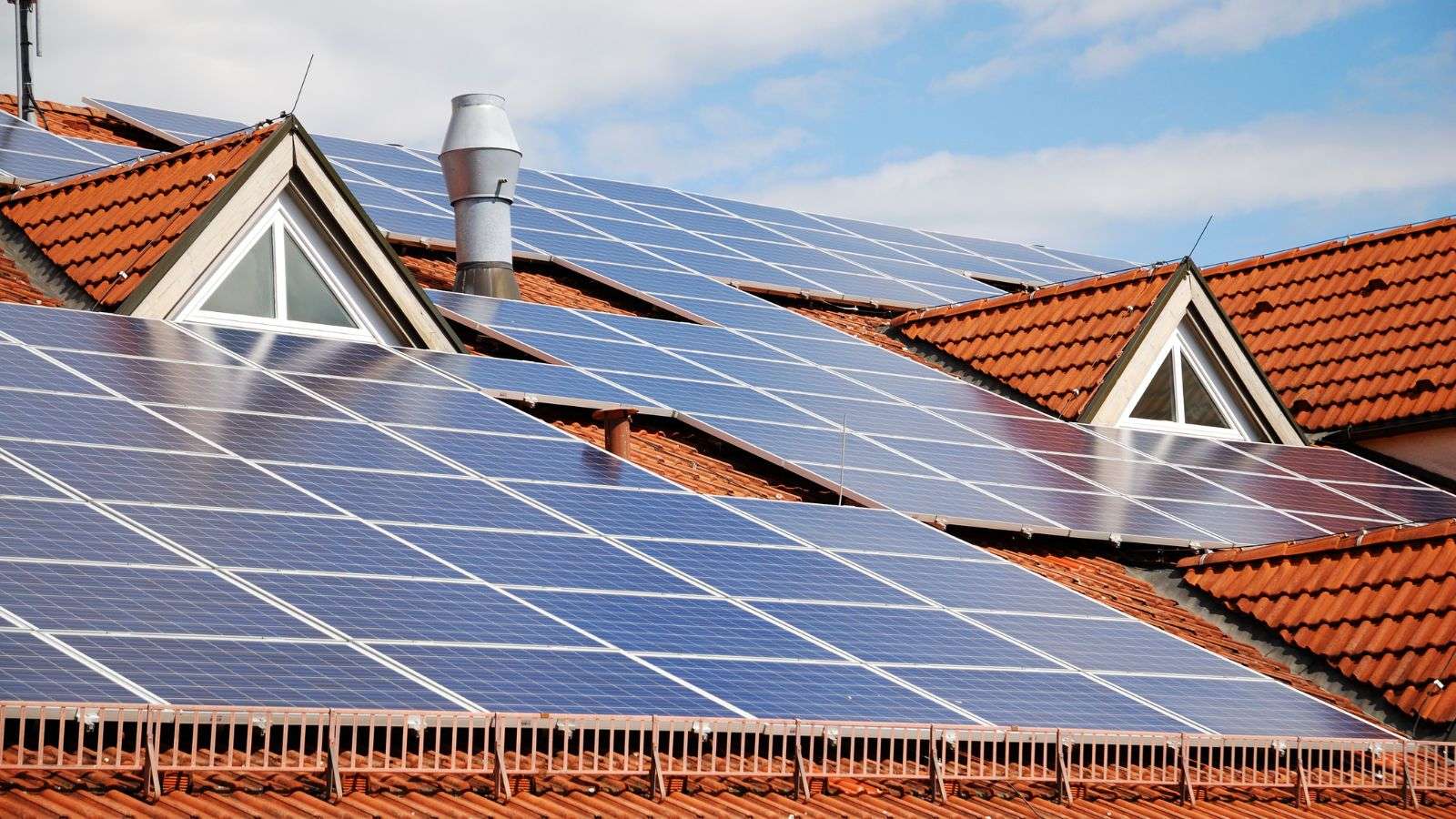
As homeowners become increasingly aware of the need for energy-efficient solutions, solar roof fans are stepping into the spotlight. These innovative devices offer an eco-friendly way to enhance home ventilation, reduce cooling costs, and lower carbon footprints.
In this article, we will dive into the world of solar roof fans, exploring their benefits, installation, and the top 7 models revolutionizing home ventilation.
Solar Roof Fan
A solar roof fan is a type of ventilation system that utilizes solar energy to power a fan, which helps regulate the temperature in a building by exhausting hot air. These fans are typically installed on the roof of a building to effectively remove heat buildup in the attic or living spaces, reducing the need for air conditioning and thus lowering energy costs. The solar panel on the fan converts sunlight into electricity, which powers the fan to draw hot air out of the building.
A solar roof fan can help the roof last longer by preventing damage caused by heat by lowering the temperature inside the building. these fans are environmentally friendly as they rely on renewable energy sources and help reduce carbon emissions. Overall, a solar roof fan is a cost-effective and sustainable solution for improving indoor comfort and energy efficiency in buildings.
What Are Solar Roof Fans and How Do They Work?
Solar roof fans are ventilation systems that harness solar energy to power a fan, which assists in regulating indoor temperatures by expelling hot air. Typically mounted on the roof of a building, these fans work by utilizing a solar panel to convert sunlight into electricity. This electricity then drives the fan to extract warm air from the building, helping to cool down the interior spaces.
Reducing the heat accumulation in the attic or living areas can allow solar roof fans to decrease the reliance on air conditioning systems, leading to energy savings. These fans are beneficial not only for enhancing indoor comfort but also for extending the lifespan of the roof by minimizing heat-related damage. solar roof fans are eco-friendly as they operate on renewable energy and contribute to lowering carbon footprints.
7 Solar Roof Fan Models: Revolutionizing Home Ventilation
1. Solar Star Roof Mount Fan
The Solar Star Roof Mount Fan is a popular choice for homeowners seeking an energy-efficient ventilation solution. This model features a sleek design that seamlessly integrates with various roof types, providing effective heat extraction to cool down living spaces. Its adjustable solar panel allows for optimal sun exposure, ensuring maximum energy conversion even in shaded areas. the Solar Star Roof Mount Fan operates quietly, making it ideal for residential use without causing any disruptions.
2. Natural Light Energy Systems Solar Attic Fan
The Natural Light Energy Systems Solar Attic Fan is known for its durability and high performance in ventilating attics. This model comes with a built-in thermostat and humidistat, enabling automatic operation to maintain optimal attic conditions. The adjustable solar panel can be positioned for enhanced sunlight capture, ensuring efficient fan operation throughout the day. With a weather-resistant design, this solar attic fan is built to withstand various environmental conditions, providing long-lasting ventilation benefits for homes.
3. Remington Solar Attic Fan
The Remington Solar Attic Fan stands out for its innovative design and advanced features. This model is equipped with a brushless motor for quiet operation and enhanced longevity, making it a reliable choice for homeowners. The included thermostat helps regulate attic temperatures effectively, while the impact-resistant construction ensures durability in all weather conditions. With easy installation instructions and a compact size, the Remington Solar Attic Fan offers convenience and efficiency in home ventilation.
4. iLIVING Hybrid Solar Roof Ventilation Fan
The iLIVING Hybrid Solar Roof Ventilation Fan combines solar and electric power for continuous ventilation performance. This model features a hybrid design that allows seamless switching between solar and electric power sources based on sunlight availability. With adjustable speed settings, homeowners can customize airflow according to their needs, providing flexibility in managing indoor temperatures. The iLIVING Hybrid Solar Roof Ventilation Fan offers reliable ventilation solutions for homes seeking energy-efficient cooling options.
5. ECO-WORTHY Solar-Powered Attic Fan
The ECO-WORTHY Solar Powered Attic Fan is a cost-effective and eco-friendly ventilation solution for homes. This model utilizes a high-efficiency solar panel to power the fan, reducing electricity consumption and utility costs. With a low-profile design, the ECO-WORTHY Solar Powered Attic Fan blends seamlessly into the roofline while effectively extracting hot air from attics. Easy to install and maintain, this fan is a practical choice for homeowners looking to enhance ventilation and energy efficiency in their homes.
6. Rand Solar-Powered Attic Fan
The Rand Solar-Powered Attic Fan offers a versatile and efficient solution for attic ventilation. This model is equipped with a thermostatically controlled fan that automatically adjusts its speed based on attic temperature, ensuring optimal ventilation performance. The adjustable solar panel allows for easy positioning to capture sunlight efficiently, maximizing energy conversion. With its durable construction and easy installation process, the Rand Solar Powered Attic Fan provides reliable cooling benefits for attics while promoting energy savings.
7. Amtrak Solar Attic Fan
The Amtrak Solar Attic Fan is a high-quality ventilation option designed for superior performance and durability. This model features a powerful fan motor that efficiently extracts hot air from attics, helping maintain comfortable indoor temperatures. The included thermostat enables automatic operation based on attic temperature, ensuring efficient energy use throughout the day. With a corrosion-resistant aluminum housing and whisper-quiet operation, the Amtrak Solar Attic Fan offers long-lasting ventilation benefits for homes seeking reliable cooling solutions.
Benefits of Installing a Solar Roof Fan
- Energy Efficiency: Installing a solar roof fan can significantly reduce the reliance on traditional cooling systems, leading to lower energy consumption and decreased utility costs. These fans use solar power to move air through attics or living spaces. This helps keep rooms at a comfortable temperature without using air conditioning too much. For example, during hot summer months, a solar roof fan can efficiently remove heat buildup, reducing the strain on air conditioning units and promoting energy savings.
- Environmentally Friendly: Solar roof fans operate using renewable energy sources, making them eco-friendly alternatives to conventional ventilation systems. Relying on solar power to function, these fans help reduce carbon emissions and contribute to a more sustainable environment. For instance, by choosing a solar roof fan over a traditional electric-powered fan, homeowners can lower their carbon footprint and support green energy initiatives.
- Improved Indoor Air Quality: Proper ventilation facilitated by a solar roof fan can enhance indoor air quality by removing stale air, odors, and pollutants from living spaces. These fans help prevent moisture buildup in attics, reducing the risk of mold and mildew growth, which can have adverse effects on respiratory health.
- Extended Roof Lifespan: Solar roof fans aid in regulating attic temperatures, preventing excessive heat accumulation that can damage roofing materials over time. These fans help extend the roof’s life by lowering the thermal stress on its structure. This keeps homeowners from having to pay for expensive repairs or replacements. For example, in regions with intense sunlight and high temperatures, a solar roof fan can mitigate heat-related deterioration of roofing materials.
- Enhanced Comfort: Solar roof fans play a big role in maintaining consistent indoor temperatures, ensuring year-round comfort for occupants. Expelling hot air from attics or living spaces will allow these fans to help create a cooler and more pleasant environment, especially during peak summer months. With improved ventilation and temperature control, homeowners can enjoy a more comfortable living space without experiencing temperature fluctuations or stuffiness.
- Easy Installation and Maintenance: Solar roof fans are designed for easy installation on various roof types, requiring minimal setup time and effort. Most models come with detailed instructions and mounting hardware for straightforward DIY installation. These fans have low maintenance requirements, typically needing occasional cleaning for the best performance. Homeowners can benefit from hassle-free installation and upkeep when opting for a solar roof fan.
Types of Solar Roof Fans Available
- Solar-Powered Attic Fans: These fans are specifically designed to ventilate attics and reduce heat buildup in the upper levels of a building. Solar-powered attic fans typically come with adjustable solar panels for efficient energy conversion and are installed on the roof to extract hot air from the attic space. They help prevent moisture accumulation, mold growth, and roof damage by promoting proper airflow and temperature regulation.
- Solar Roof Ventilation Fans with Thermostat Control: This type of solar roof fan features built-in thermostats that automatically regulate fan operation based on temperature levels. When temperatures rise, the fan kicks in to expel hot air, maintaining optimal indoor conditions. Solar roof ventilation fans with thermostat control are ideal for ensuring energy-efficient cooling and preventing overheating in attics or living spaces.
- Hybrid Solar Roof Fans: Hybrid solar roof fans combine solar power with electric backup options for continuous and reliable ventilation performance. These fans can seamlessly switch between solar and electric power sources, ensuring uninterrupted operation regardless of sunlight availability. Hybrid solar roof fans offer flexibility in energy sources and are suitable for areas with varying weather conditions or shading issues.
- Solar Gable Fans: Solar gable fans are installed on the gable vent of a building to improve air circulation and cooling. These fans effectively exhaust hot air from the attic or living spaces, helping maintain comfortable indoor temperatures. Solar gable fans are easy to install and provide an efficient solution for enhancing ventilation in homes with limited roof space or specific architectural requirements.
- Roof-Mounted Solar Exhaust Fans: Roof-mounted solar exhaust fans are designed to extract hot air from the roof cavity or attic, preventing heat buildup and reducing the need for air conditioning. These fans are typically mounted on the roof surface to maximize sunlight exposure for optimal energy conversion. Roof-mounted solar exhaust fans offer a discreet and effective way to enhance ventilation and energy efficiency in residential buildings.
- Solar-Powered Ventilation Fans with Humidistat: Solar-powered ventilation fans equipped with humidistats monitor and control humidity levels in attics or living spaces. These fans automatically adjust airflow based on humidity levels, helping prevent mold growth, condensation, and moisture-related issues. Solar-powered ventilation fans with humidistats promote healthy indoor air quality and protect the integrity of building materials by regulating moisture levels effectively.
Key Features to Consider When Choosing a Solar Roof Fan
- Solar Panel Efficiency: One of the crucial factors to consider is the solar panel efficiency of the solar roof fan. High-efficiency solar panels can convert more sunlight into electricity, ensuring optimal performance even in less sunny conditions. When choosing a solar roof fan, look for models with advanced solar panel technology that maximizes energy conversion for efficient operation.
- Fan Capacity and Airflow: The fan capacity and airflow rate of the solar roof fan determine its effectiveness in ventilating the designated space. Consider the size of the area you want to ventilate and choose a fan with sufficient airflow capacity to meet your ventilation needs. Models with adjustable speed settings or multiple fan units may offer flexibility in controlling airflow levels based on temperature variations.
- Thermostat and Humidistat Control: Opt for a solar roof fan that features thermostat and humidistat controls for automatic temperature and humidity regulation. These controls help maintain optimal indoor conditions by activating the fan when temperatures rise or humidity levels increase, ensuring energy-efficient ventilation and preventing moisture-related issues.
- Construction Quality and Durability: Look for solar roof fans constructed from durable materials that can withstand outdoor elements and provide long-term reliability. Models with weather-resistant housing, corrosion-resistant components, and impact-resistant features offer durability and longevity, especially in harsh weather conditions. Investing in a well-built and durable solar roof fan can provide years of effective ventilation and energy savings.
- Installation Flexibility and Compatibility: Consider the installation requirements and compatibility of the solar roof fan with your roof type and structure. Choose a fan that is easy to install, preferably with included mounting hardware and clear instructions for DIY installation. Just make sure the fan is compatible with your roof material and design to guarantee a secure and efficient installation process without compromising the roof’s integrity.
- Noise Level and Operation: Pay attention to the noise level of the solar roof fan during operation, especially if it will be installed in residential spaces. Look for models with quiet operation features, such as brushless motors or sound-dampening technologies, to minimize noise disturbances. A solar roof fan that operates quietly guarantees a peaceful indoor environment while effectively ventilating the space.
The Installation Process of a Solar Roof Fan
Installing a solar roof fan typically involves several steps to get the right setup and efficient operation. First, choose an appropriate location on the roof that receives ample sunlight for optimal solar panel exposure. Securely mount the fan using the provided hardware, ensuring a watertight seal around the installation area to prevent leaks.
Connect the fan to the solar panel according to the manufacturer’s instructions, ensuring proper wiring and polarity for seamless operation. Test the fan to confirm functionality and adjust any settings, such as speed or thermostat controls, as needed. Regular maintenance, such as cleaning the solar panel and checking for debris blockages, is essential to maximize performance and longevity.
Cost Analysis and Potential Savings from Solar Roof Fans
The cost analysis of installing a solar roof fan involves considering upfront expenses, potential savings on energy bills, and long-term benefits. On average, the cost of a quality solar roof fan can range from $300 to $800, depending on the brand, size, and features. Installation costs may vary but typically range from $200 to $500, factoring in labor and materials. However, the potential savings from reduced energy consumption can be significant.
For example, a solar roof fan installed in a home can save between $50 and $100 per year on cooling costs, depending on the local climate and usage patterns. Over the lifespan of the fan, which can range from 10 to 20 years, total savings could amount to thousands of dollars. tax incentives or rebates for solar energy systems may further offset the initial investment, increasing overall cost-effectiveness.
Compatibility of Solar Roof Fans with Different Roof Types
- Asphalt Shingle Roofs: Solar roof fans are generally compatible with asphalt shingle roofs, which are common in residential settings. These fans can be easily installed on asphalt shingle roofs using appropriate mounting hardware and flashing to maintain a secure and weatherproof fit. The lightweight nature of solar roof fans makes them suitable for asphalt shingle roofs without causing structural stress or damage.
- Metal Roofs: Solar roof fans can be installed on metal roofs with proper consideration for the roof material and installation method. Special mounting brackets or stands may be required to secure the fan to the metal roof effectively. It’s essential to choose a solar roof fan designed for metal roofs to ensure compatibility and prevent any issues with installation or performance.
- Tile Roofs: Solar roof fans can be compatible with tile roofs, but installation may require additional care and expertise due to the nature of tile roofing materials. Roofers experienced in working with tile roofs can install solar roof fans using specific mounting techniques that do not compromise the integrity of the tiles. Ensuring proper sealing and waterproofing around the fan installation area is the key to prevent water leakage.
- Flat Roofs: Solar roof fans can be suitable for flat roofs with the right mounting system designed for such roof types. Flat roof installations may require tilt brackets or stands to angle the solar panel for optimal sunlight exposure. Proper waterproofing and sealing are essential when installing solar roof fans on flat roofs to prevent water infiltration and provide long-term performance.
- Slate Roofs: Solar roof fans can be compatible with slate roofs, although installation on these roofs may require specialized techniques due to the delicate nature of slate tiles. Careful mounting procedures and weatherproofing measures are necessary to protect the integrity of the slate roofing material. Working with experienced professionals familiar with slate roof installations is recommended to ensure successful compatibility and performance of solar roof fans.
Maintenance and Longevity of Solar Roof Fans
Proper maintenance is essential for ensuring the longevity and optimal performance of solar roof fans. Regular maintenance tasks include cleaning the solar panel to remove dust and debris that may obstruct sunlight absorption, thus affecting energy conversion efficiency. Checking for any obstructions around the fan, such as leaves or branches, and clearing them to maintain proper airflow is crucial.
Inspecting the fan blades for wear or damage and lubricating moving parts as needed can help prevent mechanical issues and prolong the fan’s lifespan. monitoring the fan’s operation periodically and addressing any unusual noises or performance issues immediately can prevent potential breakdowns and ensure continued functionality.
Common Misconceptions About Solar Roof Fans
- Misconception: Solar Roof Fans Are Only Effective in Sunny Climates: One common misconception is that solar roof fans are only beneficial in regions with abundant sunlight. While solar roof fans do rely on solar energy for operation, they can still provide ventilation and energy savings in a variety of climates. Even in partially sunny or cloudy conditions, solar roof fans can generate enough power to effectively ventilate spaces and reduce energy consumption. Proper placement and orientation of the solar panel can optimize energy capture, making solar roof fans viable in different weather conditions.
- Misconception: Solar Roof Fans Are Expensive and Not Cost-Effective: Another misconception is that solar roof fans are prohibitively expensive and not cost-effective compared to traditional ventilation systems. While there is an initial investment involved in purchasing and installing a solar roof fan, the long-term energy savings and potential utility bill reductions can outweigh the upfront costs. tax incentives, rebates, and increased home value resulting from energy-efficient upgrades can further offset the expenses associated with solar roof fans, making them a financially viable investment in the long run.
- Misconception: Solar Roof Fans Are Complicated to Install and Maintain: Some individuals believe that solar roof fans are complex to install and require extensive maintenance, deterring them from considering this energy-efficient option. In reality, many solar roof fans are designed for easy installation, with clear instructions and mounting hardware included. Maintenance typically involves simple tasks such as periodic cleaning of the solar panel and ensuring proper airflow around the fan.
- Misconception: Solar Roof Fans Do Not Provide Significant Energy Savings: There is a misconception that solar roof fans do not offer substantial energy savings compared to other energy-efficient upgrades. However, solar roof fans can significantly reduce cooling costs by decreasing the reliance on air conditioning systems and promoting natural ventilation. The cumulative energy savings from using a solar roof fan can make a noticeable difference in overall household energy expenses.
How Solar Roof Fans Impact Home Ventilation and Energy Efficiency
Solar roof fans play a big role in improving home ventilation and enhancing energy efficiency by expelling hot air from attics or living spaces, thus reducing the need for air conditioning and promoting natural airflow. effectively ventilating the space, solar roof fans help regulate indoor temperatures, preventing heat buildup and creating a more comfortable living environment. This improved ventilation not only enhances indoor air quality by reducing humidity and stale air but also helps prevent moisture-related issues such as mold growth.
Furthermore, by utilizing solar power to operate, these fans lower energy consumption and utility costs, contributing to long-term energy savings for homeowners. Overall, solar roof fans have a positive impact on home ventilation and energy efficiency, offering a sustainable and cost-effective solution for maintaining a healthy and comfortable living environment while reducing environmental impact.
Solar Roof Fans in Different Climates
Solar roof fans can be beneficial in various climates, providing effective ventilation and energy efficiency regardless of regional weather conditions. In hot climates, such as desert regions, solar roof fans help expel excess heat from attics, reducing indoor temperatures and lessening the workload on air conditioning systems.
In colder climates, solar roof fans can prevent moisture buildup and condensation in attics by promoting airflow and ventilation. Even in areas with fluctuating weather patterns or limited sunlight, solar roof fans can still operate efficiently, contributing to energy savings and improved indoor comfort. The adaptability of solar roof fans to different climates showcases their versatility and effectiveness in enhancing home ventilation and energy efficiency across diverse geographic locations.