
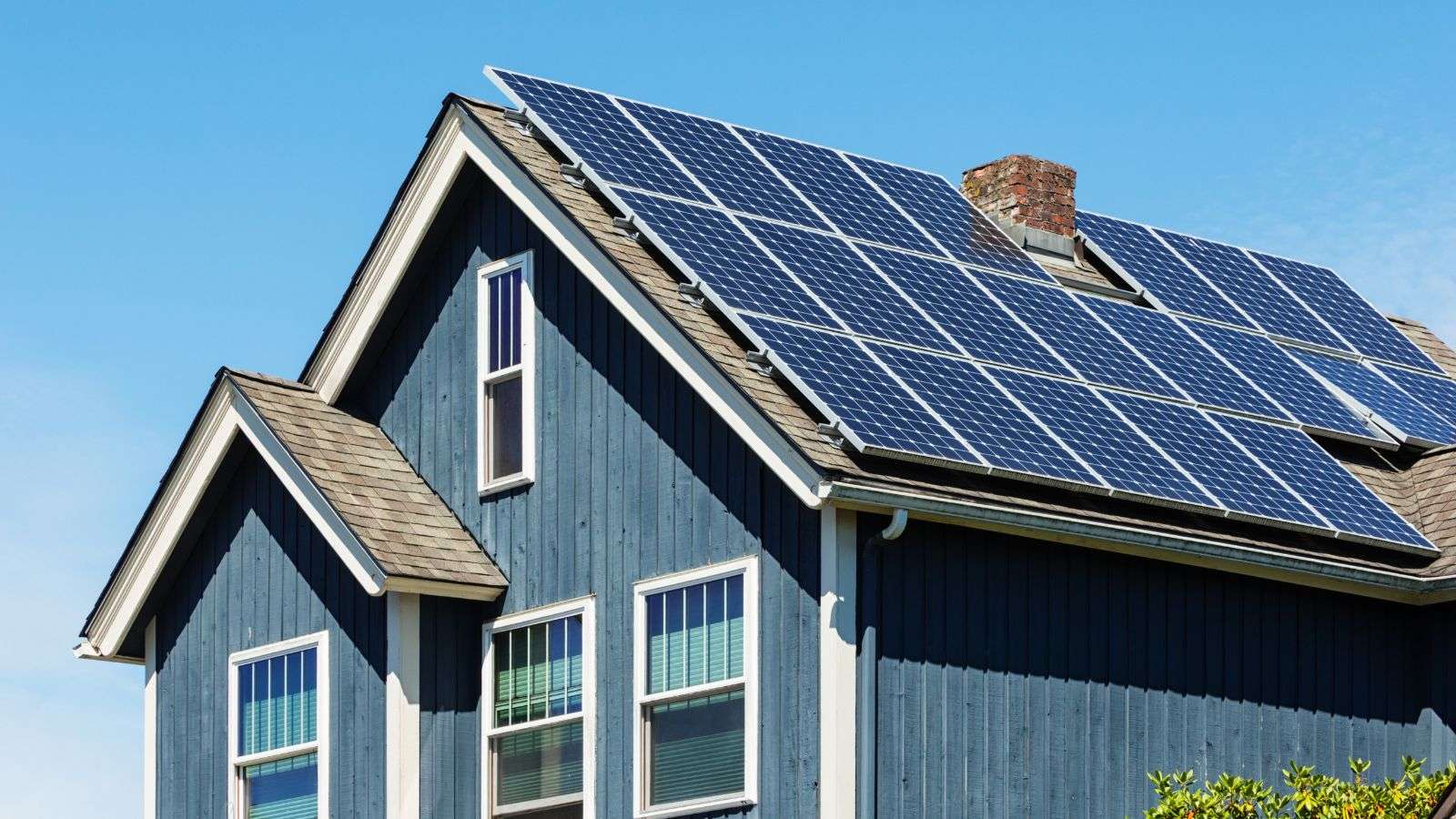
There’s no doubt that transitioning to renewable energy is a major key to combating climate change. One prevalent way of doing so is by utilizing the power of the sun through solar panels installed right on our roofs. In this article, we’ll dive into the fascinating world of solar roof homes — their creation, benefits, costs, and more.
What Exactly is a Solar Roof Home?
A solar roof home is a type of house equipped with solar panels integrated directly into the roof. These solar panels are designed to capture sunlight and convert it into electricity, providing a renewable source of energy for the home. Solar-roofed homes help reduce energy costs by generating their own electricity and potentially even allowing homeowners to sell excess energy back to the grid.
Companies like Tesla and CertainTeed offer solar roof tiles that blend seamlessly with traditional roofing materials, enhancing the aesthetic appeal of the home while also harnessing the power of the sun. Overall, a solar-roofed home is an environmentally friendly and cost-effective way to power a household using renewable energy sources.
11 Amazing Benefits of a Solar Roof Home
1. Reduced Energy Bills
Installing a solar roof on your home can help significantly reduce your dependence on traditional energy sources, leading to lower monthly electricity bills. The energy generated by solar panels can power your household appliances, lighting, and heating or cooling systems, helping you save money in the long run.
2. Environmental Impact
One of the most significant benefits of a solar-roofed home is its positive impact on the environment. harnessing the power of the sun to generate electricity can help reduce your carbon footprint and contribute to the fight against climate change. Choosing renewable energy sources like solar power helps decrease greenhouse gas emissions and promote sustainability.
3. Increased Property Value
Investing in a solar roof can increase the overall value of your property. Homes equipped with solar panels are often more attractive to potential buyers due to their energy efficiency and cost-saving benefits. Studies have shown that properties with solar roofs tend to sell faster and at higher prices than those without.
4. Energy Independence
A solar-roofed home can help you enjoy a greater sense of energy independence. If you get your power from the sun, you do not have to rely on outside energy providers as much, and you will be better prepared for power outages or changes in the grid. This independence gives you more control over your energy consumption and costs.
5. Tax Incentives and Rebates
Many governments offer tax incentives, rebates, and other financial benefits to homeowners who install solar panels. These incentives can help offset the initial cost of installing a solar roof and make renewable energy more accessible and affordable for homeowners. Be sure to research available incentives in your area to maximize your savings.
6. Long-Term Savings
While the initial cost of installing a solar roof may seem significant, it is essential to consider the long-term savings it can provide. Solar panels have a lifespan of 25 years or more, meaning you can continue to benefit from reduced energy bills and increased property value for decades after installation. Over time, the savings can far outweigh the initial investment.
7. Low Maintenance
Solar roof systems require minimal maintenance once installed. Regular cleaning of the panels to remove dust or debris and occasional inspections for the best performance are typically all that is needed. With no moving parts, solar panels are durable and reliable, providing hassle-free energy generation for your home.
8. Energy Security
In times of natural disasters or emergencies when the grid may be compromised, a solar-roofed home provides a reliable source of electricity. Battery storage options can help store excess energy generated during the day for use at night or during power outages, ensuring that your household remains powered and secure.
9. Educational Opportunity
Installing a solar roof can be an educational opportunity for homeowners and their families. It allows you to learn about renewable energy, energy conservation, and sustainable living practices firsthand. You can involve children in understanding how solar power works and the importance of reducing our reliance on fossil fuels for a greener future.
10. Community Impact
By choosing to install a solar roof, you can help inspire and influence others in your community to adopt renewable energy solutions. Your commitment to sustainability can set an example for neighbors and friends, promoting awareness and action towards a more environmentally conscious lifestyle. Together, we can help contribute to building a more sustainable and resilient community.
11. Technological Advancements
The field of solar energy is continually evolving, leading to advancements in technology and efficiency. Putting solar panels on your roof will not only help you save money on energy bills now, but it will also set you up to benefit from new innovations in renewable energy in the future. Staying at the forefront of solar technology makes sure that your home remains energy-efficient and up-to-date with the latest developments in the industry.
How Does a Solar Roof Home Work?
A solar roof home works by harnessing the energy from sunlight through solar panels installed on the roof. These solar panels contain photovoltaic cells that capture sunlight and convert it into direct-current (DC) electricity. An inverter then converts this DC electricity into alternating current (AC), which is the type of electricity used in households.
The generated electricity can power the home’s electrical appliances directly, with any excess energy being fed back into the grid or stored in batteries for later use. This process allows homeowners to reduce their reliance on traditional energy sources, lower their electricity bills, and contribute to a more sustainable and environmentally friendly way of living.
What is the Installation Process Like?
- Initial Consultation: The installation process of a solar roof home typically begins with an initial consultation with a solar energy provider. During this consultation, the provider assesses your home’s energy needs, roof structure, and sun exposure to determine the feasibility of installing solar panels. This step is crucial in designing a customized solar system that maximizes energy production and efficiency for your specific property.
- Site Assessment and Design: After the initial consultation, a site assessment is conducted to evaluate the roof’s condition, orientation, and shading to optimize the placement of solar panels. Based on this assessment, a detailed design plan is created, outlining the layout of the solar panels, the electrical components, and any necessary permits or approvals required for installation. For example, if your roof receives ample sunlight throughout the day, the design may include more solar panels to capture maximum energy.
- Permitting and Approval: Once the design plan is finalized, the next step involves obtaining permits and approvals from local authorities or homeowner associations. Permitting requirements vary by location and may include structural, electrical, and zoning permits. It is essential to guarantee compliance with all regulations to proceed with the installation smoothly and legally.
- Installation of Solar Panels: The installation process begins with mounting racking systems on the roof to support the solar panels securely. The solar panels are then placed on the racks and connected to each other and to the electrical system of the house. The wiring is carefully installed to connect the panels to an inverter, which converts the solar energy into usable electricity for your home.
- Connection to the Grid: Once the solar panels are installed and connected, a final inspection is conducted to ensure everything meets safety and performance standards. After passing inspection, your solar system is connected to the grid through a bi-directional meter. This allows you to receive credit for any excess electricity your system generates and feeds back into the grid.
- Monitoring and Maintenance: After installation, monitoring and maintenance of your solar roof system are essential for the best performance and longevity. Monitoring tools can track energy production and alert you to any issues that may arise. Regular maintenance, such as cleaning the panels and checking for debris, is crucial to maximizing energy generation efficiency over time.
- Activation and Enjoying Solar Power: Once the installation is complete, your solar roof system is activated, and you can start enjoying the benefits of clean, renewable energy. You will begin to see a reduction in your electricity bills as your home generates its electricity from the sun. Embracing solar power not only saves you money but also contributes to a greener and more sustainable future for generations to come.
How Much Can I Save with a Solar Roof Home?
The amount you can save with a solar roof home depends on various factors, such as your location, energy consumption, system size, and available incentives. On average, homeowners can save anywhere from $10,000 to $30,000 or more over the lifetime of their solar panels.
For example, a typical 5kW solar system in the United States may cost between $15,000 and $25,000 after incentives and can save homeowners around $600 to $1,500 per year on electricity bills. In sunnier regions with higher electricity rates, savings can be even greater. Net metering programs can help you earn credits for excess energy your system produces, further reducing your energy costs.
What are the environmental impacts?
A solar-roofed home has significant positive environmental impacts, primarily by reducing greenhouse gas emissions and dependence on fossil fuels. Solar panels help lower the carbon footprint of traditional energy sources like coal and natural gas by making electricity from sunlight. For example, a typical residential solar system can offset around 100 tons of carbon dioxide over its lifetime, equivalent to planting thousands of trees or taking multiple cars off the road.
Solar energy production does not release harmful pollutants into the air or water, contributing to cleaner air quality and a healthier environment for present and future generations. In essence, embracing a solar-roofed home not only benefits you financially but also plays a major role in combating climate change and promoting sustainability.
How Reliable Are Solar Roof Homes?
Solar roof homes are known for their reliability and durability, with most solar panels designed to withstand various weather conditions and last for 25 years or more. The components used in solar systems are tested rigorously to ensure longevity and performance under harsh environmental factors such as rain, snow, hail, and high winds.
For instance, reputable solar panel manufacturers often provide warranties ranging from 20 to 25 years, guaranteeing power output and product performance. Advancements in solar technology have led to increased efficiency and resilience in solar panels, making them a dependable source of renewable energy for residential use. Regular maintenance, such as occasional panel cleaning and system inspections, can help ensure the continued reliability and efficiency of a solar roof home over its lifespan.
Can a solar roof power my entire house?
A solar roof home has the potential to power the majority, if not all, of your household’s electricity needs, depending on various factors such as the size of the solar system, your energy consumption habits, and available sunlight. Installing a properly sized solar panel system can help generate enough electricity to cover a significant portion of your energy usage, including powering appliances, lighting, heating, cooling, and other electrical devices.
For example, a well-designed solar roof system combined with energy-efficient practices and possibly energy storage solutions like batteries can enable you to achieve near self-sufficiency in terms of electricity consumption. While factors like seasonal variations in sunlight and daily energy usage patterns may affect the system’s ability to power the entire house at all times, a solar-roofed home can indeed provide a substantial amount of clean and renewable energy to meet your household’s needs.
What Is the Maintenance Like for a Solar Roof Home?
- Regular Cleaning: One essential aspect of maintaining a solar roof home is regular cleaning of the solar panels for the best energy production. Dust, dirt, bird droppings, or other debris can accumulate on the panels over time, reducing their efficiency. Cleaning the panels with water and a soft brush periodically, especially in dusty or pollen-prone areas, can help maximize sunlight absorption and energy generation.
- Inspection and Monitoring: Regular inspection and monitoring of your solar roof system are crucial to identify any issues that may impact performance. Monitoring tools can track energy production levels, detect potential malfunctions, and alert you to any maintenance needs. Inspections should include checking for loose connections, damaged panels, or shading that may affect the system’s efficiency.
- Trimming Trees and Vegetation: Ensuring that trees or vegetation near your solar panels are trimmed regularly is important to prevent shading and obstruction of sunlight. Overgrown branches or plants can cast shadows on the panels, reducing their ability to generate electricity efficiently. Trimming vegetation around the panels helps maintain optimal sun exposure and energy production.
- Checking for Damage: Periodically inspecting the roof and solar panels for any signs of damage is essential for maintaining the integrity of your solar roof system. Damage from severe weather events, such as hail or strong winds, should be assessed and repaired right away to prevent further issues. Checking for cracks, loose connections, or water infiltration can help prolong the lifespan of your solar panels.
- Professional Maintenance: While solar panels are relatively low-maintenance, it’s best to schedule professional maintenance checks periodically for the best performance and longevity of the system. Professional technicians can conduct thorough inspections, clean the panels effectively, and address any technical issues that may arise. Investing in professional maintenance can help you maximize the benefits of your solar roof and ensure its continued efficiency over time.
What Kind of Warranty Comes with a Solar Roof Home?
A solar roof home typically comes with warranties that cover different components of the solar system, ensuring performance and product quality over an extended period. Most solar panel manufacturers offer a product warranty ranging from 20 to 25 years, guaranteeing that the panels will maintain a certain level of power output over the specified duration.
In addition to the product warranty, inverters, which are essential components of a solar system, usually come with warranties ranging from 10 to 25 years, depending on the manufacturer. Some solar installers also provide workmanship warranties that cover the installation process and make sure that the system is correctly installed and functioning as intended. These warranties give homeowners peace of mind because they guarantee that their solar roof system is safe and that the manufacturer or installer will take care of any problems that may arise during the warranty period.