
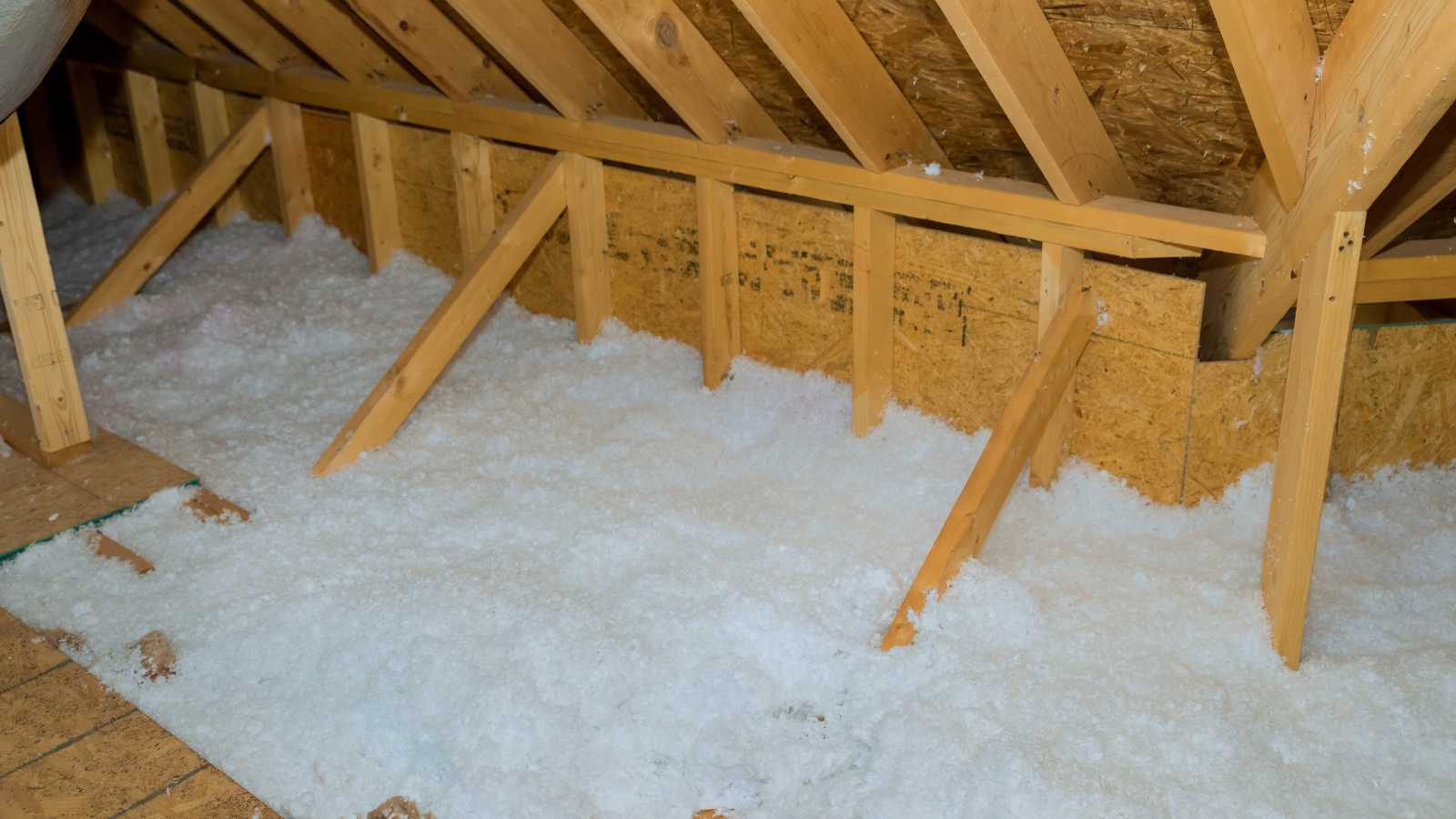
Understanding the impact of insulation on a roof’s lifespan is integral to maintaining the structural integrity of any residential or commercial building. Proper insulation not only preserves roofing materials but also contributes to overall energy efficiency. In this article, we’ll dive deep into why the choice of insulation is pivotal to your roof’s health and longevity.
The Impact of Insulation Type on Roof Lifespan
The Role of Insulation in Roof Longevity
The type of insulation used in roofing systems plays a critical role in determining the lifespan of a roof. Proper insulation minimizes moisture buildup, which is a leading cause of mold and rot. According to the U.S. Department of Energy, properly insulated homes can reduce energy costs by up to 20%, which not only saves money but also protects the roofing materials from temperature-related stress that can lead to deterioration.
Temperature regulation is another significant factor influenced by insulation type. When roofs are well-insulated, they maintain consistent temperatures that help prevent the expansion and contraction of roofing materials. This stability can extend the life of roofing systems by reducing wear and tear, ultimately contributing to a lifespan increase of 10-30% depending on the quality of insulation and installation practices.
Moisture Control and Energy Efficiency
Moisture control is essential for maintaining the structural integrity of a roof. Quality insulation acts as a barrier against moisture, significantly reducing the risk of damage from leaks and condensation. For example, homes with spray foam insulation have shown to have lower rates of moisture intrusion, which leads to longer-lasting roofs compared to those with inadequate insulation.
energy efficiency is greatly enhanced by the right insulation choice. Studies show that homes with superior insulation can reduce heating and cooling costs by approximately 30% annually. This efficiency not only makes living conditions more comfortable but also reduces the strain on roofing materials, thereby promoting longevity. For homeowners looking to optimize their roofs’ lifespan, investing in high-quality insulation is a critical step that can yield both immediate comfort and long-term savings.
5 Critical Factors Influencing Your Roof’s Longevity
1. Quality of Insulation
The quality of insulation used in your roofing system is a primary factor influencing its longevity. High-quality insulation not only regulates temperature effectively but also prevents moisture accumulation, which can lead to mold growth and structural damage. When selecting insulation, consider materials with high R-values, which indicate better thermal resistance. get the right installation, as even the best materials can underperform if not installed correctly. Rarely mentioned is the importance of air sealing in conjunction with insulation; it can significantly enhance your roof’s lifespan by preventing air leaks that compromise insulation effectiveness.
2. Roof Ventilation
Proper roof ventilation plays a major role in extending the lifespan of your roof. Ventilation helps to regulate temperature and moisture levels within the attic space, reducing the risk of heat buildup and condensation. This balance is essential for preventing damage to both insulation and roofing materials. Many homeowners overlook the need for adequate soffit and ridge vents; these are vital for facilitating airflow. An often-ignored aspect of roof ventilation is the impact of local climate; understanding how seasonal weather patterns affect ventilation needs can help in maintaining optimal conditions year-round.
3. Roofing Material Selection
The type of roofing material you choose directly influences the longevity of your roof. Materials like metal, slate, and tile can last significantly longer than traditional asphalt shingles, which typically have a lifespan of 20–30 years. When selecting roofing materials, consider factors such as durability, weight, and climate compatibility. think about the long-term maintenance needed for different materials; some may require more frequent repairs or treatments. A rarely discussed consideration is the environmental impact of roofing materials; choosing sustainable options can benefit both your roof’s longevity and the planet.
4. Climate Considerations
Understanding your local climate is essential for maximizing roof longevity. Different regions experience varying levels of humidity, temperature fluctuations, and precipitation, all of which can affect roofing materials differently. For instance, areas with heavy snowfall may require roofs designed to withstand significant weight, while regions prone to high winds might benefit from wind-resistant materials. An often overlooked factor is the microclimate around your home; landscaping choices can affect how much sunlight or shade your roof receives, potentially impacting its lifespan.
5. Regular Maintenance Practices
Regular maintenance is key to ensuring a roof lasts as long as possible. Simple tasks such as cleaning gutters, inspecting for damage, and removing debris can prevent significant issues from developing over time. Implementing a bi-annual inspection routine—ideally in spring and fall—can help catch problems early before they escalate into costly repairs. consider seasonal maintenance practices tailored to your specific climate; for example, applying a protective sealant before winter can help guard against ice dams. A lesser-known aspect of maintenance is keeping an eye on the trees surrounding your home; overhanging branches can pose risks during storms and encourage moisture buildup on your roof.
How Does Thermal Performance Affect a Roof’s Longevity?
The Importance of Thermal Performance
Thermal performance is a critical factor that directly affects a roof’s longevity. It refers to how well a roofing system can resist heat transfer, which influences the overall temperature regulation within a building. According to the U.S. Department of Energy, roofs that maintain stable temperatures can enhance energy efficiency by up to 30%. This stability helps prevent thermal stress on roofing materials, which often leads to cracking and premature aging. For example, roofs that experience extreme temperature fluctuations are more likely to suffer from material fatigue, shortening their effective lifespan.
Impact of Insulation on Thermal Performance
Insulation plays a vital role in enhancing thermal performance by minimizing heat loss in the winter and keeping homes cooler in the summer. Effective insulation makes sure that the temperature within the roof structure remains consistent, reducing the likelihood of expansion and contraction that can damage roofing materials over time. Studies indicate that homes with high-quality insulation can extend their roof’s lifespan by an average of 10–20 years compared to those with inadequate insulation. proper insulation can mitigate issues like ice dams in cold climates, which can cause significant structural damage if left unaddressed.
The Role of Reflective Roofing Materials
Another aspect of thermal performance is the use of reflective roofing materials, particularly in warmer climates. Cool roofing options, such as white or highly reflective coatings, can significantly reduce heat absorption, leading to lower rooftop temperatures. The Cool Roof Rating Council reports that reflective roofs can lower surface temperatures by up to 50°F (about 28°C) when compared to conventional materials. This reduction not only decreases cooling costs but also lessens the thermal stress on roofing systems, thereby promoting longevity. In regions with intense sun exposure, investing in reflective roofing materials can be an effective strategy for extending roof life while enhancing energy efficiency.
What Role Does Moisture Control Play in Roof Preservation?
The Significance of Moisture Control
Moisture control is paramount in preserving the integrity and longevity of a roofing system. Excess moisture can lead to various issues, including mold growth, wood rot, and deterioration of roofing materials. According to the Environmental Protection Agency (EPA), mold can begin to develop within 24 to 48 hours under damp conditions, which can significantly compromise both the roof and the building’s overall structure. Effective moisture control strategies, such as proper ventilation and high-quality insulation, can mitigate these risks and extend the life of the roof.
Preventing Structural Damage
Inadequate moisture control can lead to severe structural damage over time. When moisture accumulates in the attic or within the roofing system, it can weaken wooden supports and lead to costly repairs. For example, homes with poor ventilation are at a higher risk for ice dams during winter months; melting snow can refreeze at the eaves, causing water to back up under shingles and infiltrate the roof structure. Research indicates that addressing moisture issues can prevent up to 70% of water-related damage, emphasizing the importance of maintaining a dry environment for roof preservation.
Role of Insulation in Moisture Management
Quality insulation not only aids in thermal performance but also plays a critical role in moisture management. It acts as a barrier that helps to keep warm air inside during winter, preventing condensation from forming on cold surfaces. using vapor barriers in conjunction with insulation can further enhance moisture control by minimizing the movement of humid air into cooler areas of the roof. A study by the Building Science Corporation found that properly insulated and ventilated roofs can reduce moisture-related issues by up to 50%, showcasing the direct link between effective moisture control and roofing longevity.
Can Enhanced Energy Efficiency from Insulation Extend Roof Life?
The Connection Between Energy Efficiency and Roof Longevity
Enhanced energy efficiency from insulation can significantly extend the life of a roof. Proper insulation helps maintain stable indoor temperatures, reducing the extremes that roofing materials are subjected to throughout the year. According to the U.S. Department of Energy, homes with adequate insulation can save up to 20% on heating and cooling costs. This reduction in energy consumption not only lowers utility bills but also minimizes the thermal stress on roofing materials, which can lead to cracks and other forms of deterioration over time.
Mitigating Temperature Fluctuations
Insulation plays a major role in mitigating temperature fluctuations that roofs endure, particularly in regions with extreme weather conditions. When insulation effectively regulates the internal temperature, it reduces the expansion and contraction cycles that roofing materials experience. This cyclical stress is a leading cause of material fatigue, contributing to issues such as shingle curling and cracking. Studies have shown that roofs with better insulation can last 10–30% longer than those with inadequate insulation, highlighting the direct impact of energy efficiency on roof longevity.
Long-Term Cost Savings
Investing in high-quality insulation not only extends roof life but also results in long-term cost savings for homeowners. The initial investment in superior insulation may seem high, but the benefits often outweigh the costs. For instance, a study by the National Association of Home Builders found that improving insulation can lead to a return on investment of up to 200% through reduced energy bills and maintenance costs.
Why Is Material Durability Important for Roof Insulation?
The Importance of Material Durability
Material durability is essential for roof insulation because it directly affects the insulation’s effectiveness and the overall lifespan of the roofing system. Durable insulation materials can withstand various environmental stresses, including temperature fluctuations, moisture exposure, and physical impacts from debris or weather events. For example, fiberglass insulation, when properly installed, can last up to 50 years, while less durable options might need replacement within a decade. This longevity not only ensures consistent thermal performance but also reduces the frequency and cost of replacements, making durable materials a smart investment.
Resistance to Environmental Factors
Durability in insulation materials also plays a significant role in their resistance to environmental factors that can compromise their effectiveness. Insulation that is not resistant to moisture can absorb water, leading to mold growth and reduced thermal performance. A study by the Oak Ridge National Laboratory found that wet insulation can lose up to 60% of its insulating capability, drastically increasing energy costs and potentially leading to structural damage. Durable materials like closed-cell spray foam provide superior moisture resistance, ensuring that the insulation maintains its R-value over time and contributes to the roof’s longevity.
Impact on Overall Roofing System Integrity
The durability of insulation materials contributes significantly to the overall integrity of the roofing system. When insulation fails or degrades, it can lead to a cascade of problems, including increased energy bills, compromised roof structure, and potential health risks from mold. the National Roofing Contractors Association stresses that poorly performing insulation can lead to premature roof failure, meaning homeowners may face costly repairs or replacements much sooner than anticipated.
How Can Big Home Projects Assist in Selecting the Right Insulation for Your Roof?
Expert Guidance and Contractor Connections
Big Home Projects serves as a valuable resource for homeowners looking to select the right insulation for their roofs by providing access to a network of qualified contractors and experts. The platform features detailed profiles of various insulation specialists, complete with customer reviews, business highlights, and service offerings. This allows homeowners to compare options easily and make informed decisions based on the experiences of others. According to a survey by the National Association of Home Builders, 90% of homeowners find contractor reviews helpful when selecting a service provider, highlighting the importance of informed choices.
Access to Comprehensive Information
In addition to connecting homeowners with contractors, Big Home Projects offers a wealth of information regarding different insulation types and their benefits. The directory includes insights into materials such as fiberglass, spray foam, and cellulose insulation, allowing users to understand the performance characteristics, moisture resistance, and energy efficiency of each option. This informative content can help homeowners weigh the pros and cons of various insulation types based on their specific needs and local climate conditions. For example, in regions with high humidity, homeowners might benefit more from moisture-resistant options like closed-cell spray foam.
Tailored Recommendations and Free Estimates
Big Home Projects also gives homeowners personalized advice based on the specific needs of their projects to make sure they find the best insulation for their roofs. The platform helps users get competitive prices and make smart decisions by letting them ask for free estimates from multiple contractors. HomeAdvisor research shows that getting multiple quotes can help people save an average of 15% on home improvement projects. This feature not only lets homeowners make choices that are good for their budgets, but it also encourages them to work with local professionals who can give them personalized advice and help them install the best roofing insulation solutions.
What Are the Long-Term Cost Benefits of Applying UV-Resistant Coatings?
Protection Against UV Damage
Applying UV-resistant coatings to roofing systems offers significant long-term cost benefits by protecting the roof from sun damage and prolonging its lifespan. UV rays can degrade roofing materials over time, leading to issues such as cracking, fading, and loss of waterproofing capabilities. According to the National Roofing Contractors Association, UV damage can reduce a roof’s lifespan by as much as 50% if not properly managed. For instance, a commercial flat roof without UV protection may need replacement every 10–15 years, while one treated with a UV-resistant coating can last 20–30 years or more, potentially saving tens of thousands of dollars in premature replacement costs.
Energy Efficiency and Reduced Cooling Costs
UV-resistant coatings also enhance the energy efficiency of roofing systems, which translates into lower cooling costs for homeowners and businesses. These coatings reflect a significant portion of solar radiation, thereby reducing heat absorption and keeping building interiors cooler. The U.S. Department of Energy estimates that reflective roofing can lower energy costs by 10–30% in warm climates. For example, if a commercial building spends around $2,000 annually on cooling, applying a UV-resistant coating could save approximately $200–$600 each year, resulting in substantial savings over the coating’s lifespan.
Lower Maintenance and Repair Costs
UV-resistant coatings can help extend the life of roofs and make them more energy efficient. Over time, they can also lower the costs of repairs and maintenance. These coatings keep things from getting damaged by UV light, so they don’t need to be fixed or maintained as often. If you don’t treat your roof, it might need to be inspected and fixed every one to three years. Each visit could cost anywhere from $300 to $1,000, depending on how bad the damage is. A roof with UV protection, on the other hand, might only need maintenance every 5 to 7 years. This could save people and businesses between $600 and $3000 over time.