
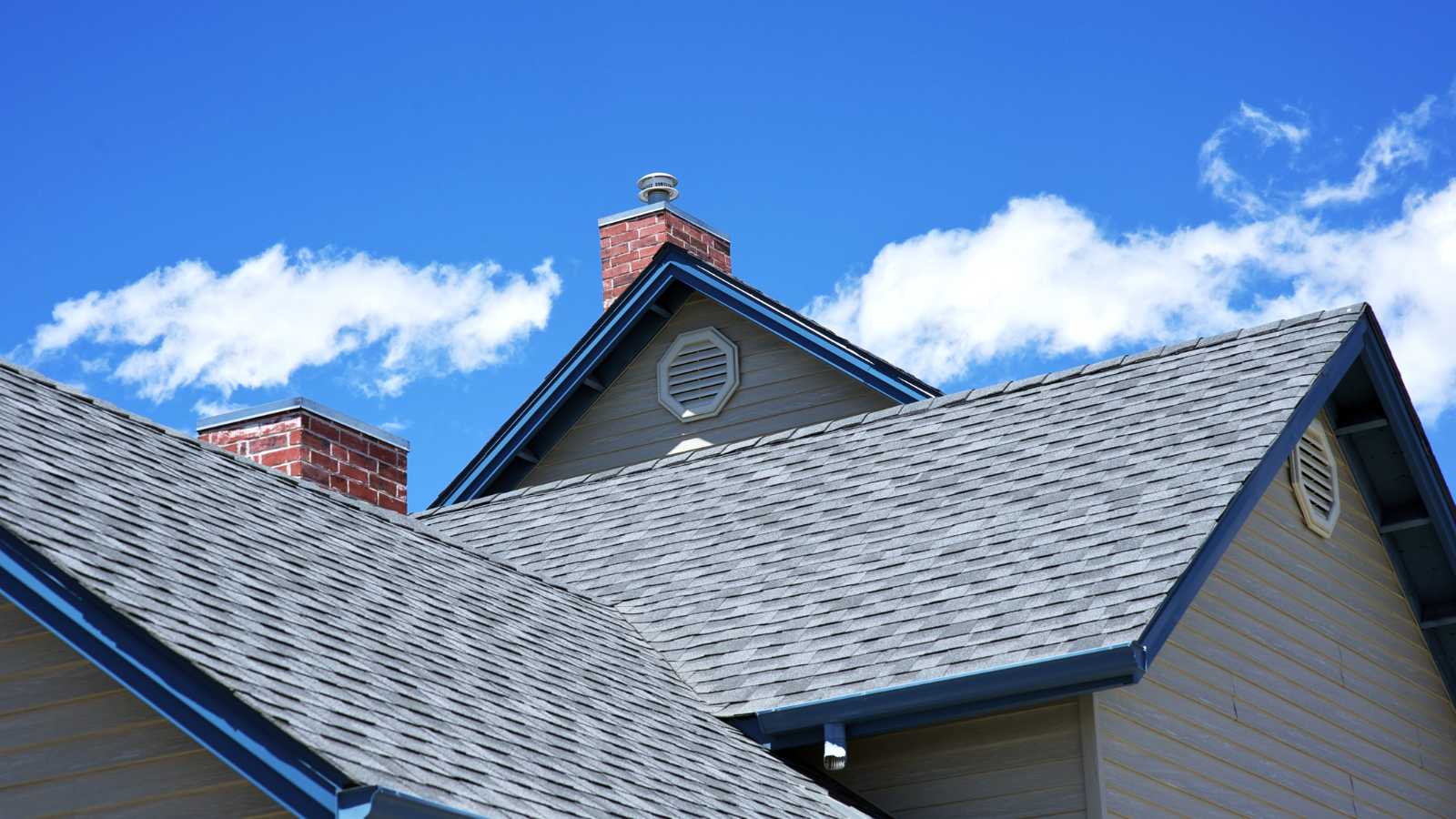
Passive heating can significantly influence the lifespan of roofing materials, affecting everything from underlayment condition to shingle integrity. Understanding these impacts is vital for homeowners looking to maximize the durability and performance of their roofs. In this article, we’ll explore how passive heating affects roof lifespan and how platforms like Big Home Projects can be instrumental in connecting homeowners with knowledgeable professionals for solutions.
The Impact of Passive Heating on Roof Lifnesspan
Passive heating can have a profound impact on the lifespan of roof materials due to the thermal stress caused by the absorption of solar radiation. Research indicates that roofs exposed to higher solar radiation levels experience more thermal expansion and contraction, leading to accelerated wear and tear over time. For instance, a study conducted by roofing experts found that roofs with poor insulation and ventilation systems are more susceptible to thermal stress, resulting in premature degradation of roofing materials. This emphasizes the importance of proper ventilation and insulation in mitigating the effects of passive heating on roof longevity.
How well a roof can handle passive heating depends a lot on the materials that are used to make it. Some roofing materials, like metal, reflect light better and keep heat out more efficiently than asphalt shingles, according to data. The overall temperature changes that roofs experience can be lessened by choosing materials that are more reflective and resistant to heat. This will make the roofs last longer. For instance, a case study that looked at different roofing materials in a hot climate showed that metal roofs kept temperatures lower and showed less thermal degradation over time than asphalt shingles. This shows how important material choice is in fighting the effects of passive heating.
5 Key Ways Passive Heating Affects Your Roof
1. Thermal Stress and Roof Lifespan
Passive heating can subject your roof to thermal stress, causing it to expand and contract with temperature fluctuations. To mitigate this stress, get the right insulation and ventilation to regulate attic temperatures effectively. consider using roofing materials with high thermal stability to minimize the impact of thermal stress on your roof’s longevity.
2. Solar Exposure and Roof Durability
How long your roof lasts is directly related to how much solar radiation it absorbs. Use passive solar design features to get the most out of the sun’s energy while keeping your roof from getting too hot. You can lower the amount of heat your roof absorbs from the sun and make it last longer by strategically placing landscaping elements or installing reflective roofing materials.
3. Material Selection for Enhanced Performance
Choosing the right roofing material is essential in managing passive heating effects. Opt for materials with high solar reflectance and thermal emittance to minimize heat absorption and extend your roof’s service life. Conduct thorough research on innovative roofing materials that offer superior resistance to thermal degradation for long-term performance benefits.
4. Ventilation Strategies for Roof Health
Proper ventilation is key to maintaining a healthy roof system under passive heating conditions. Install ridge vents, soffit vents, or attic fans to promote air circulation and prevent moisture buildup in the attic space. Regularly inspect and clean vents for the best airflow, reducing the risk of heat-related damage to your roof structure.
5. Maintenance Practices for Longevity
Regular maintenance is crucial in preserving your roof’s integrity in the face of passive heating challenges. Schedule annual inspections to identify any signs of thermal stress, such as shingle warping or cracking. Promptly address minor issues to prevent them from escalating and compromising your roof’s lifespan, ultimately saving you time and money in the long run.
How Does Passive Heating Contribute to Material Degradation?
Passive heating contributes to material degradation in roofing through the phenomenon of thermal cycling. When the roof absorbs heat during the day and cools down at night, it undergoes repeated expansion and contraction cycles. This thermal stress can weaken the roofing materials over time, leading to cracks, warping, and premature aging. Studies have shown that roofs exposed to significant passive heating experience more frequent and intense thermal cycling, accelerating material degradation processes. For example, research conducted by roofing specialists demonstrated that asphalt shingles subjected to prolonged thermal cycling exhibited reduced flexibility and increased susceptibility to cracking, highlighting the detrimental effects of passive heating on roofing materials.
Passive heating can exacerbate UV degradation in roofing materials. When roofs absorb solar radiation, they not only experience temperature fluctuations but also prolonged exposure to ultraviolet (UV) rays. UV radiation can break down the molecular structure of roofing materials, causing them to fade, become brittle, and lose their protective properties. Data indicates that roofs in sunnier climates or with high solar exposure levels are more prone to UV degradation, leading to a faster deterioration of the roof surface. For instance, a comparative analysis of roof samples in different regions revealed that roofs in areas with intense passive heating and UV exposure exhibited greater signs of discoloration and surface degradation compared to those in shaded or cooler environments, underscoring the impact of passive heating on material wear and tear.
Can proper ventilation mitigate the effects of passive heating?
Proper ventilation plays a major role in mitigating the effects of passive heating on roofs by helping to regulate attic temperatures and moisture levels. Effective ventilation systems facilitate the removal of heat buildup in the attic, reducing the overall thermal stress experienced by the roof structure. Research indicates that well-ventilated attics can lower attic temperatures by as much as 40 degrees Fahrenheit, preventing excessive heat transfer to the roofing materials and extending their lifespan. For example, a study conducted on residential roofs found that properties with adequate ventilation systems exhibited fewer instances of roof damage due to thermal stress compared to those with poor ventilation.
In addition to keeping the attic at a comfortable temperature, good ventilation helps keep moisture from building up, which can damage roofing materials even more when passive heating is present. Mold growth, wood rot, and metal parts rusting can all happen in attics that are too wet, which can weaken the roof’s structure. Ventilation systems help keep attics dry and well-ventilated by increasing airflow and lowering humidity. This lowers the risk of damage caused by moisture. Studies have shown that properties with good ventilation had fewer cases of mold growth and wood rot. This shows how important good ventilation is for keeping roofs healthy when passive heating is present.
When Should You Consider Professional Inspection for Heat Damage?
Professional inspection for heat damage should be considered under certain circumstances to ensure the structural integrity of your roof. It is best to schedule a professional inspection if you notice signs of thermal stress on your roof, such as cracked or curling shingles, blistering, or discoloration. Research suggests that prompt identification and repair of heat-related damage can prevent further deterioration and prolong the lifespan of your roofing materials. For example, a study conducted by roofing experts revealed that regular inspections enabled homeowners to address minor heat-induced issues before they escalated into costly repairs or premature roof replacements.
If your area experiences prolonged periods of high temperatures or if your roof is exposed to significant solar radiation, seeking a professional inspection for heat damage becomes essential. Extreme heat conditions can accelerate material degradation and compromise the performance of your roof over time. Statistics show that roofs in regions with intense passive heating are more susceptible to heat-related damage, underscoring the importance of proactive inspections in maintaining roof health.
Leveraging Big Home Projects for Roofing Solutions
Homeowners can use Big Home Projects to find a wide range of roofing professionals who can help them deal with the problems caused by passive heating on roofs. The platform connects a wide range of roofing contractors who are skilled at dealing with thermal stress, choosing the right materials, planning ventilation, and customizing maintenance methods to meet each client’s needs. Data shows that homeowners who use online directories like Big Home Projects get more information, customer reviews, and service options, which helps them choose roofing professionals more wisely.
Big Home Projects fosters a community-driven approach by connecting homeowners with experienced contractors who understand the nuances of passive heating impacts on roofing systems. Through the platform, homeowners can engage with contractors proficient in passive solar design, energy-efficient roofing materials, and innovative ventilation solutions to optimize roof performance. Studies have shown that collaborative platforms like Big Home Projects facilitate efficient communication between homeowners and contractors, resulting in customized roofing solutions that prioritize durability and longevity.
What Are the Long-Term Benefits of Dealing with Passive Heat Effects?
Taking care of the effects of passive heat on roofs has long-term benefits that make the roofing system last longer and work better. Homeowners can keep their roofing materials from wearing out too quickly and avoid expensive repairs or replacements in the future by properly ventilating and choosing materials that don’t react badly to heat. Studies have shown that taking proactive steps to deal with passive heating effects can save a lot of money over the life of the roof. These steps can also help make residential buildings more energy efficient and environmentally friendly.
Dealing with passive heat effects makes the roof last longer and be more resilient, protecting its structure against environmental stresses over time. Homeowners can protect their investment and enjoy a well-kept roof for years to come by doing maintenance tasks that stop damage caused by heat, like having regular inspections and repairs done on time. According to the data, homes with roofs that are designed to deal with passive heating problems have less material degradation and need fewer repairs. This means that the homes are worth more and the owners are happier.
Preventing Premature Roof Aging with Big Home Projects’ Expert Partners
Homeowners can stop their roofs from wearing out too quickly due to passive heating effects by working with expert partners through Big Home Projects. The platform puts homeowners in touch with skilled roofers who know how to use cutting edge techniques to fight thermal stress, make materials last longer, improve ventilation systems, and carry out custom maintenance plans. According to research, hiring experienced contractors through online directories like Big Home Projects greatly lowers the risk of roofs aging faster than they should. This is because these professionals have the knowledge and tools to properly deal with passive heat impacts.
Big Home Projects’ expert partners offer innovative solutions and industry best practices to prolong the lifespan of residential roofs, ensuring long-term durability and performance. Through partnerships with reputable roofing contractors, homeowners can access cutting-edge technologies, energy-efficient materials, and sustainable roofing solutions designed to withstand the rigors of passive heating challenges. Studies have shown that properties serviced by skilled roofing professionals experience fewer instances of premature aging and require fewer repairs or replacements over time, leading to increased property value and homeowner satisfaction.
Do climate and seasonal changes affect the roof-humidity relationship?
Climate and seasonal changes can indeed impact the roof-humidity relationship, influencing the moisture levels within the roofing system. In regions with varying climates, seasonal shifts can lead to fluctuations in humidity levels, affecting the attic environment and potentially causing condensation or moisture buildup within the roof structure. Research indicates that higher humidity levels during warmer seasons can exacerbate moisture-related issues in poorly ventilated attics, leading to mold growth, wood decay, and structural damage over time. For example, a study examining the effects of seasonal humidity variations on roof integrity found that properties in humid climates experienced more frequent instances of moisture accumulation and subsequent roof deterioration compared to those in drier regions.
Climate plays a significant role in determining the overall moisture balance in the roof system, with factors such as temperature, precipitation, and humidity levels influencing the rate of evaporation and condensation within the attic space. In regions prone to extreme weather patterns or high humidity levels, roofs are more susceptible to moisture infiltration and retention, posing challenges for ventilation and moisture control measures. Data suggests that properties located in humid climates or areas with significant temperature variations may experience greater fluctuations in roof humidity levels throughout the year, highlighting the need for tailored ventilation systems and maintenance practices to mitigate potential moisture-related damage.