
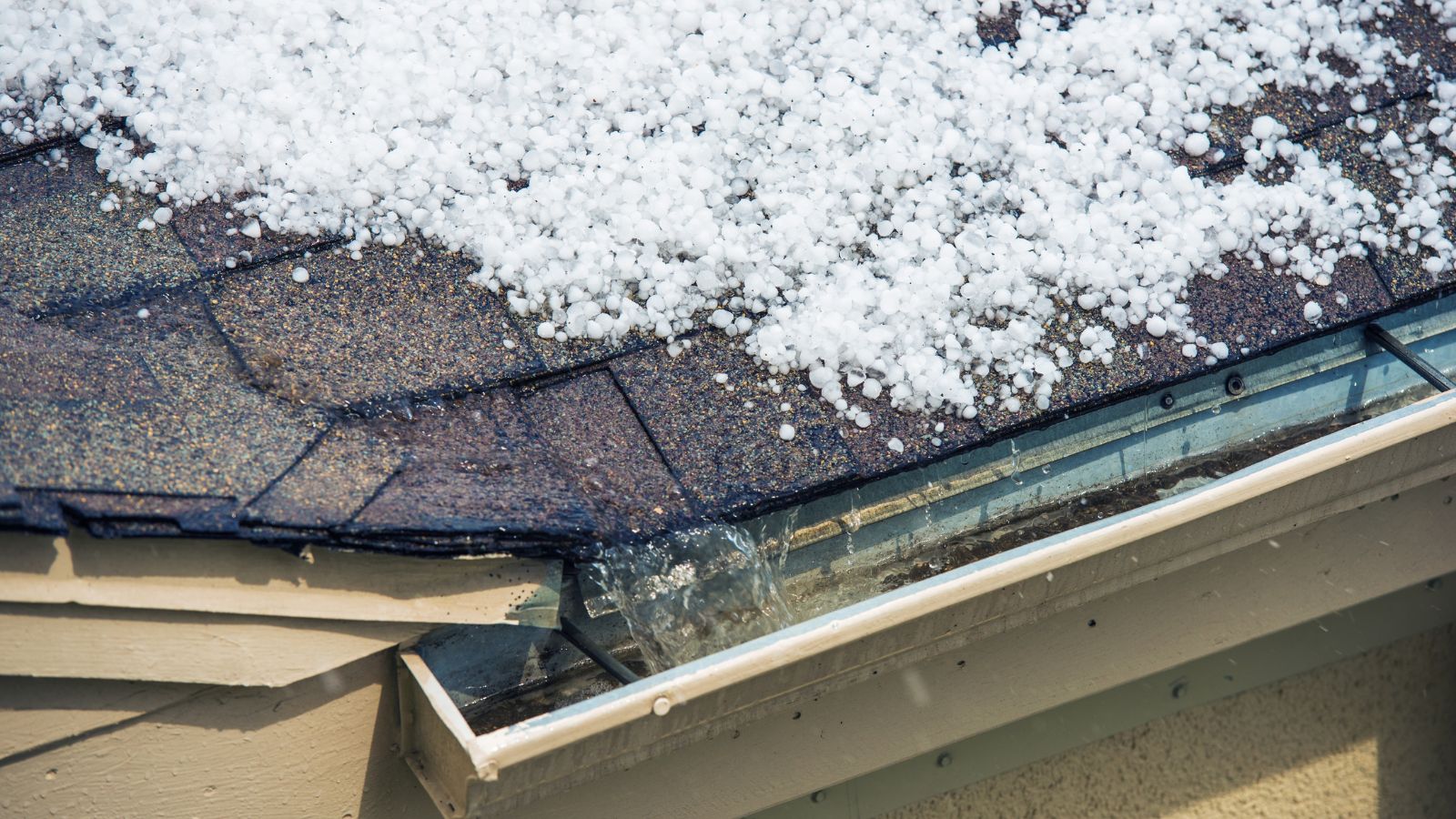
Snow area ratings play a big role in determining the resilience and durability of roofs, especially in regions prone to heavy snowfall. The weight and frequency of snow can significantly impact the structural integrity and performance of roofing materials over time. In this article, we will explore how snow area ratings influence the longevity of a roof and what homeowners can do to mitigate potential damage.
The Impact of Snow Area Ratings on the Lifespan of a Roof
Snow area ratings have a significant impact on the lifespan of a roof due to the weight and density of snow accumulating on the roof’s surface. The slope of the roof plays a major role in shedding snow efficiently to prevent excessive weight buildup. For instance, roofs with steeper slopes can shed snow more quickly, reducing the risk of structural damage caused by heavy snow loads. the material of the roof also plays a vital role in its resilience against snow. Metal roofs, for example, are known for their durability in withstanding heavy snow loads compared to other roofing materials, contributing to a longer roof lifespan in snowy areas.
In areas that get a lot of snow, a roof will last longer if it is installed correctly and maintained regularly. Having enough insulation and ventilation keeps heat and moisture from building up, which can speed up the roof’s wear and tear over time. Property owners can effectively control how snow area ratings affect the lifespan of their roofs by focusing on these important factors. Homeowners need to be aware of these things in order to protect their roofs from damage that could come from heavy snowfall. This will help their roofs last longer and cost less to maintain in the long run.
5 Key Factors to Consider When Evaluating Snow Loads on Your Roof
1. Roof Slope
When evaluating snow loads on your roof, the slope of the roof is a critical factor to consider. A steeper roof slope allows snow to slide off more easily, reducing the weight and stress on the roof structure. One often overlooked aspect is that modifying the slope of your roof might not always be feasible due to architectural constraints, but it’s worth exploring options with a professional contractor to improve snow -shedding efficiency.
2. Snow Density
The density of snow on your roof can significantly impact the overall snow load. Wet, heavy snow weighs more than dry, fluffy snow, putting additional strain on the roof. One actionable tip is to monitor weather forecasts for snow density predictions to better prepare for potential roof stress and consider removing heavy, wet snow quickly to prevent damage.
3. Roof Material
The type of roofing material used can greatly influence how well your roof withstands snow loads. Different materials have varying levels of resilience to heavy snow accumulation. For example, metal roofs are known for their durability against snow loads, providing enhanced protection for homes in snowy areas. When evaluating snow loads, consider the benefits of durable roofing materials to increase the longevity of your roof.
4. Installation Quality
Proper installation of your roof is vital in ensuring it can withstand heavy snow loads. Basic installation mistakes can compromise the structural integrity of the roof and shorten its lifespan. To avoid potential issues, work with reputable contractors who have experience in installing roofs in snowy regions to guarantee a secure and durable roofing system.
5. Maintenance
Regular maintenance is key to preserving your roof’s lifespan in snowy areas. Inspecting your roof for any signs of damage or stress from snow loads and quickly addressing them can prevent costly repairs down the line. maintaining proper ventilation and insulation in your attic can help regulate temperatures and prevent ice dams that can further strain your roof during winter months.
How Do Snow Area Ratings Affect Roof Design and Material Choices?
Snow area ratings significantly influence roof design and material choices by necessitating structures that can withstand heavy snow loads while maintaining durability. In regions prone to heavy snowfall, architects and engineers must consider factors such as roof slope, structural support, and material resilience when designing roofs. For instance, buildings in areas with high snow area ratings often feature steeper roof slopes to facilitate snow shedding and reduce the risk of structural damage caused by snow accumulation. material choices play a big role in determining a roof’s ability to withstand snow loads. Metal roofing, for example, is a popular choice in snowy regions due to its durability and resistance to heavy snow loads.
Snow area ratings also impact the selection of roofing materials based on their weight-bearing capacity and maintenance requirements. Roof designs in areas with high snow area ratings may incorporate additional structural reinforcements to support the increased weight of snow accumulation. Roof materials with higher snow load capacities, such as certain types of asphalt shingles or clay tiles, are often chosen so that the longevity and safety of the roof in snowy conditions.
Identifying Vulnerabilities in Roofs Due to Snow Accumulation
Snow accumulation on roofs can lead to various vulnerabilities that homeowners should be aware of to prevent potential damage. One common vulnerability is the formation of ice dams, which occur when snow melts and refreezes at the roof’s edge, blocking proper drainage. This can result in water seeping under shingles, causing leaks, and compromising the roof’s integrity. heavy snow loads can put excessive strain on the roof structure, leading to issues such as sagging or even roof collapse in extreme cases. According to studies, snow-related roof collapses account for a significant portion of winter-related structural failures, emphasizing the importance of identifying vulnerabilities in roofs due to snow accumulation.
Another vulnerability associated with snow accumulation is the risk of roof leaks and water damage. As snow melts, water can infiltrate the roof through cracks, gaps, or compromised areas, leading to interior water damage and mold growth. the weight of accumulated snow can cause stress on the roof, especially if it exceeds the recommended snow load capacity for the structure. Homeowners should regularly inspect their roofs for signs of vulnerability, such as sagging areas, water stains on ceilings, or icicles forming at the roof’s edge, to address potential issues quickly and protect their homes from snow-related damage.
How Can Big Home Projects Assist in Finding Qualified Roofing Contractors in Snow-Prone Areas?
As an extensive website directory for contractors, Big Home Projects can be a useful tool for homeowners in snowy areas looking for qualified roofers. Homeowners can easily find contractors who can inspect, fix, or replace roofs that have been damaged by heavy snowfall by using the platform’s large database of roofing professionals who know how to deal with snow-related issues. The site’s customer reviews and business highlights give homeowners information about contractors’ skills and specialties, which helps them choose a roofing contractor for an area that gets a lot of snow.
Big Home Projects gives contractors a way to show off their experience working in areas that get a lot of snow. They can show how well they know the local weather and the best ways to handle snow loads. The contractors on the site can explain how they handle roofing problems caused by snow, like using the right insulation and ventilation methods to avoid ice dams and structural damage. Big Home Projects connects homeowners with qualified roofing contractors. This way, people who live in areas that get a lot of snow can access a network of professionals who know how to deal with the unique problems that come up when heavy snow piles up on roofs, making sure that their roofing systems last as long as possible and are strong.
The Role of Regular Maintenance in Extending the Life of a Snow-Rated Roof
Regular maintenance plays a major role in extending the lifespan of a snow-rated roof by addressing potential issues before they escalate and ensuring the roof remains structurally sound in challenging weather conditions. Periodic inspections allow homeowners to identify and rectify minor damages caused by snow accumulation, such as loose shingles, ice dams, or clogged gutters, preventing more significant problems down the line. Studies have shown that proactive maintenance can significantly reduce the likelihood of roof failures due to snow-related stress, highlighting the importance of regular upkeep in preserving the integrity of snow-rated roofs.
Regular maintenance not only fixes immediate problems, but it also helps homeowners get the most out of their roofs in snowy areas by making sure the ventilation, insulation, and drainage systems work properly. Homeowners can keep their attics well-ventilated and prevent heat loss through insulation, which lowers the chance of ice dams forming and keeps their roofs safe from damage caused by water in the winter. Regular maintenance can make roofing materials last longer by finding early signs of wear and tear. This way, repairs or replacements can be made quickly, preventing expensive damage from snow loads. Regular maintenance for snow-rated roofs can make them last longer and cost less to fix over time.
Updating Your Roof for Enhanced Snow Load Capacity: Insights from Big Home Projects
When homeowners are thinking about updating their roof to better handle snow loads, Big Home Projects’ advice can be very helpful in finding reputable contractors who have experience installing snow-rated roofs. Homeowners can find contractors who can evaluate and improve a roof’s ability to withstand heavy snow loads by using the platform’s directory of roofing professionals with experience in snowy areas. When contractors are listed on Big Home Projects, they often talk about how experienced they are with snow load management techniques. For example, they might suggest good roofing materials and strengthen structural elements to make a roof more durable in snowy weather.
Big Home Projects gives homeowners the chance to look at different roofing options that can help their roofs handle more snow. For example, they can install snow guards, improve the insulation, or switch to roofing materials that last longer. Contractors on the platform may be able to tell homeowners about the newest developments in snow-rated roof design and construction. This can help homeowners make smart choices when they need to update their roofs to handle more snow. Using the tools on Big Home Projects, homeowners can turn their roofs into strong structures that can handle the problems that come with heavy snowfall. This will protect their homes and make their roofs last longer in areas that get a lot of snow.
Preventative Measures to Take Before the Snow Season Begins
- Schedule a Professional Roof Inspection: Before the snow season begins, it’s essential to have a qualified roofing contractor conduct a thorough inspection of your roof. This inspection can help identify any existing issues, such as loose shingles, damaged flashing, or inadequate insulation, that could be exacerbated by heavy snow loads. For example, a professional inspection can detect weak spots in the roof where snow accumulation may pose a risk.
- Ensure Proper Roof Ventilation and Insulation: Adequate roof ventilation and insulation are critical in preventing ice dams and moisture buildup on your roof during the winter months. Proper ventilation helps regulate temperature and moisture levels in the attic, reducing the likelihood of ice dams forming along the roof’s edge.
- Trim Overhanging Tree Branches: Trim any overhanging tree branches near your roof before the snow season to prevent them from accumulating heavy snow and potentially damaging your roof. Snow-laden branches can pose a risk of falling onto the roof under the weight of snow, causing structural damage or puncturing the roof surface.
- Clean Gutters and Downspouts: Clearing gutters and downspouts of debris before the snow season begins is crucial in ensuring proper drainage of melting snow and preventing ice dams. Clogged gutters can lead to water backup, which can seep under shingles and cause leaks or damage to the roof structure. Regular gutter maintenance can help prevent water-related issues and maintain the integrity of your roof throughout the snowy season.
- Consider Installing Snow Guards or Snow Rails: Installing snow guards or snow rails on your roof can help prevent sudden snow slides and reduce the risk of snow accumulation in concentrated areas. Snow guards distribute the weight of snow more evenly across the roof, minimizing the chances of sudden avalanches that could damage gutters or pose a safety hazard.
How do you ensure accurate Analysis for Effective Roof Maintenance?
Ensuring accurate signal analysis is essential for effective roof maintenance, especially in snow-prone areas where timely detection of potential issues can prevent costly damage. Utilizing advanced technologies such as drones equipped with thermal imaging cameras can provide detailed insights into the condition of the roof, including areas of heat loss or moisture infiltration that may lead to ice dams or roof leaks. These tools can detect temperature differentials on the roof surface, indicating areas of concern that require further inspection or maintenance. Studies have shown that thermal imaging technology can improve the accuracy of roof assessments by identifying hidden issues that may not be visible to the naked eye, enabling proactive maintenance measures to be taken.
Using moisture detection devices along with thermal imaging can help with accurate signal analysis for better roof maintenance in places that get a lot of snow. Moisture meters can find places where water is stuck in the roof structure. This can weaken the roof over time, allowing mold to grow or causing structural damage. Using moisture detectors during regular roof inspections helps homeowners and contractors find problem areas quickly and take steps to avoid problems that might be caused by snow. Using these new technologies in roof maintenance can improve the accuracy of signal analysis. This lets you plan proactive maintenance that extends the life of snow-rated roofs and lowers the risk of damage from snow.