
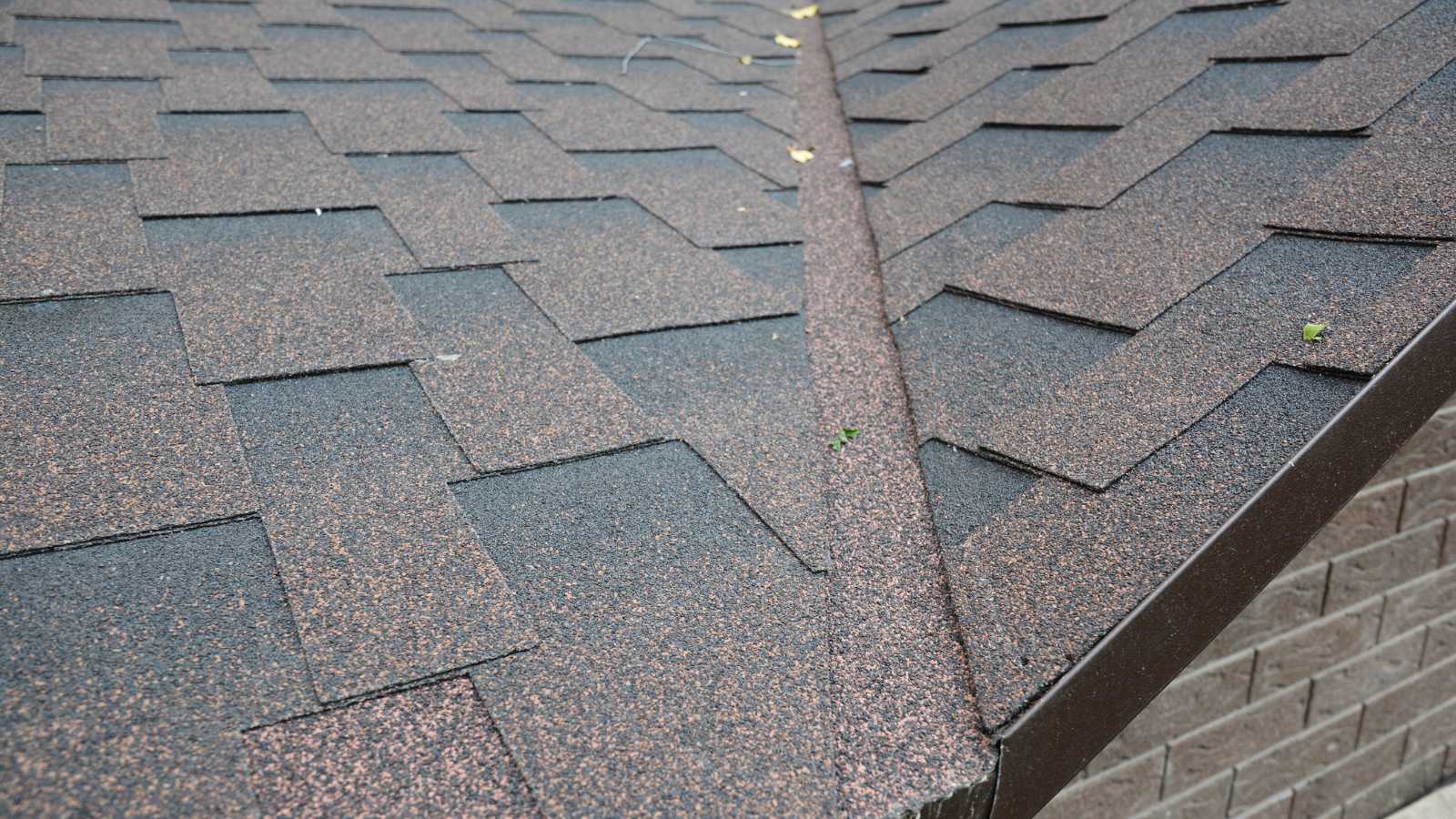
When it comes to maintaining a home’s value and ensuring its longevity, few areas are as critical as the roof. In particular, roof valley flashing—an essential component designed to prevent water from penetrating the roof’s crevices—demands careful attention. In this article, we’ll delve into why inspecting this often-overlooked aspect of roofing can significantly impact your home’s depreciation rate, helping you safeguard against costly repairs and maintain your property’s market value.
The Importance of Inspecting Roof Valley Flashing for Decreased Depreciation
Regular inspection of roof valley flashing is essential for minimizing roof depreciation. Studies show that water intrusion due to faulty flashing is a leading cause of roof leaks, which can lead to extensive damage and costly repairs. Homeowners may extend the life of their roofs and stop future deterioration by performing routine inspections to find and fix problems early.
Maintaining the roof valley flashing properly can also help to keep the overall property’s structural integrity intact. According to statistics, a properly fitted flashing system and a well-maintained roof can add up to 5% to a home’s resale value. Well-maintained roofs reduce the likelihood of water damage insurance claims, which ultimately saves homeowners money on premiums. Over time, protecting the property and its value can be achieved by devoting time and resources to the inspection and maintenance of roof valley flashing.
5 Key Steps to Protect Your Home Investment
1. Regular Inspections
Regular inspections of your roof, focusing on the roof valley flashing, are essential to catch any issues early and prevent costly repairs down the line. During inspections, pay close attention to signs of wear and tear, such as cracked or missing shingles, damaged flashing around chimneys or vents, and clogged gutters. Try using a drone for a bird’s-eye view to check hard-to-reach areas and make sure a thorough assessment is made.
2. Proper Installation
Ensuring correct installation of the valley flashing is key to its effectiveness in protecting your home. Make sure the flashing is securely attached and free of any debris that could impede its function. Try using ice and water shield membranes in regions prone to heavy rainfall or snow accumulation for added protection against water infiltration.
3. Regular Maintenance
Regular maintenance of your roof and valley flashing is essential for preserving your home’s value and preventing depreciation. Schedule annual inspections by a professional roofer to detect any issues early and address them quickly. Keep trees trimmed to prevent debris buildup on the roof, which can accelerate wear on the flashing.
4. Invest in Insurance Coverage
Investing in proper insurance coverage for your property, including the roof, is a smart way to protect your investment. Just make sure that your policy covers potential roof damage due to issues like faulty flashing or leaks. Review your insurance coverage annually to make any necessary adjustments based on changes in your property or local weather patterns.
5. Understand Long-term Implications
Educate yourself on the long-term implications of roof maintenance and the role of valley flashing in protecting your home. Consider attending workshops or seminars on roofing best practices to stay informed about the latest trends and technologies in roof protection.
What Does Roof Valley Flashing Do?
Roof valley flashing plays a major role in protecting a home from water infiltration and leaks. This specialized metal flashing is installed in the valleys where two roof planes meet, creating a waterproof barrier that directs rainwater away from vulnerable areas. Without proper valley flashing, water can accumulate in these valleys, leading to moisture penetration and potential damage to the roof structure and interior of the home. Studies have shown that up to 90% of roof leaks are caused by issues related to flashing, highlighting the significance of this component in maintaining a watertight roof.
Adding roof valley flashing protects the roof from the weather, which makes the roof last longer. The flashing keeps water from gathering and lowers the possibility of leaks by diverting water away from important intersections like vents, skylights, and chimneys. Installing and maintaining valley flashing correctly can greatly lower a home’s risk of structural problems, mold growth, and water damage. The integrity of roofs can be preserved and expensive repairs can be avoided over time by homeowners who prioritize routine inspections and maintenance of their roof valley flashing.
How Often Should You Inspect Your Roof Flashing?
Regular inspections of roof flashing, including the roof valley flashing, are recommended at least twice a year to ensure early detection of any potential issues. It’s advisable to conduct inspections in the spring and fall, when weather conditions are milder and easier to work in. after severe weather events such as storms or heavy rainfall, it’s essential to check the flashing roof for any signs of damage or displacement.
Industry experts suggest that homeowners schedule professional roof inspections every 3–5 years to assess the overall condition of the roof system, including the flashing. These periodic inspections can help identify minor problems before they escalate into major issues, saving homeowners from costly repairs. In regions with extreme weather conditions, such as frequent hailstorms or heavy snowfall, more frequent inspections may be necessary so that the flashing remains intact and effective.
Identifying Signs of Wear and Tear on Your Roof Flashing
Identifying signs of wear and tear on roof flashing is essential for maintaining the integrity of your roof. Look for visible cracks, rust, or corrosion on the flashing material, as these can indicate deterioration and compromise its effectiveness in preventing water intrusion. Another common sign of wear is loose or missing flashing, which can allow water to seep into the roof structure and cause damage over time.
Pay attention to areas where the flashing meets other roofing materials, such as shingles or vents, as gaps or separations can signal potential issues with the flashing seal. Water stains on ceilings or walls inside the home may also indicate a leak caused by damaged flashing. It’s important to address any signs of wear and tear quickly to prevent further damage and maintain the waterproofing integrity of your roof. Regular inspections and vigilance in identifying these warning signs can help homeowners protect their investment and avoid costly repairs in the future.
The Consequences of Neglecting Roof Valley Flashing
- Increased Risk of Water Damage: Neglecting roof valley flashing can lead to water penetration, causing leaks and potential structural damage to the roof and interior of the home. Over time, water infiltration can weaken the roof decking, insulation, and even the walls, resulting in costly repairs and compromised structural integrity. For example, prolonged neglect of damaged flashing can result in mold growth due to moisture accumulation, posing health risks to occupants.
- Reduced Lifespan of the Roof: Failure to maintain roof valley flashing can shorten the lifespan of the entire roof system. Without proper flashing to redirect water away from vulnerable areas, constant exposure to moisture can accelerate the deterioration of roofing materials and components. For instance, neglected flashing can lead to premature degradation of shingles, underlayment, and roof decking, necessitating early replacement of the entire roof.
- Diminished Property Value: Neglected roof valley flashing can impact the overall value of the property. Potential buyers may perceive a poorly maintained roof with damaged flashing as a red flag for potential water damage issues. A roof with neglected flashing may deter buyers or decrease the resale value of the home. Ensuring proper maintenance of roof valley flashing is essential for preserving the property’s value and market appeal.
How to Find a Trusted Contractor for Roof Flashing Inspection
Finding a trusted contractor for roof flashing inspection involves thorough research and vetting to ensure quality workmanship and reliable service. Start by seeking recommendations from friends, family, or neighbors who have had positive experiences with roofing contractors. Online review platforms and industry-specific directories like Big Home Projects can also provide valuable insights into reputable contractors in your area.
When selecting a contractor, verify their credentials, such as licenses, insurance coverage, and certifications, so that they meet industry standards for quality and professionalism. Request references from past clients and inquire about the contractor’s experience in roof flashing inspections and repairs. Look for contractors who offer free estimates and transparent pricing to avoid hidden costs or surprises during the inspection process.
Leverage Big Home Projects for Your Roofing Needs
Big Home Projects is a comprehensive website directory that offers a wide range of services, including roofing contractors, for homeowners seeking reliable and reputable professionals. Homeowners can choose from a wide range of roofing professionals who specialize in roof inspections, repairs, and upkeep by using Big Home Projects. The website gives homeowners useful details about each contractor, such as client testimonials, company highlights, services rendered, and certifications, enabling them to choose a contractor with confidence for their roofing requirements.
Research indicates that homeowners who use internet directories such as Big Home Projects have a higher chance of discovering reliable contractors that can accommodate their unique needs and financial limitations. Big Home Projects provides a one-stop shop for all roofing needs with features including free estimates, business verifications, and a community forum for networking and experience sharing. Homeowners may expedite the process of locating a reliable contractor for their roofing projects and ensure high-quality craftsmanship for their investment by utilizing the tools and information offered by Big Home Projects.