
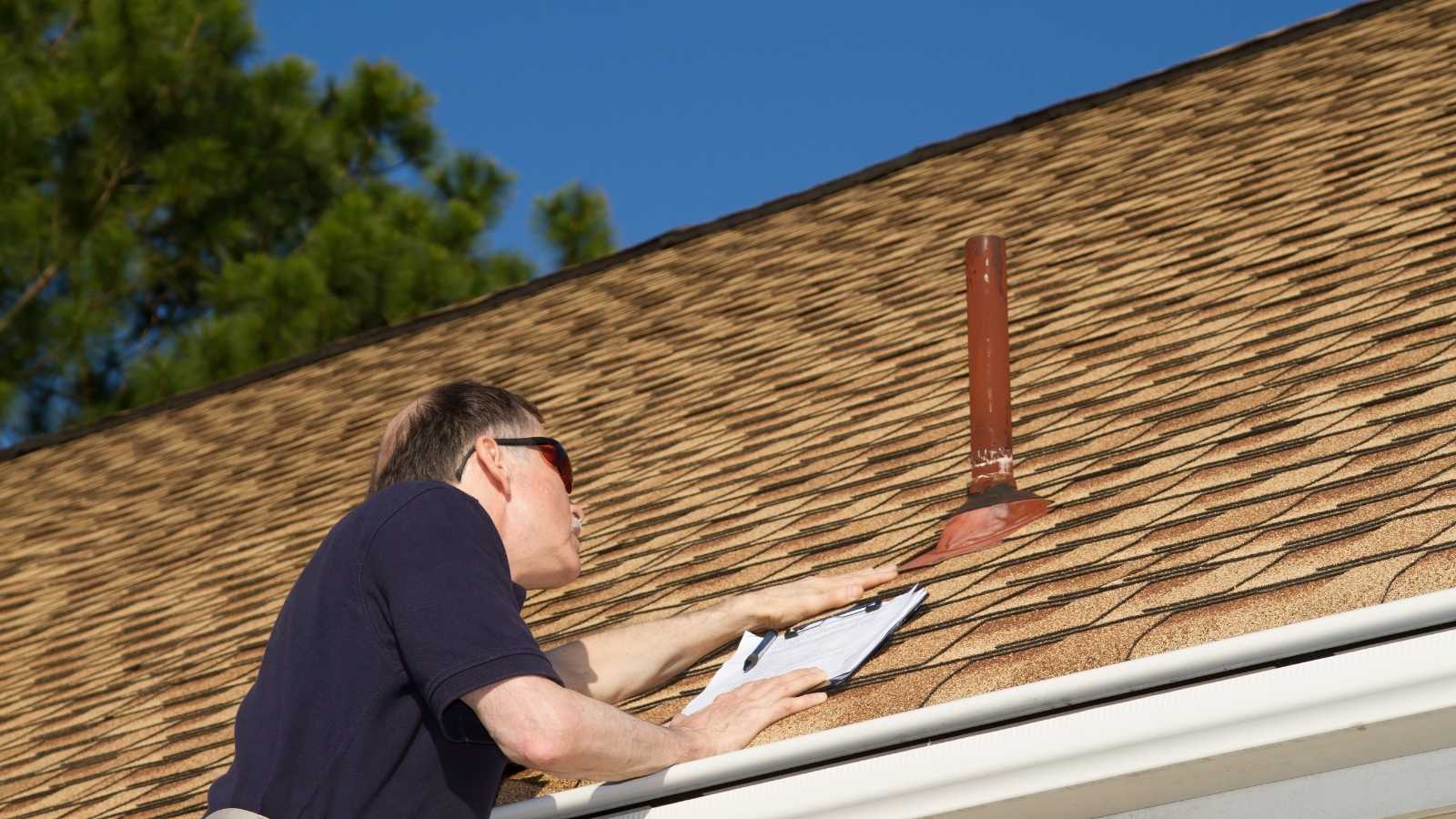
Roof boots, often overlooked in regular home maintenance, play a critical role in maintaining the integrity of your roofing system. These components ensure a watertight seal around vent pipes, preventing water intrusion that can lead to significant damage. In this article, we dive into the importance of replacing roof boots for prolonging your roof’s lifespan and how Big Home Projects can assist homeowners in finding the right professionals for the job.
The Importance of Roof Boot Replacement in Prolonging Roof Lifespan
Roof boots are essential components that often go unnoticed in home maintenance, yet their role in maintaining roof integrity cannot be overstated. These fittings are designed to create a watertight seal around roof penetrations, such as vent pipes, preventing water from seeping into your home. According to the National Roofing Contractors Association (NRCA), approximately 80% of roof leaks occur at penetrations, underscoring the importance of roof boots in safeguarding against water intrusion and extending the lifespan of the roofing system.
Neglecting roof boot replacement can lead to significant issues that are both costly and damaging. For instance, moisture infiltration can result in mold growth, which affects indoor air quality and poses health risks to occupants. In fact, the Environmental Protection Agency (EPA) estimates that mold can begin to develop within 24 to 48 hours of water exposure, leading to potential health problems and structural damage.
Roof boots contribute to energy efficiency by ensuring proper insulation around roofing penetrations. A well-sealed roof can reduce energy costs by 10% to 30%, according to the U.S. Department of Energy. This not only helps maintain comfortable indoor temperatures but also reduces the workload on heating and cooling systems, prolonging their lifespan and saving homeowners money in the long run. Utilizing resources like Big Home Projects can connect homeowners with experienced roofing contractors who can assess and replace roof boots, ensuring optimal protection against leaks and maximizing the overall health of the roofing system.
5 Reasons Why Replacing Your Roof Boot is Essential
1. Waterproofing Integrity
Replacing your roof boot is essential for maintaining the waterproofing integrity of your roof. A well-installed roof boot creates a tight seal around roof penetrations, preventing water from infiltrating your home. It’s important to regularly inspect roof boots for signs of wear, such as cracking or discoloration, as these can compromise the seal. consider using high-quality materials that are resistant to UV rays and extreme weather conditions, which can extend the lifespan of your roof boot and provide better protection against leaks.
2. Prevention of Mold and Mildew Growth
A compromised roof boot can lead to moisture intrusion, creating an environment conducive to mold and mildew growth. Mold can develop within just 24-48 hours of water exposure, posing health risks to occupants and leading to costly remediation efforts. To prevent this, homeowners should not only replace worn or damaged roof boots quickly but also consider applying mold-resistant coatings to new installations. This added layer of protection can help inhibit mold growth in the long term, ensuring a healthier indoor environment.
3. Enhanced Energy Efficiency
Replacing your roof boot can significantly improve your home’s energy efficiency by reducing air leaks around vent pipes. When air escapes through poorly sealed penetrations, heating and cooling systems must work harder to maintain comfortable indoor temperatures, leading to higher energy bills. Homeowners should also consider conducting a comprehensive energy audit to identify other areas of air leakage in their homes.
4. Protection Against Pest Infestation
Mice and other pests may try to get in through holes in the roof where the walls meet the ceiling. If you seal the roof boot well, they won’t be able to get in. Not only will new boots make your roof more waterproof, but they will also make it less likely that bugs will get in and do more damage. Also, you should check your attic and other weak spots often for signs of pests. To keep animals out even more, you can take preventative steps like filling in small gaps and cutting back plants near the house.Changing the roof boot.
5. Increased Property Value
Investing in roof boot replacement can contribute to an increase in your property’s overall value. Potential buyers are often concerned about the condition of a home’s roofing system, and knowing that the roof boots have been recently replaced provides assurance that the home has been well-maintained. When planning a sale, consider documenting the maintenance performed on the roof, including receipts and photographs of the new installations. This transparency can help build trust with prospective buyers and potentially lead to a higher sale price for your home.
How Can Big Home Projects Help You Find the Right Roofing Contractor?
Big Home Projects serves as a comprehensive directory that connects homeowners with qualified roofing contractors tailored to their specific needs. With a wide array of professionals listed, homeowners can easily filter contractors based on their expertise, location, and customer reviews. According to the Better Business Bureau, 70% of consumers trust online reviews as much as personal recommendations; thus, the availability of customer feedback on Big Home Projects can significantly aid homeowners in making informed decisions.
Big Home Projects offers detailed business profiles that include important information such as years of experience, services offered, and any promotions or discounts available. This level of transparency allows homeowners to compare various contractors side by side to find the best match for their roofing project. For example, if a homeowner is looking for a contractor specializing in roof boot replacement, they can quickly identify professionals who emphasize this service in their profiles, streamlining the selection process and ensuring they choose a contractor with the right expertise.
The platform facilitates direct communication between homeowners and contractors through features like email and messaging options, making it easier to discuss project specifics and get estimates. This direct access not only fosters better communication but also allows homeowners to gauge the responsiveness and professionalism of potential contractors.
What Are the Signs You Need to Replace Your Roof Boot?
- Cracks or Tears in the Boot Material: Inspect your roof boots for visible cracks or tears. These imperfections can develop over time due to exposure to UV rays, extreme temperatures, and weather conditions. For instance, if you notice cracks around the base where the boot meets the roof surface, this can lead to water seepage, which may result in leaks and subsequent damage to your roofing structure and interior spaces.
- Discoloration or Fading: A significant change in color or fading of the roof boot material can indicate deterioration. Many roof boots are made from rubber or plastic that can degrade under prolonged sun exposure; this degradation weakens the structural integrity of the boot. If the boot appears discolored or brittle, it is a strong sign that it may no longer provide the necessary watertight seal, prompting a replacement to prevent leaks.
- Visible Gaps Between Boot and Roof Surface: If you can see gaps forming between the roof boot and the surrounding shingles or roofing material, this is a clear indication that the boot has lost its seal. Such gaps can allow water and debris to enter, increasing the risk of water damage and pest infiltration. Regular visual inspections should include looking for these gaps, particularly after severe weather events.
- Presence of Mold or Mildew: Finding signs of mold or mildew around the area where the roof boot is installed can indicate moisture intrusion, often a direct result of a failing boot. Mold can begin to form in as little as 24 to 48 hours after water exposure, leading to health risks for occupants and costly remediation efforts. If you see mold growth near the roof boot or in your attic, it’s best to investigate and potentially replace the boot immediately.
- Water staining on ceilings or walls: Water stains inside your home, particularly on ceilings or walls near roof penetrations, suggest that water is entering through compromised roof boots. These stains can be an early warning sign of a leak that needs urgent attention. Dealing with leaks quickly not only prevents further damage but can also save homeowners from expensive repair costs associated with water damage and mold growth.
- Age of the Roof Boot: If your roof boots are older than 10–15 years, it may be time for a replacement, regardless of their current condition. Many roofing materials have a lifespan that correlates with the overall lifespan of the roofing system. Aging materials are more susceptible to wear and tear, so even if they appear intact visually, they may not function effectively in sealing against water intrusion.
- Frequent Roof Maintenance Issues: If you find yourself frequently dealing with maintenance issues related to leaks or water damage near roof penetrations, it may be a sign that your roof boots need replacing. Continuous problems in these areas can indicate that the existing boots are not performing as intended. Keeping a log of maintenance issues can help you identify patterns that point to underlying problems with your roof boots.
- Unusual Odors in Attics or Upper Levels: Unpleasant odors in your attic or upper living spaces can indicate moisture buildup due to leaks from compromised roof boots. These smells often result from mold or mildew thriving in damp conditions, which can also affect air quality. If you detect musty odors, it’s essential to investigate potential sources of moisture, including inspecting roof boots for failure signs.
Preventative Measures: Maintaining Your Roof to Avoid Premature Replacement
Maintaining your roof through regular inspections and preventative measures is crucial in avoiding premature replacement. According to the National Roofing Contractors Association, regular maintenance can extend the lifespan of a roof by up to 50%. Homeowners should schedule professional inspections at least twice a year, ideally in the spring and fall, to check for signs of wear, such as missing shingles, damaged flashing, or deteriorating roof boots. This proactive approach allows for early detection of potential issues, ultimately saving homeowners from costly repairs or replacements down the line.
In addition to professional inspections, homeowners can take several steps to maintain their roofs effectively. Keeping gutters and downspouts clear of debris is essential for proper water drainage, as clogged gutters can lead to water pooling on the roof and causing damage. The American Society of Home Inspectors recommends cleaning gutters at least twice a year to prevent such issues. trimming overhanging branches can reduce the risk of damage from falling limbs and minimize debris accumulation on the roof, contributing to its durability.
Another important preventative measure is ensuring that attic ventilation is adequate. Proper ventilation helps regulate temperature and moisture levels in the attic, preventing issues such as ice dam formation in winter and excessive heat buildup in summer. The U.S. Department of Energy suggests that roofs should have a balanced ventilation system to allow for sufficient airflow, which can significantly enhance a roof’s performance and lifespan.
The Cost-Benefit Analysis of Roof Boot Replacement
When considering the cost of roof boot replacement, homeowners must weigh the immediate expenses against the long-term benefits. On average, the cost to replace a roof boot can range from $150 to $400, depending on factors such as location, contractor rates, and the complexity of the installation. This relatively low upfront investment can prevent much larger costs associated with water damage, mold remediation, and other structural issues that can arise from failing roof boots. For example, if a leak occurs due to a compromised boot and leads to water damage in the home, repair costs can easily escalate into the thousands—, often ranging from $1,000 to $5,000 or more, depending on the extent of the damage.
Addressing roof boot problems before they happen can help homeowners make their roof last longer and use less energy. A roof boot that works right helps keep insulation in good shape and cuts down on air leaks, which can greatly lower heating and cooling costs. The U.S. Department of Energy says that making your home more energy efficient can save you 10% to 30% each year on your energy bills. This could mean a savings of $200 to $600 per year for a typical household with $2,000 in annual energy costs. These savings can quickly cover the costs of replacing the roof boot.
In addition to direct financial benefits, replacing worn or damaged roof boots contributes to overall home value. Homes with well-maintained roofing systems are generally more appealing to buyers and may command higher sale prices. Research by Remodeling Magazine indicates that homeowners can expect to recoup about 70% of their roof replacement costs upon sale. Thus, investing in roof boot replacement not only protects your current living environment but also enhances your property’s marketability and long-term value.
How Often Should Roof Boots Be Inspected and Replaced?
Roof boots should be inspected at least twice a year, ideally during the spring and fall, so that they remain in good condition. This biannual inspection allows homeowners to catch any signs of wear or damage before they escalate into more significant issues, such as leaks or structural damage. According to the American Society of Home Inspectors, routine maintenance can extend the lifespan of roofing components significantly, helping homeowners avoid costly repairs or premature replacements.
In addition to regular inspections, roof boots should also be evaluated following severe weather events, such as heavy storms or high winds. These conditions can cause physical damage to roofs and their components, including roof boots. For instance, if a homeowner experiences a hailstorm, it is prudent to inspect the roof for dings or fractures in the boot material, as these could compromise its effectiveness.
When it comes to replacement, roof boots generally have a lifespan of 10 to 15 years, depending on the material quality and local environmental conditions. Homeowners should plan for replacement within this timeframe, even if no visible damage is apparent, as aging materials can become brittle and less effective over time. Regular inspections and timely replacements contribute to the overall health of the roofing system, promoting longevity and preventing costly repairs down the line.
What Are the Long-Term Cost Benefits of Applying UV-Resistant Coatings?
Applying UV-resistant coatings to roofing systems can offer significant long-term cost benefits by enhancing durability and reducing maintenance needs. These coatings act as a protective layer against harmful ultraviolet rays, which can degrade roofing materials over time. According to the Cool Roof Rating Council, UV-resistant coatings can extend the life of a roof by 10 to 20 years, significantly delaying the need for costly replacements. For example, if a roof replacement costs an average of $7,000 to $15,000, extending its lifespan through UV protection can save homeowners thousands of dollars in the long run.
In addition to extending the lifespan of roofing materials, UV-resistant coatings can improve energy efficiency by reflecting sunlight and reducing heat absorption. This can lead to lower cooling costs, particularly in warmer climates. The U.S. Department of Energy estimates that reflective roofs can reduce energy costs by 10% to 30%. For a home with an annual cooling bill of $1,200, this translates to potential savings of $120 to $360 per year. Over a decade, these savings can accumulate to between $1,200 and $3,600, further offsetting the initial cost of applying the coating.
The initial cost of applying UV-resistant coatings typically ranges from $1 to $3 per square foot, depending on factors such as the type of coating and the roofing material. For a standard 2,000-square-foot roof, homeowners might expect to pay between $2,000 and $6,000 for the application. Considering the potential savings from extended roof life and reduced energy bills, the investment in UV-resistant coatings can yield significant returns over time.