
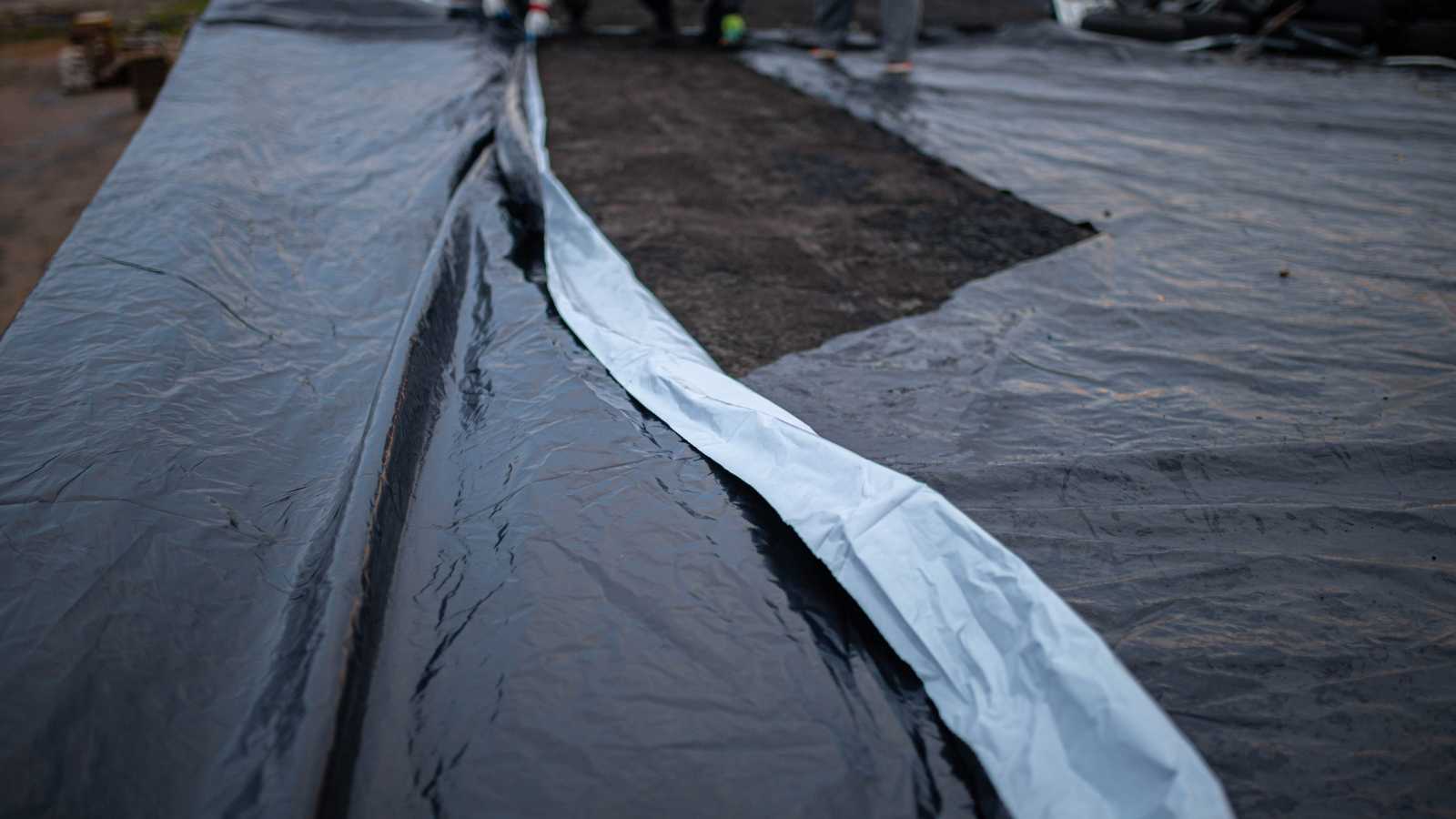
Waterproof membranes are very important for keeping roofing systems strong and long-lasting. These membranes keep water and moisture out, which protects the roof’s structure and limits the damage that the weather could do. This article will talk about how waterproofing membranes can make roofs last longer and how Big Home Projects makes it easier to find professionals who are experts in this kind of protection.
The Importance of Waterproof Membrane in Extending Roof Lifespan
Waterproof membranes play a big role in extending the lifespan of roofs by providing a protective barrier against moisture infiltration. This barrier helps prevent structural damage such as rotting, warping, and corrosion, which can significantly impact the durability of the roof over time. It is because waterproof membranes stop water from getting through that they help keep the roof’s structure strong, which makes the whole roofing system last longer.
The installation of waterproof membranes can help property owners save a lot of money. People can avoid expensive repairs and early roof replacements caused by water damage if they take the right waterproofing steps up front. Researchers have found that waterproofing can make a roof last up to 50% longer. This shows how important this protective measure can be for a roof’s overall lifespan and maintenance needs. Studies have shown that properly waterproofed roofs use less energy, which means that homes and businesses both save money on their utility bills.
5 Key Benefits of Installing a Waterproof Barrier
1. Protection Against Structural Damage
Installing a waterproof barrier provides essential protection against structural damage by creating a shield that prevents moisture from seeping into the roof’s layers. This safeguard helps to preserve the integrity of the roof’s materials, preventing issues like rotting, warping, and corrosion. To maximize the effectiveness of this protection, it’s crucial to ensure thorough coverage of all vulnerable areas, including seams, edges, and penetrations, during the installation process.
2. Prevention of Mold and Mildew
One key benefit of installing a waterproof barrier is the prevention of mold and mildew growth within the roofing structure. The barrier keeps moisture out, making it impossible for these harmful microorganisms to live there. This lowers health risks and keeps the space clean and odor-free. Checking and maintaining the waterproofing system on a regular basis can help find and fix any possible water entry points before mold and mildew grow.
3. Extension of Roof Lifespan
Installing a waterproof barrier significantly extends the lifespan of a roof by protecting it from the damaging effects of water exposure over time. This proactive measure can save property owners from costly repairs or premature roof replacements down the line. To ensure maximum longevity, it’s best to engage professional contractors with expertise in waterproofing techniques and high-quality materials for optimal results.
4. Enhancement of Energy Efficiency
A waterproof barrier contributes to enhanced energy efficiency by reducing heat loss through the roof structure. This results in lower utility bills for property owners, making it a cost-effective investment in the long run. To further boost energy savings, consider complementing the waterproofing system with additional insulation and reflective roofing materials to create a more thermally efficient building envelope.
5. Preservation of Aesthetics
Preserving the aesthetics of a building is another key benefit of installing a waterproof barrier, as it helps prevent water damage, stains, and discoloration that can detract from its visual appeal. Property owners can improve the curb appeal and resale value of their buildings by keeping the outside clean and well-protected. Cleaning and maintaining the waterproofing system on a regular basis can also help keep the property looking nice and in good shape.
What Materials Are Commonly Used for Waterproof Membranes?
Waterproof membranes are typically made from a variety of materials, each with its own unique properties and applications. One common material used for waterproof membranes is bituminous membranes, which are composed of layers of bitumen and reinforcement materials like fiberglass or polyester. Bituminous membranes offer excellent waterproofing capabilities and durability, making them suitable for a wide range of roofing applications. Another commonly used material is synthetic rubber membranes, such as EPDM (ethylene propylene diene terpolymer) or TPO (thermoplastic polyolefin). These synthetic membranes are highly flexible, resistant to UV rays, and have a long lifespan, making them popular choices for both residential and commercial roofing projects.
PVC (polyvinyl chloride) membranes are widely used for waterproofing due to their exceptional durability, chemical resistance, and ease of installation. PVC membranes are heat-welded at the seams, creating a seamless and watertight barrier that effectively protects the underlying roof structure. Some modern waterproof membrane systems also incorporate advanced technologies like self-adhering membranes, which eliminate the need for adhesives during installation, reducing labor costs and enhancing efficiency. These self-adhering membranes use a peel-and-stick application method, providing a quick and reliable solution for waterproofing various roofing surfaces. the choice of materials for waterproof membranes depends on factors such as the specific application, climate conditions, budget considerations, and desired longevity of the roofing system.
How Does a Waterproof Membrane Prolong the Life of a Roof?
A waterproof membrane prolongs the life of a roof by acting as a protective barrier against moisture infiltration. The membrane helps protect the materials below from damage caused by rot, corrosion, and wear and tear by stopping water from getting into the roof’s structure. Studies have shown that roofs that don’t have enough waterproofing are more likely to age faster and have structural problems. This shows how important waterproof membranes are for making roofing systems last longer.
A waterproof membrane helps keep the roof’s structure strong by lowering the chance of leaks and damage from water. Water getting into the roof can cause problems like mold growth, insulation breakdown, and damage to the inside of the building, all of which can lower the roof’s overall performance and lifespan. The membrane effectively keeps water out, so the roof stays waterproof and strong against weather conditions like snow, rain, and humidity. The life of a roof can be greatly increased by installing a good waterproofing system. This gives property owners long-term protection and peace of mind.
Can Waterproof Membranes Impact Roof Repair and Maintenance Costs?
Waterproof membranes can have a significant impact on roof repair and maintenance costs by reducing the frequency and extent of repairs needed over the lifespan of the roof. A properly installed waterproof membrane acts as a proactive measure against water damage, minimizing the likelihood of leaks, structural deterioration, and other issues that often necessitate costly repairs. Studies have shown that buildings with waterproofed roofs experience lower maintenance costs and fewer repair interventions compared to those without adequate waterproofing measures in place.
When property owners buy a waterproof membrane, it can save them money in the long run because it makes the roof last longer and prevents it from needing to be replaced too soon. The membrane helps protect the roof from water damage, which keeps the roofing system in good shape and lowers the overall cost of maintenance. Installing waterproof membranes on your roof as part of regular maintenance can help it last longer, cost less to fix, and increase in value over time. Waterproofing costs money up front, but it saves you a lot of money in the long run because it lowers the risk of water damage and the cost of maintenance over the roof’s life.
What Are the Long-Term Savings Associated with Installing a Waterproof Membrane?
Installing a waterproof membrane on a roof can lead to significant long-term savings for property owners by preventing water-related damage and extending the lifespan of the roofing system. Through its barrier against water entry, the membrane helps keep roofs from leaking, falling apart, and growing mold, which can lead to expensive repairs and early replacements. It has been shown in studies that installing waterproof membranes correctly can make a roof last up to 50% longer, which has a big effect on lowering maintenance costs over time.
The energy-saving features of waterproof membranes help property owners save money over time by reducing heat loss through the roof structure. Waterproofing helps lower heating and cooling costs by making the building envelope more thermally efficient. This means lower utility bills and better energy efficiency. Investing in high-quality waterproofing solutions can save property owners money in the long run by lowering their operational costs and making their buildings last longer. Waterproofing the roof can protect its good looks and structural integrity, which can raise the property value and give you a return on your investment that goes beyond the initial cost savings.
Finding Trusted Contractors Through Big Home Projects for Waterproofing Your Roof
Big Home Projects offers a comprehensive platform for connecting property owners with trusted contractors specializing in waterproofing services for roofs. People can find a wide range of contractors who are skilled in waterproofing techniques through the website directory. This helps them find trustworthy professionals for their specific roofing needs. The platform gives homeowners useful details about each contractor, like customer reviews, business highlights, services provided, and certifications. This helps them choose the right contractor for their waterproofing project.
Big Home Projects focuses on community and networking, which lets property owners work with contractors from a wide range of fields. This creates a space where people can share ideas, ask questions, and hire skilled professionals. Property owners looking for reliable contractors for their waterproofing projects can feel confident on the platform because it puts a lot of emphasis on openness and verification, such as background checks and business licenses. Big Home Projects makes it easier for people to find and hire reliable professionals for waterproofing roofs by letting customers talk directly to contractors through email or messaging apps like Facebook Messenger or WhatsApp. This improves the overall experience for people who want quality services.
How Do Professionals Install Waterproof Membranes on Existing Roofs?
Professionals typically follow a systematic process when installing waterproof membranes on existing roofs to ensure effective and long-lasting protection against water infiltration. The installation begins with a thorough inspection of the roof to assess its condition and identify any areas of concern that may require repair or reinforcement before applying the membrane. Once the roof is deemed structurally sound, the professionals clean the surface to remove debris, dirt, and any existing waterproofing materials that may compromise the adhesion of the new membrane.
After cleaning, the installation of the waterproof membrane involves applying the chosen material in accordance with manufacturer guidelines and industry best practices. Depending on the type of membrane used (such as bituminous, synthetic rubber, or PVC), professionals may use various installation methods, including heat-welding, adhesive application, or self-adhering techniques. Proper seam sealing and edge detailing are crucial steps in ensuring a watertight seal across the entire roof surface. Once the membrane is securely in place, professionals conduct quality checks to verify the integrity of the installation and address any potential issues quickly.
How Do Choose the Right Waterproof Membrane for Your Climate and Roof Type?
When selecting the right waterproof membrane for your climate and roof type, it is essential to consider factors such as weather patterns, temperature fluctuations, and the specific characteristics of your roof structure. For regions with extreme weather conditions, including heavy rainfall or intense sunlight, durable and weather-resistant membranes like PVC or EPDM may be more suitable due to their ability to withstand varying climates. understanding the slope, size, and material of your roof can help determine the most appropriate membrane type for the best performance and longevity.
For roofs with unique features or structural considerations, such as flat roofs or areas prone to ponding water, selecting a membrane with excellent ponding water resistance and UV protection is essential for maintaining the integrity of the roofing system. Conducting a thorough assessment of your roof’s requirements and consulting with experienced roofing professionals can provide valuable insights into the best membrane options for your specific climate and roof type.