
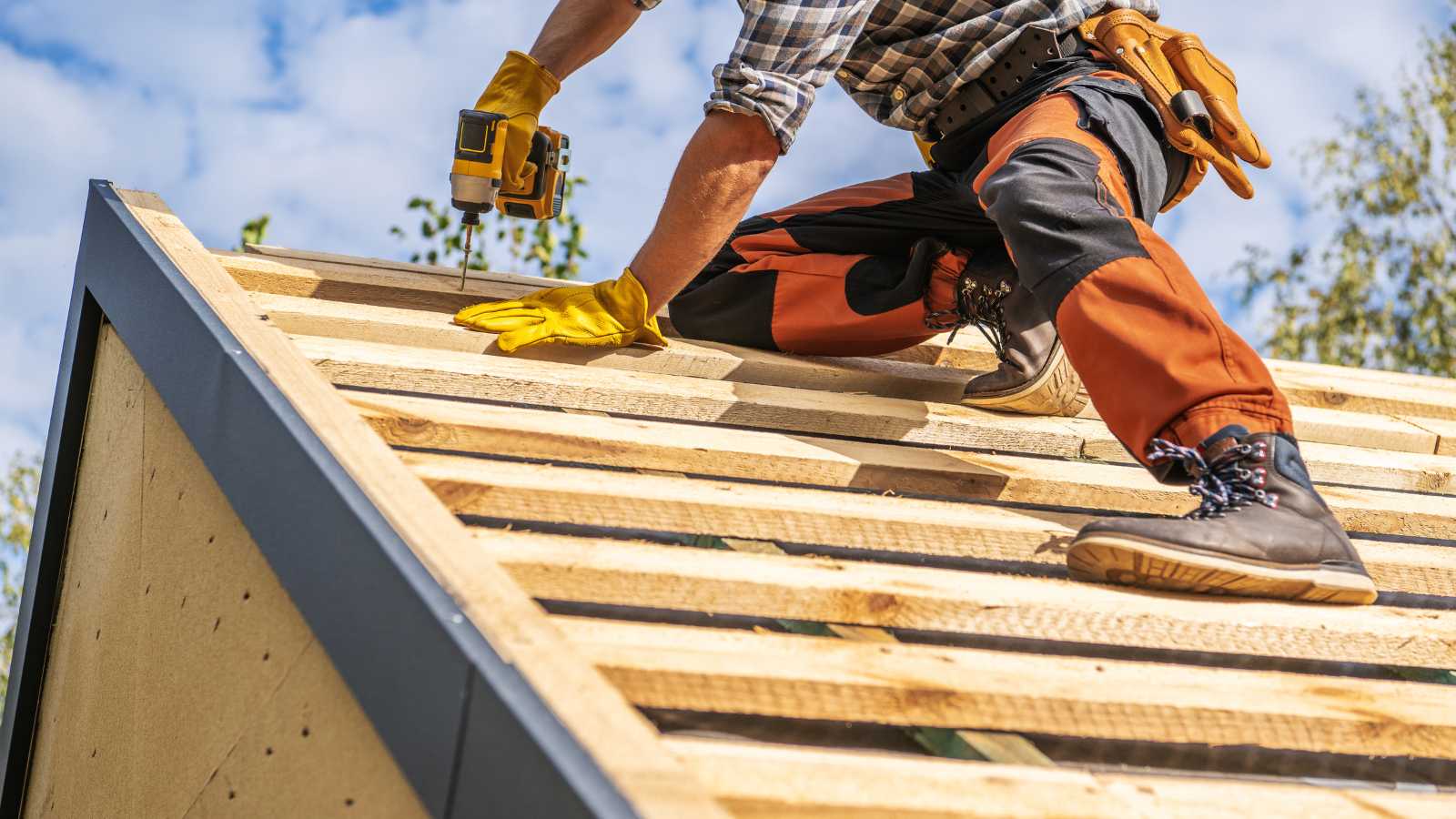
Sustainable construction marries environmental stewardship with efficient building practices to enhance the lifespan and performance of structures, particularly roofs. This approach focuses on leveraging renewable resources, reducing carbon footprints, and promoting the longevity of building components. In this article, we explore how sustainable construction principles directly impact the durability and lifespan of roofing systems, highlighting the benefits and methodologies that can lead to more sustainable living environments.
The Relation Between Sustainable Construction Principles and Roof Lifespan
Sustainable construction principles have a profound impact on the lifespan of roofs, largely through the choice of materials and design strategies. For instance, studies show that metal roofs can last 40 to 70 years, significantly outlasting traditional asphalt shingles, which typically last only 15 to 30 years. This increased longevity is not only beneficial for homeowners looking to minimize replacement costs but also contributes to reduced waste in landfills, as fewer materials need to be disposed of over time.
In addition to material longevity, sustainable roofing designs often incorporate energy-efficient features that further enhance the lifespan of the roof. For example, the use of green roofs not only provides insulation but also protects roofing materials from UV exposure and temperature fluctuations, which can lead to degradation. According to a study by the National Research Council of Canada, green roofs can extend the lifespan of traditional roofing materials by up to 20 years. This longevity ultimately translates to lower long-term maintenance costs and a smaller carbon footprint associated with roof replacements.
5 Key Advantages of Implementing Sustainable Construction Principles in Roof Design and Material Choice
1. Longevity and Durability
Implementing sustainable construction principles in roof design significantly enhances the longevity and durability of roofing systems. Materials such as metal, slate, and clay are not only highly resilient but also withstand extreme weather conditions better than conventional roofing materials. For example, metal roofs can resist hail and wind damage due to their robust composition, making them a lasting investment. many sustainable materials are recyclable, which means even at the end of their lifespan, they contribute less to landfill waste. Homeowners should consider investing in high-quality materials that offer warranties of 50 years or more, ensuring peace of mind and long-term performance.
2. Energy Efficiency
Sustainable roofing systems are designed to improve energy efficiency, which can lead to substantial cost savings over time. For instance, reflective metal roofs can reduce heat absorption, lowering cooling costs by as much as 20%. Similarly, green roofs provide natural insulation and help regulate building temperatures, reducing reliance on heating and cooling systems. It’s essential for homeowners to consult with professionals about the best materials and designs that leverage passive solar techniques, ensuring their roofs contribute positively to the overall energy efficiency of their homes. Engaging with contractors listed on platforms like Big Home Projects can facilitate connections with experienced professionals who can provide tailored recommendations.
3. Reduced Waste
One often-overlooked advantage of sustainable construction principles is their potential to minimize waste during the roofing process. Efficient material use and on-site recycling practices can significantly reduce the amount of debris generated during installation or renovation. For example, using modular roofing systems allows for precise cutting and fitting, resulting in less scrap material. Homeowners can also inquire about contractors that prioritize sustainable practices, such as recycling old roofing materials or using reclaimed products.
4. Improved Air Quality
Sustainable roofs, particularly green roofs, contribute to improved air quality by supporting plant life that filters pollutants and produces oxygen. This natural filtration can be especially beneficial in urban areas where air quality is often compromised. green roofs can help mitigate the urban heat island effect by lowering surrounding temperatures. Homeowners should consider implementing vegetation that is native to their area, which can thrive with minimal maintenance while attracting local wildlife. Engaging with landscaping professionals from directories like Big Home Projects can help ensure that the right plants are chosen for optimal air quality benefits.
5. Increased Home Value
Investing in sustainable roof designs not only enhances the structural integrity of a home but also increases its market value. Homes equipped with sustainable roofing systems often appeal to environmentally-conscious buyers who value energy efficiency and lower maintenance costs. According to a report by the National Association of Realtors, homes with green features can sell for 10% to 20% more than similar properties without them. Homeowners should document energy savings and maintenance benefits associated with their sustainable roofs to present compelling evidence when selling their property. Utilizing platforms like Big Home Projects can help connect homeowners with real estate professionals who understand the value of sustainable features in property transactions.
How Do Sustainable Roofing Materials Contribute to Energy Efficiency?
Sustainable roofing materials significantly contribute to energy efficiency through their ability to reflect solar radiation and provide superior insulation. For instance, reflective roofing materials, such as cool roofs, can decrease surface temperatures by up to 50°F compared to traditional dark roofs. This reduction in heat absorption leads to lower indoor temperatures, which can reduce the reliance on air conditioning systems, potentially lowering energy bills by 20% or more during hot months. Homeowners should consider materials with high Solar Reflectance Index (SRI) values, as these materials are specifically designed to minimize heat gain.
In addition to reflective properties, sustainable roofing materials often incorporate advanced insulation technologies that enhance energy efficiency. For example, green roofs not only provide a layer of insulation but also help regulate temperature fluctuations by absorbing rainwater and reducing heat loss. According to a study by the National Research Council of Canada, green roofs can improve energy efficiency by reducing energy consumption for heating and cooling by 25% to 50%. Homeowners can maximize these benefits by working with contractors who specialize in sustainable designs and can help with proper installation of roofing systems that optimize thermal performance.
What Is the Importance of Rainwater Harvesting in Sustainable Roof Construction?
Rainwater harvesting plays a major role in sustainable roof construction by promoting water conservation and reducing stormwater runoff. It is possible for homeowners to use less public water for non-potable uses like irrigation, toilet flushing, and washing their cars by collecting and storing rainwater from their roofs. According to the Environmental Protection Agency (EPA), rainwater harvesting can reduce water bills by up to 50% for households that implement effective systems. This not only provides economic benefits but also enhances water sustainability in regions facing water scarcity.
Rainwater harvesting contributes to improved stormwater management by reducing the burden on local drainage systems and mitigating flooding risks. In urban areas, impervious surfaces can lead to increased runoff, which can cause erosion and water pollution. Implementing a rainwater harvesting system can help manage this runoff effectively by capturing excess rainwater and allowing it to infiltrate into the ground or be reused for various purposes. Homeowners should consider integrating cisterns or rain barrels as part of their sustainable roof design, and consulting with professionals listed on platforms like Big Home Projects can help them find the best solutions tailored to their specific needs.
How Can Solar Panels Impact Roof life and Sustainability?
Solar panels can significantly impact roof lifespan and sustainability by providing protective coverage and enhancing energy efficiency. When installed correctly, solar panels act as an additional layer of protection against harsh weather elements such as rain, hail, and UV radiation. According to a study by the National Renewable Energy Laboratory, roofs with solar panels can experience a lifespan increase of up to 25% due to this protective effect, as the panels help shield the underlying roofing material from direct exposure to the elements.
The integration of solar panels promotes sustainability by reducing dependence on fossil fuels and contributing to lower greenhouse gas emissions. Homes equipped with solar energy systems can offset their electricity consumption, leading to a reduction in carbon footprints. The U.S. Department of Energy reports that a typical residential solar panel system can displace approximately 100 tons of carbon dioxide over its lifetime, which is equivalent to planting over 2,000 trees. Homeowners should consider investing in solar technology not only for its energy-saving benefits but also for its role in contributing to a more sustainable future while also potentially increasing their home’s market value.
The Role of Big Home Projects in Promoting Sustainable Roofing Solutions
Big Home Projects plays a pivotal role in promoting sustainable roofing solutions by connecting homeowners with experienced contractors who specialize in eco-friendly building practices. The platform makes it easy for users to find contractors who know about using eco-friendly materials and methods by giving them a full list of contractors. This accessibility is crucial, as it empowers homeowners to make informed decisions regarding their roofing projects, ensuring that they choose options that align with sustainability goals.
Big Home Projects fosters a community where homeowners can share experiences and reviews about sustainable roofing solutions. This feedback loop not only helps consumers identify reliable contractors but also encourages contractors to adopt more environmentally friendly practices to meet growing consumer demand. According to industry studies, homes with sustainable features can sell for 10% to 20% more than those without, highlighting the economic incentive for contractors to embrace these solutions.
Cost-Benefit Analysis: Is Sustainable Roofing More Economical in the Long Run?
Conducting a cost-benefit analysis reveals that sustainable roofing can be more economical in the long run, despite higher initial installation costs. For instance, while a traditional asphalt shingle roof may cost between $3.50 and $5.00 per square foot, a metal roof—considered a sustainable option—can range from $7.00 to $12.00 per square foot. However, metal roofs typically have a lifespan of 40 to 70 years compared to the 15 to 30 years of asphalt shingles, resulting in fewer replacements and lower overall costs when amortized over time.
In addition to reduced replacement frequency, sustainable roofing materials often lead to lower energy bills and maintenance costs. For example, installing a green roof can initially cost between $10.00 and $20.00 per square foot, but it can provide savings of around 25% on heating and cooling costs due to its insulation properties. Over a 20-year period, these savings can accumulate to thousands of dollars, offsetting the higher upfront investment. many sustainable roofing options are eligible for tax credits or rebates, which can further enhance their economic viability. Homeowners who opt for sustainable roofing solutions not only invest in their property but also contribute to long-term savings and environmental stewardship.
Finding Trusted Contractors for Sustainable Roofing Projects via Big Home Projects
Finding trusted contractors for sustainable roofing projects is made easier through Big Home Projects, which serves as a comprehensive directory for various contractors specializing in eco-friendly solutions. The platform features detailed profiles of contractors, including customer reviews, ratings, and information about their experience in sustainable building practices. This transparency allows homeowners to assess the reliability and expertise of potential contractors before making decisions, reducing the risk of hiring unqualified professionals.
Big Home Projects encourages homeowners to connect directly with contractors through its platform, fostering communication about specific project needs and sustainable options. This direct engagement can lead to tailored solutions that fit the unique requirements of each roofing project. As statistics show that nearly 90% of consumers trust online reviews as much as personal recommendations, utilizing platforms like Big Home Projects not only aids in finding dependable contractors but also empowers homeowners to make informed choices based on community feedback and verified credentials.