
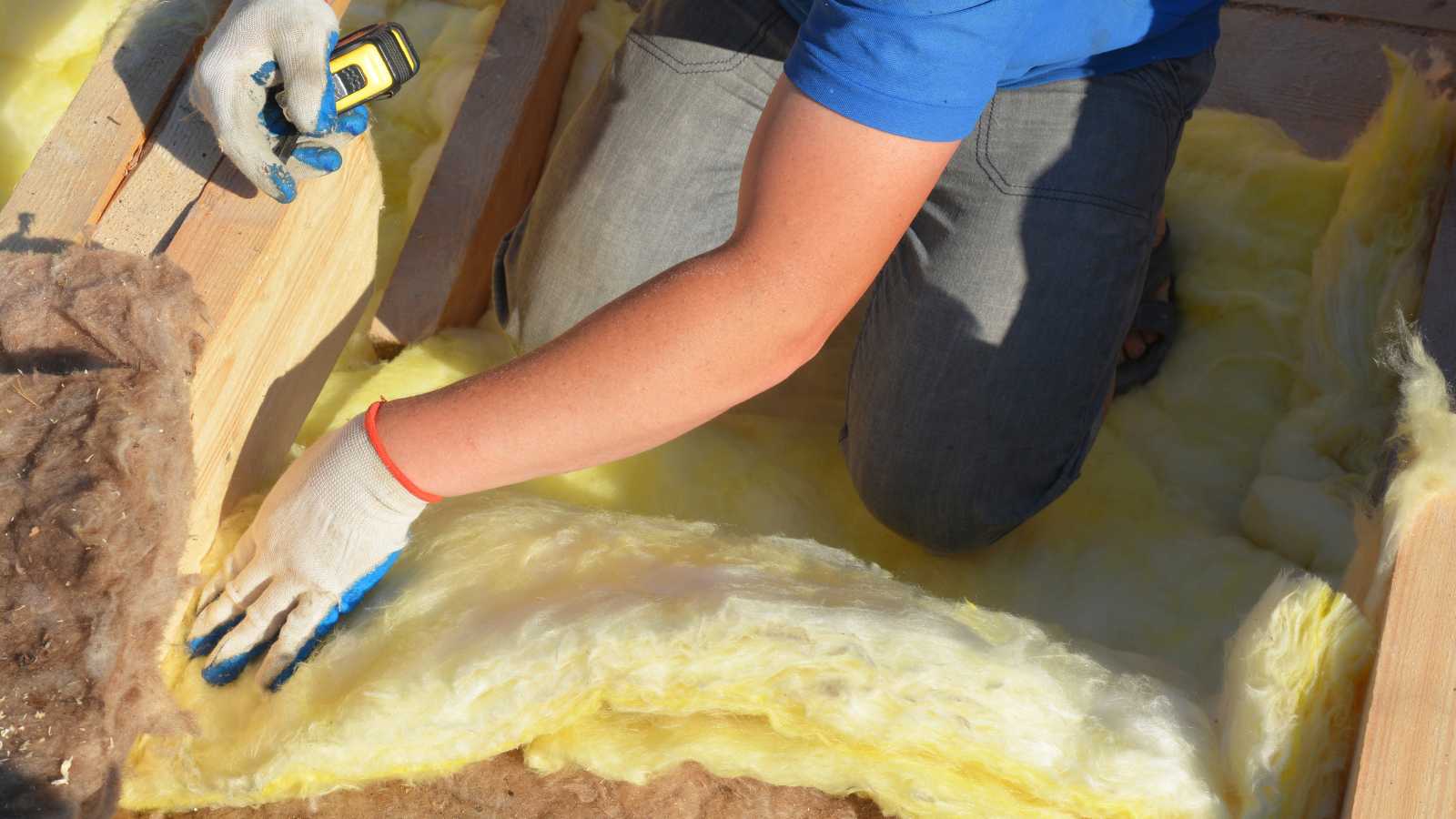
Insulation is a critical component in any roofing system, serving to protect, preserve, and enhance the performance of the roof. The right insulation can dramatically increase the longevity of your roof, as well as offer energy-saving benefits. In this article, we explore the multifaceted advantages of effective roof insulation and provide insights into how it contributes to the overall durability of your home.
The Relevance of Effective Insulation in Extending Roof Lifespan
Effective insulation plays a pivotal role in extending the lifespan of a roof by providing protection against temperature fluctuations and moisture accumulation. Research indicates that homes with proper insulation can experience energy savings of up to 20% on heating and cooling costs. This efficiency not only leads to reduced utility bills but also minimizes the thermal stress placed on roofing materials, ultimately prolonging their durability.
Quality roof insulation acts as a barrier against moisture, which is one of the leading causes of roof damage. For instance, according to the U.S. Department of Energy, about 90% of homes in the U.S. suffer from some degree of moisture problems, which can lead to mold growth and structural issues.
Investing in quality insulation can enhance overall home comfort by stabilizing indoor temperatures. This stability helps reduce the risk of expansion and contraction in roofing materials, which can result in cracks and leaks over time. Thus, homeowners who prioritize effective insulation not only safeguard their roofs but also enhance the overall performance and comfort of their living spaces. For those seeking help with insulation projects, Big Home Projects offers a directory of qualified contractors who can provide expert guidance and installation services.
5 Essential Benefits of Quality Roof Insulation
1. Temperature Regulation
Good roof insulation is a big part of keeping the air inside your home at a comfortable temperature all year. Insulation keeps heat from escaping, so you don’t have to use as much heat in the winter or air conditioning in the summer. It’s interesting that a lot of homeowners don’t realize that good ventilation and insulation can make this effect even stronger. Installing a balanced system that lets air flow while keeping insulation in place can save you a lot of money on energy costs and make your home more comfortable.
2. Moisture Control
One of the less frequently discussed benefits of roof insulation is its ability to control moisture levels. Quality insulation prevents condensation from forming on cold surfaces, which can lead to mold growth and rot over time. To maximize this benefit, consider incorporating vapor barriers alongside your insulation. These barriers help trap moisture in the air and direct it outside, protecting your roof structure and contributing to a healthier indoor environment.
3. Energy Efficiency
Investing in quality roof insulation is a smart move for homeowners looking to improve energy efficiency. Insulation can significantly reduce energy costs, with some studies suggesting savings of up to 30% on heating and cooling bills. A lesser-known strategy is to pair your insulation with energy-efficient roofing materials.
4. Preventing Roof Damage
Effective insulation is key to preventing roof damage by protecting against moisture and temperature fluctuations. Many people are unaware that even minor leaks or drafts can lead to significant degradation over time. To prevent this, regular inspections and maintenance should be performed, focusing on the condition of both the insulation and the roofing materials. consider performing a thermal imaging inspection periodically to identify hidden issues that may not be visible to the naked eye.
5. Mitigation of Temperature Fluctuations
Insulation helps to mitigate the impact of external temperature changes on your roof, which is particularly important for regions with extreme weather variations. This stability reduces the risk of expansion and contraction of roofing materials, which can lead to cracks and leaks. Homeowners can enhance this benefit by using insulation materials with high R-values, which measure resistance to heat flow. when installing new roofing or insulation, consider the long-term climate conditions of your area to choose the most appropriate materials and methods for optimal performance.
How Does Insulation Affect Temperature Regulation in Your Attic?
Insulation significantly affects temperature regulation in your attic by creating a thermal barrier that minimizes heat transfer between the attic and the rest of the home. According to the U.S. Department of Energy, proper attic insulation can reduce heat loss in the winter by up to 30%, which helps maintain a consistent indoor temperature. This stability not only enhances comfort but also reduces the workload on heating and cooling systems, leading to lower energy bills.
Effective insulation prevents heat buildup during the summer months, keeping your attic cooler and reducing the risk of excessive heat damaging roofing materials. In fact, studies have shown that an uninsulated attic can reach temperatures of over 150°F in the summer, which can contribute to premature wear on shingles and other roofing components.
Combining insulation with proper ventilation can optimize temperature regulation in the attic. Insulation alone is not enough; without adequate airflow, moisture can accumulate, leading to mold growth and potential structural issues.
What Are the Risks of Poor Moisture Control on Roof Health?
- Mold Growth: Poor moisture control can lead to the development of mold within the roof structure and attic space. Mold thrives in damp environments, and once established, it can compromise both indoor air quality and the structural integrity of the roof. For example, black mold can spread rapidly and may require costly remediation efforts if left unchecked. mold can cause health issues such as respiratory problems and allergies for occupants, making effective moisture control essential.
- Wood Rot: When moisture accumulates in roofing materials, particularly in wooden components like rafters and sheathing, it can lead to wood rot. This decay weakens the structural framework of the roof, increasing the risk of collapse or failure. The repair costs associated with replacing rotten wood can be substantial, as it often involves extensive labor and the need for specialized materials to restore the roof’s integrity.
- Insulation Degradation: Excess moisture can severely degrade the performance of roof insulation, reducing its effectiveness over time. Wet insulation loses its R-value—its resistance to heat flow—making it less efficient at regulating temperature. This not only leads to higher energy bills but also creates a cycle where increased energy usage generates more heat and moisture, further exacerbating insulation degradation.
- Ice Dams: In colder climates, poor moisture control can contribute to the formation of ice dams on roofs. These occur when warm air from the home melts snow on the roof, causing water to flow down and refreeze at the eaves. Ice dams can create significant water backup under shingles, leading to leaks and damage to both the roof and interior of the home. Homeowners may face costly repairs as a result of water intrusion caused by these ice formations.
- Increased Energy Costs: Inefficient moisture management can lead to higher energy costs as HVAC systems work harder to maintain comfortable indoor temperatures. Moisture-laden air is more difficult to heat or cool effectively, causing systems to run longer and consume more energy. For instance, a home with poor moisture control may see utility bills rise by 10% or more during peak seasons, making it financially beneficial to invest in proper moisture management strategies.
- Decreased Property Value: Neglecting moisture control can lead to visible signs of damage, such as stained ceilings, peeling paint, or sagging roofs, which can deter potential buyers. Homes with a history of moisture-related issues often command lower market prices due to the perceived risk and associated repair costs. Investing in moisture control solutions not only preserves roof health but also protects property value in the long run.
- Pest Infestation: Moist environments attract pests such as termites and carpenter ants, which can further damage roofing materials and framing. These pests thrive in damp conditions and can undermine the structural integrity of a roof over time. For example, termites can consume wooden elements within walls and roofs, resulting in extensive repairs that may not be covered by standard insurance policies. Effective moisture control measures can help deter these unwanted invaders and protect the home’s structure.
In What Ways Does Insulation Contribute to Energy Efficiency in Homes?
Insulation contributes to energy efficiency in homes primarily by reducing heat transfer between the interior and exterior environments. According to the U.S. Department of Energy, proper insulation can save homeowners between 10% and 50% on their heating and cooling costs, depending on the climate and the type of insulation used. For instance, homes in colder regions benefit significantly from insulation during winter months, as it retains heat within the living spaces, reducing the need for excessive heating.
Insulation helps keep the temperature inside stable, which makes the space more comfortable while using less energy. Insulation stops drafts and temperature changes that can make you use your heating and cooling systems more by creating a thermal barrier. Using high-performance insulation materials like spray foam or rigid foam boards can boost a home’s R-value, which is a measure of thermal resistance. This can improve its energy efficiency ratings and make it more comfortable to live in all year.
Effective insulation plays a vital role in reducing the load on HVAC systems, resulting in longer lifespans and lower maintenance costs. When insulation is properly installed, HVAC systems can operate more efficiently, as they do not have to work as hard to maintain desired temperatures. This translates into lower energy bills and fewer frequent repairs or replacements for heating and cooling units, ultimately providing homeowners with long-term financial benefits.
When Should You Consider an Insulation Upgrade Through Big Home Projects?
You should consider an insulation upgrade through Big Home Projects when your current insulation shows signs of wear or is not performing effectively. For instance, if you notice significant temperature fluctuations between rooms or drafts near windows and doors, it may indicate that your insulation is inadequate. According to energy efficiency studies, upgrading insulation can lead to an average energy savings of 20% to 30%, making it a worthwhile investment for improving comfort and reducing utility bills.
Another key time to consider an insulation upgrade is during home renovations or when you’re planning to remodel. Many homeowners overlook the opportunity to enhance their insulation during these projects, but it can significantly improve the overall energy efficiency of the home. For example, if you’re adding a new room or finishing a basement, installing high-quality insulation in those areas can help maintain a consistent temperature throughout the house and reduce future energy costs. Consulting with contractors listed on Big Home Projects can provide access to experts who can recommend the best insulation solutions tailored to your specific needs.
Finally, if your home was built more than a couple of decades ago, it may be time to reassess your insulation. Building codes and insulation materials have evolved significantly, with modern materials offering better performance and efficiency than older types. Homes built before the 1990s often have insufficient insulation levels, leading to higher energy consumption and costs. Upgrading insulation not only improves energy efficiency but also enhances overall home comfort and value, making it an important consideration for any homeowner looking to invest in their property.
How Can Big Home Projects Assist in Selecting the Right Insulation Material?
Big Home Projects can assist homeowners in selecting the right insulation material by providing access to a diverse directory of qualified contractors and insulation specialists. These professionals have the experience and knowledge necessary to evaluate your home’s specific needs, considering factors such as climate, building structure, and existing insulation conditions. For example, a contractor can assess whether your home would benefit more from fiberglass batts, spray foam, or cellulose insulation, each of which has different R-values and applications suited to varying environments.
Homeowners can use Big Home Projects’ customer reviews and business highlights to help them choose which contractor to hire to improve their insulation. You can get an idea of the quality of work and skill level of different contractors by reading reviews from past clients and looking at pictures of finished projects. This openness is very helpful when picking the right materials and installation methods because it lets you compare your choices and see the pros and cons of each type of insulation based on how it works in real life.
Big Home Projects provides detailed information on available promotions, warranties, and financing options, making it easier for homeowners to budget for their insulation projects. Many contractors listed on the platform offer free estimates and consultations, allowing you to explore different insulation options without upfront commitment.