
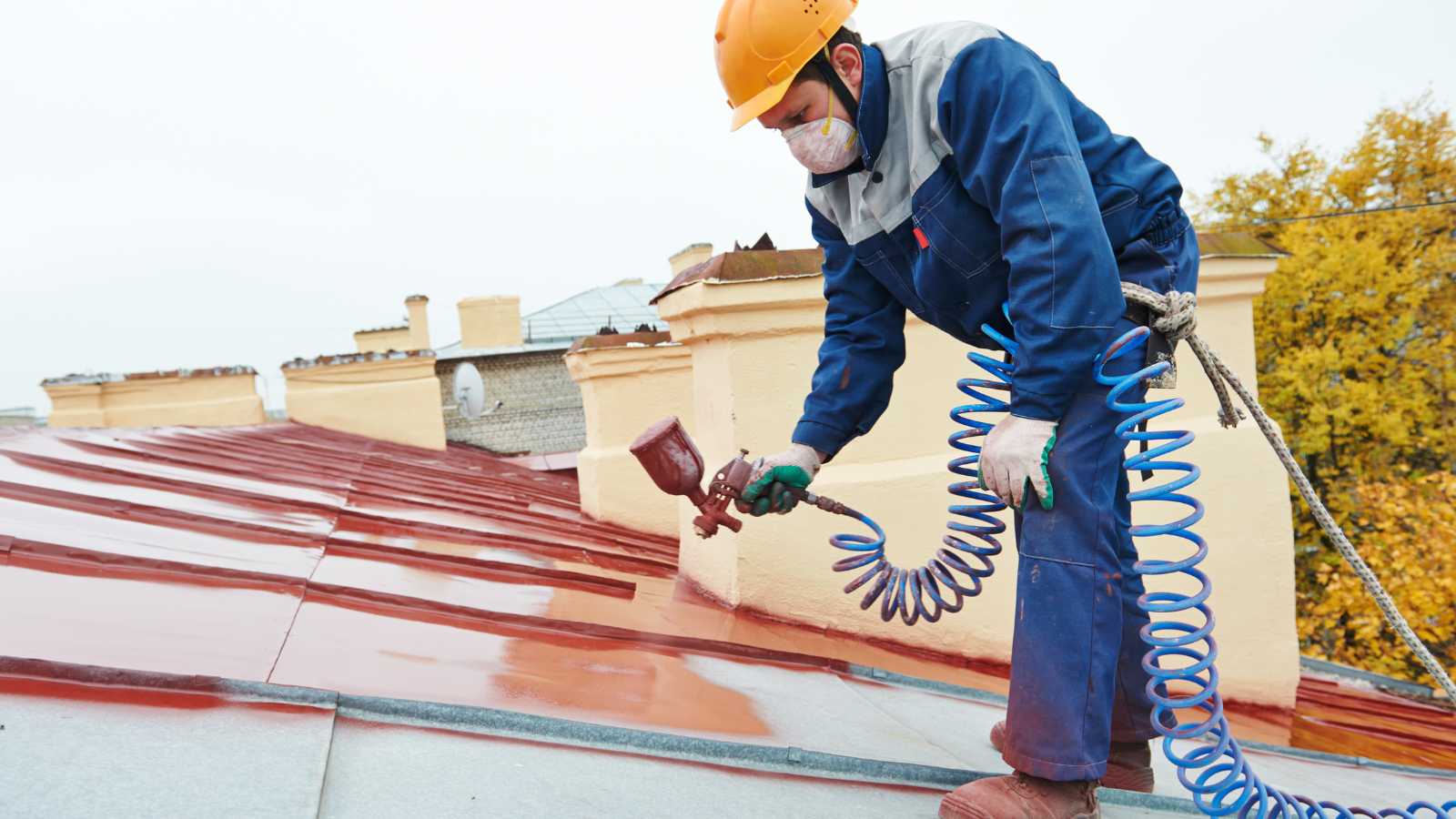
Maintaining the structure and integrity of a roof is paramount for homeowners, and one of the most effective methods for preservation is regular recoating. This process not only shields the roof from harsh environmental elements but also adds years to its service life. In this article, we’ll delve into the nuances of how regular roof recoating plays a major role in the maintenance and longevity of roofing systems.
The Role of Regular Roof Recoating in Prolonging Roof Lifespan
Roofing systems need to be recoated on a regular basis to maintain their structural integrity and last as long as possible. Homeowners can greatly extend the life of their roof by adding a new layer of coating, usually by an extra 10 to 15 years. Studies show that roofs that are recoated on a regular basis can last up to 50% longer, though this depends on the materials used and the weather. As an example, an elastomeric roof coating that is kept up can act as a waterproof barrier that keeps out leaks and also reflects sunlight, which helps keep energy costs down.
Regular recoating enhances the aesthetic appeal of a home. A fresh coat can rejuvenate an aging roof, making it look newer and more attractive to potential buyers. Many homeowners report that roof recoating can improve their property’s market value, especially in competitive real estate markets. opting for roof recoating is a cost-effective solution compared to a complete roof replacement, which can save thousands of dollars in both immediate and long-term expenses. According to industry reports, homeowners can save up to 70% on roofing costs over time by choosing recoating over replacement, making it a smart financial decision for property maintenance.
5 Key Benefits of Roof Recoating
1. Extended Roof Life
Regular roof recoating significantly extends the lifespan of your roof by providing an additional protective layer. This protective layer acts as a shield against harsh weather conditions, UV rays, and other environmental factors that can cause wear and tear. Interestingly, many homeowners neglect this maintenance step, often leading to premature roof replacement.
2. Improved Energy Efficiency
One of the lesser-known benefits of roof recoating is its potential to enhance energy efficiency. Roof coatings can be designed to reflect sunlight, reducing heat absorption and consequently lowering cooling costs during hot months. This reflective quality can lead to energy savings of up to 30% on your utility bills. many roof coatings today are formulated with energy-efficient properties that qualify for local energy rebates, providing homeowners with an extra financial incentive to consider this maintenance option.
3. Enhanced Weather Protection
Roof recoating offers superior weather protection, which is essential for maintaining the integrity of your roofing system. The seamless application of coating creates a waterproof barrier that prevents leaks and water damage. What’s often overlooked is the ability of certain coatings to withstand extreme weather conditions, including heavy rains, snow, and even hail. Homeowners should look for high-quality products with a proven track record in severe climates to ensure maximum protection and longevity.
4. Prevention of Leaks
One of the most practical benefits of regular roof recoating is its effectiveness in preventing leaks. A well-applied coating minimizes the chances of water infiltration, which can lead to costly repairs and structural damage. Many people are unaware that minor leaks can develop into significant problems if not addressed quickly. Regular inspections and recoating can catch potential issues early, allowing homeowners to maintain a secure and dry environment inside their homes.
5. Cost-Effective Maintenance
Roof recoating is often a more economical choice compared to a complete roof replacement. While the initial cost of recoating may seem like an investment, it typically pays off in the long run by reducing repair costs and extending the lifespan of the roof. What many homeowners don’t realize is that regular maintenance can also qualify them for tax deductions related to home improvements.
How Often Should You Recoat Your Roof for Optimal Performance?
The frequency of roof recoating largely depends on the type of roofing material and local environmental conditions. Generally, homeowners should consider recoating their roofs every 5 to 10 years for the best performance. For instance, elastomeric coatings may require recoating every 5 years due to their exposure to UV rays and weather elements, while metal roofs can often last up to 10 years before needing a fresh coat. Regular inspections after severe weather conditions can also help determine if recoating is necessary sooner.
the climate where you live plays a significant role in determining recoating frequency. In regions with extreme temperatures, frequent storms, or high UV exposure, recoating may be needed more often to maintain the roof’s protective properties. Homeowners in such areas should monitor their roofs closely and consider recoating every 3 to 5 years. Investing in a quality coating can also mitigate damage from harsh weather, ultimately leading to a longer lifespan and better performance over time.
What Types of Roofs Benefit Most from Recoating?
- Flat Roofs: Flat roofs are particularly susceptible to water pooling and drainage issues, making them prime candidates for recoating. A high-quality coating can create a seamless barrier that prevents leaks, which is essential for maintaining the integrity of the structure beneath. For example, commercial buildings often utilize flat roofs, and regular recoating can significantly extend their lifespan, saving property owners from costly repairs.
- Metal Roofs: Metal roofs benefit greatly from recoating due to their inherent susceptibility to rust and corrosion. Applying a specialized metal roof coating not only protects against moisture but also reflects UV rays, reducing heat absorption. This is especially important in regions with extreme weather, as it helps maintain energy efficiency while preventing the metal from deteriorating over time.
- Built-Up Roofing (BUR): Built-up roofing systems, commonly found in commercial settings, consist of multiple layers of roofing felt and asphalt. Over time, these materials can degrade due to exposure to the elements. Recoating BUR with a reflective coating helps protect the surface from UV damage while also adding a waterproof layer that combats leaks. This maintenance can enhance the roof’s durability and energy efficiency significantly.
- Single-Ply Roofing: Single-ply roofing membranes, such as TPO or EPDM, are popular for their lightweight and flexible properties. However, they can become brittle and lose their effectiveness over time when exposed to harsh conditions. Regular recoating helps rejuvenate these membranes, providing an extra layer of protection against punctures and UV degradation, which can be crucial for maintaining a watertight seal.
- Asphalt Shingle Roofs: While asphalt shingle roofs are commonly seen as low-maintenance options, they still greatly benefit from recoating, especially in areas with intense sunlight. A protective coating can help shield the shingles from UV rays that cause fading and deterioration. This process not only enhances the shingles’ lifespan but also improves the roof’s overall appearance, making it look newer and more attractive to potential buyers.
- Tile Roofs: Tile roofs, whether they are made of clay or concrete, can get cracks and lose their glaze over time. Homeowners can seal those cracks and stop water from getting in by using a special roof coating. It is especially important to do this in places that get a lot of rain or cold weather because water can get into cracks and do a lot of damage if nothing is done.
Can Roof Recoating Be a DIY Project, or Should Big Home Projects Professionals Be Hired?
While some homeowners may consider roof recoating as a DIY project, it is generally advisable to hire professionals from Big Home Projects for optimal results. Roof recoating requires specific skills and knowledge about the type of roofing material and the appropriate coating products. For instance, improperly applied coatings can lead to issues like peeling, bubbling, or inadequate waterproofing, which can ultimately result in costly repairs down the line. Statistics show that professional applications can last significantly longer than DIY jobs, with an estimated increase in lifespan of up to 30% due to proper techniques and materials.
hiring a professional makes sure that safety precautions are taken during the recoating process. Roof work can be hazardous, and professionals are trained to use safety equipment and methods to avoid accidents. They also have access to high-quality materials that DIYers might not be able to obtain or may not know how to apply correctly. For example, a professional contractor can evaluate the condition of the roof beforehand and recommend the best type of coating suited for the specific roof type and environmental conditions, ensuring a more effective and durable solution.
What Are the Environmental Implications of Roof Recoating?
Roof recoating can have several positive environmental implications, particularly when it comes to energy efficiency and sustainability. Many modern roof coatings are designed to reflect sunlight, which helps reduce heat absorption in buildings. This reflective quality can lead to a decrease in energy consumption for cooling, with studies indicating that reflective roofs can lower energy costs by up to 30%.
One way that roof coatings help cut down on waste is by lasting a long time. A properly maintained, coated roof can last for many more years, putting off the need for a full roof replacement. The U.S. Environmental Protection Agency (EPA) says that roofing waste makes up about 10% of all the construction and demolition waste that is made every year. People can help keep a lot of trash out of landfills by recoating their roofs to make them last longer. This is an example of more environmentally friendly building practices. There are now a lot of eco-friendly coatings on the market that are made from recycled materials or don’t contain any chemicals that are bad for the environment.
How do you select the right coating material for your roofing needs?
Selecting the right coating material for your roofing needs involves considering several key factors, including the type of roofing system, climate conditions, and specific performance requirements. For instance, elastomeric coatings are ideal for flat roofs due to their flexibility and ability to expand and contract with temperature changes, which can reduce the risk of cracking. On the other hand, metal roofs often benefit from specialized coatings that provide corrosion resistance and reflectivity. Homeowners should also assess the local climate; in areas with high UV exposure, a reflective coating can significantly improve energy efficiency and reduce cooling costs.
Another important aspect is the environmental impact of the coating material. Many homeowners are now opting for eco-friendly options that are low in volatile organic compounds (VOCs) and made from recycled materials. According to industry studies, using environmentally friendly coatings can reduce indoor air pollution and have a smaller carbon footprint. considering warranty options and the expected lifespan of the coating is crucial. High-quality coatings typically come with warranties ranging from 5 to 15 years, and investing in a durable product can save money in the long run by reducing maintenance costs and extending the roof’s lifespan.
Finally, consulting with professionals can provide valuable insights into the best coating options tailored to individual roofing needs. Experts can evaluate the roof’s condition, recommend suitable materials based on performance and durability, and make sure that the application process meets industry standards. This professional advice can ultimately lead to better long-term outcomes and improved overall satisfaction with the recoating project.
Exploring Roof Recoating Services on Big Home Projects: What to Look For?
When exploring roof recoating services for Big Home Projects, one of the most important factors to consider is the contractor’s experience and specialization in roofing systems. Look for professionals who have a proven track record with various types of roofs, such as flat, metal, or tile roofs, and who are familiar with the specific coating options that best suit your needs. For example, contractors experienced with elastomeric coatings may provide better results for flat roofs, while those knowledgeable about metal-specific coatings can offer valuable insight on preventing rust and corrosion.
customer reviews and ratings on Big Home Projects can give you a clearer picture of potential contractors’ reliability and quality of service. Statistics show that 84% of people trust online reviews as much as personal recommendations, making it crucial to evaluate feedback from previous clients. Pay attention to comments regarding the quality of workmanship, adherence to timelines, and customer service. Engaging with contractors who have consistently positive feedback can help make sure your roof recoating project is handled professionally and efficiently.
Finally, consider the range of services offered by contractors listed on Big Home Projects. Some companies may provide comprehensive packages that include roof inspections, maintenance plans, and warranties on their work. Choosing a contractor who offers a holistic approach not only enhances your immediate roofing needs but also contributes to long-term roof health. For instance, some contractors may provide annual inspections and maintenance services, which can help identify potential issues early on and extend the life of your roof significantly.