
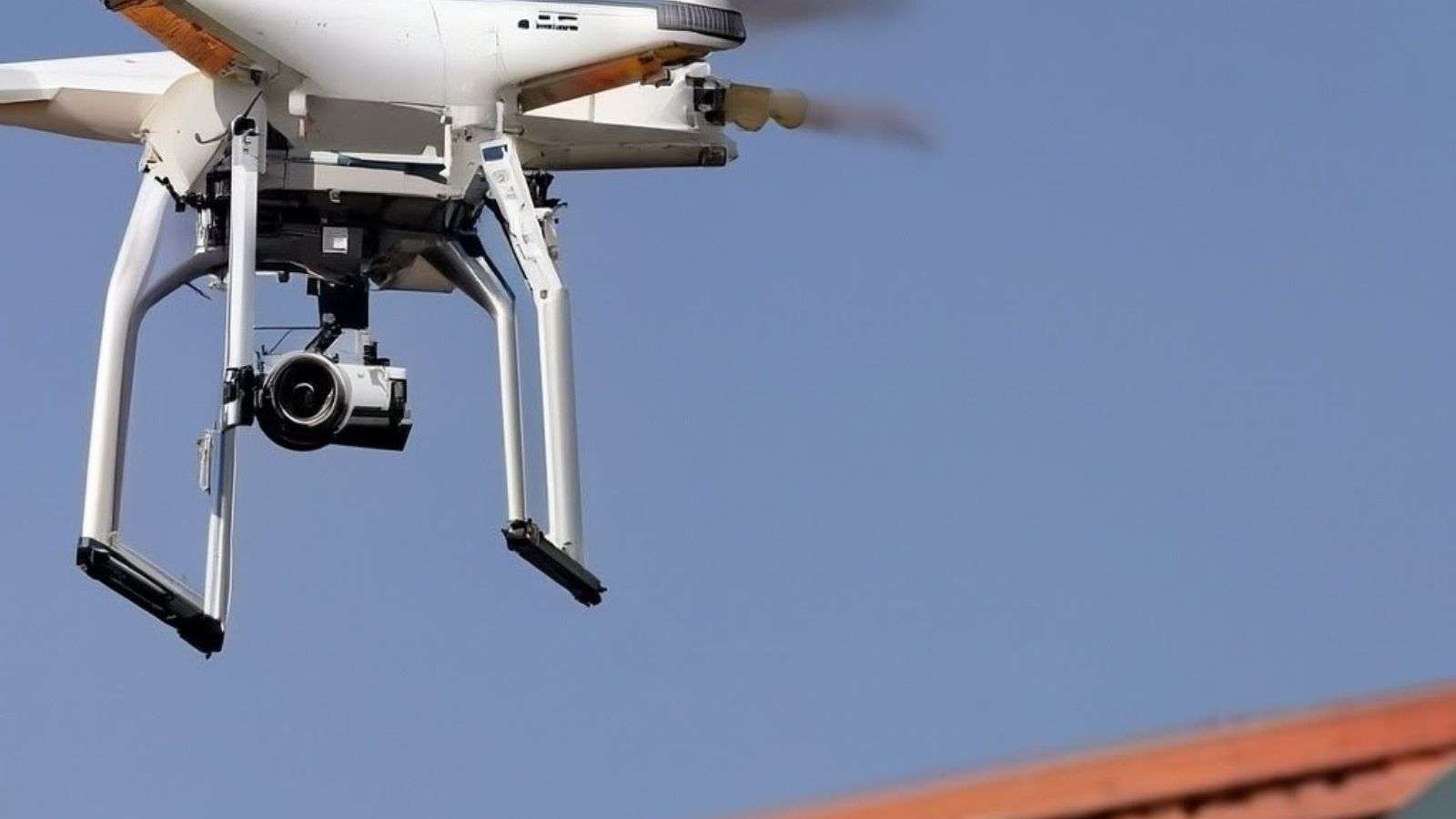
From detecting roof damage to helping with insurance claims, the use of drones has revolutionized roof depreciation assessments. This transformation not only simplifies roof evaluations but also promotes safety, precision, and cost-efficiency.
In this article, we delve into how drones are making strides in the roof inspection industry, particularly in assessing depreciation.
7 Ways drones are revolutionizing roof depreciation assessments
1. Improved accuracy and efficiency
Drones have revolutionized roof depreciation assessments by significantly improving accuracy and efficiency. By capturing high-resolution aerial imagery, drones provide detailed visual data that can be analyzed to assess the condition of roofs. This eliminates the need for manual inspections and allows for a more comprehensive evaluation of the roof’s current state. With drones, assessors can quickly identify areas of concern, such as cracks, leaks, or damaged shingles, enabling them to make informed decisions regarding repairs or replacements.
2. Enhanced safety for assessors
One of the key advantages of using drones for roof depreciation assessments is the enhanced safety they provide for assessors. Instead of having to climb ladders or walk on potentially unstable roofs, assessors can operate drones from a safe distance. This reduces the risk of accidents and injuries associated with traditional inspection methods. Drones not only keep assessors safe but also allow them to access hard-to-reach areas without putting themselves in harm’s way.
3. Cost-effective solution
Drones offer a cost-effective solution for roof depreciation assessments. Traditional inspections often involve significant expenses, including hiring specialized personnel and equipment. In contrast, drones provide a more affordable alternative. By utilizing drones, companies can save on labor costs and reduce the need for expensive equipment. This cost-effectiveness makes drone-based assessments accessible to a wider range of organizations, including smaller businesses or homeowners who may have limited budgets.
4. Time-saving process
With the help of drones, roof depreciation assessments can be completed in a fraction of the time compared to traditional methods. Drones can swiftly capture high-resolution images and videos of the entire roof, allowing assessors to review the data at their convenience. This accelerated process enables quicker decision-making and faster responses to any urgent repair needs. It is possible to respond quickly to time-sensitive situations, such as damage from severe weather events, which reduces the possibility of further deterioration.
5. Comprehensive documentation
Drones enable assessors to create comprehensive documentation for roof depreciation assessments. A visual record of the roof’s state at a specific time is available thanks to the detailed aerial imagery that drones have captured. This documentation can be used for future reference, insurance claims, or as evidence during property transactions. By having an accurate and up-to-date record of the roof’s assessment, property owners or managers can make informed decisions about maintenance schedules, renovations, or potential insurance coverage adjustments.
6. Increased accessibility for remote locations
Drones have particularly benefited roof depreciation assessments in remote or difficult-to-access locations. Whether it’s a rural property or a complex industrial facility, drones can navigate challenging environments and capture valuable data without the need for physical presence. This increased accessibility allows for more efficient assessments in areas that would otherwise be time-consuming or costly to reach using traditional inspection methods.
7. Future-proofing assessments
By incorporating drones into roof depreciation assessments, organizations are future-proofing their evaluation processes. Drones are constantly evolving, with advancements in technology improving their capabilities over time. As drone technology continues to progress, future assessments will benefit from even more sophisticated imaging techniques, data analysis algorithms, and automation features. By embracing drones now, organizations can stay ahead of the curve and make sure their assessments remain accurate, efficient, and up-to-date in the years to come.
Traditional roof inspection methods vs. drone inspections
| Traditional Roof Inspection Methods | Drone Inspections |
|---|---|
| Manual inspection of roofs | Aerial assessment using drones |
| Require physical presence on the roof | Remote operation from a safe distance |
| Limited field of view | Wide coverage and detailed imagery |
| Time-consuming process | Quick data capture and analysis |
| Higher risk of accidents and injuries | Enhanced safety for assessors |
| Costly, requiring specialized personnel and equipment | Cost-effective alternative |
| Subjective assessment based on visual observation | Objective assessment through visual data |
Drone inspections offer a significant advantage in terms of safety by eliminating the need for assessors to physically climb onto roofs. This reduces the risk of accidents and injuries associated with traditional methods. Also, drone inspections provide wider coverage and more detailed imagery compared to manual inspections, allowing for a more comprehensive assessment of the roof’s condition.
Drone inspections are quicker and more cost-effective, minimizing labor costs and the need for specialized equipment. Moreover, drone inspections offer an objective assessment based on visual data, reducing the subjectivity that may be present in traditional methods.
Why choose drones for roof depreciation assessments?
First of all, drones significantly improve accuracy and efficiency by capturing high-resolution aerial imagery that provides a detailed visual record of the roof’s condition. This eliminates the need for manual inspections and allows for a more comprehensive evaluation.
Second, drones enhance safety for assessors as they can operate the drones from a safe distance without the need to physically access potentially hazardous areas. This reduces the risk of accidents and injuries associated with traditional inspection methods. Drones offer a cost-effective solution by reducing labor costs and the need for expensive equipment.
They also save time by swiftly capturing data, enabling quicker decision-making and prompt responses to repair needs. Drones provide comprehensive documentation, offering a visual record that can be used for future reference, insurance claims, or property transactions. They also increase accessibility for remote locations, allowing for efficient assessments in challenging environments.
Finally, incorporating drones future-proofs assessments by embracing evolving drone technology and its advancements in imaging techniques, data analysis algorithms, and automation features.
The variety of drone types used in roofing applications
- Fixed-wing drones: Fixed-wing drones are a type of drone commonly used in roofing applications. They have a fixed wing configuration, similar to an airplane, which allows them to cover large areas efficiently. Fixed-wing drones are well-suited for conducting aerial surveys and capturing wide-angle imagery of roofs. Their design enables longer flight times and greater endurance, making them ideal for larger-scale roof inspections.
- Multi-rotor drones: Multi-rotor drones, also known as quadcopters or hexacopters, are another type of drone commonly used in roofing applications. These drones have multiple rotors that provide vertical take-off and landing capabilities, allowing them to maneuver in confined spaces and hover at specific locations. Multi-rotor drones offer excellent stability and maneuverability, making them suitable for capturing detailed imagery of roofs and inspecting specific areas up close.
- Thermal imaging drones: Thermal imaging drones are equipped with specialized thermal cameras that can detect temperature variations on the roof’s surface. These drones are valuable for identifying areas of heat loss or insulation problems, as well as detecting moisture intrusion or leaks. By capturing thermal images, these drones provide valuable insights into the roof’s energy efficiency and potential problems that may not be visible to the naked eye.
- LiDAR-equipped drones: LiDAR (Light Detection and Ranging) equipped drones use laser technology to create highly accurate 3D models of roofs and their surroundings. LiDAR sensors emit laser beams that bounce back when they hit objects, allowing for precise measurements of distances and elevation. These drones are particularly beneficial for creating detailed roof models, detecting structural issues, and assessing complex roof geometries.
- Photogrammetry drones: Photogrammetry drones utilize advanced imaging techniques to capture multiple overlapping images of a roof from different angles. These images are then processed using specialized software to create detailed 3D models or orthomosaic maps of the roof’s surface. Photogrammetry drones enable accurate measurements, volumetric analysis, and precise documentation of roof conditions for assessment purposes.
- Hybrid drones: Hybrid drones combine the features of fixed-wing and multi-rotor drones, offering versatility in both flight modes. They can take off vertically like a multi-rotor drone and then transition into fixed-wing flight for efficient coverage of larger areas. Hybrid drones provide flexibility for various roofing applications, allowing assessors to gather data efficiently while adapting to different inspection needs.
- Autonomous drones: Autonomous drones are equipped with advanced flight planning and automation capabilities. They can follow pre-programmed flight paths, autonomously navigate around obstacles, and automatically capture images or perform specific tasks. Autonomous drones streamline the assessment process by reducing human intervention, ensuring consistent data collection, and enabling repetitive inspections over time for accurate comparisons.
How drones capture high-quality images and data for roof assessments?
Drones capture high-quality images and data for roof assessments through a combination of advanced technology and specialized equipment. Equipped with high-resolution cameras, drones can capture detailed aerial imagery of roofs from various angles and heights.
The stability and maneuverability of drones allow them to hover at specific locations, ensuring precise image capture. Drones can be equipped with additional sensors such as thermal cameras or LiDAR scanners to capture specific data for more comprehensive assessments. By flying in a systematic grid pattern or following pre-programmed flight paths, drones ensure complete coverage of the roof’s surface, minimizing the risk of missing critical areas.
The captured images and data are then processed using specialized software, which generates orthomosaic maps, 3D models, or thermal images that provide valuable insights into the roof’s condition. This combination of advanced imaging capabilities, flight precision, and data processing techniques allows drones to deliver high-quality and accurate information for effective roof assessments.
The importance of accurate measurements in roof depreciation
Accurate measurements play a major role in roof depreciation assessments due to their direct impact on evaluating the condition of the roof and determining the extent of depreciation. Precise measurements provide essential information about the dimensions, angles, slopes, and surface area of the roof, allowing for accurate calculations of materials needed for repairs or replacements.
Accurate measurements also aid in identifying areas of concern, such as cracks, leaks, or damaged sections, enabling assessors to make informed decisions regarding necessary interventions. Moreover, precise measurements contribute to the creation of detailed documentation that can be used for future reference, insurance claims, or property transactions.
The role of drone-collected data in insurance claims and repairs
Drone-collected data plays a vital role in insurance claims and repairs by providing objective and comprehensive information about the roof’s condition. Drone-captured high-resolution aerial imagery provides thorough visual proof that can support insurance claims for roof damage resulting from storms, natural disasters, or other events.
Insurance companies can use this data to assess the extent of the damage accurately and expedite the claims process. Drone-collected data assists in planning and executing repairs by identifying specific areas that require attention, such as leaks, cracks, or damaged sections. This information enables repair teams to work more efficiently, reducing the need for unnecessary repairs and minimizing costs.
Addressing safety concerns and regulations in drone-assisted roof inspections
- Safety protocols: Safety protocols are essential in drone-assisted roof inspections to make sure the well-being of both assessors and the public. These protocols may include maintaining a safe distance from people and structures, avoiding flight in adverse weather conditions, and adhering to local regulations and guidelines.
- Training and certification: Proper training and certification for drone operators are important to make sure there’s competence and compliance with regulations. Operators should receive training on drone operation, flight safety, emergency procedures, and understanding airspace regulations. Certification demonstrates their knowledge and ability to operate drones safely and responsibly.
- Risk assessment: Conducting a thorough risk assessment before each drone-assisted roof inspection helps identify potential hazards and implement appropriate mitigation measures. This assessment may include evaluating the surrounding environment, assessing airspace restrictions, and identifying any obstacles or safety concerns that could impact the flight.
- Insurance coverage: You need to have appropriate insurance coverage that accounts for potential liabilities associated with drone-assisted roof inspections. Insurance policies should cover damage to property, personal injury, and data loss to protect all parties involved in the inspection process.
- Compliance with regulations: Compliance with local regulations regarding drone operations is paramount. Regulations may include obtaining necessary permits or licenses, adhering to flight altitude restrictions, maintaining line-of-sight with the drone, and respecting privacy laws. Staying up-to-date with evolving regulations ensures that inspections are conducted legally and responsibly.
- Pre-flight checks: Before each drone-assisted roof inspection, conducting pre-flight checks is critical to ensure the drone’s airworthiness. This includes inspecting the drone’s components, batteries, and sensors, as well as verifying that all firmware and software are updated. Pre-flight checks also involve calibrating the drone’s sensors for accurate data collection.
- Privacy considerations: Respecting privacy is essential when conducting drone-assisted roof inspections. Assessors must obtain necessary permissions when flying over private properties or sensitive areas. Properly informing residents or property owners about the purpose of the inspection can help address concerns and maintain a respectful approach.
- Data security: Protecting data collected during drone-assisted roof inspections is crucial. Implementing secure data storage practices, using encrypted connections for data transmission, and ensuring compliance with applicable data protection regulations help safeguard sensitive information from unauthorized access or breaches.
The time and cost efficiency of drone-powered roof assessments
Drone-powered roof assessments offer significant improvements in both time and cost efficiency compared to traditional methods. Traditional roof assessments often involve manual inspections, which can be time-consuming, labor-intensive, and require specialized personnel. In contrast, drones can quickly capture high-resolution images and data, covering large areas in a fraction of the time.
Studies have shown that drone surveys can reduce inspection time by up to 50% compared to traditional methods. This time efficiency translates into cost savings, as fewer labor hours are required for the assessment process. Drones eliminate the need for expensive equipment like scaffolding or lifts, further reducing costs. Estimates suggest that drone-powered roof assessments can be 50–80% more cost-effective than traditional methods.
These improvements in time and cost efficiency not only streamline the assessment process but also make roof inspections more accessible and affordable for a wider range of organizations and homeowners.
Emerging developments in drone technology for roofing applications
- Improved payload capacity: Emerging developments in drone technology are focused on increasing the payload capacity of drones used in roofing applications. This allows drones to carry heavier and more advanced sensors, such as higher-resolution cameras or LiDAR scanners, enabling even more precise data collection and analysis.
- Advanced obstacle avoidance systems: Drone technology is advancing with the integration of sophisticated obstacle avoidance systems. These systems utilize sensors, including cameras, ultrasound, or infrared sensors, to detect and navigate around obstacles autonomously. This development enhances the safety and maneuverability of drones during roof inspections, especially in complex and cluttered environments.
- Real-time data streaming: Recent advancements in drone technology enable real-time data streaming during roof inspections. This feature allows assessors or stakeholders to view live video feeds or access processed data remotely. Real-time data streaming facilitates immediate decision-making, enhances collaboration among team members, and enables prompt responses to critical findings or issues detected during inspections.
- Automated data analysis: The automation of data analysis is becoming an emerging trend in drone technology for roofing applications. Advanced algorithms and artificial intelligence (AI) capabilities are being integrated into drone software to automatically process captured data. This development enables faster data analysis, identification of patterns or anomalies, and generation of actionable insights for more efficient decision-making during roof assessments.
- Improved flight endurance: Drone technology is continuously evolving to enhance flight endurance, allowing drones to operate for longer periods without recharging or refueling. Longer flight endurance enables drones to cover larger areas during a single flight, reducing the need for multiple flights or battery changes. This development improves efficiency and reduces the overall time required for comprehensive roof inspections.
Preparing for the future of roofing and drone integration
Preparing for the future of roofing and drone integration involves staying abreast of technological advancements, embracing innovation, and adapting to evolving regulations and best practices. Roofing professionals should invest in training and certification for drone operation, ensuring competence and compliance with changing regulations.
Staying informed about emerging developments in drone technology, such as improved payload capacity, advanced obstacle avoidance systems, real-time data streaming, automated data analysis, and extended flight endurance, will be important for leveraging the full potential of drones in roofing applications.
Embracing these advancements will enable professionals to enhance the accuracy, efficiency, and safety of roof assessments while optimizing cost-effectiveness. Furthermore, fostering collaboration between roofing experts and drone technology specialists can facilitate the development of tailored solutions and best practices that integrate the latest technological capabilities for future-proofing roof assessments.