
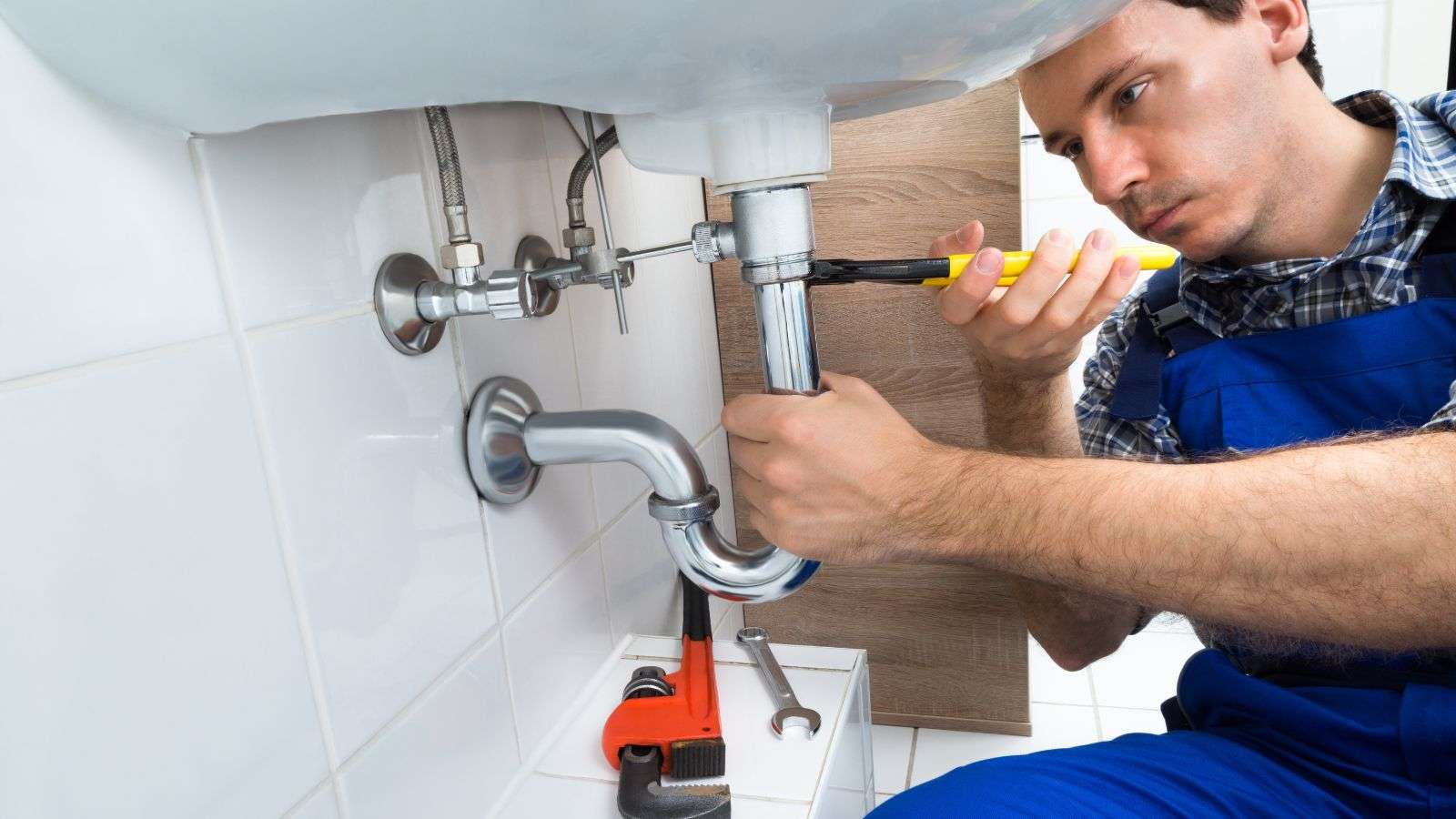
Navigating the task of hiring a professional plumber in Texas can feel daunting. With an abundance of options and crucial considerations to bear in mind, it can be challenging to know where to start and what key points to focus on.
In this article, we unveil the top tips for choosing the right plumber and explore “5 Crucial Things to Look for When Choosing a Plumber in Texas”, providing a comprehensive guide to help you through this process.
5 Crucial things to look for when choosing a plumber in Texas
1. License and insurance
It is helpful to make sure the plumber you choose in Texas is licensed and insured. A valid license indicates that the plumber has met the necessary requirements and possesses the expertise to handle plumbing tasks effectively. Insurance coverage protects you from any liability in the event of accidents or damages that may occur during the plumbing work.
2. Experience and reputation
Consider the plumber’s experience and reputation before making a decision. Look for a plumber who has been in the industry for a significant period, as they are likely to have encountered a wide range of plumbing issues. A good reputation is an indicator of reliable and quality service. Check online reviews and ask for referrals to gauge their reputation.
3. Pricing and transparency
When choosing a plumber, have a clear understanding of their pricing structure. Look for a plumber who provides transparent pricing with no hidden fees or surprises. Request detailed quotes for the plumbing services you require, including labor, materials, and any additional charges. This will help you compare quotes and make an informed decision.
4. Availability and response time
Plumbing emergencies can happen at any time, so it’s essential to find a plumber who offers prompt service and is available when you need them. Inquire about their availability, including after-hours, weekends, and holidays. Ask about their typical response time to emergencies to make sure they can address urgent plumbing issues promptly.
5. Guarantees and warranties
A reliable plumber should offer guarantees and warranties on their work. Inquire about any warranties or guarantees they provide for their services and the products they use. This ensures that if any issues arise after the work is completed, the plumber will take responsibility and rectify the problem without additional cost to you.
Clarifying your plumbing needs: Starting the search right
When starting your search for a plumber, clarify your plumbing needs to make sure you find the right professional for the job. Take the time to identify the specific plumbing issue you’re facing and any additional services you may require. This will help you narrow down your search and find a plumber who specializes in the specific area of expertise needed.
Consider the urgency of the situation and whether it requires immediate attention or can be scheduled for a later date. By clearly articulating your plumbing needs, you’ll be better equipped to communicate with potential plumbers and find one who can address your specific requirements efficiently and effectively.
What makes a plumber reliable?
- Experience and expertise: A reliable plumber has sufficient experience and expertise in handling various plumbing issues.
- License and certification: They possess the necessary licenses and certifications required by the state or local authorities.
- Positive reputation: They have a good reputation within the community, often backed by positive reviews and recommendations.
- Prompt response: They provide prompt responses to inquiries and are readily available to address plumbing emergencies.
- Transparent pricing: They offer transparent pricing, providing detailed estimates and explaining the breakdown of costs.
- Quality workmanship: They consistently deliver high-quality workmanship and make sure the plumbing solutions provided are durable and long-lasting.
- Honesty and integrity: They are honest in their assessments, recommendations, and billing practices, ensuring transparency throughout the process.
- Effective communication: They communicate clearly, explaining the plumbing issues and proposed solutions in a way that the customer can understand.
- Reliable guarantees and warranties: They stand by their work and offer guarantees or warranties on their services to provide peace of mind to the customer.
- Professionalism: They exhibit professionalism in their conduct, appearance, and interactions with customers, treating them with respect and courtesy.
Questions to ask when hiring a plumber in Texas
- Are you licensed and insured? Inquire about their license and insurance coverage to ensure they meet the necessary legal requirements and are adequately protected.
- What is your level of experience? Ask about their experience in the plumbing industry and if they have handled similar plumbing issues in the past.
- Can you provide references or customer testimonials? Request references or testimonials from previous customers to gauge their reputation and the quality of their work.
- What is your pricing structure? Ask for a breakdown of their pricing, including labor, materials, and any additional charges, to maintain transparency and avoid unexpected costs.
- Do you offer guarantees or warranties? Inquire about any guarantees or warranties they provide for their workmanship and the products they use.
- What is your availability? Ask about their availability for appointments, including emergency services, and if they can accommodate your schedule.
- Do you have any specializations? If you have specific plumbing needs or require specialized services, ask if they have expertise in those areas.
- What is your typical response time for emergencies? Find out how quickly they can respond to plumbing emergencies, as prompt service is important in such situations.
- How do you handle the the clean-up and disposal of materials? Discuss how they handle clean-up after completing the job and whether they will dispose of any old materials properly.
- Do you provide a written estimate? Request a written estimate that details the scope of work, costs, and any agreed-upon terms to promote clarity and avoid misunderstandings.
Understanding the importance of hiring a licensed plumber
First of all, a license ensures that the plumber has undergone the necessary training and possesses the required knowledge and skills to handle plumbing tasks effectively and safely. They have met the standards set by regulatory bodies, giving you confidence in their abilities.
Licensed plumbers are often up to date with the latest industry regulations and codes, ensuring that the work they perform complies with legal requirements. This can prevent potential issues and promote the longevity and safety of your plumbing system.
Furthermore, hiring a licensed plumber provides you with recourse in case of any problems or disputes. Licensed professionals are typically insured, protecting you from liability in case of accidents or damages during the plumbing work.
Overall, choosing a licensed plumber gives you peace of mind, knowing that you are working with a qualified professional who is accountable for their actions and committed to delivering quality service.
Assessing your plumber’s experience: Does it really matter?
Yes, assessing your plumber’s experience does indeed matter. Experience is a vital factor when it comes to plumbing because it directly correlates with knowledge and skill. An experienced plumber has likely encountered a wide range of plumbing issues and has developed the expertise to handle them effectively. They are familiar with various types of plumbing systems, fixtures, and tools, enabling them to diagnose problems accurately and provide appropriate solutions.
Moreover, their experience allows them to work more efficiently, saving time and reducing the risk of errors. By choosing an experienced plumber, you increase the likelihood of receiving high-quality workmanship and reliable service. They can also offer valuable insights and recommendations based on their past experiences, helping you make informed decisions about your plumbing needs.
Decoding plumber’s rates: What are you paying for?
| Plumbers’ Rates | Experience/Expertise | Quality of Workmanship | Customer Satisfaction | Price Range |
|---|---|---|---|---|
| Low | Limited or Beginner | Inconsistent | Mixed | $50 to $100 |
| Moderate | Average | Reliable | Satisfactory | $100 – $150 |
| High | Extensive | Excellent | High | $150 – $250+ |
- Low rates: Plumbers with limited experience or those who are just starting out may offer lower rates. However, the quality of workmanship can be inconsistent, and customer satisfaction might vary. Assess their skills and reputation carefully before considering their services.
- Moderate rates: Plumbers with average experience typically provide reliable workmanship and satisfactory results. Their rates reflect a balance between affordability and quality service. They have sufficient knowledge and skills to handle common plumbing issues effectively.
- High rates: Plumbers with extensive experience often command higher rates due to their specialized expertise and excellent workmanship. They consistently deliver high-quality service, ensuring that the plumbing solutions are durable and long-lasting. Customers can expect a high level of satisfaction when opting for plumbers with higher rates.
Checking references and reviews: The good, the bad, and the tell-tale signs
Checking references and reviews is an essential step when hiring a plumber. It provides valuable insights into their reputation and helps you make an informed decision. The good reviews highlight positive experiences, indicating that the plumber has delivered satisfactory results, exhibited professionalism, and provided excellent customer service. These reviews often mention punctuality, efficient problem-solving, and clear communication.
On the other hand, bad reviews can raise red flags, indicating potential issues such as subpar workmanship, excessive delays, poor communication, or overcharging. Look for patterns in the reviews to identify any consistent strengths or weaknesses of the plumber. Pay attention to how the plumber responds to negative reviews, as it reflects their willingness to address and rectify concerns. While one or two negative reviews may not necessarily mean a plumber is unreliable, a pattern of negative feedback should be taken seriously as a tell-tale sign.
Negotiating your contract: What to look out for
- Scope of work: Ensure that the contract clearly defines the scope of work, specifying the tasks and services the plumber will provide. This avoids misunderstandings and confirms that all necessary work is included.
- Timeline: Look for a specified timeline or estimated completion date in the contract. This will help manage expectations and make sure the project is completed within a reasonable timeframe.
- Payment terms: Pay attention to the payment terms outlined in the contract. It should include details such as the total cost, payment schedule, and accepted payment methods. Avoid making a full payment upfront and consider retaining a portion until the work is completed to your satisfaction.
- Materials and equipment: The contract should specify whether the plumber will provide all necessary materials and equipment or if you are responsible for sourcing them. Clarify who will be responsible for any additional costs associated with materials and equipment.
- Warranty/guarantee: Ensure that any warranties or guarantees offered by the plumber are clearly stated in the contract. This protects you in case any issues arise after the completion of the work.
- Insurance coverage: Verify that the contract includes information about the plumber’s insurance coverage. They should have liability insurance to protect you from any damages or accidents that may occur during the project.
- Change orders: Clarify how changes or additional work will be handled. The contract should outline the process for approving and pricing change orders to avoid unexpected costs or disputes.
- Dispute resolution: Look for a clause that outlines the process for resolving disputes, such as mediation or arbitration, rather than resorting to legal action.
- Termination clause: Make sure there is a termination clause in case either party needs to terminate the contract prematurely. Review the conditions and any associated fees or penalties.
- Signatures: Finally, make sure both parties sign and date the contract to acknowledge their agreement and understanding of the terms outlined.
Why warranties and guarantees matter in the plumbing business
First, they provide customers with peace of mind by guaranteeing the quality of the work performed. A warranty or guarantee assures the customer that if any issues arise after the completion of the plumbing work, the plumber will address and rectify them without additional cost. This demonstrates the plumber’s commitment to customer satisfaction and their confidence in their own workmanship.
Second, warranties and guarantees can help build trust between the customer and the plumber. By offering these assurances, the plumber shows that they stand behind their services and are willing to take responsibility for any unforeseen problems. Warranties and guarantees can differentiate a reliable plumber from the competition. It showcases their professionalism, reliability, and willingness to go above and beyond to ensure customer satisfaction.
Overall, warranties and guarantees play a vital role in providing customers with confidence, protection, and a sense of security when hiring a plumber.
Big Home Projects: How it eases your plumber search in Texas
The Big Home Projects online directory can greatly ease your plumber search in Texas. These directories provide a centralized platform where you can find a comprehensive list of plumbers specializing in big home projects. They often include detailed profiles of each plumber, showcasing their experience, certifications, customer reviews, and contact information.
By accessing an online directory, you can easily compare and evaluate multiple plumbers at once, saving you time and effort. These directories may allow you to filter search results based on location, ratings, or specific project requirements, enabling you to find plumbers that are best suited for your needs.
Furthermore, some directories may offer additional features,, such as requesting quotes or scheduling appointments directly through the platform. This streamlines the process of reaching out to plumbers and facilitates seamless communication.