
Navigating through the world of energy conservation can sometimes feel overwhelming, especially when you’re not sure where to start. However, by focusing on your home, a space you have full control over, you can significantly reduce energy consumption and contribute to a sustainable environment.
In this article, you’ll discover effective strategies that are specifically tailored for homeowners in Illinois, from conducting a DIY home energy audit to utilizing renewable energy sources.
10 easy steps to save energy and money in your Illinois home
1. Turn off lights and unplug unused appliances
When you leave a room, make it a habit to turn off the lights to save energy. Unplugging unused appliances can help reduce “phantom” energy consumption. Many devices continue to draw power even when they are turned off, so by unplugging them, you can save energy and lower your electricity bill.
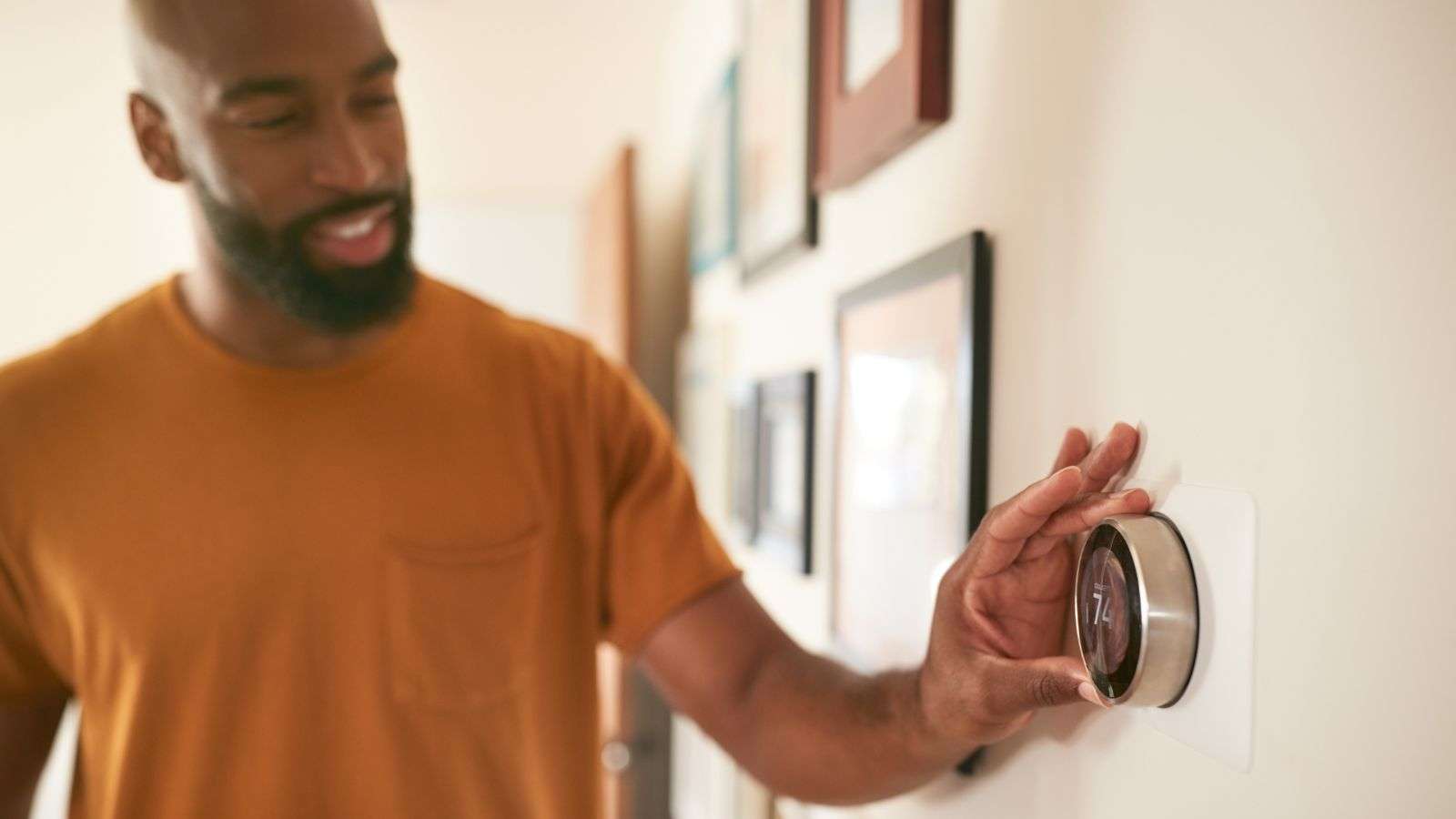
2. Optimize your thermostat settings
Adjusting your thermostat settings can have a significant impact on your energy usage. During the summer, set your thermostat a few degrees higher when you’re away from home or asleep. In the winter, lower it a few degrees when you don’t need as much warmth. By doing this, you can save both energy and money on your heating and cooling costs.
3. Seal air leaks in your home
Air leaks can cause drafts and make your heating and cooling systems work harder than necessary. Check for any gaps or cracks around windows, doors, and other openings, and seal them with weatherstripping or caulk. This simple step can improve the energy efficiency of your home and enhance your comfort level.
4. Use natural light whenever possible
Take advantage of natural light during the day by opening curtains or blinds. This will help reduce the need for artificial lighting and decrease your energy consumption. Not only will this save you money, but it will also create a pleasant and inviting atmosphere in your home.
5. Replace old light bulbs with energy-efficient ones
Consider replacing traditional incandescent bulbs with energy-efficient options like LED or CFL bulbs. These bulbs use significantly less energy and last much longer, which can result in substantial savings over time. They emit less heat, keeping your home cooler during the summer months.
6. Use power strips for electronic devices
Plug multiple electronic devices into a power strip that can be easily turned off when not in use. Many electronics consume standby power even when they are turned off, so using a power strip allows you to completely disconnect them from the power source. This small change can help reduce your electricity consumption.
7. Properly maintain your HVAC system
Regular maintenance of your heating, ventilation, and air conditioning (HVAC) system is essential for optimal energy efficiency. Clean or replace air filters regularly to allow for proper airflow, and schedule professional inspections to keep your system running smoothly. Well-maintained HVAC systems operate more efficiently, saving energy and extending the lifespan of the equipment.
8. Utilize energy-saving settings on appliances
Many appliances have energy-saving settings that can help you reduce your energy usage. For example, set your dishwasher to the “eco” or “energy-saving” mode and use cold water for laundry whenever possible. Be sure to read the manuals of your appliances to discover their energy-saving features and how to activate them.
9. Insulate your home
Proper insulation is crucial for maintaining a comfortable indoor temperature and reducing energy waste. Insulate areas such as attics, walls, and floors to prevent heat loss in the winter and heat gain in the summer. This will help keep your home more energy-efficient throughout the year, resulting in noticeable savings on your utility bills.
10. Consider renewable energy options
Exploring renewable energy sources for your home can be both environmentally friendly and cost-effective in the long run. Investigate solar panels or wind turbines as potential alternatives to traditional energy sources. While these options may require an upfront investment, they can significantly reduce your reliance on fossil fuels and potentially lower your energy bills over time.
Understanding your home’s energy consumption in Illinois
Start by reviewing your utility bills to see your monthly energy usage patterns. Look for any significant changes or spikes in consumption, which can indicate areas where improvements can be made. Consider using a home energy monitoring system, which provides real-time data on your electricity usage. This will help you identify which appliances or activities are consuming the most energy.
Pay attention to peak energy usage times, typically during hot summer months or cold winter months when heating and cooling systems are working harder. By understanding your energy usage patterns, you can make targeted changes such as adjusting thermostat settings, upgrading to energy-efficient appliances, sealing air leaks, and optimizing lighting usage.
Try conducting an energy audit to assess your home’s overall energy efficiency. This audit can identify areas where insulation or weatherization improvements are needed. Remember, being aware of your home’s energy consumption is the first step towards implementing effective energy-saving strategies and reducing your environmental impact while saving money.
Why is saving home energy important?
First of all, it helps to reduce energy consumption, which in turn reduces greenhouse gas emissions and helps mitigate climate change. By using less energy, we decrease the demand for fossil fuels that are responsible for carbon dioxide emissions.
Second, saving home energy can lead to significant cost savings for homeowners. By implementing energy-efficient practices and technologies, such as insulation, smart thermostats, and energy-efficient appliances, homeowners can reduce their utility bills and save money in the long run. Saving home energy contributes to the overall sustainability of our resources.
Energy production requires the extraction and processing of natural resources, which can have negative environmental impacts. By conserving energy, we reduce the need for resource extraction and minimize the associated ecological damage.
How to conduct a DIY home energy audit
- Locate air leaks. Check for drafts around windows, doors, and electrical outlets. Use your hand or a lit candle to detect any air movement. Seal any gaps or cracks with weatherstripping or caulk.
- Inspect the the insulation: Assess the insulation in your attic, walls, and floors. Look for any gaps, thin spots, or signs of deterioration. Add insulation where needed to improve energy efficiency.
- Check windows and doors: Examine the condition of your windows and doors. Look for gaps in the frames or worn weatherstripping. Consider adding weatherstripping or using window film to enhance insulation.
- Assess lighting: Evaluate your lighting fixtures and bulbs. Replace traditional incandescent bulbs with energy-efficient options like LED or CFL bulbs. Consider installing dimmer switches to customize lighting levels and save energy.
- Review thermostat settings: Examine your thermostat settings for heating and cooling. Adjust them to optimize comfort while conserving energy. Consider using a programmable or smart thermostat for more precise control.
- Inspect appliances: Assess the energy efficiency of your appliances. Look for ENERGY STAR labels, which indicate higher-efficiency models. Consider replacing old appliances with more energy-efficient options.
- Evaluate the HVAC system: Check your HVAC system. Clean or replace filters regularly,, and schedule professional maintenance to maintain optimal performance.
- Monitor water usage. Evaluate your water heating system and plumbing fixtures. Insulate hot water pipes, lower the water heater temperature, and fix any leaks promptly to reduce energy consumption.
- Consider energy vampires: Identify electronic devices that consume power even when turned off (e.g., standby mode). Use power strips with switches to completely cut off power to these devices when not in use.
- Review your your energy bills. Analyze your energy bills over several months to identify patterns and changes in consumption. Compare usage with previous years and seek opportunities for improvement.
The role of energy-efficient appliances in your Illinois home
These appliances are designed to use less energy while delivering the same or even better performance compared to their traditional counterparts. By investing in energy-efficient appliances such as refrigerators, washing machines, dishwashers, and air conditioners, you can significantly lower your electricity bills.
In Illinois, where extreme temperatures can lead to high heating and cooling costs, energy-efficient HVAC systems are particularly beneficial. Energy-efficient appliances contribute to environmental sustainability by reducing greenhouse gas emissions associated with energy production. When purchasing appliances, look for the ENERGY STAR label, which indicates that the product meets strict energy efficiency guidelines set by the U.S. Environmental Protection Agency and the Department of Energy.
Simple yet effective energy-saving practices for Illinois homeowners
- Set thermostat temperatures wisely. Adjust your thermostat settings to be slightly warmer in the summer and cooler in the winter, especially when you’re away or asleep.
- Utilize natural light: Open curtains or blinds during the day to make the most of natural light and reduce the need for artificial lighting.
- Unplug unused electronics. Even when turned off, electronics can still consume standby power. Unplug devices or use power strips with switches to fully disconnect them when not in use.
- Seal air leaks: Identify and seal gaps or cracks around windows, doors, and other openings to prevent drafts and improve energy efficiency.
- Upgrade to energy-efficient lighting: Replace traditional incandescent bulbs with energy-efficient LED or CFL bulbs that use less energy and last longer.
- Properly maintain your your HVAC system: Regularly clean or replace air filters, schedule professional maintenance, and ensure proper insulation to optimize your heating and cooling system’s efficiency.
- Use energy-saving settings: Take advantage of energy-saving features on appliances, such as eco modes on dishwashers and using cold water for laundry.
- Manage water usage: Fix leaks promptly, insulate hot water pipes, and consider installing low-flow fixtures to conserve water and reduce water heating costs.
- Consider renewable energy options: Explore the possibility of installing solar panels or utilizing other renewable energy sources to generate clean energy for your home.
- Educate yourself and family members: Raise awareness about energy-saving practices among your household members, encouraging habits like turning off lights when leaving a room and avoiding unnecessary energy consumption.
Detecting and sealing air leaks: Your home’s hidden energy wasters
Air leaks can occur around windows, doors, electrical outlets, pipes, vents, and other openings. They allow conditioned air to escape and outside air to infiltrate, causing drafts, temperature imbalances, and increased energy usage. To detect air leaks, you can conduct a simple visual inspection, feel for drafts with your hand, or use a smoke pencil to see airflow patterns.
Once you’ve identified the leaks, sealing them is key. Use weatherstripping to seal gaps around windows and doors, and apply caulk or foam sealant for cracks and openings in walls, ceilings, and floors. Don’t forget to insulate areas like attics, basements, and crawl spaces to prevent air leakage.
Choosing the right light bulbs: A simple step towards energy efficiency
Traditional incandescent bulbs consume more energy and have a shorter lifespan compared to energy-efficient options like LED (light-emitting diode) and CFL (Compact Fluorescent Lamp) bulbs. LED bulbs are highly energy-efficient, using up to 80% less energy than incandescent bulbs, and they can last up to 25 times longer. CFL bulbs are also energy-efficient, using about 75% less energy and lasting about 10 times longer than incandescent bulbs.
When purchasing light bulbs, look for the ENERGY STAR label, which indicates that the bulb meets high energy efficiency standards. Test a color temperature and brightness level to match your preferences and specific lighting needs.
The significance of proper home insulation in Illinois
Proper home insulation plays a significant role in Illinois, where extreme temperatures are common throughout the year. Insulation helps create a thermal barrier, preventing the transfer of heat between the interior and exterior of your home. In winter, it keeps the cold air out and the warm air inside, reducing the need for excessive heating and lowering energy costs.
In summer, insulation helps keep the hot air out and the cool air in, which leads to more efficient air conditioning and further energy savings. Adequate insulation also improves overall comfort by reducing drafts, controlling humidity levels, and minimizing temperature variations between rooms. Insulation contributes to environmental sustainability by reducing greenhouse gas emissions associated with excessive energy consumption.
Properly insulating your home, including attics, walls, floors, and crawl spaces, is an effective way to enhance energy efficiency, lower utility bills, and create a more comfortable living environment in Illinois.
The benefits of using a programmable thermostat in Illinois
- Energy savings: A programmable thermostat allows you to set different temperature schedules throughout the day, adjusting them automatically based on your needs. This helps optimize energy usage by reducing heating or cooling when you’re away or asleep, resulting in significant energy savings and lower utility bills.
- Improved comfort: With a programmable thermostat, you can ensure that your home is at a comfortable temperature when you wake up or return from work. You can program it to start heating or cooling before you arrive, so you always step into a comfortable environment.
- Convenience and flexibility: Programmable thermostats offer flexibility in scheduling and temperature control. You can easily set up multiple daily schedules to match your routine and make adjustments as needed. Some models even allow you to control the thermostat remotely through smartphone apps.
- Smart temperature management: Many programmable thermostats have advanced features like adaptive learning and smart sensors. These technologies learn your preferences, analyze your usage patterns, and automatically adjust temperature settings to optimize comfort and energy efficiency.
- Compatibility with HVAC systems: Programmable thermostats are often compatible with various heating and cooling systems, including furnaces, heat pumps, and air conditioners. They can be easily integrated into existing setups, making them suitable for most Illinois homes.
- Environmental benefits: By reducing energy consumption, programmable thermostats contribute to environmental sustainability. They help lower greenhouse gas emissions associated with energy production, supporting efforts to combat climate change.
- Long-term cost savings: While there is an upfront cost for purchasing and installing a programmable thermostat, the long-term energy savings can outweigh the initial investment. Over time, the energy savings achieved through optimized temperature control can result in significant cost reductions.
- Increased control over energy usage: Using a programmable thermostat gives you greater control over your energy usage. You can monitor and analyze your heating and cooling patterns, allowing you to make informed decisions about energy-saving adjustments and further optimize your energy consumption in Illinois.
Making use of renewable energy options in Illinois
Illinois has abundant renewable energy resources, including wind and solar power. Installing solar panels on your property allows you to generate clean and sustainable energy, reducing your reliance on traditional fossil fuel-based electricity. In addition to lowering your carbon footprint, solar power can lead to long-term cost savings by offsetting or even eliminating your electricity bills.
Wind power is another viable option in Illinois, with the state being one of the leading producers of wind energy in the United States. Consider exploring community wind projects or purchasing wind energy credits to support renewable energy generation. Taking advantage of renewable energy not only helps combat climate change but also stimulates local economies by creating jobs in the renewable energy sector.
By embracing renewable energy options, Illinois homeowners can contribute to a greener future while enjoying the benefits of sustainable and cost-effective energy.