
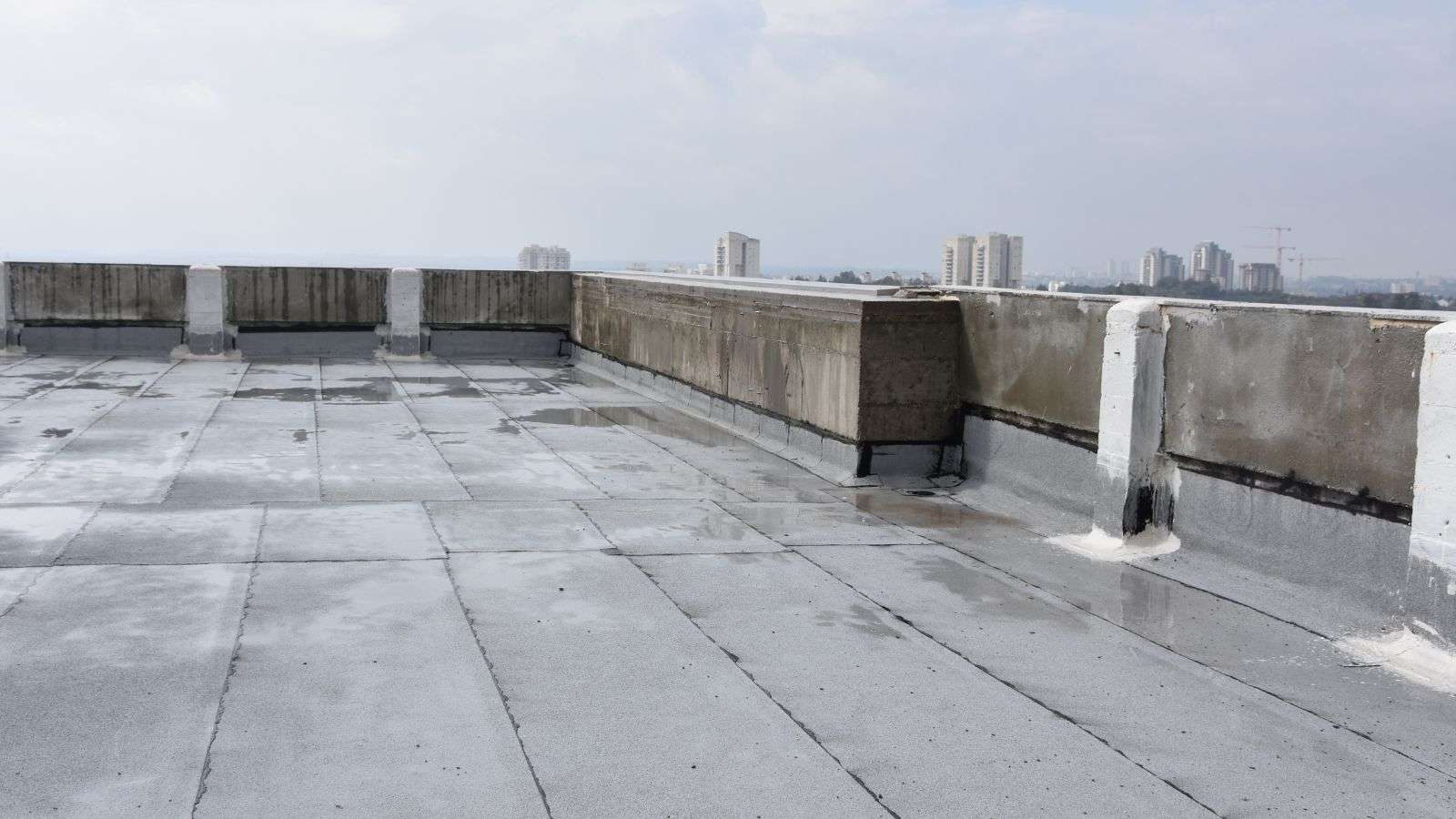
Water pooling on a commercial roof is a common issue that should be addressed promptly to prevent serious structural problems. Unresolved, it can lead to leakage, structural instability, and costly repairs.
In this article, we’ll explore why water pooling occurs and then discuss five effective solutions to combat this challenge head-on.
5 Effective Solutions to Water Pooling
1. Proper Grading and Drainage
Make sure your yard has adequate grading and drainage to prevent water from pooling. This involves creating a slope that allows water to flow away from your property instead of collecting in pools. Here are a few tips to help you:
- Assess your yard. Determine the low-lying areas where water tends to accumulate. This will help you identify the problem areas that require attention.
- Consult an expert. If you’re unsure about the best approach, consider consulting a professional landscaper or drainage specialist. They can provide valuable insights and recommend appropriate solutions.
- Modify the landscape: Adjust the grading of your yard by adding soil or reshaping the terrain. Create a gentle slope away from your home to facilitate proper water drainage.
- Install French drains. French drains are trenches filled with gravel and perforated pipes that redirect water away from specific areas. These drains can be installed strategically to divert water towards more suitable locations.
- Consider rain gardens: Rain gardens are landscaped areas designed to capture and absorb excess water. By incorporating native plants with deep root systems, rain gardens help mitigate water pooling while adding beauty to your yard.
2. Install a Sump Pump
A sump pump is an effective solution for preventing water pooling in basements or crawl spaces. It helps remove excess water and prevent flooding, keeping your property dry and protected. Consider the following when installing a sump pump:
- Choose the right location. Install the sump pump in the lowest part of your basement or crawl space, where water tends to accumulate. This allows for maximum efficiency.
- Proper installation: Follow the manufacturer’s instructions carefully while installing the sump pump. Make sure it’s properly sealed and connected to a suitable drainage system.
- Regular maintenance: Periodically inspect and maintain your sump pump to confirm it’s in good working condition. Test it regularly to verify that it activates when water levels rise.
3. Rainwater Harvesting
Rainwater harvesting not only helps prevent water pooling but also provides an eco-friendly solution for water conservation. Watering plants or washing outdoor surfaces are just two examples of the many uses for collected rainwater, which also helps to decrease runoff. Here’s how you can implement rainwater harvesting:
- Install rain barrels: Place rain barrels under downspouts to collect rainwater from your roof. Make certain they have a screen or cover to prevent debris and mosquitoes from entering.
- Connect a diverter system: Use a diverter system to automatically redirect excess rainwater from your gutters into the rain barrels. This prevents overflow and facilitates efficient collection.
- Proper usage: Use the collected rainwater for non-potable purposes such as watering plants, washing cars, or cleaning outdoor areas.
4. Permeable Paving
If you have issues with water pooling on your driveways, patios, or walkways, consider using permeable paving materials. These allow rainwater to pass through, reducing runoff and preventing pooling. Here are a few options to explore:
- Permeable pavers: These are specially designed pavers with gaps between them, allowing water to infiltrate the ground below. They can be used for driveways, walkways, or patios.
- Gravel or crushed stone: Using gravel or crushed stone as a surface material allows rainwater to seep through easily, preventing pooling and reducing runoff.
5. Strategic Landscaping
Strategic landscaping techniques can also help address water pooling issues effectively. Consider the following:
- Create swales: Swales are shallow channels or depressions in the ground that redirect water flow. Water can be directed away from trouble spots and towards appropriate drainage points by carefully positioning swales in your yard.
- Plant native vegetation: Native plants are well-adapted to local climates and soil conditions, often requiring less water and better drainage capabilities. Incorporating native vegetation in your landscaping can help absorb excess water and prevent pooling.
- Mulch beds: Adding a layer of mulch around plants and in garden beds helps improve soil absorption and reduce surface runoff.
Understanding the Causes of Water Pooling
- Poor soil drainage: One of the primary causes of water pooling is soil with inadequate drainage capabilities. Clay soils, for example, have a high water-holding capacity and can lead to water accumulation on the surface. Improving soil drainage through methods like grading, adding organic matter, or installing drainage systems can help mitigate this issue.
- Improper grading or sloping: Incorrect grading or sloping of the landscape can result in water pooling. If the ground around your property is not properly sloped away from the foundation, water can collect near the building, leading to potential damage. Ensuring proper grading and slope away from your home prevents water from pooling in unwanted areas.
- Blocked or inadequate drainage systems: If your property has drainage systems such as gutters, downspouts, or French drains, blockages or inadequate designs can cause water pooling. Clogged gutters or downspouts prevent proper water flow, while poorly designed or overwhelmed drainage systems may not be able to handle excess water during heavy rainfall. Regular maintenance and ensuring proper installation can help address these issues.
- Lack of vegetation or landscaping features: Insufficient vegetation or landscaping features in your yard can contribute to water pooling. Plants with deep root systems, such as trees or shrubs, help absorb excess water and improve soil drainage. Features like swales or rain gardens can redirect water away from problem areas.
- Impervious surfaces: Hard, impermeable surfaces like concrete driveways, patios, or sidewalks hinder water infiltration into the soil, leading to increased runoff and water pooling. Consider using permeable materials or incorporating gravel beds to allow for better water absorption.
- Topography and natural landscape features: The natural topography of your property can influence water pooling. Low-lying areas, depressions, or slopes that direct water towards specific locations can contribute to pooling. Understanding your property’s natural landscape features can help identify problem areas and guide the implementation of appropriate solutions.
- High water table: In some cases, a high water table can contribute to water pooling. A high water table means that the groundwater level is close to the ground surface, making it difficult for excess water to drain away. Installing a sump pump or implementing other groundwater management techniques may be necessary in such situations.
The Role of Roof Drainage in Preventing Water Pooling
In order to avoid water pooling and possible property damage, it is essential to have proper roof drainage. A well-designed and maintained roof drainage system efficiently directs rainwater away from your roof, preventing it from accumulating and causing water pooling issues. Here’s how it works:
The primary components of a roof drainage system include gutters, downspouts, and splash blocks. Gutters collect rainwater that falls on the roof’s surface, channeling it towards the downspouts. Downspouts then carry the water down to the ground, where splash blocks or extensions make sure the water is directed away from the foundation.
To confirm effective roof drainage:
- Regular maintenance: Clean your gutters and downspouts regularly to prevent debris buildup that can obstruct water flow. Clogged or overflowing gutters can cause water to spill over the sides, leading to pooling near the foundation.
- Proper sizing: The capacity of your gutter system should match the anticipated rainfall intensity in your area. If your gutters are too small or inadequate for heavy rainfall, water may overflow and accumulate on the roof or around the foundation.
- Correct installation: Make sure your gutters are correctly installed with the right pitch to facilitate water flow towards the downspouts. Improperly installed gutters can cause water to pool in certain sections, leading to potential leakage or damage.
- Downspout extensions: Consider using downspout extensions or splash blocks to carry water several feet away from your home’s foundation. This prevents water from pooling near the building and helps protect the structural integrity of your property.
The Effects of Water Pooling on Roof Material and Structure
- Roof leaks: Water pooling on a roof can seep through cracks, gaps, or damaged areas, leading to leaks. Over time, these leaks can cause water damage to the underlying structure, insulation, and interior of your home. If left unaddressed, this can result in costly repairs and potential mold or mildew growth.
- Reduced lifespan of roofing materials: Excessive water pooling on a roof can accelerate the deterioration of roofing materials. For example, constant exposure to standing water can cause shingles to degrade, lose their protective granules, or become warped. This can significantly shorten the lifespan of your roof and necessitate premature replacement.
- Structural damage: Prolonged water pooling can exert additional weight and stress on the roof structure, particularly if it is not designed to handle such loads. Over time, this can compromise the structural integrity of the roof, leading to sagging or even collapse in severe cases. Preventing these structural issues requires proper drainage.
- Mold and mildew growth: Water pooling provides a moist environment that promotes the growth of mold and mildew. These fungi not only pose health risks but can also cause further damage to the roof structure and compromise indoor air quality. Promptly addressing water pooling helps mitigate the risk of mold and mildew infestation.
- Damage to fascia, soffit, and eaves: Water pooling on the roof can also affect the components that surround it. Excess water can damage fascia boards, soffits, and eaves, leading to rotting, warping, or deterioration. This compromises the overall aesthetic appeal and structural integrity of your home’s exterior.
Inspection and Maintenance Are the Key to Alleviating Water Pooling Problems
- Early detection: Regular inspections allow you to identify any signs of water pooling or drainage problems early on. This enables you to take prompt action before the issue worsens or leads to more significant damage. For example, inspecting gutters and downspouts for debris buildup or damage can help prevent clogs and allow for proper water flow.
- Preventive maintenance: Performing routine maintenance tasks can help keep your drainage systems in optimal condition. This includes cleaning gutters and downspouts, removing debris, checking for leaks or cracks, and ensuring proper alignment and pitch. Water pooling due to obstructions or broken parts can be avoided with routine maintenance of these systems.
- Identifying underlying issues: Inspections can reveal underlying issues that contribute to water pooling, such as grading problems, soil compaction, or inadequate drainage designs. By identifying these root causes, you can implement appropriate solutions tailored to your specific situation.
- Prolonging system lifespan: Regular maintenance helps extend the lifespan of your drainage systems and roofing materials. In order to delay the deterioration, corrosion, or early failure of various components, it is important to maintain them clean and in good functioning order.
- Preserving property value: Addressing water pooling problems through inspection and maintenance helps protect the integrity of your property. Keeping your roof, foundation, and other house structures in good repair can help you save money on repairs down the road and keep your home’s value high.
Use of Roof Coatings to Combat Standing Water
Roof coatings can be a valuable solution for combating standing water on flat or low-slope roofs. These specialized coatings create a protective barrier that helps prevent water from pooling and penetrating the roof surface. Here’s how roof coatings can be effective:
- Waterproofing properties: Roof coatings are designed to have excellent waterproofing capabilities, forming a seamless and durable layer on the roof surface. This helps prevent water from seeping into the underlying layers, reducing the risk of leaks and water damage.
- Improved drainage: Some roof coatings have self-leveling properties, which means they can help improve the roof’s slope and promote better drainage. By filling in low spots or depressions, these coatings can redirect water toward the existing drainage systems, preventing water pooling.
- UV protection and reflectivity: Many roof coatings have built-in UV protection that helps shield the roof from the damaging effects of the sun’s rays. Reflective roof coatings can reduce heat absorption, keeping the roof surface cooler and minimizing the expansion and contraction that can lead to ponding.
- Seamless application: Roof coatings are typically applied as liquid membranes that conform to the contours of the roof, resulting in a seamless finish. This eliminates potential entry points for water and enhances the overall effectiveness of the coating in preventing ponding.
- Long-lasting solution: When applied correctly and maintained regularly, roof coatings can provide long-lasting protection against standing water. They can extend the lifespan of the roof, reduce the need for major repairs or replacements, and help maintain a watertight roofing system.
Importance of Professional Assessment and Repair
Effectively addressing water pooling issues and ensuring the long-term integrity of your property are both greatly enhanced by professional assessment and repair. Engaging qualified professionals with expertise in roofing, landscaping, or drainage systems can provide invaluable insights and solutions tailored to your specific needs.
For instance, a professional roofing contractor can conduct a comprehensive assessment of your roof’s condition, identify areas prone to water pooling, and recommend appropriate repair or maintenance measures. Similarly, a certified landscaper can evaluate the grading and drainage of your property, offering expert guidance on implementing strategic landscaping solutions to mitigate water pooling.
By seeking professional assistance, such as those listed in the roofing and landscaping categories on our website directory, Big Home Projects, you can benefit from specialized knowledge and skills that help address water pooling effectively, safeguard your property, and give you long-term peace of mind.
The Hidden Dangers of Ignoring Water Pooling
- Structural damage: Ignoring water pooling can lead to structural damage to your property. Prolonged exposure to standing water can compromise the integrity of the roof, walls, and foundation, potentially leading to costly repairs or even endangering the safety of the structure. For example, water pooling on a flat roof can cause the roof membrane to deteriorate, leading to leaks and structural weakening over time.
- Mold and mildew growth: Neglecting water pooling can create a conducive environment for mold and mildew growth. These microorganisms not only pose health risks but can also cause damage to building materials, compromising indoor air quality and requiring extensive remediation efforts. For instance, water pooling in a basement can result in mold growth, affecting the health of occupants and necessitating professional remediation.
- Decreased property value: Persistent water pooling issues can detract from the aesthetic appeal and functionality of your property, potentially reducing its market value. Buyers may perceive water-related problems as significant concerns, impacting the desirability and resale potential of the property. For instance, visible water stains or damage caused by neglecting roof pooling can deter potential buyers and affect property appraisals.
- Infestation and pest issues: Standing water can attract pests such as mosquitoes, termites, and rodents, creating additional challenges for homeowners. These pests can cause damage to the property and pose health risks to occupants. For example, stagnant water in gutters or around the foundation can become breeding grounds for mosquitoes, increasing the risk of disease transmission.
- Interior damage: Water pooling can eventually lead to interior damage, affecting ceilings, walls, insulation, and personal belongings. Leaks resulting from roof pooling or foundation seepage can impact the interior spaces of the property, necessitating repairs and potentially disrupting daily activities.
Innovative Solutions to Water Pooling
- Green roofs: Green roofs, also known as living roofs, involve the installation of vegetation and a growing medium on the roof surface. This innovative solution not only enhances environmental sustainability but also helps manage rainwater effectively. The vegetation absorbs water and reduces runoff, thus minimizing water pooling on the roof while providing insulation and energy benefits. For example, a green roof installed on a commercial building can significantly reduce stormwater runoff and contribute to the building’s energy efficiency.
- Smart drainage systems: Incorporating smart drainage systems equipped with sensors and automated controls can revolutionize water management. These systems can detect water pooling in real time and adjust the flow or distribution of water accordingly. Smart drainage systems provide proactive and efficient prevention of water pooling by combining technology with conventional drainage solutions. For instance, a smart drainage system can detect areas of excessive water accumulation and redirect the flow to prevent pooling, minimizing the need for manual intervention.
- Permeable pavement technology: Innovative permeable pavement materials, such as porous asphalt or pervious concrete, allow water to infiltrate through the surface and into the ground, reducing runoff and preventing water pooling on driveways, walkways, and parking lots. These materials offer sustainable and effective solutions for managing stormwater while minimizing the risk of surface flooding. For example, a permeable pavement installation in a residential driveway can help prevent water pooling and contribute to groundwater recharge.
- Modular green infrastructure: Modular green infrastructure solutions, such as modular green roofs and living walls, provide flexibility and scalability in addressing water pooling challenges. These modular systems are designed to be easily installed or retrofitted onto existing structures, offering customizable options for managing stormwater and preventing pooling. They can be particularly beneficial in urban environments where space is limited. For instance, a modular green roof system installed on a commercial building can effectively manage rainwater while adding aesthetic and environmental benefits.
How Water Pooling Affects the Lifespan of Your Commercial Roof
Water pooling can significantly impact the lifespan of a commercial roof, leading to various detrimental effects that compromise its integrity. Prolonged standing water on the roof’s surface can accelerate the deterioration of roofing materials, such as membranes or shingles, causing them to degrade, lose their protective properties, and become more susceptible to damage from UV exposure.
The excess weight of pooled water can strain the roof structure, potentially leading to sagging and weakening of the building’s framework. Furthermore, water pooling increases the likelihood of leaks and moisture infiltration, which can result in structural damage, insulation degradation, and mold growth. These issues collectively reduce the lifespan of the commercial roof, necessitating premature repairs or replacement.
For example, on a flat commercial roof, water pooling can lead to membrane degradation, causing leaks and compromising the structural components beneath, ultimately shortening the roof’s lifespan. Proper drainage solutions and routine maintenance are essential for property owners to quickly address water pooling on commercial roofs so that they last longer and continue to function properly.