
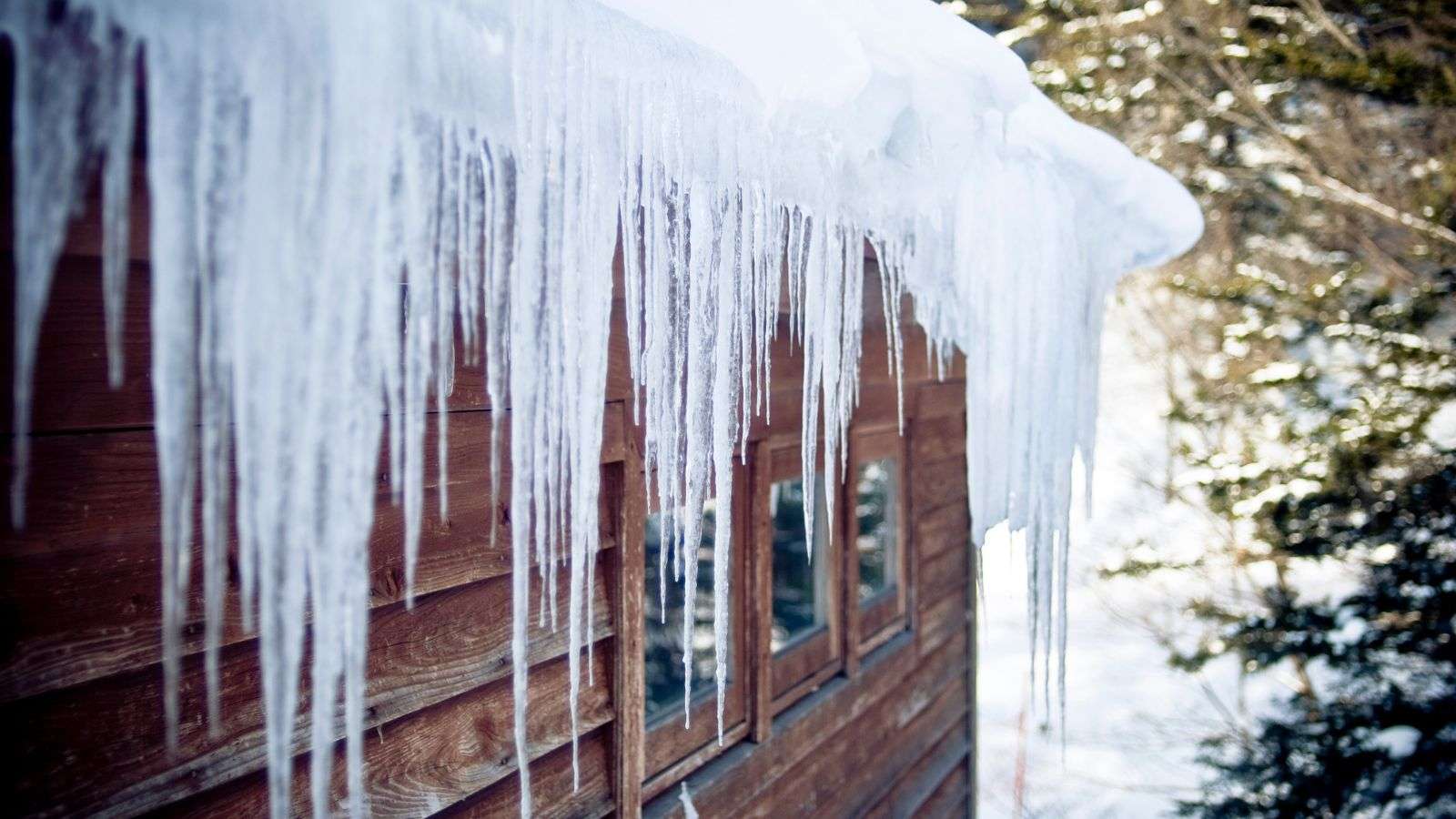
Ice accumulation on roofs is a common winter problem. The ice can damage your roof and pose risks to your home and personal safety.
In this article, we will discuss various aspects related to roof ice, such as the importance of dealing with it, the precautions to take before removing it, and different methods to remove and prevent it.
7 Proven methods to safely remove ice from your roof
1. Ice pick or awl
When it comes to removing ice from your roof, one method you can consider is using an ice pick or awl. To begin, make sure you’re standing on a sturdy ladder before starting the process. Starting from the gutter, gently chip away at the ice, gradually working your way up the roof. Remember to exercise caution and take your time to prevent any damage to your roof. This method should only be used if you have experience and are comfortable working at heights.
If the ice is particularly stubborn, you can try applying a small amount of ice melt or hot water around the edges to loosen it up before using the ice pick or awl.
2. Hot water
Another method to safely melt ice dams is by using hot water. Carefully pour hot water over the ice dam, allowing it to melt gradually. Make sure to use hot water that is not boiling, as extreme temperature differences can potentially damage the roof. This method might be more suitable for smaller ice dams and should be employed cautiously. Always prioritize your safety and consider seeking professional help if needed.
To prevent refreezing, you can consider sprinkling some ice melt after using hot water to remove the ice.
3. Heat cables
Installing heat cables along the roof’s eaves and through the gutter downspouts can be an effective way to melt ice dams. These cables work by generating heat and melting the ice slowly. Install them in a zig-zag pattern, ensuring they cover the areas prone to ice buildup. Remember to follow the manufacturer’s instructions carefully when installing heat cables and make sure they are turned on during icy conditions.
Regularly inspect and maintain your heat cables to ensure they are functioning properly and clear of any debris.
4. Ice melts
Using an ice melt product that is safe for your roof can be an efficient solution for removing ice dams. Look for an ice melt specifically designed for roofs, as it will be gentle enough not to harm the roofing material while effectively melting the ice. Follow the instructions provided by the manufacturer when applying the ice melt and take care not to overuse it.
Avoid using rock salt or other de-icing products that may contain harmful chemicals, as they can potentially damage your roof.
5. Calcium chloride
Consider using calcium chloride, which can help form a brine that lowers the freezing point of water and melts the ice on your roof. This method can be especially useful for larger ice dams. Apply calcium chloride carefully to the affected areas, following the product instructions closely. Remember to wear protective gloves and eyewear when handling any chemical substances.
To prevent damage to vegetation near your roof, it is recommended to place barriers or coverings to catch any runoff from the calcium chloride.
6. Rake snow
Preventing ice dams from forming in the first place is crucial for maintaining a healthy roof. One preventive measure is to use a lightweight roof rake to remove snow from the eaves while it is still soft. By doing so, you reduce the chances of snow melting, refreezing, and forming into ice dams. Make sure to exercise caution when using a roof rake and avoid hitting or damaging your roof during the process.
Consider investing in a roof rake with a telescoping handle for greater convenience and reach.
7. Increase ventilation
Improving ventilation on your roof can help regulate the temperature and prevent ice dams from forming. Add soffit vents and ventilation strips to the eaves of your roof to maintain a consistent and cool airflow. Adequate ventilation can help to evenly distribute heat and prevent snow from melting and refreezing on your roof.
Consult with a professional roofer or contractor to provide proper installation of ventilation systems tailored to your specific roof structure.
Remember, while these methods can be effective in removing ice dams, it’s essential to prioritize safety and consider seeking professional assistance if needed. Regular maintenance and preventive measures are key to keeping your roof in top condition throughout the winter season.
Precautions you should take before removing roof ice
- Safety first: Always prioritize your safety and well-being. Wear appropriate safety gear, such as gloves, eyewear, and non-slip shoes, to protect yourself from potential hazards while working at heights.
- Assess the situation: Before starting the removal process, carefully evaluate the condition of your roof and the extent of the ice buildup. Consider seeking professional advice if you’re unsure about the best course of action.
- Sturdy ladder: Make sure you have a sturdy and stable ladder that is appropriate for the height and slope of your roof. Inspect the ladder for any defects or damage before use.
- Avoid overexertion: Removing ice from a roof can be physically demanding. Take breaks as needed and avoid overexerting yourself to prevent accidents or injuries.
- Avoid sharp tools: While using tools like ice picks or awls, exercise caution to prevent accidental damage to your roof or yourself. Be mindful of nearby electrical wires or other potential hazards.
- Protective coverings: Consider using protective coverings, such as tarps or barriers, to catch any runoff from ice melt products or chemicals, preventing them from reaching vegetation or delicate surfaces.
- Use caution with heat sources. If using hot water or heat cables, make sure you’re using them safely and according to the manufacturer’s instructions. Avoid using open flames or excessive heat sources near your roof, as they can cause fire hazards or damage the roofing material.
- Avoid chemical damage: When applying ice melt products or calcium chloride, carefully follow the instructions provided by the manufacturer. Check that the product is safe for your specific roof type and avoid overusing it to prevent potential damage.
- Professional assistance: If you’re uncomfortable or unsure about removing ice dams on your own, consider hiring a professional roofing contractor with experience in winter maintenance.
How to use an ice pick or awl for ice removal
Begin by ensuring that you are positioned safely on a sturdy ladder. Starting from the gutter, gently chip away at the ice using the ice pick or awl, gradually working your way up the roof.
Take your time and be cautious not to exert excessive force that could potentially damage the roof. This method should only be attempted if you have prior experience and feel comfortable working at heights. In case the ice proves to be stubborn, you can try applying a small amount of ice melt or hot water around the edges to help loosen it before using the ice pick or awl.
Always prioritize your safety by wearing appropriate protective gear, and if necessary, consider consulting a professional for assistance.
Can you use hot water to melt roof ice?
Yes, hot water can be used to melt roof ice. To do so, carefully pour hot water over the ice dam, allowing it to gradually melt. You have to use hot water that is not boiling, as extreme temperature differences can potentially damage the roof.
While this method can be effective for smaller ice dams, it should be employed cautiously. It’s recommended to prioritize safety and consider seeking professional help if dealing with larger or more stubborn ice dams. To prevent refreezing, you can sprinkle some ice melt after using hot water to remove the ice.
Understanding the comprehensive approach of heat cables
Heat cables offer a comprehensive approach to preventing and removing ice dams on roofs. These cables are installed in a zig-zag pattern along the roof’s eaves and through the gutter downspouts. When turned on during icy conditions, they generate heat that helps melt the ice and prevent the formation of ice dams.
Heat cables are effective because they target the areas prone to ice buildup, ensuring that snow and ice melt away from the roof’s edges. Regularly inspecting and maintaining heat cables can help make sure they are functioning properly and free of any debris.
How to select the right ice melt product
- Roof compatibility: Choose an ice melt product that is specifically labeled as safe for your type of roof, whether it is asphalt, metal, or another material. Some ice melts can be corrosive or damaging to certain roof materials, so be sure to check the product’s compatibility.
- Effectiveness: Look for an ice melt product that is known for its effectiveness in melting ice. Read product reviews and consider recommendations from professionals or trusted sources to ensure you select a product that will work efficiently.
- Environmental impact: Consider the environmental impact of the ice melt product you choose. Look for options that are environmentally friendly and biodegradable. Avoid products that contain harmful chemicals or excessive salt content, as they can potentially harm vegetation and surrounding ecosystems.
- Application instructions: Read and follow the application instructions provided by the manufacturer. Make sure you understand how much product to apply, how to apply it properly, and any safety precautions you need to take during the application process.
- Safety: Prioritize safety when selecting an ice melt product. Look for products that are safe for pets, children, and nearby vegetation. Consider non-toxic options that won’t pose a risk to the environment or your household.
- Longevity: Consider the longevity of the ice melt product. Some products may have longer-lasting effects, reducing the need for frequent reapplication. This can be beneficial in areas with prolonged freezing conditions.
- Price: Compare the prices of different ice melt products while considering their effectiveness and compatibility with your roof. Opt for a product that offers good value for money without compromising on quality or safety.
The benefits and risks to using calcium chloride
| Benefits of Calcium Chloride | Risks of Calcium Chloride |
|---|---|
| Lowers freezing point of water, aiding ice melt | Potential damage to vegetation if runoff is not properly managed |
| Effective in melting ice | Can cause corrosion on certain metals |
| Creates a brine that helps melt ice | Skin and eye irritation, if not handled with care |
| Long-lasting effects, reducing the need for frequent reapplication | Can be harmful if ingested by pets or wildlife |
| Widely available and relatively affordable | Potential damage to concrete surfaces |
From the table comparison, it is clear that calcium chloride offers several benefits when used as an ice melt product. It effectively lowers the freezing point of water, aiding in ice melt, and creates a brine that helps melt ice dams effectively. Calcium chloride also has long-lasting effects, which means less frequent reapplication is required.
It is widely available and relatively affordable compared to other options. However, there are also risks associated with using calcium chloride. Improper management of runoff can lead to potential damage to vegetation, and certain metals may be susceptible to corrosion. Care must be taken when handling calcium chloride to avoid skin and eye irritation.
It might be harmful if wildlife or pets eat it. Finally, caution should be exercised when using calcium chloride on concrete surfaces, as it may cause damage.
How can regular snow raking prevent ice dams?
Regular snow raking is an effective preventive measure to help avoid the formation of ice dams on roofs. By using a lightweight roof rake, you can remove snow from the roof’s eaves while it is still soft.
This proactive approach prevents the snow from accumulating and melting, which is a common cause of ice dam formation. By clearing the snow regularly, you are reducing the chances of water seeping under the shingles and refreezing at the roof’s edge. This helps to maintain proper drainage and prevents the buildup of ice dams. You have to exercise caution while snow raking to avoid damaging the roof or yourself.
Is increased ventilation a long-term solution?
Increased ventilation serves as a long-term solution to prevent ice dams on roofs. By adding soffit vents and ventilation strips to the eaves, a consistent and cool airflow is maintained, regulating the temperature of the roof. Proper ventilation helps to distribute heat evenly, preventing snow from melting and refreezing on the roof.
This proactive approach addresses the root cause of ice dam formation by minimizing temperature differentials on the roof surface. While other methods, such as snow raking and ice melt products, offer immediate relief, increased ventilation provides a sustainable solution to mitigate the risk of ice dams over the long term.
What should you do after ice removal?
- Inspect the Roof: After ice removal, thoroughly inspect the roof for any damage or signs of stress caused by the ice dams. Look for loose or damaged shingles, water leaks, and any other potential issues that may have arisen due to the ice buildup.
- Clear Gutters and Downspouts: Make sure gutters and downspouts are clear of any remaining ice, debris, or residual ice melt products. This will help facilitate proper drainage and prevent future ice dam formation.
- Address Insulation and Ventilation: Consider improving insulation and ventilation in the attic or roof space to prevent heat from escaping and causing snow to melt and refreeze. Proper insulation and ventilation can help maintain a consistent roof temperature, reducing the likelihood of future ice dams.
- Repair and Maintain: If any damage is detected during the inspection, prioritize repairs to address any issues promptly. Schedule regular maintenance to keep the roof in optimal condition and prevent potential problems in the future.
- Implement Preventive Measures: Take proactive steps to prevent the reoccurrence of ice dams by utilizing techniques such as regular snow raking, increasing ventilation, and using ice melt products as necessary. By implementing preventive measures, you can reduce the risk of ice dams forming in the future.