
If you’re thinking about getting a metal roof, you may have heard something about “oil canning.” But what is oil canning? Why does it happen, and how do you prevent it?
In this article, we’ll define oil canning and discuss its causes and effects. We’ll also offer some solutions to help you keep your metal roof looking great for years to come!
What is oil canning in metal roofing?
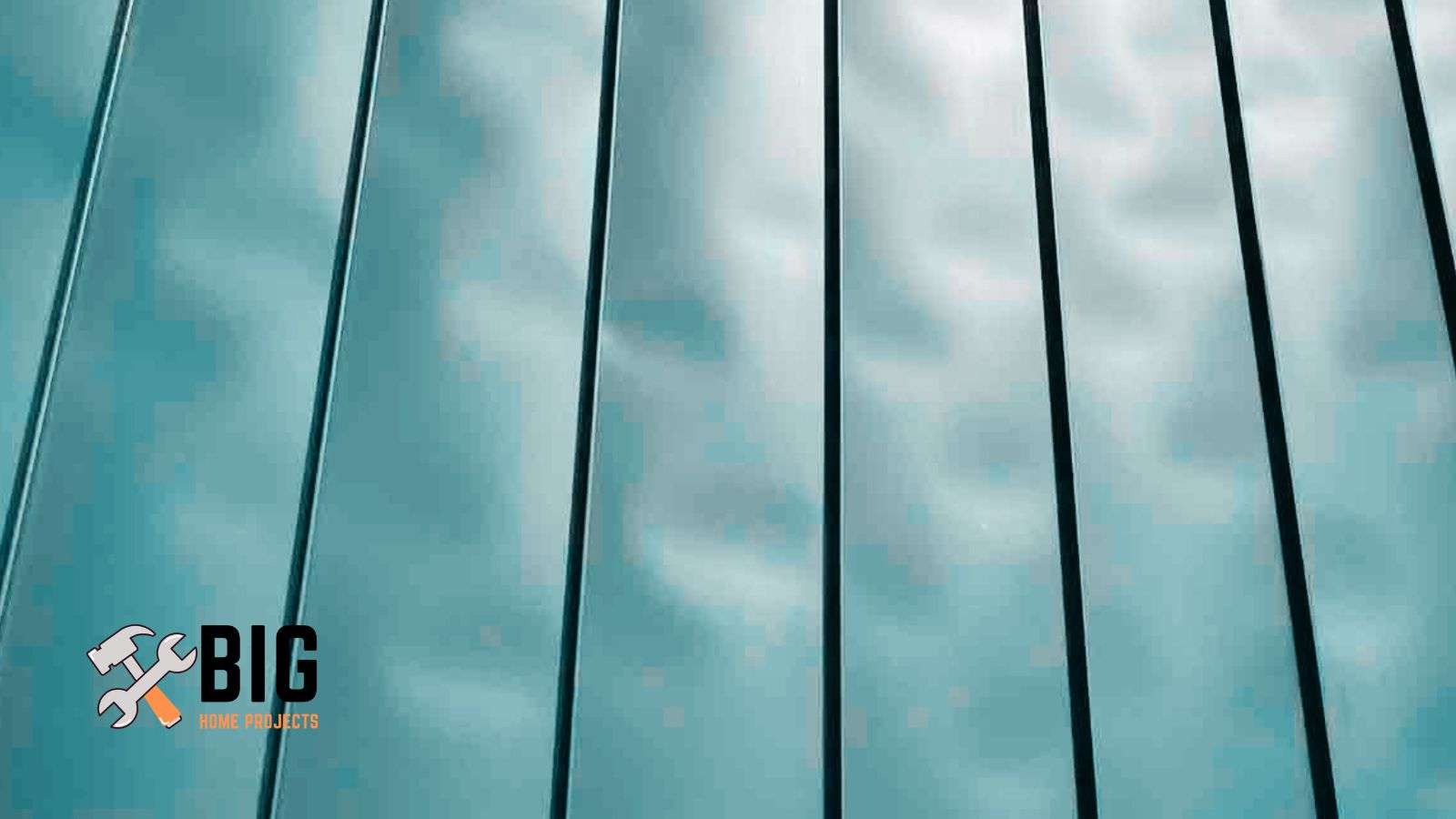
Oil canning, also known as stress wrinkling or elastic buckling, is the term used to describe the visible waviness or ripples that can occur on the surface of a metal roof or wall panel.
It resembles concave and convex shapes, resembling the ripples seen on the surface of an oil can. Oil canning is more commonly observed on thin-gauge metal panels, particularly in metal roofing systems.
The causes of oil canning include thermal expansion and contraction, material properties (such as the malleability of metals like aluminum), panel design and installation issues, and structural deficiencies.
Why is it called oil canning?
The term “oil canning” is used to describe the phenomenon of visible waviness or ripples on the surface of a metal roof or wall panel.
It is called “oil canning” because the appearance of the ripples is reminiscent of the concave and convex shapes seen on the surface of a can of oil when it is pressed or manipulated.
The comparison to an oil can is primarily metaphorical, as the ripples on the metal panel resemble the dents and deformations that can occur on a can of oil.
The term has become widely used in the industry to describe this specific type of surface distortion observed in metal roofing systems.
While the exact origin of the term is not clear, it is likely that the resemblance of the metal panel’s rippling surface to the visual characteristics of an oil can led to the adoption of the term “oil canning” to describe this particular phenomenon.
Is oil canning normal on a metal roof?
Oil canning is a common occurrence in metal roofing systems and is considered a normal characteristic of these types of roofs.
Many factors contribute to oil canning, including material properties, panel design, installation techniques, and thermal expansion and contraction.
While oil canning does not typically affect the performance or functionality of the metal roof, it can be visually undesirable for some building owners.
The perception of oil canning can vary depending on personal preferences and the specific circumstances of the installation. It might not bother some people, while others might find it aesthetically unpleasant.
Efforts can be made during the design and installation processes to minimize the likelihood and visibility of oil canning.
Proper consideration of panel thickness, material selection, panel design, support structures, and installation techniques can help mitigate the appearance of oil canning. However, it may not be entirely eliminated, particularly in thin-gauge metal panels.
What are the signs and symptoms of oil canning on metal roofs?
- Visible waviness: Oil canning is characterized by visible waves or ripples on the surface of the metal roof or wall panel. These waves may appear as concave and convex shapes, creating an uneven or distorted appearance.
- Light and shadow effects: As light reflects off the rippled surface, it can create varying degrees of light and shadow effects, further highlighting the waviness of the metal panel.
- Changing patterns: Oil canning may exhibit different patterns or intensities depending on the lighting conditions and viewing angles. The ripples can appear more pronounced when viewed from certain directions or under specific lighting conditions.
- Distracting reflections: The uneven surface of an oil-canned metal roof can cause reflections that are different from those of a flat, smooth surface. These reflections can be distracting or visually unappealing.
- Audible noise: In some cases, oil canning can produce audible noise, such as a popping or creaking sound, especially when the metal panels expand or contract due to temperature changes.
What are the causes of oil canning on metal roofs?
- Material properties: Certain metals, such as aluminum, are more prone to oil canning due to their inherent malleability. Softer metals can be more easily deformed under stress, leading to visible waviness on the surface.
- Panel design and construction: The design and construction of the metal panels can contribute to oil canning. Factors such as panel thickness, width, and shape can influence the likelihood of oil canning. Panels with larger unsupported spans are more susceptible to oil canning compared to shorter spans with adequate support.
- Thermal expansion and contraction: Metal roofing panels expand and contract with temperature changes. If there is insufficient space for thermal movement or if the metal is not properly restrained, stress can build up and cause oil canning. Inadequate consideration of thermal effects during design or installation can lead to this issue.
- Improper installation: Incorrect installation practices can induce stress concentrations, leading to oil canning. For example, over-tightening of fasteners, inadequate support or attachment methods, or improper handling of thermal expansion and contraction can contribute to oil canning.
- Structural deficiencies: Underlying structural deficiencies can exacerbate the effects of oil canning. Insufficient or inadequate support structures, such as inadequate framing or substrate support, can increase the likelihood of oil canning.
What materials are used in metal roofing that can cause oil canning?
Oil canning can occur in various types of metal roofing materials. While it can potentially affect any metal roof, certain materials are more susceptible to oil canning due to their inherent properties.
These materials include:
- Aluminum: Aluminum is a lightweight and malleable metal, making it more susceptible to oil canning compared to other metals. Its flexibility can lead to easier deformation and visible waviness under stress.
- Copper: Copper is another material that is known to exhibit oil canning tendencies. Although less common in roofing applications, copper’s softness and ductility can contribute to the development of visible ripples.
- Thin-gauge steel: Thin-gauge steel panels, especially those with a lower stiffness or rigidity, may be susceptible to oil canning. Thinner metal sheets have less resistance to deformation, increasing the likelihood of surface waviness.
- Coated or painted metals: The presence of coatings, such as paint or protective finishes, on metal roofing can also influence the occurrence of oil canning. The flexibility and properties of the coating layers can interact with the underlying metal, affecting its behavior and potential for oil canning.
How does the width of the metal roofing panel affect oil canning?
Narrow panels
Narrower metal panels tend to be less prone to oil canning compared to wider panels.
This is because narrower panels have shorter spans between supports, which helps distribute the stresses more evenly and minimize the potential for waviness.
The shorter span reduces the likelihood of significant deflection and deformation in the panel, resulting in reduced oil canning.
Wide panels
Wider metal panels, on the other hand, are more susceptible to oil canning. As the width of the panel increases, the span between supports also increases.
This can lead to increased deflection under load, particularly if the panel thickness or stiffness is not sufficient to resist deformation.
The larger unsupported span can result in more noticeable waves or ripples on the surface of the panel, contributing to oil canning.
Can you leave oil canning on metal roofs alone?
Oil canning on metal roofs can be left alone if it does not affect the performance or functionality of the roof and if it is not a significant concern aesthetically for the building owner. Oil canning is a common characteristic of metal roofs and is generally considered a normal occurrence.
Here are a few factors to consider when deciding whether to leave oil canning as is:
- Structural integrity: Ensure that the oil canning does not compromise the structural integrity of the roof. It is advisable to have a professional inspection to evaluate the situation if there are worries about the structural stability or if the oil canning is associated with other problems like leaks or panel damage.
- Aesthetics: Evaluate the visual impact of the oil canning. While oil canning does not affect the functionality of the roof, some building owners may find it visually displeasing. If the appearance of oil canning is a significant concern, it may be worth exploring potential remedies or alternative roofing options.
- Warranty and manufacturer guidelines: Check the warranty and guidelines provided by the manufacturer of the metal roofing system. Some warranties may cover excessive oil canning or have specific guidelines regarding acceptable levels of oil canning. Ensure compliance with the warranty terms if applicable.
How much does metal roof oil canning cost to repair?
The cost of repairing metal roof oil canning can vary depending on various factors, including the severity of the canning, the size and complexity of the roof, the type of metal roofing system, and the specific repair method chosen.
It is difficult to provide an exact cost without assessing the specific circumstances of the roof in question.
In some cases, minor oil canning can be addressed through relatively simple repairs, such as adjustments to the installation, reinforcement of supports, or localized panel replacements. These repairs may be less costly and can be carried out without significant disruptions to the roof or building occupants.
However, if the oil canning is more severe or widespread, the repair process could involve more extensive measures.
This could include removing and replacing larger sections of the roof, adding additional structural support, or even considering a full roof replacement. These options can be more costly and time-consuming.
What are ways to fix metal roofs with oil canning?
Fixing metal roofs with oil canning can involve various approaches, depending on the severity of the issue and the specific circumstances of the roof. Here are some common methods used to address oil canning:
Adjustment of supports
If the oil canning is localized or caused by inadequate support, adjusting or reinforcing the underlying supports can help alleviate the waviness. This may involve adding or modifying purlins, battens, or other structural elements to better distribute the load and minimize deflection.
Panel replacements
In cases where specific panels exhibit significant oil canning, replacing those panels with new ones can help improve the appearance and reduce waviness. It’s important to ensure that the replacement panels match the existing roofing system in terms of gauge, material, color, and profile.
Fastener adjustments
Fasteners that are either over-tightened or under-tightened in some cases may be the cause of the oil canning. Adjusting the fasteners to the manufacturer’s recommended specifications can help alleviate stress concentrations and reduce the occurrence of oil canning.
Thermal movement considerations
Ensuring that the metal panels have sufficient space to expand and contract with temperature changes is crucial. Providing appropriate allowances for thermal movement during installation and using expansion joints or slip joints can help minimize stress buildup and subsequent oil canning.
Roof reinforcement
For more severe cases or widespread oil canning, additional roof reinforcement measures may be required. This could involve adding extra structural supports, such as braces, trusses, or stiffening ribs, to improve the rigidity and reduce the susceptibility to deformation.
How do you hide oil canning on metal roofs?
Hiding or minimizing the appearance of oil canning on metal roofs can be challenging since it is a characteristic that affects the surface of the panels. While it may not be possible to completely eliminate oil canning, there are some techniques that can help reduce its visibility.
Here are a few approaches:
- Material selection: Choosing metal roofing materials that are less prone to oil canning can help minimize its visibility. Opting for thicker gauge metals or stiffer materials, such as steel rather than aluminum, can provide better resistance to deformation and reduce the occurrence of oil canning.
- Textured or matte finishes: Consider using metal roofing panels with textured or matte finishes instead of smooth, reflective surfaces. Textured finishes can help diffuse light and minimize the visibility of surface imperfections like oil canning.
- Paint or coatings: Applying a paint or coating to the metal roof can help mask the appearance of oil canning. Opt for coatings with textures or patterns that can help camouflage the waviness. It is important to ensure that the coatings are compatible with the metal roofing system and applied according to manufacturer guidelines.
- Proper lighting design: Well-designed lighting can minimize the visibility of oil canning. By strategically placing lighting fixtures and avoiding strong direct lighting, shadows and reflections can be controlled to reduce the emphasis on the waviness of the metal panels.
- Roof design and pattern breakup: Incorporating design elements that break up the visual continuity of the roof can help divert attention from oil canning. This can be achieved through the use of architectural features, parapets, dormers, or incorporating patterns or textures in the roof design that draw the eye away from the areas affected by oil canning.
What types of metal roofing are resistant to oil canning?
While no metal roofing material is completely immune to oil canning, certain types of metal roofing are generally considered to be more resistant than others. Here are some metal roofing materials that are often recognized for their relatively higher resistance against oil canning:
- Standing seam metal roofing: Standing seam roofs are known for their excellent resistance to oil canning. The raised seams, which run vertically or horizontally along the roof, provide structural rigidity and help distribute loads more evenly, reducing the likelihood of significant waviness.
- Structural metal roof panels: Structural metal roof panels, such as snap-lock or mechanically seamed panels, are designed with interlocking mechanisms that enhance the stiffness and strength of the panels. These features can help minimize oil canning by providing added support and reducing deflection.
- Heavy-gauge steel: Choosing thicker gauge steel panels for the metal roof can enhance its resistance to oil canning. Thicker metal is less prone to deformation under stress and can better maintain a flat and even surface, reducing the visibility of waviness.
- Metal roofing with stiffening ribs: Metal panels that incorporate stiffening ribs or corrugations can enhance their resistance to oil canning. The ribs add structural strength and rigidity, minimizing the potential for surface waviness.
- Composite metal panels: Composite metal panels consist of two metal sheets bonded to a core material, such as foam insulation or another metal layer. These panels offer increased rigidity and stability, making them less susceptible to oil canning compared to single-layer metal panels.
9 ways to prevent oil canning in metal roofing
1. Proper panel spacing
Ensure proper spacing between metal roof panels during installation. Follow the manufacturer’s guidelines and specifications for the recommended panel spacing. This allows for proper thermal expansion and contraction, reducing stress on the panels and minimizing the risk of oil canning.
2. Adequate structural support
Ensure that the metal roof has adequate structural support, such as purlins, battens, or trusses. Properly spaced and robust supports help distribute the load evenly across the panels, minimizing deflection and potential oil canning.
3. Optimal panel thickness
Select metal panels with an appropriate gauge or thickness for the specific roofing application. Thicker panels generally have more resistance to deformation, reducing the likelihood of oil canning.
4. Consider panel profile and design
Choose metal roofing panels with profiles and designs that are less prone to oil canning. Standing seam roofs, structural panels, or panels with stiffening ribs are examples of designs that provide better rigidity and minimize waviness.
5. Control thermal movement
Account for thermal expansion and contraction by incorporating expansion joints, slip joints, or other appropriate mechanisms. Allowing for proper thermal movement helps prevent the buildup of stress and minimizes the risk of oil canning.
6. Proper fastener installation
Follow manufacturer guidelines and recommendations for fastener installation. Over- or under-tightening of fasteners can contribute to stress concentrations and potential oil canning. Use the recommended number and type of fasteners per panel.
7. Professional installation
Make sure that professionals with experience and training who are knowledgeable about proper installation techniques install the metal roofing. Improper installation practices can lead to increased stress and oil canning.
8. Material selection
Consider using metal roofing materials that are known for their resistance to oil canning, such as standing seam systems or thicker gauge steel. Consult with suppliers or manufacturers who can provide guidance on materials that are less prone to oil canning.
9. Regular maintenance and inspection
Regularly inspect the metal roof for signs of oil canning or other issues. Address any potential problems promptly to prevent them from worsening. Perform routine maintenance to keep the roof in optimal condition and minimize the risk of oil canning.
Is oil canning on metal roofs covered by insurance?
Generally, standard homeowner’s insurance policies do not cover cosmetic issues or the normal wear and tear of a roof, which may include oil canning. However, there are a few factors to consider:
- Additional coverage: Some insurance policies may offer optional coverage extensions or endorsements that provide coverage for cosmetic damage to the roof, including oil canning. It is essential to review your policy or consult with your insurance provider to understand what specific coverage options are available.
- Underlying damage: If the oil canning is a result of an underlying issue that leads to functional damage or compromises the integrity of the roof, such as leaks or structural problems, it may be covered under the policy’s provisions for roof damage or structural damage.
- Specific policy language: Insurance policies can have varying terms and conditions, so it is crucial to carefully review the policy language and discuss it with your insurance provider. They can provide the most accurate information about the coverage available for oil canning or related issues.
- Cause of the oil canning: The cause of the oil canning may also impact coverage. If the oil canning is a result of a covered peril, such as severe weather events like hail or wind damage, there may be a higher likelihood of insurance coverage.
What are good alternatives to metal roofing that don’t require oil canning?
If you are looking for roofing alternatives that do not exhibit oil canning, there are several options available. Here are some popular alternatives to metal roofing:
- Asphalt shingles: Asphalt shingles are one of the most common roofing materials. They are affordable, easy to install, and come in a wide range of colors and styles. Asphalt shingles do not experience oil canning as they are not prone to the same type of deformations as metal panels.
- Clay or concrete tiles: Clay or concrete tiles are durable and offer an aesthetically appealing option for roofing. They come in various shapes, sizes, and colors, providing versatility in design. Tiles are not susceptible to oil canning since they are solid and rigid.
- Synthetic roofing materials: Synthetic roofing materials, such as synthetic slate or synthetic shake, mimic the appearance of natural materials while offering enhanced durability and resistance to issues like oil canning. These materials are typically made from polymers or composites and can withstand various weather conditions.
- Wood shingles or shakes: Wood shingles or shakes can provide a natural and rustic look to a roof. While they require regular maintenance to prevent issues like rot or mold, they do not experience oil canning.
- Slate roofing: Slate is a premium roofing trial known for its longevity and elegance. It is a durable and natural stone that does not deform or exhibit oil canning.
- Fiber cement roofing: Fiber cement roofing offers a combination of durability and affordability. It is made from a mixture of cement, cellulose fibers, and sand, providing a stable and rigid roofing option that does not experience oil canning.
Other interesting articles:
- The Difference Between Galvalume vs Galvanized Metal Roofing (A Full Guide to Help You Decide)
- Best Roofing Specialists Near Fort Worth, TX (Top 10 Roofing Specialists and What They Do)
- Affordable, Reliable Roofing Near Fort Worth (10 Best Contractors on a Budget)
- The Best Roofing Shovels for Beginner Roofers (These Are Reliable and Very Durable!)