
Roofs aren’t just the topping or crowning glory of your house; they’re the first line of defense against the elements. Understanding the kinds of materials that certified roofers prefer can help homeowners make informed decisions about their own roofing choices.
In this article, we’ll discover the top roofing materials that certified roofers prefer and why, delve into the lifespan of these materials, analyze the cost, assess their versatility and environmental friendliness, and much more.
7: Most preferred roofing materials, according to certified roofers
1. Asphalt shingles
Asphalt shingles are the most commonly used roofing material due to their affordability, durability, and ease of installation. They come in a variety of colors and styles to suit different architectural designs. One advantage of asphalt shingles is their resistance to fire and wind, making them suitable for various climates. Proper maintenance, such as regular inspections and repairs, can extend the lifespan of asphalt shingles beyond their typical 20–30-year range.
2. Metal roofing
Metal roofing has gained popularity in recent years due to its longevity, energy efficiency, and aesthetic appeal. It is available in various materials, such as aluminum, steel, or copper, each with its own advantages. Metal roofs are known for their durability and can last up to 50 years or more with proper care. They are resistant to fire, insects, and rot. Metal roofing can also be installed over existing roofs, reducing labor costs.
3. Clay or concrete tiles
Clay or concrete tiles are known for their distinctive appearance and durability. They can enhance the architectural style of a building and provide excellent protection against extreme weather conditions. These tiles are resistant to fire, rot, and insects while offering good insulation properties. However, they are heavier than other roofing materials, so you have to make sure the structure can support their weight before installation.
4. Wood shingles or shakes
Wood shingles or shakes create a natural and rustic look for a roof. They are typically made from cedar, redwood, or pine and offer good insulation properties. However, they require regular maintenance to prevent moss or rot growth. Proper treatment with preservatives can enhance their durability and resistance to fire. Wood shingles or shakes can last between 25 and 30 years when properly cared for.
5. Slate roofing
Slate roofing is renowned for its elegance and longevity. It is a natural stone material that can withstand harsh weather conditions and resist fire. Slate roofs can last for over a century with minimal maintenance. The unique beauty of slate roofing adds value to any property. However, slate is relatively heavy and requires professional installation due to its fragile nature.
6. Synthetic roofing materials
Synthetic roofing materials, such as rubber or plastic polymers, offer a cost-effective alternative to natural materials while mimicking their appearance. They are lightweight, durable, and resistant to extreme weather conditions. Synthetic roofs can be designed to resemble asphalt shingles, wood shakes, or even slate tiles. They require less maintenance compared to traditional materials and have a longer lifespan.
7. Green roofs
Green roofs are an environmentally friendly option that utilizes vegetation as a roofing material. They provide insulation, absorb rainwater, reduce the heat island effect, and improve air quality. Green roofs require specialized installation and maintenance to maintain proper drainage and plant health. While they may not be suitable for all structures, they offer numerous benefits in terms of energy efficiency and sustainability.
Which factors influence the roofers’ preference?
- Durability: Roofers consider the durability of a roofing material, as it directly affects how long the roof will last and how well it can withstand various weather conditions.
- Affordability: The cost of the roofing material is a strong factor for both roofers and homeowners. Roofers take into account the material’s price per square foot and its overall value for money.
- Ease of installation: Roofers prefer materials that are easy to install, as it reduces labor costs and installation time. Materials that require specialized skills or equipment may be less preferred.
- Resistance to fire: Fire resistance is a big factor, especially in areas prone to wildfires or with strict building codes. Roofers prioritize materials that have a high resistance to fire to guarantee safety.
- Resistance to wind: Roofers consider the wind resistance of a roofing material, especially in regions with strong winds or hurricanes. Materials that can withstand high wind speeds are preferred to minimize potential damage.
- Aesthetic appeal: The visual appeal of a roofing material plays a role in the roofer’s preference. They consider how well the material complements the overall architecture and style of the building.
- Environmental impact: Some roofers prioritize materials that are environmentally friendly, such as those made from recycled content or that can be easily recycled at the end of their lifespan. Sustainable options are becoming increasingly popular.
- Insulation properties: Roofers may consider the insulation properties of a material, as it can impact energy efficiency and reduce heating or cooling costs for homeowners.
- Weight: The weight of a roofing material is vital, as it must align with the structural capacity of the building. Roofers assess whether the existing structure can support the weight of the chosen material.
- Maintenance requirements: Roofers take into account the maintenance needs of different materials. Some materials may require regular inspections, cleaning, or treatments to maintain their longevity and performance.
The role of climate in roofing material selection
Different climates present varying challenges, such as extreme temperatures, high winds, heavy rainfall, or snowfall. Roofers consider these factors to make sure the chosen material can withstand the specific climate conditions of the area. For example, in hot climates, roofers may prioritize materials with high reflectivity and heat resistance to minimize heat absorption and reduce cooling costs.
In regions prone to high winds or hurricanes, roofers opt for materials with excellent wind resistance to prevent damage. In areas with heavy rainfall or snowfall, roofers select materials that have good water-shedding capabilities and can withstand the weight of accumulated precipitation. Roofers may take into account the potential for mold or algae growth in humid climates and choose materials that are resistant to such issues.
The lifespan of preferred roofing materials
| Roofing Material | Estimated Lifespan |
|---|---|
| Asphalt Shingles | 20-30 years |
| Metal Roofing | 50 years or more |
| Clay or Concrete Tiles | 50 years or more |
| Wood Shingles or Shakes | 25-30 years |
| Slate Roofing | Over a century |
| Synthetic Roofing Materials | Varies, typically longer than traditional materials |
| Green Roofs | Varies; proper maintenance required |
From the table, several insights can be gathered regarding the lifespan of preferred roofing materials. Asphalt shingles have an estimated lifespan of 20–30 years, making them a popular choice due to their affordability. Metal roofing and clay or concrete tiles offer significantly longer lifespans, with both materials lasting for 50 years or more. Wood shingles or shakes have a lifespan of 25–30 years, while slate roofing stands out with a lifespan that can surpass a century when properly maintained.
Synthetic roofing materials vary in lifespan but generally offer longevity comparable to or exceeding that of traditional materials. Green roofs have a lifespan that varies based on maintenance practices, highlighting the importance of proper care to maximize their longevity.
The cost analysis of preferred roofing materials
- Asphalt shingles: Asphalt shingles are the most affordable roofing material among the preferred options. On average, they can cost between $1.50 and $5 per square foot, depending on factors such as quality, brand, and location. Compared to other preferred materials, asphalt shingles generally have a lower price range, making them a cost-effective choice.
- Metal roofing: Metal roofing tends to have a higher upfront cost compared to asphalt shingles. The price range for metal roofing can vary significantly depending on the type of metal used (such as aluminum or steel) and the design complexity. On average, metal roofing can cost between $7 and $15 per square foot. While the initial cost may be higher, the long lifespan and durability of metal roofing can provide cost savings in the long run.
- Clay or concrete tiles: Clay or concrete tiles are considered a premium roofing option and usually come with a higher price tag compared to asphalt shingles. The price range for clay or concrete tiles can vary greatly depending on factors such as design, size, and quality. On average, clay or concrete tiles can cost between $10 and $20 or more per square foot. The aesthetic appeal and longevity of these tiles contribute to their higher cost.
- Wood shingles or shakes: Wood shingles or shakes are typically more expensive than asphalt shingles but still more affordable than some premium options. The price range for wood shingles or shakes can vary depending on the type of wood used and the specific style. On average, wood shingles or shakes can cost between $6 and $10 per square foot. The natural appearance and unique charm of wood contribute to its higher price compared to asphalt shingles.
- Slate roofing: Slate roofing is considered a high-end roofing material and comes with a significantly higher price compared to other options. The price range for slate roofing can vary depending on factors such as quality, thickness, and color variations. On average, slate roofing can cost between $15 and $30 or more per square foot. The premium cost reflects the exceptional durability, longevity, and elegant appearance of slate.
- Synthetic roofing materials: Synthetic roofing materials offer a range of prices depending on the specific type and brand. They generally fall within the mid-range in terms of cost, with prices varying from $5 to $12 per square foot. Synthetic materials can mimic the look of premium options like wood shakes or slate while providing additional benefits such as lower maintenance requirements and lower installation costs.
- Green roofs: Green roofs are typically more expensive to install compared to conventional roofing materials due to the additional components required for proper drainage and plant support. The cost can vary significantly depending on factors such as roof size, type of plants used, and complexity of the installation. On average, green roofs can cost between $15 and $25 or more per square foot. However, green roofs offer unique environmental benefits and potential energy savings over time.
The versatility of the roofers’ preferred materials
The roofers’ preferred materials offer a high degree of versatility in terms of their applications and compatibility with different architectural styles. Asphalt shingles, being the most commonly used roofing material, come in a wide range of colors and styles, allowing homeowners to find a suitable option for their desired look.
Metal roofing can be formed into various profiles, including standing seam, corrugated, or even traditional shingles, providing versatility in design choices. Clay or concrete tiles offer a timeless and elegant appearance that complements both modern and traditional architecture. Wood shingles or shakes add a rustic and natural charm to a structure and can be stained or painted to match different color schemes.
Slate roofing, known for its distinctive beauty, is highly versatile and can enhance the aesthetic appeal of any building style. Synthetic roofing materials are designed to mimic the appearance of other materials, such as wood shakes or slate, offering flexibility in achieving desired aesthetics at a lower cost. Green roofs provide a unique and eco-friendly option, allowing for the integration of vegetation on rooftops, regardless of architectural style.
How environmentally friendly are the preferred roofing materials?
The preferred roofing materials have varying degrees of environmental friendliness. Asphalt shingles, while widely used for their affordability, are not considered the most environmentally friendly option. They are made from petroleum-based materials and have a relatively short lifespan, contributing to landfill waste. Metal roofing is highly recyclable and can often be made from recycled materials.
It is energy-efficient and reflects sunlight, reducing the need for cooling. Clay or concrete tiles are durable, long-lasting, and made from natural materials, but their production process can have a higher environmental impact due to energy consumption and emissions. Wood shingles or shakes, if sourced sustainably, can be an environmentally friendly choice. They are biodegradable and have a lower carbon footprint compared to some other materials.
Slate roofing is a natural stone material with a long lifespan and minimal environmental impact once installed. Synthetic roofing materials can be made from recycled content and are often designed to be more durable and energy-efficient than traditional options. Green roofs provide excellent insulation, reduce stormwater runoff, and contribute to air purification.
Understanding the installation process of the preferred materials
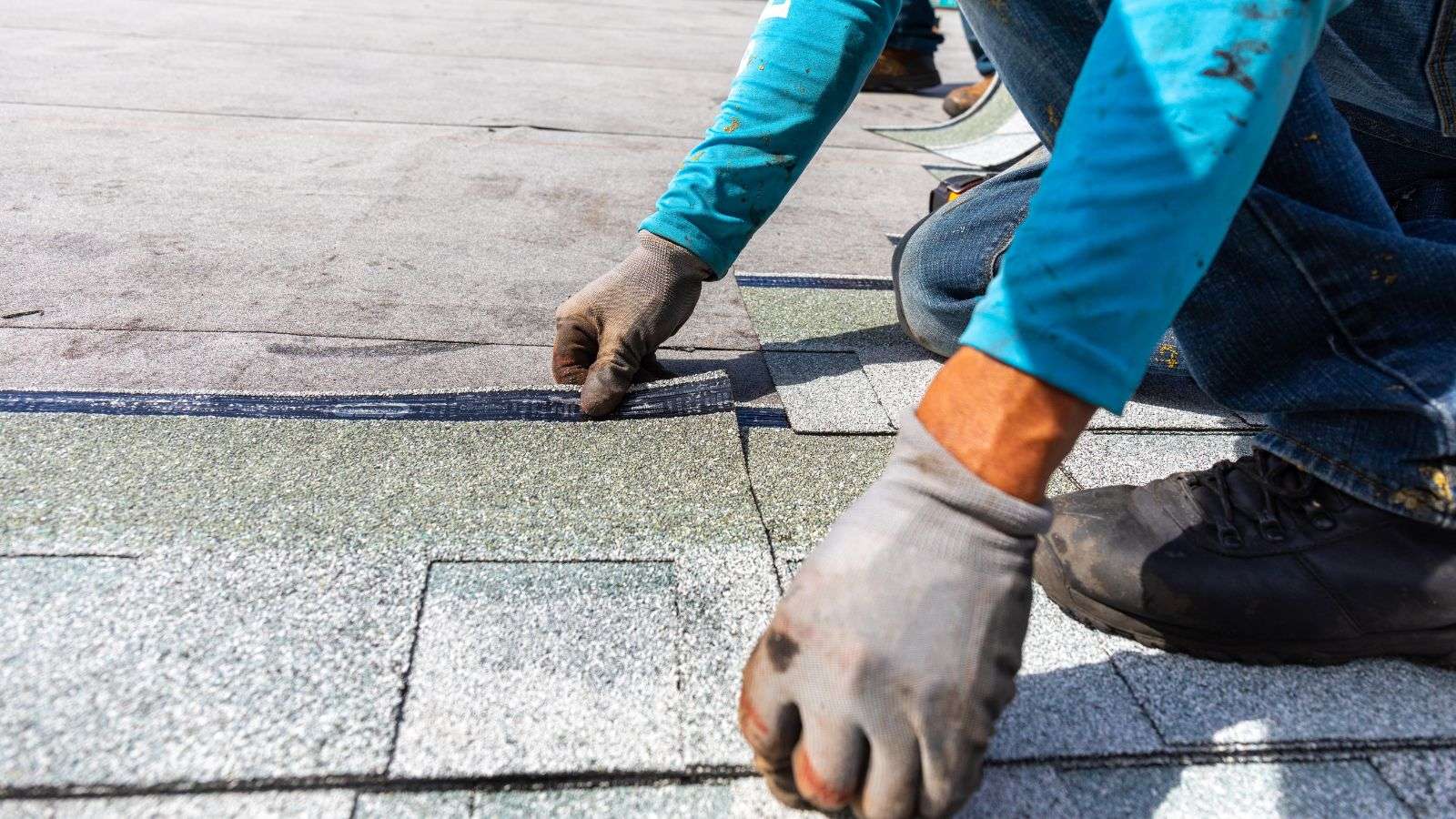
The installation process of the preferred roofing materials can vary depending on the specific material and the expertise of the roofing professionals. For asphalt shingles, the process typically involves preparing the roof deck, applying an underlayment, and then installing the shingles in overlapping layers. Metal roofing installation may involve laying down a moisture barrier, attaching metal panels or shingles, and securing them with fasteners.
Clay or concrete tiles are installed by first ensuring proper roof deck preparation, followed by placing the tiles in a specific pattern and securing them with fasteners or mortar. Wood shingles or shakes are typically nailed to the roof deck in an overlapping fashion, with proper attention to ventilation and moisture control.
Slate roofing requires careful handling due to its fragility, and professional installation is important in making sure there’s proper attachment and alignment of each slate tile. Synthetic roofing materials are generally designed for ease of installation, often utilizing interlocking systems or adhesive methods. Green roofs require specialized installation techniques to create a suitable growing medium, ensure proper drainage, and install the necessary layers for vegetation support.
Maintenance requirements for the roofers’ favorite materials
- Asphalt shingles: Asphalt shingles require regular maintenance to ensure their longevity and performance. This includes periodic inspections for damage or signs of wear, such as cracked or missing shingles. Any damaged shingles should be replaced promptly to prevent leaks. Keeping the roof clean from debris and regularly clearing gutters can help prevent water buildup and potential damage.
- Metal roofing: Metal roofing generally requires minimal maintenance. However, you have to inspect the roof periodically for any loose or damaged panels. Removing any debris that may accumulate on the roof, such as leaves or branches, can help maintain its appearance and prevent potential issues.
- Clay or concrete tiles: Clay or concrete tiles are durable and require minimal maintenance. Regular inspections should be conducted to identify any cracked or broken tiles, which should be replaced promptly. Keeping the roof clean from debris, such as leaves or moss, can help prevent potential water damage or clogging of drainage systems.
- Wood shingles or shakes: Wood shingles or shakes require regular maintenance to prevent moss or rot growth. Periodic inspections should be done to identify any damaged or deteriorated shingles, which should be replaced as needed. Proper treatment with preservatives can enhance their durability and resistance to fire and moisture.
- Slate roofing: Slate roofing is known for its longevity and low maintenance requirements. However, periodic inspections should be conducted to identify any damaged or loose tiles. To prevent breakage, you have to avoid walking on the roof, and only experts with experience working with slate roofing should perform any necessary repairs.
- Synthetic roofing materials: Synthetic roofing materials generally require minimal maintenance compared to traditional options. Regular inspections can help identify any damage or loose components that may need repair. Keeping the roof clean from debris can help maintain its appearance and prevent potential issues.
- Green roofs: Green roofs require specialized maintenance to guarantee their health and performance. This includes regular inspection of the vegetation for signs of stress or disease, as well as monitoring and managing the irrigation system to maintain proper moisture levels. Periodic removal of weeds and debris is necessary to maintain the health of the plants and prevent clogging of drainage systems.
Safety and durability: Why roofers choose these materials
Roofers choose these materials based on their exceptional safety and durability characteristics. Asphalt shingles, favored for their cost-effectiveness, provide reliable protection against fire and wind, making them suitable for various climates.
Metal roofing offers longevity and resistance to extreme weather conditions, including high winds and heavy rainfall, while also being energy-efficient. Clay or concrete tiles are known for their ability to withstand harsh weather and provide excellent fire resistance. Wood shingles or shakes, when properly maintained, offer good insulation and weather resistance. Slate roofing stands out for its exceptional durability, with a lifespan that can surpass a century when professionally installed and maintained.
Synthetic roofing materials provide a blend of durability and low maintenance requirements, making them a practical choice for many homeowners. Green roofs offer environmental benefits, such as insulation and stormwater management, while contributing to the overall longevity and sustainability of the building.
Warranty and insurance: Understanding the benefits of preferred roofing materials
- Asphalt shingles: Many asphalt shingle manufacturers offer warranties ranging from 20 to 30 years, providing coverage for defects and premature deterioration. The availability of warranties enhances consumer confidence and provides financial protection in case of unexpected issues. Homeowners with asphalt shingle roofs may qualify for insurance premium discounts due to the fire and wind resistance of these materials, potentially resulting in long-term cost savings.
- Metal roofing: Metal roofing often comes with long-term warranties, typically ranging from 30 to 50 years, ensuring protection against manufacturing defects and premature failure. The durability and weather resistance of metal roofing materials can lead to insurance premium discounts for homeowners, as they are less prone to damage from elements such as hail, wind, and fire.
- Clay or concrete tiles: Clay or concrete tile roofs are well-known for their durability and frequently come with warranties ranging from 30 to 50 years. The robust nature of these materials can lead to favorable insurance terms and potential premium discounts, as they offer excellent resistance to fire and extreme weather conditions.
- Wood shingles or shakes: Wood shingle or shake warranties typically range from 20 to 30 years, providing coverage against manufacturing defects and premature decay. While insurance benefits may vary, the natural beauty and durability of wood roofing materials can contribute to the overall value of a property and potentially lead to insurance premium discounts.
- Slate roofing: Slate roofing is well-known for its durability and frequently comes with warranties lasting 50 to 100 years or even a lifetime. The exceptional durability and resistance of slate can translate into favorable insurance terms and potential premium discounts due to its fire resistance and long lifespan.
- Synthetic roofing materials: Warranties for synthetic roofing materials vary by manufacturer but often provide coverage for an extended period, typically ranging from 30 to 50 years. The durability and low maintenance requirements of synthetic materials can lead to insurance benefits, potentially resulting in cost savings over the long term.
- Green roofs: While warranties for green roof systems may vary, the environmental benefits and energy efficiency they offer can lead to insurance incentives, such as reduced premiums or eligibility for green building certification programs. Green roofs may also contribute to improved stormwater management, potentially leading to insurance benefits related to flood protection or water damage prevention.