
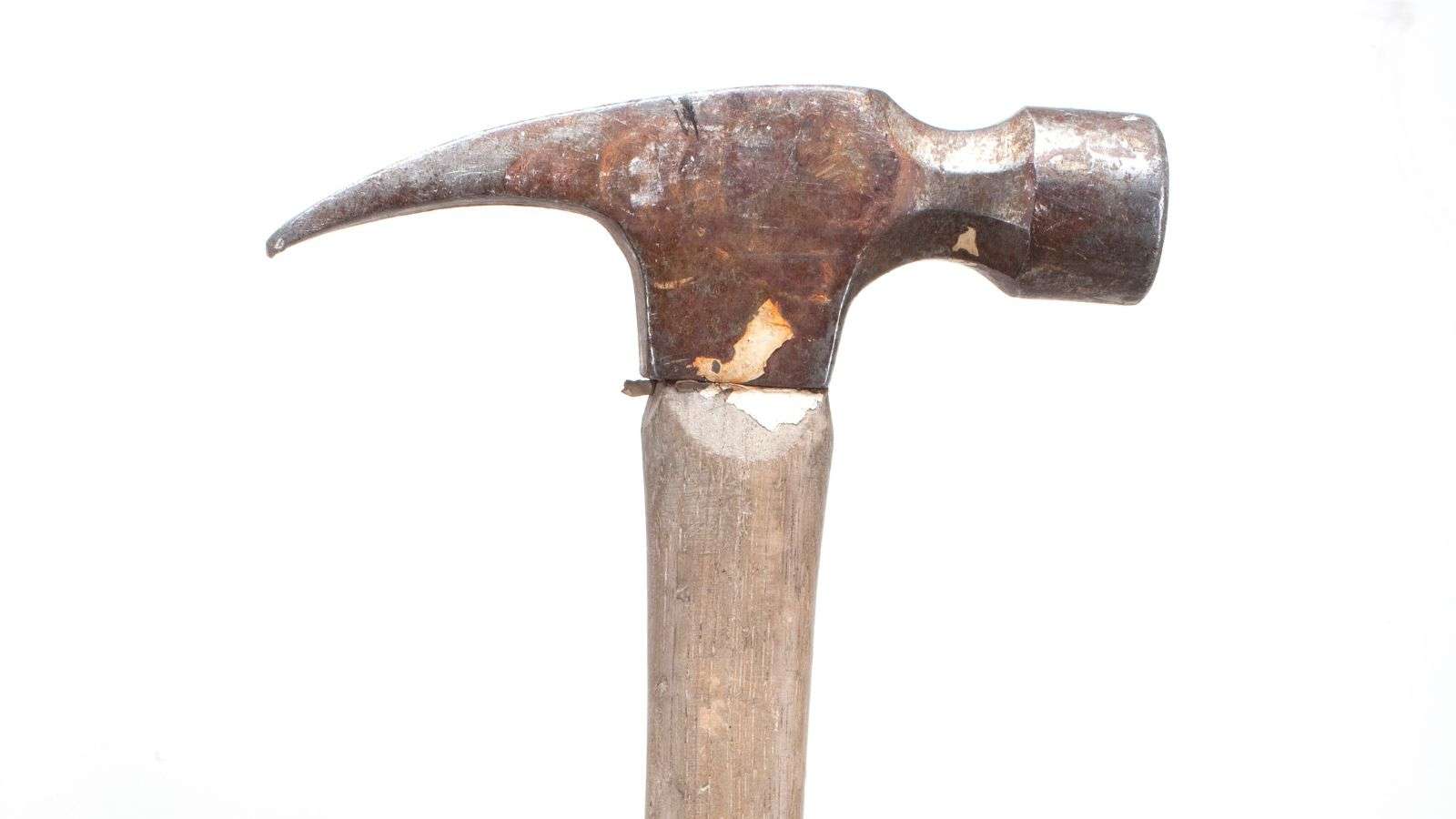
The everyday tools we use are often subject to the test of time, and roofing hammers are no different. With constant exposure to the elements and various strains, it’s not uncommon for these tools to succumb to rusting—a destructively disheartening sight for every craftsman.
In this article, we explore the phenomenon by delving into the five scientific reasons why roofing hammers rust, along with a comprehensive guide on how to prevent and manage this common issue.
5 Scientific reasons why roofing hammers rust
1. Improper storage and exposure to moisture
Storing roofing hammers in a damp or humid environment can lead to rust formation. Moisture can penetrate the metal surface, causing oxidation and the subsequent formation of rust. To prevent this, always store your roofing hammers in a dry and well-ventilated area. Consider using airtight containers or silica gel packets to absorb any excess moisture.
2. Lack of protective coating or finish
Roofing hammers may rust if they do not have a protective coating or finish. Manufacturers typically apply coatings such as paint or lacquer to prevent rust formation. If your hammer lacks this protective layer, you can consider applying a rust-resistant coating yourself. Be sure to use a product specifically designed for metal surfaces and follow the manufacturer’s instructions for best results.
3. Exposure to corrosive substances
Exposure to corrosive substances can accelerate the rusting process of roofing hammers. These substances can include chemicals found in roofing materials, such as acidic compounds or corrosive agents present in certain types of shingles or coatings. You must regularly clean your roofing hammer after use, removing any residue that could potentially cause corrosion.
4. Scratches or damage to the surface
Scratches or damage to the surface of a roofing hammer can create areas where moisture can accumulate and lead to rust formation. It is essential to inspect your hammer regularly for any signs of wear or damage. If you notice any scratches, you must address them quickly by sanding or buffing the affected area and applying a rust-resistant coating.
5. Improper maintenance and cleaning
Proper maintenance and cleaning play a significant role in preventing rust on roofing hammers. After each use, make sure to clean your hammer thoroughly with a soft cloth or brush to remove any debris, dirt, or moisture. Consider applying a light coat of lubricant or rust inhibitor to protect the metal surface during storage.
The impact of rust on roofing hammers
Rust can have a significant impact on the functionality and durability of roofing hammers. When rust forms on the metal surface, it weakens the structural integrity of the hammer, making it less effective at driving nails and performing roofing tasks.
The presence of rust can lead to rough and uneven surfaces, which may cause damage to roofing materials or result in improper nail placement. Rust also increases the risk of corrosion, which can further deteriorate the hammer over time. Regular inspection, maintenance, and prompt rust removal are essential to ensuring the longevity and performance of roofing hammers.
The role of weather and environment in rust formation
Weather and environmental conditions play a crucial role in the formation of rust on roofing hammers. Factors such as high humidity, exposure to rain or moisture, and extreme temperature fluctuations can accelerate the oxidation process and promote rust formation. Environmental elements like saltwater or airborne pollutants can further contribute to the corrosion of metal surfaces.
Try to consider these factors when storing and using roofing hammers, and take appropriate measures to protect them from adverse weather conditions. Regular cleaning, proper storage, and applying protective coatings can help mitigate the impact of weather and environment on rust formation.
Material considerations: Are all roofing hammers vulnerable to rust?
No, not all roofing hammers are equally vulnerable to rust. The vulnerability to rust largely depends on the material used to manufacture the hammer. While most roofing hammers are typically made of steel, the specific type of steel and any additional coatings or finishes applied can greatly affect their resistance to rust.
Some roofing hammers may be constructed using stainless steel or have a protective coating, making them more resistant to rust formation. However, even with these measures, it is still important to properly maintain and care for roofing hammers to minimize the risk of rusting, regardless of the materials used in their construction.
Can rust on roofing hammers be avoided?
While it may be challenging to completely avoid rust on roofing hammers, there are preventative measures that can significantly reduce the risk. Proper storage in a dry and well-ventilated area, regular cleaning to remove moisture and debris, and applying protective coatings or finishes can help mitigate rust formation. Avoiding exposure to corrosive substances and promptly addressing any scratches or damage on the hammer’s surface can further prevent rust.
By consistently following these preventive practices and maintaining good care of roofing hammers, the likelihood of rust formation can be minimized, ensuring their longevity and optimal performance.
Techniques to prevent rust on roofing hammers
- Proper storage: Store roofing hammers in a dry and well-ventilated area to minimize exposure to moisture.
- Regular cleaning: Clean the hammer after each use to remove debris, dirt, and moisture that can contribute to rust formation.
- Apply protective coatings: Consider applying a rust-resistant coating or finish to the hammer’s surface to provide an additional layer of protection.
- Inspect for damage: Regularly inspect the hammer for any scratches or damage. Address them promptly by sanding or buffing the affected area and applying a rust-resistant coating.
- Avoid corrosive substances: minimize exposure to corrosive substances commonly found in roofing materials. Clean the hammer thoroughly after working with such substances.
- Apply lubricant or rust inhibitor: Lightly coat the hammer with a lubricant or rust inhibitor before storing it to protect the metal surface.
- Use stainless steel hammers: Consider using roofing hammers made of stainless steel, as they are generally more resistant to rust formation.
- Proper handling: Handle the hammer with care to avoid unnecessary scratches or damage that may lead to rusting.
How to remove rust from roofing hammers
- Prepare the necessary materials: Gather the following items: a wire brush or steel wool, white vinegar, a container or bowl, water, a soft cloth or sponge, and rust converter or naval jelly (optional).
- Safety precautions: Ensure that you are working in a well-ventilated area and wear protective gloves and goggles to protect yourself.
- Scrub the rust: Use a wire brush or steel wool to scrub the rusted areas of the roofing hammer vigorously. Apply firm pressure while scrubbing to remove as much rust as possible.
- Vinegar soak: If the rust persists, create a vinegar soak by filling a container or bowl with white vinegar. Submerge the rusted parts of the hammer in the vinegar and let it soak for several hours or overnight.
- Rinse and dry: After soaking, remove the hammer from the vinegar and rinse it thoroughly with water to remove any remaining residue. Dry the hammer completely using a soft cloth or sponge.
- Apply rust converter or naval jelly (optional): If there are still traces of rust, you can consider applying a rust converter or naval jelly according to the product’s instructions. These products help convert any remaining rust into a stable compound.
- Final cleaning and protective coating: Once the hammer is completely rust-free, clean it again with water and dry it thoroughly. Apply a protective coating or finish to prevent future rust formation.
- Regular maintenance: To keep your roofing hammer rust-free, regularly inspect and clean it after each use. Store it in a dry place and consider applying a light coat of lubricant or rust inhibitor before storage.
Products to help reduce rust on roofing hammers
- Rust-resistant Coatings: Look for rust-resistant coatings specifically designed for metal surfaces. These coatings provide a protective barrier against moisture and oxidation.
- Anti-rust Sprays: Consider using anti-rust sprays that are formulated to prevent rust formation on metal tools and surfaces.
- Lubricants with Rust Inhibitors: Choose lubricants that contain rust inhibitors. These lubricants not only provide smooth operation but also help prevent rust on the hammer.
- Rust Converter: Rust converter products can be used to convert existing rust into a stable compound, preventing further corrosion.
- Metal Protectants: Some metal protectant sprays or wipes are designed to prevent rust and corrosion on various metal surfaces, including roofing hammers.
- Clear Lacquer or Sealants: Apply a clear lacquer or sealant to the hammer’s surface to create a protective barrier against moisture and rust.
- Corrosion-resistant Materials: Consider purchasing roofing hammers made from corrosion-resistant materials such as stainless steel, which naturally resists rust formation.