
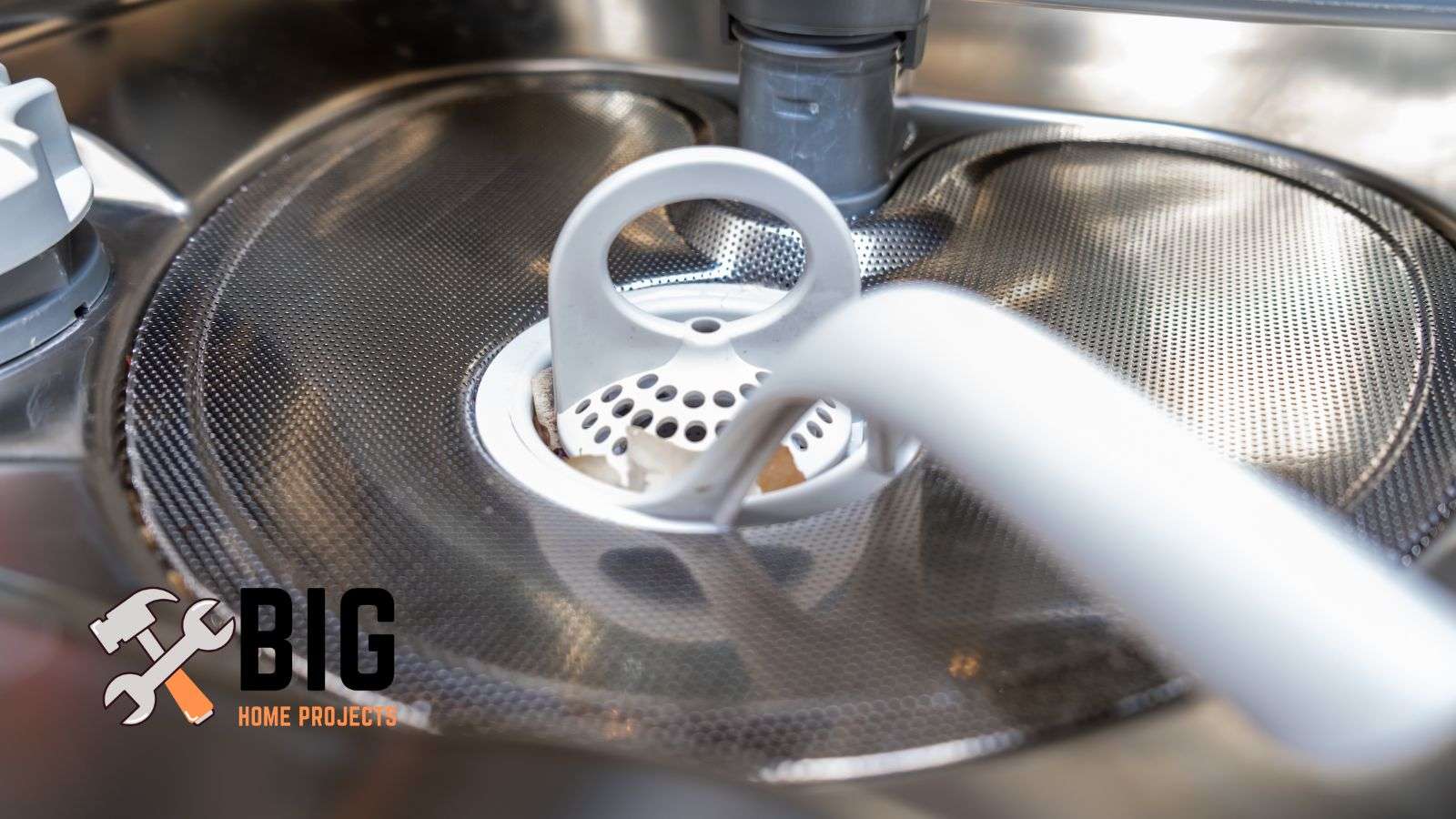
A dishwasher that isn’t draining properly is a common problem that can cause a lot of frustration. If you’re staring at a pool of water in your dishwasher post-cycle, you’re probably asking,”Why isn’t the dishwasher draining?”
Let’s dive into the 10 most common reasons behind this issue, and understand how to get your kitchen buddy back in action.
10 common reasons why your dishwasher isn’t draining
1. Could a blocked filter be causing my dishwasher not to drain?
A blocked filter can indeed be a common reason why your dishwasher isn’t draining properly.
Over time, food particles, debris, and other residues can accumulate in the dishwasher’s filter, hindering the flow of water.
When the filter becomes clogged, it restricts the passage of water from the dishwasher tub to the drain pump, resulting in poor drainage and potential water pooling at the bottom of the appliance.
Regularly cleaning and clearing the filter is essential to maintain optimal dishwasher performance.
2. Is a clogged sink affecting my dishwasher’s draining ability?
A clogged sink can have a significant impact on your dishwasher’s draining ability. Dishwashers are often connected to the kitchen sink’s drain system, sharing the same plumbing line.
If your sink is clogged or draining slowly, it can cause water to back up into the dishwasher during its draining cycle.
This can lead to standing water inside the dishwasher, preventing it from draining properly. Addressing the clogged sink promptly and ensuring a clear drainage path for both the sink and dishwasher will resolve this issue.
3. Is a faulty drain pump leading to the dishwasher not draining?
A malfunctioning or faulty drain pump is another frequent culprit behind a dishwasher’s drainage problems.
The drain pump plays a crucial role in expelling water from the dishwasher at the end of each cycle. If the pump is damaged, worn out, or experiencing mechanical issues, it may not effectively remove water from the dishwasher, resulting in standing water.
Inspecting the drain pump for any visible damage or unusual noises, and replacing it if necessary, can often rectify this draining issue and restore the dishwasher’s proper functionality.
4. How might a dishwasher air gap issue affect drainage?
An issue with the dishwasher air gap can significantly affect drainage. The air gap is a small, often cylindrical device installed on the countertop or sink near the dishwasher.
Its purpose is to prevent backflow of wastewater from the sink into the dishwasher. If the air gap becomes clogged with debris or food particles, or if it is improperly installed, it can obstruct the drainage flow from the dishwasher. As a result, water might not drain effectively, and you may notice standing water at the bottom of the dishwasher after a cycle.
Regularly cleaning the air gap and ensuring its proper installation will help maintain unobstructed drainage.
5. Can a damaged dishwasher hose prevent proper drainage?
A damaged dishwasher hose can indeed prevent proper drainage. The dishwasher hose is responsible for carrying the water from the dishwasher tub to the drain or garbage disposal unit.
If the hose becomes kinked, cracked, or has any leaks, it can impede the smooth flow of water, leading to drainage issues. Inspecting the dishwasher hose for any visible damage and promptly replacing it if necessary will restore proper drainage and prevent any water from leaking into the surrounding area.
6. Could a high drain loop problem be the reason my dishwasher isn’t draining?
A high drain loop problem could indeed be the reason why your dishwasher isn’t draining as expected.
A high drain loop is a segment of the dishwasher’s drain hose that is purposely elevated higher than the dishwasher’s bottom or tub. This loop prevents wastewater or dirty water from siphoning back into the dishwasher, ensuring proper drainage.
If the high drain loop is not formed correctly or is positioned too low, it may not effectively prevent backflow, resulting in standing water inside the dishwasher. Verifying the correct installation of the high drain loop and adjusting it if needed will resolve this issue and improve drainage performance.
7. How does faulty wiring cause my dishwasher to not drain?
Faulty wiring can disrupt the dishwasher’s drainage process in several ways. The dishwasher relies on an array of electrical components, including the motor, drain pump, and control panel, to facilitate proper draining.
If there are issues with the wiring connections or if any of the electrical components are malfunctioning due to wiring problems, the drain pump may not receive the necessary power to expel water effectively.
Consequently, this can lead to incomplete drainage, leaving water at the bottom of the dishwasher. Ensuring that the dishwasher’s electrical connections are intact and functioning correctly is crucial for resolving drainage problems caused by faulty wiring.
8. Is the garbage disposal affecting my dishwasher’s ability to drain?
The garbage disposal can impact your dishwasher’s ability to drain efficiently. Dishwashers often share a drain line with the garbage disposal unit.
If the garbage disposal is clogged or not working correctly, it can obstruct the drainage path for the dishwasher as well.
As a result, water from the dishwasher may not be able to flow freely, leading to standing water inside the appliance. Clearing any clogs or issues in the garbage disposal unit and ensuring a smooth drainage path will help the dishwasher to drain properly.
9. Could leftover food debris be causing the dishwasher not to drain?
Leftover food debris is a common culprit behind a dishwasher’s drainage issues.
When dishes are not pre-rinsed before being loaded into the dishwasher, food particles can accumulate in the dishwasher’s drain filter, drain pump, and other components.
This buildup can block the flow of water, leading to poor drainage and potential water pooling at the bottom of the dishwasher. Regularly scraping off excess food from dishes and cleaning the dishwasher’s interior, including the filter and spray arms, will prevent debris-related drainage problems.
10. How could incorrect installation prevent my dishwasher from draining?
Incorrect installation can prevent your dishwasher from draining effectively in various ways.
Improperly positioned or secured drain hoses, high drain loops, or issues with the air gap installation can lead to drainage problems. For example, if the drain hose is not installed at the correct height or is kinked, it can impede the flow of water, causing drainage issues.
An improperly installed air gap may not prevent backflow, affecting drainage. Ensuring the dishwasher is correctly installed as per the manufacturer’s instructions and that all relevant components are appropriately positioned will eliminate installation-related drainage problems.
Is standing water in dishwasher normal?
No, standing water in the dishwasher is not normal. While a small amount of residual water at the bottom of the dishwasher after a cycle is common, it should not be enough to cover the dishwasher’s floor or any of the dishes.
Significant standing water indicates a drainage problem, which can result from various issues such as a clogged filter, blocked drain hose, air gap problems, garbage disposal obstructions, faulty drain pump, high drain loop installation errors, dishwasher overloading, or incomplete cycles.
Proper maintenance, addressing drainage issues, and ensuring the dishwasher functions optimally are crucial to prevent standing water and maintain efficient dishwasher performance.
How do you manually drain a dishwasher?
- Turn off the dishwasher: Make sure the dishwasher is completely turned off before attempting to drain it.
- Locate the drain hose: The drain hose is usually located at the bottom of the dishwasher, connected to the drain pump. It may be secured with a clamp or fastener.
- Disconnect the drain hose: Carefully disconnect the drain hose from the drain pump. You may need to use pliers or a screwdriver to loosen any clamps or fasteners.
- Prepare a bucket or container: Place a bucket or container near the dishwasher to catch the water that will drain out.
- Direct the hose into the bucket: Position the disconnected drain hose so that it drains directly into the bucket or container.
- Empty the water: If there is excess water in the dishwasher, use a cup or scoop to remove as much water as possible before starting the draining process.
- Open the dishwasher door: Open the dishwasher door to allow air to flow into the dishwasher, which will help with the draining process.
- Start the draining process: Depending on the model of your dishwasher, you may need to activate a drain cycle or manually start the drain pump. Refer to the dishwasher’s manual for specific instructions.
- Monitor the draining: Keep an eye on the draining process to ensure that the water is flowing into the bucket or container without any issues.
- Empty the bucket or container: Once the dishwasher has finished draining, empty the bucket or container containing the water.
- Reconnect the drain hose: After the dishwasher is drained, reconnect the drain hose to the drain pump and secure it with any clamps or fasteners.
- Clean and inspect the drain hose: Before using the dishwasher again, it’s a good idea to clean and inspect the drain hose for any clogs or damage. Remove any debris or blockages if necessary.
Preventative measures to avoid dishwasher draining issues
- Properly load the dishwasher: Avoid overloading or blocking the spray arms, as this can hinder water flow and lead to drainage problems. Make sure dishes are arranged in a way that allows water to reach all surfaces.
- Scrape off excess food: While pre-rinsing is usually unnecessary, it’s important to scrape off large food particles to prevent clogs in the drain and filter.
- Clean the filter regularly: The dishwasher filter traps food particles and debris, so it’s important to clean it regularly. Refer to your dishwasher’s manual for instructions on how to remove, clean, and reassemble the filter.
- Check and clean the drain pump: Periodically inspect the drain pump for any debris or blockages. Consult the manual for guidance on how to access and clean the drain pump.
- Use the right detergent and amount: Use dishwasher detergent specifically designed for your dishwasher and follow the manufacturer’s guidelines for the correct amount of detergent to use. Using too much detergent can cause excess suds and drainage issues.
- Maintain proper water temperature: Ensure that your dishwasher is connected to hot water and that the water temperature is set according to the manufacturer’s recommendations. Proper water temperature helps with effective cleaning and draining.
- Avoid using excessive water: Be mindful of water usage in your dishwasher. Running the dishwasher with a full load is more efficient than running it with partial loads, as it optimizes water usage and promotes better drainage.
- Inspect and maintain the drain hose: Regularly check the drain hose for any kinks, cracks, or blockages. Ensure that it is properly connected and positioned to allow smooth water flow.
- Schedule professional maintenance: Consider scheduling professional maintenance for your dishwasher periodically. A technician can inspect and clean internal components, ensuring optimal performance and preventing drainage issues.
When to call a professional for dishwasher repair
Knowing when to call a professional for dishwasher repair is important to ensure that any issues are addressed properly.
If you encounter persistent problems with your dishwasher, such as repeated draining issues, leaks, unusual noises, persistent error codes, or if the dishwasher fails to start or complete cycles, it is advisable to seek the expertise of a professional.
If you have attempted basic troubleshooting steps but the problem persists, or if you are unsure about performing more complex repairs, contacting a professional technician is recommended.
They have the knowledge, experience, and tools to diagnose and repair the dishwasher effectively, ensuring its safe and optimal functioning.