
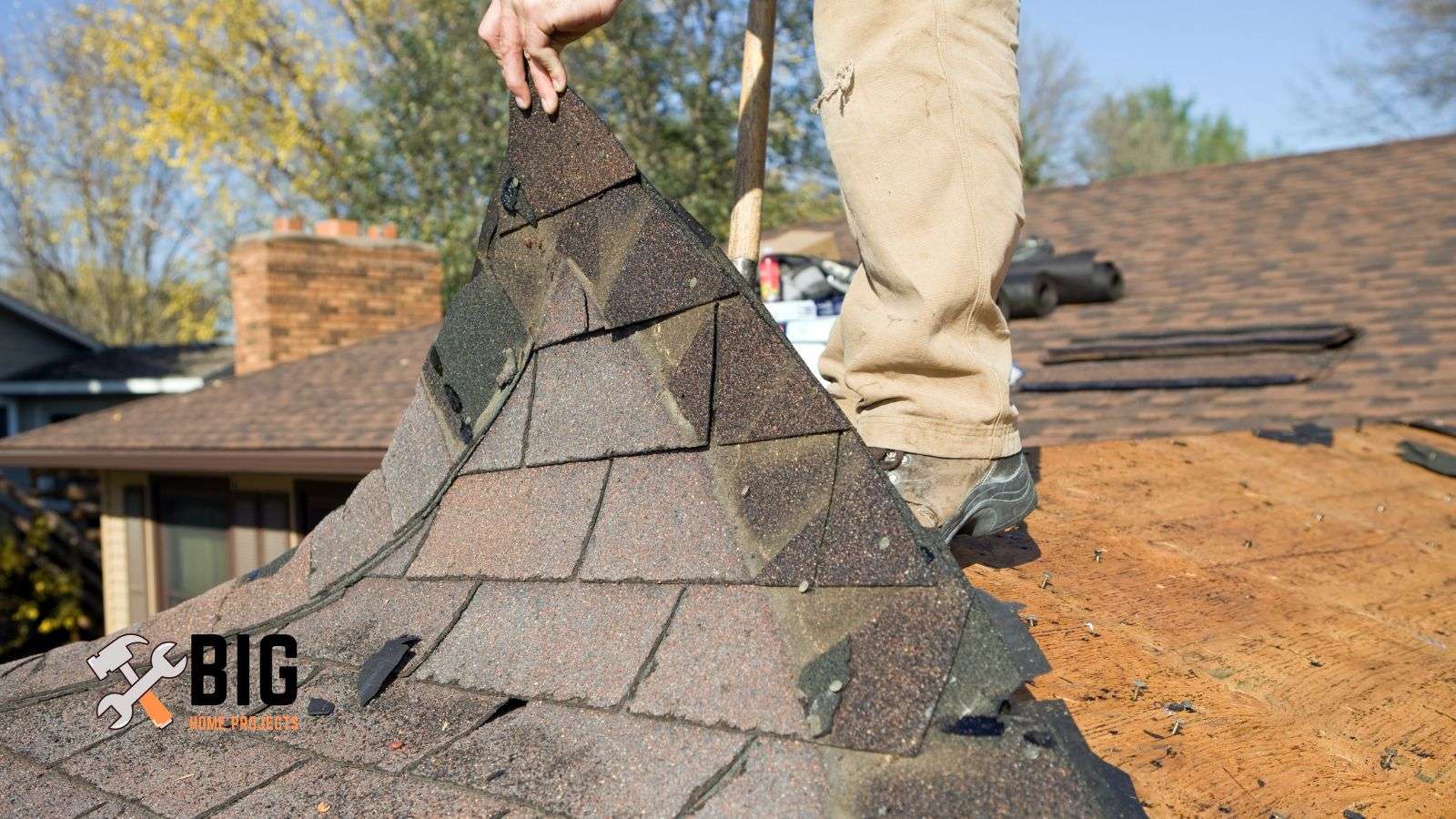
If you’re a homeowner who’s considered getting new shingles on your roof, you may have wondered why roofers are hesitant to use new shingles on top of old ones.
After all, when it comes to your home, most of us just want to get the job done right—so why would we care about whether the shingles under our new shingles were old or new?
Well, I’m here to tell you that there are 12 reasons why roofers are reluctant to put new shingles on top of old ones.
Why are roofers hesitant to install new shingles on top of old shingles?
Roofers are hesitant to install new shingles on top of old shingles for several reasons.
Adding a second layer of shingles increases the weight on the roof, which can strain the roof structure, which is not designed to bear the load of multiple layers. This additional weight may lead to structural damage or even roof collapse in extreme cases.
Installing new shingles over old ones can result in an uneven surface. The underlying shingles may have curled, buckled, or deteriorated over time, preventing the new shingles from lying flat and adhering properly. Consequently, this compromises their performance and lifespan.
Another concern is that placing new shingles over old ones can conceal underlying issues such as leaks, rot, or damage.
With the original shingles acting as a barrier, it becomes challenging to detect and address these problems.
Over time, these hidden issues can worsen and result in more extensive and costly repairs.
Also, the lifespan of the roof may be reduced when new shingles are installed over the old ones.
Since the underlying shingles may have already experienced a significant portion of their lifespan, covering them with new shingles means the new layer will also be subjected to the same aging process.
Many building codes specify the maximum number of roofing layers allowed.
Installing new shingles over old ones may exceed these limits, leading to code violations and potential legal issues.
While there may be situations where installing new shingles over old ones is deemed acceptable, considering factors such as the condition of the existing shingles, local building codes, and the roof structure’s capacity to handle the additional weight, it is always advisable to consult with a professional roofer to assess the specific situation and determine the most appropriate course of action.
The risks of installing new shingles on top of old ones
1. Warranty voiding risk
Many shingle manufacturers have specific guidelines regarding installation procedures.
Installing new shingles over old ones may void the warranty of the new shingles, leaving homeowners without protection in case of defects or premature failure.
2. Compromised structural integrity
Adding another layer of shingles increases the weight and load on the roof structure.
If the roof was not designed to support multiple layers, it can put excessive stress on the structure. Over time, this added weight can lead to structural damage, sagging, or even collapse.
3. Reduced durability
The existing layer of shingles may have already experienced wear and tear, including curling, buckling, or granule loss.
Installing new shingles over these damaged ones can compromise the overall durability and performance of the roof. The underlying issues may accelerate the deterioration process and shorten the lifespan of the new shingles.
4. Concealing issues underneath
By covering old shingles with new ones, underlying problems such as leaks, rot, or damage may be concealed.
This can make it difficult to detect and address these issues promptly, allowing them to worsen over time and potentially causing more extensive damage.
5. Inadequate ventilation
Proper ventilation is crucial for maintaining a healthy and durable roof.
Adding another layer of shingles can impede the ventilation system, preventing proper airflow. Inadequate ventilation can lead to moisture buildup, which can result in mold growth, premature deterioration of shingles, and potential damage to the roof structure.
6. Code compliance issue
Many building codes have restrictions on the maximum number of roofing layers allowed. Installing new shingles over old ones may exceed these limits, violating local building codes.
Code compliance issues can lead to potential legal problems and difficulties when selling or insuring the property.
7. Roofer’s warranty voiding
Roofing manufacturers and contractors may have specific requirements for warranty coverage. Without performing proper removal, installing new shingles over old ones could void the roofer’s warranty.
In the event of any issues or defects, the roofer may not be liable for repairs or replacements if the warranty is voided.
8. Reduced roof lifespan
Adding another layer of shingles on top of the old ones can shorten the overall lifespan of the roof.
The underlying shingles may have already endured a significant portion of their lifespan, and covering them with new shingles means the new layer will be subjected to the same aging process.
This can result in premature deterioration and the need for replacement sooner than expected.
9. Insurance claim rejection
In the event of damage or a roofing-related insurance claim, insurance companies may have specific guidelines and requirements.
Installing new shingles over old ones without proper removal may violate these guidelines, leading to claim rejection.
Insurance companies often expect proper installation practices to ensure the roof’s integrity and may not provide coverage if the installation deviates from those guidelines.
10. Costly removal process
If the existing layer of shingles needs to be replaced in the future, it can be a more expensive and time-consuming process to remove multiple layers of shingles.
The cost of labor and disposal fees for multiple layers can add up significantly.
11. Increased roof weight
Adding another layer of shingles increases the weight of the roof.
This extra weight can strain the roof structure, especially if it was not designed to support multiple layers.
Over time, the added weight can lead to structural issues and potentially compromise the integrity of the entire roof system.
12. Uneven roof surfaces
The underlying shingles may have experienced curling, buckling, or other forms of damage. Installing new shingles on top of uneven surfaces can result in an uneven roof appearance.
It can also prevent the new shingles from properly adhering and laying flat, which can impact their overall performance and longevity.
What precautions should be taken when nailing new shingles on top of old ones?
While it is generally recommended to remove the existing layer of shingles before installing new ones, if you choose to proceed with nailing new shingles on top of the old ones, certain precautions should be taken:
- Inspect the existing shingles: Thoroughly examine the condition of the existing shingles before proceeding. Ensure that they are not curled, damaged, or excessively worn. It is essential to have a relatively flat and stable surface to ensure proper adhesion and reduce the risk of future problems.
- Prepare the surface: Clean the existing shingles to remove any debris, dirt, or loose granules. This will create a better surface for the new shingles to adhere to. Additionally, repair any damaged areas or address underlying issues such as leaks or rot before proceeding with the installation.
- Use appropriate nail length: When nailing new shingles over old ones, use nails that are long enough to penetrate both layers and reach the roof decking. The nail length should be sufficient to provide a secure attachment to the roof structure. Consult with the manufacturer’s guidelines or a roofing professional for specific recommendations.
- Proper nail placement: Ensure that nails are placed correctly according to the manufacturer’s instructions. Improper nail placement can compromise the shingle’s integrity and result in leaks or premature failure. Follow the recommended nail placement pattern and spacing provided by the shingle manufacturer.
- Address ventilation: Pay attention to the roof ventilation system. Inadequate ventilation can lead to moisture buildup and other issues. Consider adding or maintaining proper ventilation to help extend the lifespan of the shingles and prevent potential problems associated with heat and moisture.
- Check building codes: Verify that your local building codes allow for installing new shingles on top of old ones. Some areas have restrictions on the number of roofing layers allowed. Ensure compliance with the codes to avoid potential legal and insurance issues.
When is it okay to put new shingles over old ones?
In certain situations, it may be acceptable to install new shingles over old ones.
Here are some instances when installing new shingles over old ones might be considered:
- Single layer of existing shingles: If there is only a single layer of shingles in good condition, with no signs of significant damage or wear, and the roof structure can handle the additional weight, installing new shingles over them may be a viable option.
- Cost considerations: Removing the existing shingles can be a labor-intensive and costly process. If the cost of shingle removal and disposal outweighs the benefits, such as when the existing shingles are in decent condition and the roof structure is suitable, installing new shingles over old ones may be a more cost-effective choice.
- Time constraints: In situations where time is a critical factor, such as during emergency repairs or when weather conditions are unfavorable for extended roof exposure, installing new shingles over old ones can provide a quicker temporary solution. However, it’s important to plan for a future complete roof replacement to ensure long-term durability.
- Limited budget: If the budget is limited and a full roof replacement is not feasible, installing new shingles over old ones can be a temporary solution to extend the roof’s lifespan. However, it’s crucial to monitor the condition of the roof closely and plan for a complete replacement when financially viable.
How many times can you overlay roofing shingles?
The number of times you can overlay roofing shingles depends on various factors, including local building codes and regulations, the condition of the existing shingles, and the structural capacity of the roof. However, it is generally not advisable to overlay shingles more than once.
Most building codes in many regions allow for a maximum of two layers of roofing shingles. This means you can typically overlay new shingles on top of an existing layer. However, it’s important to note that even when permitted, adding multiple layers of shingles can have negative consequences.
Each layer of shingles adds weight to the roof structure, which can strain its capacity. Multiple layers of shingles can also make it difficult to detect and address underlying issues, such as leaks or damage. Moreover, each additional layer can impact the roof’s appearance, ventilation, and overall performance.
Removing the existing layers of shingles before installing new ones is generally recommended to ensure a proper installation, optimal performance, and the ability to address any underlying issues effectively. It also allows for a thorough inspection of the roof deck, making it easier to identify and resolve potential problems.
What type of roofing materials should roofers use when installing new shingles on top of old ones?
- Asphalt shingles: Asphalt shingles are a popular and cost-effective choice for roofing. They are lightweight and suitable for overlay installations when the existing shingles are in good condition and the roof structure can support the additional weight.
- Architectural shingles: Architectural shingles, also known as dimensional or laminated shingles, provide a more durable and visually appealing option compared to traditional three-tab asphalt shingles. They are typically lightweight and can be suitable for overlay installations, depending on the condition of the existing shingles and the roof’s structural integrity.
- Synthetic shingles: Synthetic roofing materials, such as synthetic slate or shake shingles, are lightweight alternatives to natural materials. They offer durability, versatility, and are often suitable for overlay installations, provided the roof structure can support the additional weight.
- Metal roofing: Some types of metal roofing, such as standing seam or metal shingles, are lightweight and suitable for overlay installations. Metal roofing provides excellent durability, energy efficiency, and longevity.
Why do some roofers still do it?
While it is generally recommended to remove the existing layer of shingles before installing new ones, some roofers may still choose to overlay shingles for a few reasons:
- Cost and time savings: Overlaying shingles can be a quicker and less expensive process compared to a full roof tear-off and replacement. It requires less labor and disposal costs since there is no need to remove the existing shingles. This can make it an attractive option for homeowners with budget constraints or time-sensitive projects.
- Specific situations and considerations: In certain situations, such as emergency repairs or temporary solutions, overlaying shingles may be deemed acceptable. For example, if a severe storm causes damage to a roof and immediate repairs are needed, overlaying new shingles can provide a temporary fix until a complete roof replacement can be performed.
- Local building codes and regulations: Building codes and regulations regarding the maximum number of shingle layers allowed can vary by region. In some areas, it may still be permissible to overlay new shingles on top of existing ones as long as the total number of layers does not exceed the code limits. Roofers operating in such areas may adhere to these guidelines.
- Customer preferences and budget constraints: Some homeowners may specifically request an overlay installation due to personal preferences or financial limitations. Roofers may accommodate these requests if the existing shingles are in satisfactory condition and the roof structure can handle the added weight.
How can roofers ensure proper installation of shingles on top of old ones?
To ensure a proper installation of shingles on top of old ones, roofers should follow these guidelines:
- Thorough inspection: Conduct a comprehensive inspection of the existing shingles to assess their condition. Look for signs of damage, wear, or curling. Ensure that the roof structure is in good shape and capable of supporting the additional layer of shingles.
- Prepare the surface: Clean the surface of the existing shingles by removing any debris, dirt, or loose granules. This will provide a clean and suitable surface for the new shingles to adhere to.
- Address repairs: Before installing the new shingles, address any underlying issues such as leaks, rot, or damaged areas. Repair or replace damaged sections of the roof to ensure a solid foundation for the overlay.
- Choose appropriate shingles: Select lightweight shingles that are specifically designed for overlay installations. These shingles are typically thinner and lighter, minimizing the additional weight on the roof structure. Ensure that the new shingles are compatible with the existing ones and meet industry standards.
- Nail placement: Follow the manufacturer’s guidelines for nail placement. Use nails that are long enough to penetrate both the new and old shingles and secure them to the roof decking. Proper nail placement and spacing are crucial for the shingles’ stability and wind resistance.
- Flashing and sealing: Pay attention to the flashing details, such as around chimneys, vents, and skylights. Ensure that flashing is properly installed and sealed to prevent water penetration. Use appropriate sealants to ensure a watertight installation.
- Ventilation considerations: Evaluate the roof’s ventilation system and ensure that it is functioning properly. Adequate ventilation helps prevent moisture buildup and prolongs the lifespan of the shingles. Make any necessary adjustments or additions to the ventilation system as required.
- Compliance with building codes: Verify that the installation adheres to local building codes and regulations. Ensure that the total number of shingle layers, including the existing ones, remains within the permitted limits.
- Communication with homeowner: Clearly communicate the limitations and potential risks of overlaying shingles to the homeowner. Discuss any warranty implications and make sure they understand the associated risks and consequences.
Other interesting articles: